
Why Gratitude Matters for Kids
Thanksgiving is more than pumpkin pie and turkey — it’s an invitation to slow down and notice the good in our lives. For children, gratitude isn’t just about saying “thank you.” It’s a skill that strengthens empathy, builds resilience, and even improves mental health.
In therapy and at home, gratitude activities help kids develop emotional awareness, shift focus from stress to joy, and connect more deeply with others. And the beauty of Thanksgiving is that it offers the perfect backdrop: family gatherings, seasonal crafts, and cozy traditions all lend themselves to gratitude practices.
Here are 10 meaningful Thanksgiving gratitude activities that are fun, kid-friendly, and designed to bring families closer together.
This article contains affiliate links. If you make a purchase through these links, I may earn a small commission at no extra cost to you. I only recommend products I believe are helpful, high-quality, and a good fit for creating meaningful activities with kids and families.
1. Gratitude Leaf Garland
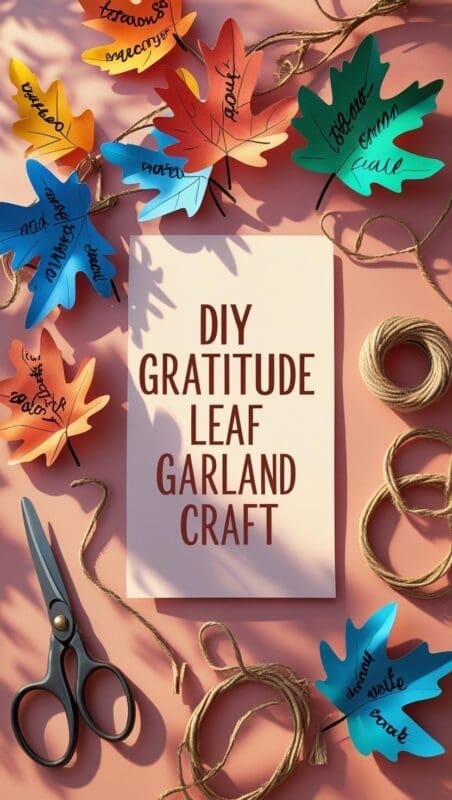
How it works:
Cut leaf shapes from colorful paper or felt. Each family member writes something they’re thankful for on a leaf. String them together into a garland and hang it across a wall or fireplace.
Therapist insight:
Visual reminders of gratitude help kids see the abundance in their lives. Over time, the garland becomes a symbol of shared appreciation.
Supplies Needed:
- Colorful paper or felt sheets (autumn tones work best)
- Scissors
- Markers or pens
- Hole punch (optional)
- String, yarn, or ribbon
- Clothespins, tape, or glue
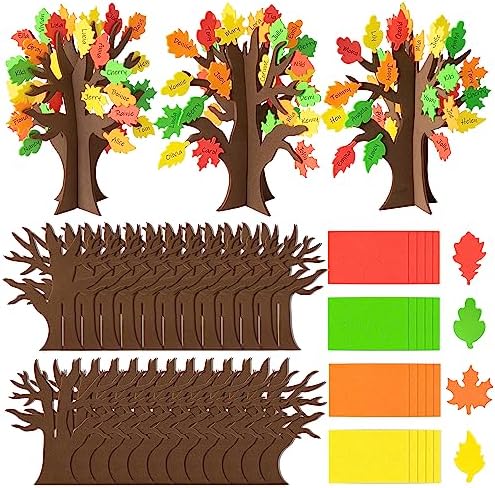
- Create Your Own Thanksgiving Trees: Unleash your creativity with the Fall Thankful Trees Foam Craft Kits. This DIY craft…
- Fun and Engaging Activities: Keep the kids entertained and engaged with this gratitude tree DIY craft kit. It offers a d…
- High-Quality Foam Materials: The foam craft kits are made from premium quality materials, ensuring durability and long-l…
Estimated Time:
30–40 minutes (plus extra time if you keep adding leaves throughout the week)
Step-by-Step Instructions:
- Cut leaf shapes from paper or felt. Use a printable template if needed.
- Invite each family member to write or draw one thing they are grateful for on a leaf. Younger children can dictate and have an adult write for them.
- Punch a hole at the top of each leaf and thread onto string, or attach them with mini clothespins.
- Hang the garland across a fireplace, window, or wall as a visual reminder of gratitude.
- Add new leaves each day leading up to Thanksgiving for a growing display.
Reflection Questions:
- “Which leaf is most special to you right now?”
- “How does it feel to see all of our gratitude displayed together?”
- “Was it easy or hard to think of something new you’re thankful for?”
- “What do you notice when you read everyone else’s gratitude leaves?”
Mental Health Benefit:
Creating a gratitude garland makes appreciation visible and communal. It reinforces positive thinking, lowers stress, and strengthens family bonds by shifting focus from what’s missing to what’s present. For kids, seeing gratitude displayed helps them internalize it as a habit.
Everyday Life Application:
Keep the garland up beyond Thanksgiving. Add new leaves weekly to mark joyful events or milestones. You can also adapt the practice for other seasons — snowflakes in winter, flowers in spring — to make gratitude a year-round ritual.

2. Thankful Jar
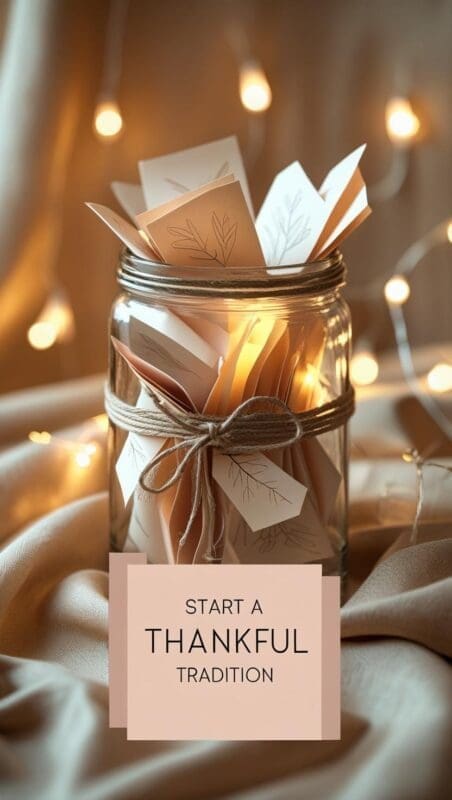
How it works:
Place a jar in the kitchen labeled “Thankful Thoughts.” Throughout November, kids and adults drop in notes of gratitude. On Thanksgiving Day, read them aloud before dinner.
Therapist insight:
This practice teaches kids to pause and notice daily joys — a cornerstone of mindfulness and emotional regulation.
Supplies Needed:
- A large clear jar, vase, or decorated container
- Strips of colorful paper
- Pens or markers
- Optional: Stickers, ribbon, or labels to decorate the jar
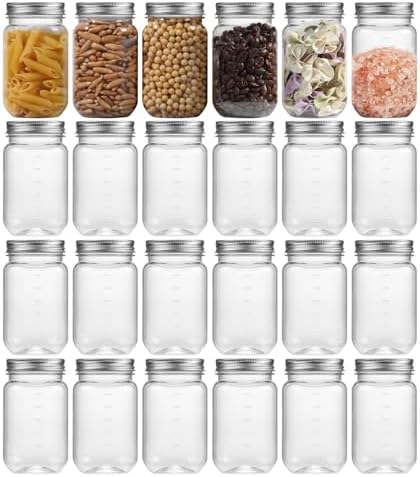
- Portable: These plastic bottles with lids have a compact design, perfect for traveling or gifting homemade treats
- Transparent view:Clear plastic jars showcase contents and make it easy to identify what’s inside at a glance
- With lid:Each plastic mason jar comes with a secure lid to keep your items fresh and protected
Estimated Time:
10 minutes to set up, 5 minutes daily to write notes, 20 minutes to share on Thanksgiving
Step-by-Step Instructions:
- Place a jar in a central spot at home, such as the kitchen or dining table. Label it “Thankful Thoughts.”
- Cut paper into strips and keep them nearby with pens or markers.
- Throughout November, family members pause to write down something they’re thankful for and drop it into the jar. Younger children can dictate their thoughts to an adult.
- On Thanksgiving Day, take turns reading the notes aloud before dinner. Celebrate the big and small joys that made it into the jar.
Reflection Questions:
- “What did it feel like to write down something you were thankful for?”
- “Did anything surprise you about what others added to the jar?”
- “How does reading everyone’s notes together change how you feel about this year?”
- “What small moment today could you add if we were still writing?”
Mental Health Benefit:
Writing down gratitude makes it concrete and memorable, which is more powerful than just thinking about it. It teaches children to pause, notice daily joys, and store them for later reflection. This practice strengthens mindfulness, builds resilience, and creates a sense of shared appreciation among family members.
Everyday Life Application:
Keep a “thankful jar” going year-round. You can read the notes monthly, or save them for special days when encouragement is needed. For kids, it becomes a visual reminder that even on hard days, positive moments exist and can be remembered.
3. Gratitude Pumpkin

How it works:
Instead of carving a pumpkin, write words of gratitude directly on its surface with markers. Add new words every day leading up to Thanksgiving.
Therapist insight:
This tactile activity lets kids physically “fill” an object with gratitude, making the concept tangible.
Supplies Needed:
- One medium or large pumpkin (real or craft foam)
- Permanent markers or paint pens (dark colors show best)
- Optional: Stickers, ribbons, or decorative accents
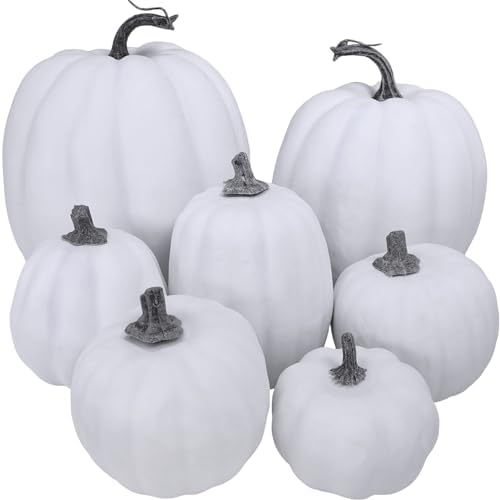
- Quantity: Package Includes 7 Pcs Artificial Harvest White Pumpkins In Assorted Sizes.
- Material: These Faux Pumpkins Are Made Of Dense Foam With Smooth Touch Feelings. The Pumpkins Feature Assorted Character…
- Color: The Artificial Pumpkins Are Painted In Rich White, Ideal For Decorating In Any Way You Want And Combining With Ot…
Estimated Time:
10 minutes daily (as you add words), plus 20 minutes for decorating on Thanksgiving
Step-by-Step Instructions:
- Place a pumpkin in a visible spot — the dining table, classroom shelf, or counseling office corner.
- Invite children (and adults) to write one word or short phrase of gratitude on the pumpkin each day. Younger kids can say their word aloud and have an adult write it for them.
- Add new words daily until the pumpkin is covered in gratitude.
- On Thanksgiving, read the words aloud together and reflect on what stands out most.
Reflection Questions:
- “Which word do you remember adding, and why did it matter to you?”
- “How does the pumpkin look now compared to when it started empty?”
- “What does it feel like to ‘fill’ something with gratitude?”
- “If you could keep one word from the pumpkin with you all year, which one would you choose?”
Mental Health Benefit:
By writing directly on the pumpkin, kids turn an abstract idea — gratitude — into something they can see and touch. The act of “filling” the pumpkin shows that gratitude grows over time, which helps children understand consistency and emotional resilience.
Everyday Life Application:
Adapt this practice for other times of year:
- A “New Year’s Intention Pumpkin” in January
- A “Kindness Pumpkin” in spring, filled with good deeds
- A “Memory Pumpkin” in summer, where kids record their favorite moments
This keeps gratitude and reflection alive beyond the holiday season.
4. Gratitude Scavenger Hunt
How it works:
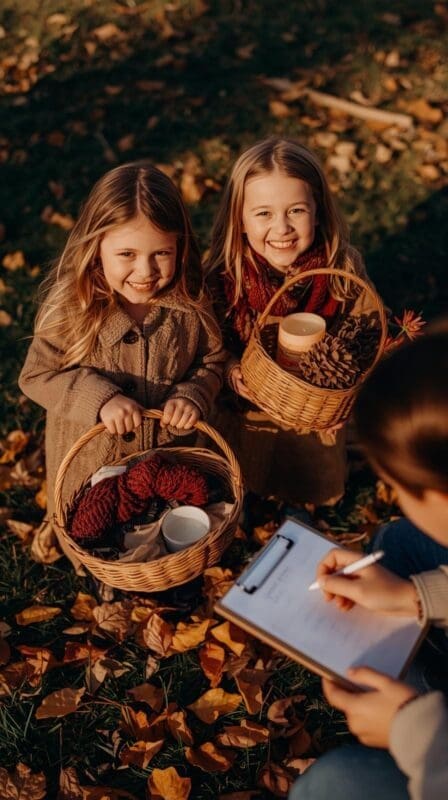
Create a list of gratitude prompts: something that makes you smile, something that smells good, something soft to touch. Kids hunt around the house or outdoors to find items that match.
Therapist insight:
This activity grounds children in sensory awareness while linking gratitude to the present moment.
Supplies Needed:
- Printed or handwritten list of gratitude prompts (e.g., “something that makes you smile,” “something soft,” “something that smells good”)
- Basket, bag, or box for collecting items
- Pencils or crayons for checking off items
- Optional: Camera or phone to take pictures instead of collecting
Estimated Time:
20–30 minutes (longer if done outdoors)
Step-by-Step Instructions:
- Create a list of sensory gratitude prompts. Keep them simple and age-appropriate.
- Give each child a list and a basket or bag for collecting items.
- Have kids search indoors, outdoors, or both to find objects that match each prompt.
- Once finished, gather as a group to share what everyone found and why it was meaningful.
Reflection Questions:
- “Which item was your favorite to find, and why?”
- “How did it feel to notice small things you’re usually too busy to see?”
- “Did you discover something surprising that made you feel thankful?”
- “How does using your senses help you feel calm or happy?”
Mental Health Benefit:
This scavenger hunt strengthens mindfulness by connecting gratitude to the five senses. Sensory grounding is an effective way to reduce anxiety, build self-regulation, and help children experience the present moment with appreciation.
Everyday Life Application:
Use micro-scavenger hunts anytime kids feel restless or overwhelmed. For example, ask:
- “Find one thing you can see that you like.”
- “Find one thing you can smell that makes you happy.”
- “Find one thing you can touch that feels calming.”
These mini versions can be used in classrooms, therapy offices, or at home to reset emotions quickly.
5. Thankful Tree Centerpiece

How it works:
Place branches in a vase. Provide paper leaves for kids to write what they’re thankful for. Hang leaves on the branches to create a Thanksgiving centerpiece.
Therapist insight:
Turning gratitude into a shared decoration keeps the practice visible and sparks conversation during meals.
Supplies Needed:
- A vase or jar filled with small stones or beans (to stabilize)
- Branches with multiple twigs (collected outdoors or purchased)
- Pre-cut paper leaves in fall colors (or leaf templates)
- Hole punch and string OR paper clips to hang leaves
- Pens, markers, or crayons
Estimated Time:
20–30 minutes to set up; 5–10 minutes daily for adding leaves
Step-by-Step Instructions:
- Place branches in a sturdy vase or jar. Fill the base with stones or beans for stability.
- Cut out colorful leaves from construction paper or cardstock. Punch a hole in each leaf.
- Throughout the week leading up to Thanksgiving, invite kids (and adults) to write something they’re thankful for on a leaf.
- Attach leaves to the branches with string, paper clips, or tape.
- Display the tree as a festive Thanksgiving centerpiece.
Reflection Questions:
- “Which leaf did you add today, and why is it important to you?”
- “How does the tree look now compared to when we started?”
- “What feelings come up when we see all the leaves together?”
- “Do you notice any gratitude themes that many of us share?”
Mental Health Benefit:
The Thankful Tree turns gratitude into a visual and communal practice. By making appreciation tangible, children learn that gratitude grows when shared. Seeing the leaves daily reinforces positive thinking, encourages conversation, and helps regulate emotions by focusing on abundance instead of scarcity.
Everyday Life Application:
Keep the tree year-round and rotate themes:
- Winter: “Wishes and Hopes Tree”
- Spring: “Kindness Tree” with leaves describing kind acts
- Summer: “Memory Tree” filled with favorite seasonal moments
This creates a consistent gratitude ritual that extends beyond the holiday season.
6. Gratitude Storytelling Game
Supplies Needed:
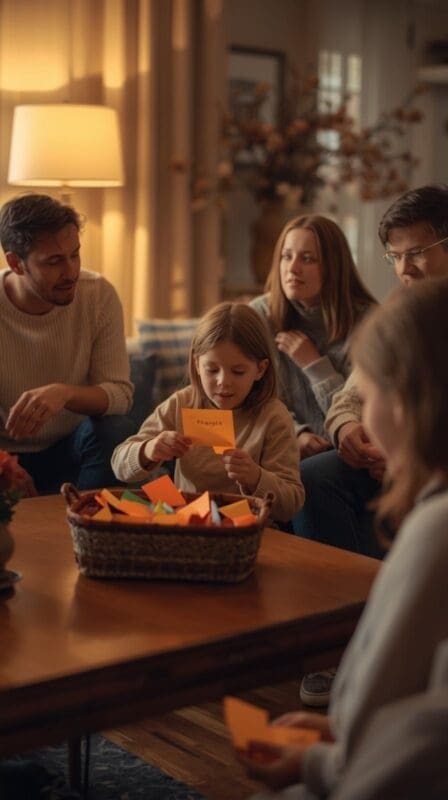
- A small basket, jar, or bowl
- Slips of paper with gratitude prompts written on them (e.g., “Tell about a time you felt proud,” “Share something that made you laugh this week,” “Describe a person who helps you feel safe”)
- Pens and blank slips for families to add their own prompts
Estimated Time:
15–30 minutes, depending on group size
Step-by-Step Instructions:
- Write down 10–15 gratitude-focused prompts and place them in a basket.
- Gather the family around the table or living room.
- Pass the basket around. Each person draws one slip and shares their story.
- Encourage active listening — no interruptions, just warm attention.
- Continue until everyone has had a turn or until the basket is empty.
Reflection Questions:
- “How did it feel to share your story?”
- “Which story stood out most to you, and why?”
- “What do these stories show us about how gratitude appears in everyday life?”
- “How does listening to someone else’s thankful memory make you feel?”
Mental Health Benefit:
Storytelling strengthens emotional memory and helps kids connect gratitude to lived experiences rather than abstract ideas. Sharing personal stories fosters empathy, builds social skills, and reminds children that gratitude often comes from relationships and acts of kindness.
Everyday Life Application:
Turn storytelling into a weekly ritual — perhaps every Sunday night or family dinner. Over time, kids learn to notice moments they’ll want to share, naturally reinforcing gratitude and mindfulness throughout the week.
7. Thank You Card Workshop

How it works:
Set out cardstock, markers, and stickers for kids to design thank-you cards for teachers, friends, or neighbors. Encourage heartfelt messages.
Therapist insight:
Acts of kindness extend gratitude outward, helping children connect their feelings with positive action.
Supplies Needed:
- Blank cardstock or construction paper (folded into cards)
- Markers, crayons, or colored pencils
- Stickers, stamps, or washi tape for decorating
- Envelopes (optional)
- A quiet table space for kids to work
Estimated Time:
30–45 minutes (can be extended if kids enjoy decorating)
Step-by-Step Instructions:
- Set up a “card-making station” with all supplies ready.
- Invite children to choose someone in their life to thank — a teacher, friend, neighbor, or family member.
- Encourage kids to decorate the front of the card with drawings, stickers, or designs.
- On the inside, help them write a short, heartfelt message. Younger children can dictate their words for an adult to write.
- Deliver or mail the cards together to complete the gratitude action.
Reflection Questions:
- “Who did you decide to make your card for, and why?”
- “How do you think they will feel when they receive your card?”
- “What was your favorite part of making this card?”
- “How did you feel inside while writing your thank-you message?”
Mental Health Benefit:
This activity teaches kids that gratitude isn’t just about feelings — it’s about expressing them. Writing and giving cards reinforces the link between gratitude and acts of kindness, which is proven to boost mood, build empathy, and improve relationships.
Everyday Life Application:
Make “thank-you card time” a monthly ritual. Kids can create cards for helpers in their lives — from bus drivers to grandparents — extending the habit of noticing and appreciating others year-round.
8. Gratitude Walk
How it works:
Take a family walk outdoors. Challenge kids to name things they’re grateful for using each sense: What do you see, hear, smell, touch?
Therapist insight:
Nature enhances mindfulness. Gratitude walks teach kids that thankfulness can be found in simple, everyday beauty.
Supplies Needed:
- Comfortable shoes and weather-appropriate clothing
- Optional: small notebooks or phones for taking notes/photos
- A safe walking route (park, neighborhood, or even school grounds)
Estimated Time:
20–30 minutes (longer if kids enjoy exploring)
Step-by-Step Instructions:
- Invite the family to take a walk outdoors together. Choose a calm environment — a park, backyard, or neighborhood street with seasonal scenery.
- Explain the “five senses gratitude challenge”:
- See: Name something beautiful you notice (a colorful leaf, a friendly dog).
- Hear: Notice a sound that makes you smile (birds, laughter, crunching leaves).
- Smell: Pay attention to scents (wood smoke, fresh rain, baked goods nearby).
- Touch: Find something you can feel safely (tree bark, smooth stone, soft scarf).
- Taste: If you bring a small snack like apples or trail mix, notice flavors mindfully.
- Pause along the walk for each sense and encourage kids to share what they notice.
- End by reflecting together on the experience.
Reflection Questions:
- “What did you notice today that you don’t usually pay attention to?”
- “Which sense helped you feel the most thankful?”
- “How did your body feel before and after the walk?”
- “What could you do to bring this same thankfulness into your regular day?”
Mental Health Benefit:
A gratitude walk combines mindfulness and movement, both of which lower stress and improve mood. Using the senses helps kids ground themselves in the present moment, which strengthens emotional regulation and reduces anxiety. Being outdoors also provides natural mood boosters through fresh air, light, and movement.
Everyday Life Application:
Turn regular walks into “mini gratitude walks.” Even a short stroll after school or dinner can become a calming ritual when you pause to notice one thing you see, hear, or feel. This habit helps children recognize gratitude in ordinary daily moments.
9. Gratitude Bingo
How it works:
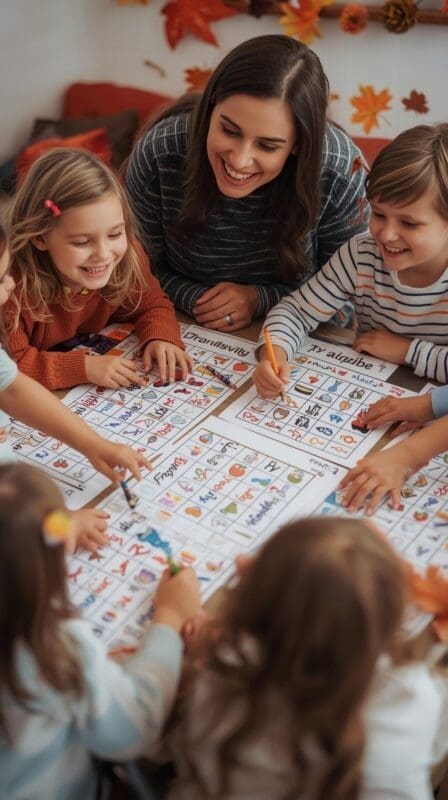
Create a bingo board with gratitude prompts: “I’m thankful for a friend,” “I’m thankful for my favorite food.” Kids mark off boxes as they name something. First to complete a row shouts “Grateful!”
Therapist insight:
Turning gratitude into a game keeps kids engaged while reinforcing positive thinking patterns.
Supplies Needed:
- Printable bingo boards (5×5 grids work well)
- Gratitude prompts written in each square (e.g., “I’m thankful for a friend,” “I’m thankful for my favorite toy,” “I’m thankful for a place I love”)
- Markers, crayons, or bingo chips
- Small prizes (optional, like stickers or bookmarks)
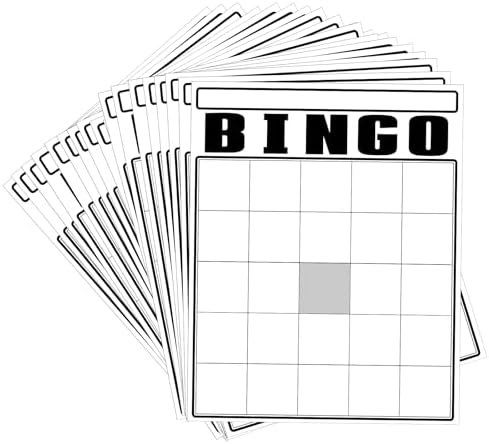
- Package Included: this blank ice fruit card contains 36 large size printed ice fruit cards, which are sufficient and can…
- Jumbo Size: our large Bingo game cards measure 8 x 10 inches, which is large enough to provide guests with ample space t…
- Interactive Fun: bring fun to your guests by filling in the blank bingo cards at your party, it’s a creative way to get …
Estimated Time:
20–30 minutes
Step-by-Step Instructions:
- Create or print bingo boards with gratitude prompts in each square. Make sure each board is slightly different.
- Hand out boards and markers or bingo chips.
- Call out prompts one by one, or let kids share their answers to mark the space. Example: If the prompt is “I’m thankful for a friend,” each child names one friend they appreciate and marks the square.
- Play until someone completes a row, column, or diagonal and shouts “Grateful!”
- Continue playing until several kids win or the whole board is filled.
Reflection Questions:
- “Which square was the easiest for you to answer?”
- “Was there one that made you stop and think more deeply?”
- “Did you learn anything new about yourself or others while playing?”
- “How did it feel to hear everyone else’s answers?”
Mental Health Benefit:
This activity turns gratitude into play, which boosts engagement and helps children practice positive thinking in a lighthearted way. By sharing responses, kids also strengthen empathy and appreciation for others. Games like this teach that gratitude can be fun and social, not just reflective.
Everyday Life Application:
Create “mini bingo” cards for daily or weekly use at school or home. For example, a morning routine bingo card with prompts like “say thank you to someone” or “notice something beautiful.” This builds gratitude into everyday routines in a playful, motivating format.
10. Family Gratitude Circle
How it works:
Before Thanksgiving dinner, sit in a circle. Each person shares one thing they’re grateful for about the person next to them. Continue until everyone has spoken.
Therapist insight:
This activity nurtures family bonds and helps kids feel seen and valued by loved ones.
Supplies Needed:
- A comfortable space to sit together (around the table, on the floor, or in a living room)
- Optional: A small “gratitude token” (like a leaf, stone, or mini pumpkin) to pass around as each person speaks
Estimated Time:
15–20 minutes (depending on family size)
Step-by-Step Instructions:
- Gather everyone before Thanksgiving dinner (or another meaningful family meal) and sit in a circle.
- Explain the activity: each person will share one thing they’re grateful for about the person sitting next to them.
- Pass a small token (optional) around the circle. Whoever holds it shares their gratitude aloud.
- Continue until everyone has spoken and each person has received words of appreciation.
- End with a group thank-you or a shared toast to gratitude.
Reflection Questions:
- “How did it feel to hear what others are thankful for about you?”
- “Was it easier to give gratitude or to receive it?”
- “What surprised you about what someone said?”
- “How can we share appreciation for each other more often, not just on holidays?”
Mental Health Benefit:
This practice strengthens family bonds and self-worth by making gratitude personal and relational. Hearing affirmations from loved ones helps children (and adults) feel seen, valued, and emotionally secure. Expressing gratitude outwardly also boosts mood, reduces stress, and encourages empathy.
Everyday Life Application:
Turn this into a weekly ritual, such as a “Friday Family Gratitude Circle” at dinner. It doesn’t have to be formal — simply taking turns naming something appreciated about one another helps maintain emotional closeness all year.
11. Gratitude Photo Collage
Supplies Needed:
- Magazines or printed photos
- Scissors and glue sticks
- Poster board
- Markers for labeling
Estimated Time:
30–45 minutes
Step-by-Step Instructions:
- Provide magazines, printed pictures, or family photos.
- Ask kids to cut out or choose images that represent things they’re thankful for.
- Glue them on poster board to form a gratitude collage.
- Add labels or short captions under each picture.
Reflection Questions:
- “Which image felt the most meaningful to you?”
- “Did you notice anything surprising about what we’re thankful for?”
- “How does seeing all our gratitude together make you feel?”
Mental Health Benefit:
Visual gratitude practices strengthen memory recall and make positive emotions tangible. For kids, images anchor gratitude in real experiences.
Everyday Life Application:
Hang the collage on a wall to revisit when someone feels discouraged, as a reminder of joy and abundance.
12. Gratitude Stones
Supplies Needed:
- Smooth river stones (store-bought or collected)
- Paint pens or markers
- A small basket or bowl

- 【Size】- 40 Pcs 2-4 inches River Stones. The kindness rocks are great for rock art .This size range is perfect rocks for …
- 【Flat & Smooth】- Each painting rock is carefully selected, the surface is basically no depression, the side is not scrat…
- 【Kindness Rocks】- Rocks are painted as a social-emotional learning activity for kids is a viral trend where people, pain…
Estimated Time:
25–30 minutes
Step-by-Step Instructions:
- Give each child a stone and invite them to decorate it with a word or symbol of gratitude.
- Collect all the stones in a basket.
- Each day, pull a stone out and use it as a conversation starter about gratitude.
Reflection Questions:
- “Why did you choose that word or symbol for your stone?”
- “How does holding the stone make you feel?”
- “What story does this gratitude stone remind you of?”
Mental Health Benefit:
Having a tangible object helps kids anchor gratitude physically. Touching the stone later can act as a grounding tool in moments of stress.
Everyday Life Application:
Keep the basket accessible year-round as a “gratitude toolkit” for reflection or family talks.
13. Gratitude Handprint Wreath

Supplies Needed:
- Colored paper (fall tones)
- Scissors and glue
- Large poster board or cardboard circle base
- Markers for writing
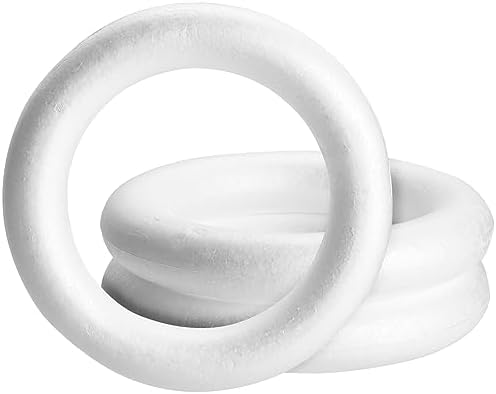
- Juvale Craft Essentials: Discover the creative potential of Juvale Foam Wreath Forms, perfect for crafting unique front …
- Expressive Decor Crafting: Elevate your space by adorning the foam ring with burlap, faux leaves, or flowers to craft ex…
- Versatile Display Locations: Showcase your crafted wreaths indoors or outdoors, enhancing entryways, living rooms, and p…
Estimated Time:
30–40 minutes
Step-by-Step Instructions:
- Trace each child’s (and adult’s) handprints on colored paper.
- Cut out the handprints and write one gratitude word or phrase on each.
- Glue them in a circle to form a wreath.
- Display on a door or wall as a Thanksgiving decoration.
Reflection Questions:
- “Which handprint is yours, and what did you write?”
- “How does it feel to see our family’s gratitude joined together in a circle?”
- “What does the circle shape remind us of about family and thankfulness?”
Mental Health Benefit:
Using handprints makes the gratitude practice deeply personal and concrete. It shows children that their contributions matter and creates a shared symbol of unity.
Everyday Life Application:
Recreate the wreath for other seasons (flowers in spring, suns in summer) to keep gratitude visible all year long.
FAQs
Q: What if my child struggles to name things they’re thankful for?
A: Start small — guide them with prompts like “What made you smile today?” Gratitude grows with practice.
Q: Can gratitude activities help with anxiety?
A: Yes. Gratitude shifts attention from worry to appreciation, calming the nervous system and building resilience.
Q: How often should families practice gratitude?
A: Daily rituals, even small ones, work best. Gratitude becomes stronger when it’s part of everyday life, not just holidays.
Conclusion: Building a Tradition of Gratitude
Thanksgiving offers more than delicious meals — it’s a chance to cultivate gratitude as a family tradition. These simple activities turn thankfulness into something kids can see, touch, and share.
When families engage in gratitude together, children learn that appreciation isn’t seasonal — it’s a mindset that nurtures joy year-round. And as therapists know, those little practices can have lifelong effects on wellbeing.

About the Author
Hi, I’m Eve, a former school counselor with a master’s degree in School Psychology and a passionate advocate for children and families navigating sensory challenges. As a mom of children with sensory sensitivities, I deeply understand the journey special-needs parents face, and I dedicate myself to researching and sharing practical solutions to help children thrive and feel comfortable in their bodies. My goal is also to empower counselors, therapists, and psychologists with creative strategies and supportive resources to enrich their everyday practice. When I’m not writing or exploring new therapeutic approaches, you’ll find me spending quality time with my family and continually seeking inspiration from everyday moments.