
This post contains Amazon affiliate links. If you make a purchase through a qualifying link, I may earn a small commission at no extra cost to you.
Bringing Medieval Warmth into Modern Healing Spaces

Step inside a medieval castle, and you’re instantly wrapped in an atmosphere of protection, comfort, and timeless beauty. Thick stone walls, heavy velvet curtains, warm candlelight — everything about the space feels grounded and secure.
That’s the essence of Castlecore, a décor trend that reimagines the romantic and cozy side of medieval living. It’s not about turning your therapy office into a museum — it’s about borrowing the warmth, texture, and old-world charm of castles and blending them with modern comfort.
For therapists, counselors, and wellness practitioners, Castlecore can be a powerful design choice. It sends a message: “You’re safe here.” And when a client steps into a space that feels secure and grounded, it can help them open up, relax, and engage more deeply in the healing process.
1) Understanding Castlecore in a Modern Therapy Context
Castlecore draws inspiration from medieval architecture and décor, but it’s softened for modern use. Think of it as creating a sanctuary that feels protected yet welcoming.
- Rich, deep colors that make the space feel enclosed and secure.
- Heavy, tactile fabrics that provide sensory comfort.
- Natural materials like wood, stone, and metal for grounding.
- Warm, layered lighting to create a soothing atmosphere.
Therapeutic value: In a world full of overstimulation, a Castlecore-inspired space acts like a weighted blanket for the senses. It cocoons clients in a visual and tactile environment that feels safe, steady, and timeless.
2) Choosing a Castlecore Color Palette

The colors you choose will set the tone for your therapy office.
- Jewel tones: emerald green, ruby red, sapphire blue.
- Warm neutrals: caramel, beige, cream, and soft browns.
- Metallic accents: antique gold, aged bronze, pewter.
For autumn, jewel tones paired with muted gold details can feel especially cozy. In winter, adding deeper navy or burgundy gives the space a snug, cocoon-like vibe.
Tip for therapy settings: If your office gets limited natural light, lean toward slightly lighter tones in your main furniture and walls, saving rich colors for accents like pillows, curtains, or rugs.
3) Furniture That Grounds & Comforts

Castlecore furniture doesn’t have to be heavy antiques — though a few well-chosen pieces can make a statement. The key is to choose pieces that feel substantial and reliable.
- Sturdy wooden desks with carved details or warm finishes.
- High-back armchairs that wrap slightly around the sitter for comfort.
- Storage pieces like wooden bookcases or cabinets with decorative hardware.
Balancing function & style: Therapy requires ergonomic comfort — make sure seating is supportive for both you and your clients. Pair a modern ergonomic chair with a wood finish or slipcover that matches your Castlecore palette.
4) Fabrics & Textiles for Warmth
One of the most recognizable features of Castlecore is rich, layered textiles. They soften the look of heavy furniture and help control sound, making the room feel quieter and more private.
- Velvet — perfect for cushions, chairs, and curtains.
- Wool or tweed — warm, durable options for throws.
- Brocade or tapestry fabric — add as wall hangings or upholstery.
- Thick drapes — not only decorative but also improve privacy.
Sensory benefit: Clients who need grounding can benefit from tactile interaction with soft or textured fabrics. A velvet pillow or wool throw can serve as a subtle sensory tool.
Shop Castlecore textile bestsellers:

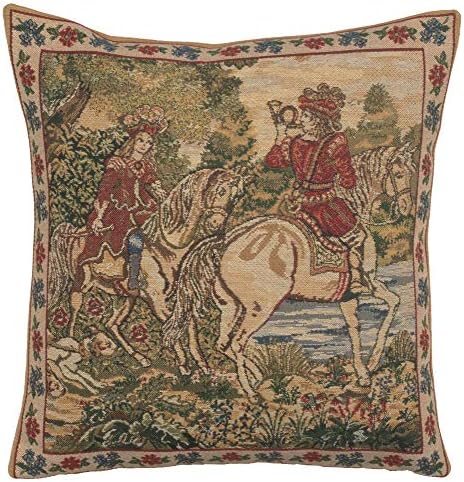

5) Lighting for Atmosphere
Castlecore lighting is all about warmth and glow — no harsh overhead fluorescents here.
- Use warm white bulbs (2700K–3000K) to make colors appear richer.
- Choose lamps with fabric or parchment-style shades for a softer glow.
- Incorporate candle-style lamps or wall sconces for that medieval touch (battery-operated candles work great for safety).
- Layer multiple light sources so the room feels enveloped in light rather than spot-lit.
Why it works for therapy: Soft, layered lighting helps clients feel at ease, especially during emotionally vulnerable sessions. It also reduces eye strain for you during long days.
Compare warm, office-friendly lighting:


6) Wall Art & Decorative Details

Castlecore décor leans heavily on storytelling — every item feels like it has a history.
- Tapestries — nature scenes, medieval motifs, or abstract designs in rich colors.
- Framed botanical illustrations for a scholarly yet calming vibe.
- Antique-style mirrors with ornate frames to brighten darker areas.
- Metal wall sconces for added character.
Therapist note: Choose art that sparks curiosity or a sense of calm. Avoid anything that might feel oppressive or overly busy; the goal is a balanced, focused environment.
7) Incorporating Natural Elements
Castle interiors were deeply connected to nature — wood, stone, greenery, and natural light played important roles.
- A stone-textured accent wall (peel-and-stick wallpaper works well in rentals).
- Wooden side tables or plant stands.
- Indoor plants with old-world charm — ferns, ivy, or rosemary in terracotta pots.
Mental health connection: Natural materials and greenery are linked to reduced stress and improved focus, making them ideal in therapy spaces.
8) Castlecore for Different Client Types
Castlecore can be adapted for various therapy settings.
- For children: Create a cozy “storybook corner” with a small tent canopy, floor cushions, and soft lighting. Add whimsical fairy‑tale motifs in a few decorative pieces.
- For teens: Opt for moodier jewel tones, clean-lined wooden furniture, and subtle medieval accents like lantern-style lamps.
- For adults: Go for sophistication — deep colors, elegant fabrics, and subtle antique touches that feel timeless rather than theme-like.
9) Starting Small Without Overhauling
You don’t need to invest in a full renovation to bring Castlecore into your space.
- Swap in velvet or brocade throw pillows.
- Add a tapestry or framed medieval-style print.
- Replace a lamp with one that has an antique finish.
- Introduce a small wooden side table or bookshelf.
- Layer a richly colored rug over your existing flooring.
These small touches can shift the atmosphere immediately, and you can build on them over time.
Browse renter-friendly Castlecore accents:


Conclusion – Designing a Therapeutic Sanctuary with Castlecore
Castlecore isn’t about replicating a medieval castle brick by brick. It’s about channeling the feelings those spaces evoke: safety, warmth, grounding, and timelessness.
When thoughtfully adapted for a therapy office, Castlecore can help create an environment that supports both emotional security and aesthetic pleasure. Clients walk in and feel they’ve stepped into a sanctuary — a place where they can let their guard down, breathe, and heal.

About the Author
Hi, I’m Eve, a former school counselor with a master’s degree in School Psychology and a passionate advocate for children and families navigating sensory challenges. As a mom of children with sensory sensitivities, I deeply understand the journey special-needs parents face, and I dedicate myself to researching and sharing practical solutions to help children thrive and feel comfortable in their bodies. My goal is also to empower counselors, therapists, and psychologists with creative strategies and supportive resources to enrich their everyday practice. When I’m not writing or exploring new therapeutic approaches, you’ll find me spending quality time with my family and continually seeking inspiration from everyday moments.

