
Affiliate disclosure: This post contains Amazon affiliate links. As an Amazon Associate, Eveyou may earn from qualifying purchases at no additional cost to you. Products are optional gift ideas rather than therapeutic recommendations; availability and prices can change.
A small holiday gift can feel warm and thoughtful, but gifts in therapy are never automatically appropriate. The right choice depends on your role, setting, employer policy, licensing or professional guidance, the client relationship, culture, age, and whether the gesture could create pressure or confusion.
This guide focuses on modest, optional ideas that do not promise to reduce anxiety, regulate the nervous system, or replace care. In many settings, the most appropriate choice may be a handwritten card, a shared office-made resource offered equally, or no gift at all.
Before Giving a Christmas Gift to a Client
- Check your employer, agency, school, insurance, licensing-board, and professional-association policies before purchasing anything.
- Consider whether the client celebrates Christmas. A neutral seasonal message or no holiday gift may be more respectful.
- Keep the gesture modest and avoid creating an expectation of reciprocity, special status, or continued contact.
- Use a consistent approach. If only some clients receive gifts, be able to explain the fair, clinically relevant reason.
- For children or dependent adults, follow setting rules and involve a parent, guardian, or authorized decision-maker when required.
- Avoid gifts that reveal private information, include diagnostic language, or identify someone publicly as a client.
- Do not describe a retail item as treatment. Any coping resource used in care should be selected intentionally within the therapeutic work—not introduced through a holiday surprise.
Important: This article is general educational content, not legal or ethics advice. When rules are unclear, consult an appropriate supervisor, compliance contact, or professional body.
12 Low-Pressure Christmas Gift Ideas for Clients
1. A Simple Handwritten Card
A short, professional note can acknowledge effort without placing a monetary value on the relationship. Keep the language warm but boundaried, and avoid promises such as “I will always be here.” A neutral option is: “Wishing you moments of rest and support in the season ahead.”
2. A Pocket-Size Notebook
A plain notebook is practical and does not need to be framed as a gratitude journal or therapy assignment. Choose an understated design and let the recipient decide how—or whether—to use it.
3. A Bookmark
A bookmark is inexpensive, easy to offer consistently, and suitable for clients who enjoy reading. Avoid clinical slogans or messages that reveal why the person is receiving it.
4. A Small Pack of Blank Note Cards
Blank cards can be used for lists, reminders, sketches, or personal messages. If you add a prompt, make it optional and general rather than assigning emotional work during the holidays.


5. A Smooth Pocket Stone or Wooden Token
A smooth object can simply be something pleasant to hold or keep on a desk. Do not claim that rubbing a stone treats anxiety, stimulates pressure points, or guarantees grounding. Check for small-part risks before giving one to a child.
6. A Sealed Tea or Cocoa Packet—Only When Appropriate
Food and drink gifts require extra care. Confirm dietary restrictions, allergies, caffeine preferences, cultural considerations, and workplace rules. Keep the original ingredient and expiration information attached. When you do not know these details, choose a nonfood option.
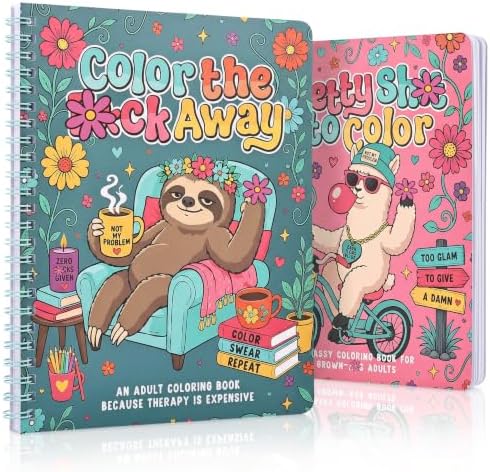
7. A Small Coloring Book and Pencils
Some people enjoy coloring; others do not. A compact set can be an optional leisure activity, not a prescription for mindfulness or trauma work. Select age-appropriate artwork and avoid infantilizing adult clients.
8. A Mini Open-Ended Art Kit
A small set of pencils, blank cards, or a sketch pad gives the recipient room to make what they like. Avoid complicated kits with a single “correct” result or materials that create allergy and cleanup concerns.


9. Sealed Unscented Hand Cream—Only If Preferences Are Known
A travel-size, factory-sealed product may be suitable in some settings, but skin sensitivities, ingredients, fragrance, and personal boundaries matter. Never present lotion as a regulation tool, and skip it when you do not know the recipient’s preferences.
10. Cozy Socks or a Small Throw—Only Where Value Limits Permit
A practical comfort item may fit community, shelter, school, or group-program contexts better than individual psychotherapy. Check sizing, laundering, equity, organizational rules, and the item’s value. Avoid weighted products unless they are independently and appropriately selected for that person.
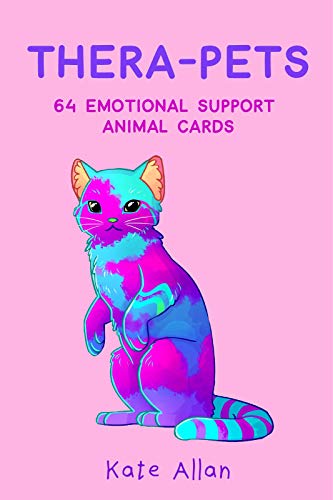
11. A Small Affirmation or Reflection Card Set
Choose inclusive language that offers possibilities rather than commands. Avoid decks that promise to rewire the brain or imply that positive thinking should replace difficult emotions. The client should be free to ignore, adapt, or pass on any card.


12. An Office-Made Seasonal Resource
A brief list of community supports, low-cost winter activities, crisis contacts, office closure dates, or coping options already discussed in therapy may be more useful than a purchased object. Offer it consistently and make clear that it is optional.
Gifts That Usually Need Extra Caution
- essential oils, perfume, incense, scented candles, and other fragrance products
- weighted blankets, lap pads, or specialized sensory equipment
- jewelry, clothing, or highly personal items
- alcohol, supplements, sleep products, or anything making a health claim
- expensive items, cash, or gifts that could alter the power balance
- items printed with diagnoses, therapy jokes, or emotionally loaded slogans
- anything that asks the client to promote the practice, leave a review, or reciprocate
Open-flame candles can also conflict with housing rules, workplace policies, pets, children, respiratory sensitivities, or fire safety. A gift should not create a new responsibility or risk for the recipient.
How to Keep the Gesture Professional
Make Participation Optional
Do not turn accepting, opening, using, photographing, or discussing the gift into a requirement. A client should be able to decline without having to explain.
Avoid Using a Gift to Advance Treatment
If a notebook, card, sensory item, or activity belongs in the treatment plan, discuss it transparently as part of care. Do not hide a clinical assignment inside a Christmas present.
Think About Equity and Documentation
Use a consistent decision process and follow any documentation requirements in your setting. Consider how the gift would look if reviewed by a supervisor, guardian, colleague, or the client later.
Use Neutral, Private Packaging
Plain paper, a simple envelope, or a reusable bag is enough. Avoid fresh greenery and scented decorations when sensitivities are unknown, and never label packaging with a diagnosis or service type.
When No Gift Is the Better Choice
No gift may be the most respectful option when policies prohibit it, the relationship is new or complex, the client may feel indebted, cultural meaning is unclear, or equal access cannot be maintained. A clear closure schedule, reliable communication, and professional presence often matter more than an object.
Related Holiday and Gift Guides
For adjacent ideas, explore gratitude-themed gifts for clients and colleagues, Christmas gifts for therapists, and meaningful DIY Christmas gifts. For children, see these calming Christmas crafts as activity inspiration rather than client gifts.
Final Thoughts
A thoughtful client gift is not defined by how calming, beautiful, or therapeutic it looks. It is defined by whether the gesture is permitted, modest, culturally respectful, equitable, optional, and clear about professional boundaries.
Start with policy and the individual relationship. If a small gift remains appropriate, choose something simple that carries no medical promise and creates no obligation. If it does not, a professional seasonal message—or no gift at all—can still communicate care and respect.

About the Author
Hi, I’m Eve, a former school counselor with a master’s degree in School Psychology and a passionate advocate for children and families navigating sensory challenges. As a mom of children with sensory sensitivities, I deeply understand the journey special-needs parents face, and I dedicate myself to researching and sharing practical solutions to help children thrive and feel comfortable in their bodies. My goal is also to empower counselors, therapists, and psychologists with creative strategies and supportive resources to enrich their everyday practice. When I’m not writing or exploring new therapeutic approaches, you’ll find me spending quality time with my family and continually seeking inspiration from everyday moments.

