
The classroom door is the first thing students see before they enter — and in fall, it can become a beautiful invitation to pause, breathe, and feel welcome.
When the first autumn breeze drifts through the playground and the light starts to turn golden, everything about the classroom changes. The air feels calmer, the colors richer, the days a little slower. That’s why I love decorating doors this time of year — not just for fun, but for feeling.
A thoughtfully designed door is more than paper cutouts and glue. It’s a threshold — the line between hallway chaos and the safe, steady rhythm of learning. When created with care, it can spark gratitude, remind students they belong, and model mindfulness before they even take their seats.
Below are 12 fall classroom door decoration ideas that blend creativity with social-emotional learning (SEL). Each design turns a simple doorway into a moment of calm connection.
Affiliate disclosure: This post contains affiliate links. If you purchase through them, I may earn a small commission at no extra cost to you. As an Amazon Associate, Eveyou earns from qualifying purchases.
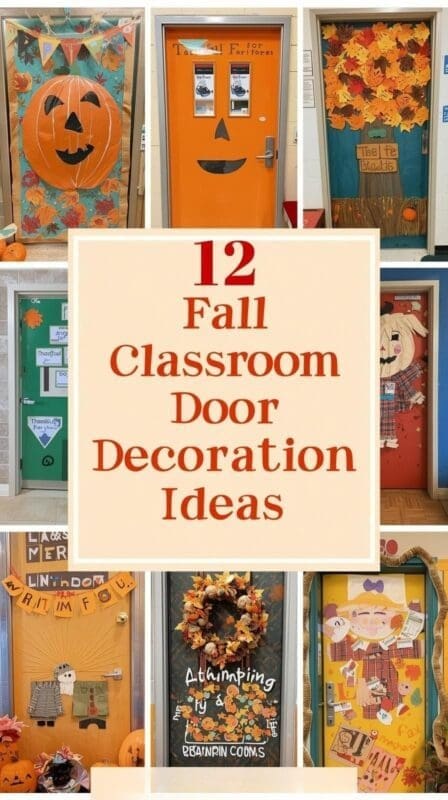
1. Gratitude Leaf Door — “Thankful Hearts Grow Here”
The sound of rustling paper leaves might be my favorite soundtrack of fall. Imagine a tall paper tree stretching across your classroom door, its branches dotted with leaves in shades of amber, red, and gold. Each one holds a handwritten note from your students — “my little brother,” “hot cocoa,” “recess with friends.”
Over time, the tree fills in, like an emotional forest. Kids love finding their own leaf each morning, and there’s quiet pride when they add a new one.
Why it works: Gratitude is mindfulness in action. Writing small thank-yous helps children pause and notice daily joys, anchoring them in the present.
Pro tip: Keep extra blank leaves and markers in a small basket near the door so students can add notes anytime they feel thankful.
SEL Connection: Encourages positivity, reflection, and belonging.
Transition
Once gratitude blooms, growth naturally follows — and pumpkins make the perfect symbol for it.
Pre-cut paper leaf shapes can save setup time when every student needs several leaves.


2. Pumpkin Patch Growth Mindset Door — “We’re Growing Every Day”
Pumpkins, with their cheerful round shapes and vibrant oranges, symbolize both change and patience. Cover your door with a bright pumpkin patch rising from a vine along the bottom edge. On each pumpkin, students write affirmations like “I can try again,” “I’m learning every day,” “Mistakes help me grow.”
When I tried this with my students, they beamed when they saw their own words displayed. It became a conversation starter — “Look, I wrote that one!” — and a daily reminder that growth is a process.
Why it works: Students internalize positive self-talk when they see it repeatedly. Linking affirmations to a visible, seasonal theme turns abstract ideas into something real and joyful.
Pro tip: Let students choose their pumpkin colors and fonts. The variety celebrates individuality while reinforcing unity.
SEL Connection: Builds resilience, self-esteem, and intrinsic motivation.
Transition
After gratitude and growth, the next step is kindness — the heartbeat of every classroom community.
3. “Falling Into Kindness” Door — “Kindness Is Contagious”
Picture a cascade of paper leaves drifting across your door, each one capturing a small act of kindness: “shared crayons,” “invited a friend,” “helped clean up.” The display grows throughout the season — a visual rhythm of empathy taking shape.
Each week, we host Kindness Friday. Students write one kind act they noticed — their own or someone else’s — before heading home. The leaves fill the door like gratitude confetti, and the conversations that follow are pure gold.
Why it works: When kindness becomes visible, it becomes habitual. Seeing their classmates’ compassion encourages children to look for goodness and contribute to it.
Pro tip: Use real leaf patterns or textured craft paper to make the display feel natural and tactile.
SEL Connection: Reinforces empathy, awareness, and positive social behavior.
Transition
After kindness, sometimes what students need most is calm — a gentle breath before diving into the day.
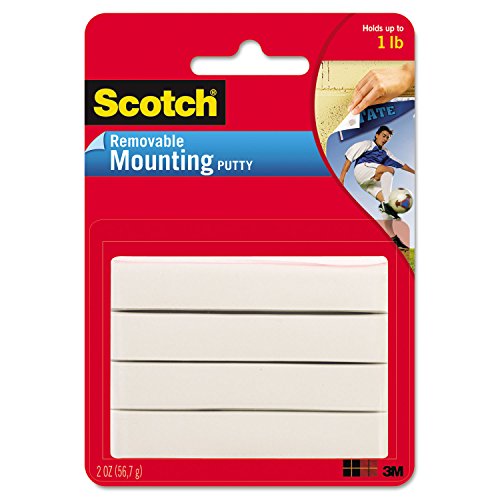
Removable mounting putty can make it easier to swap student contributions without rebuilding the background.

4. Woodland Mindfulness Door — “Take a Deep Breath and Begin Again”
Soft earth tones. Gentle paper trees. Maybe a sleepy fox curled near the bottom. This door feels like a walk through a quiet forest. Add a winding paper path with printed reminders: “Pause,” “Breathe,” “You can always start over.”
I’ve seen this door stop children in their tracks — literally. Some trace the path with a finger or take a slow breath before stepping inside. That’s how you know it’s working.
Why it works: A calming visual scene can trigger real physiological grounding. Nature themes communicate safety, predictability, and quiet curiosity — ideal for students who are anxious or overstimulated.
Pro tip: Use textured craft paper or felt leaves to add gentle sensory input. Include a laminated “leaf breathing” guide beside the handle for students who need an extra cue.
SEL Connection: Supports mindfulness, emotional regulation, and sensory grounding.
Transition
Once the mind is calm, it’s ready for curiosity — and what better way to spark it than through books?
5. Cozy Reading Door — “Cozy Up With a Good Book”
Transform your door into a tiny invitation to read. Picture stacked paper “books,” a cozy chair silhouette, and falling leaves curling around a sign that says, “Cozy Up With a Good Book.” Add tiny cutout string lights or lanterns for that golden autumn glow.
When I used this idea, my students couldn’t pass the door without pointing out the titles — “I’ve read that one!” or “That’s on my list!” Reading became part of our atmosphere, not just our schedule.
Why it works: Framing reading as a comfort activity (not just an academic one) encourages intrinsic motivation. The imagery — warmth, light, story — builds emotional association between books and safety.
Pro tip: Add rotating student book picks near the door or a small “What We’re Reading” shelf just inside.
SEL Connection: Promotes calm focus, imagination, and emotional connection through literature.
Transition
Every classroom door should end with a message of affirmation — a visual reminder of each student’s worth.
6. Apple Orchard Door of Positivity — “You Are the Core of Our Classroom”
Bright red and green apples fill the door, each carrying an uplifting word: “Creative,” “Kind,” “Brave,” “Curious.” The words form a canopy of positivity that greets students every morning.
Each week, we choose a “word of the week” from the display — discussing what it means and how we’ve seen it in action. Students start using those words in their compliments and reflections.
Why it works: Positive language shapes identity. When children repeatedly see affirming words connected to themselves and their peers, confidence grows naturally.
Pro tip: Let students choose their own apple color based on mood or preference — acknowledging emotional variety while maintaining unity.
SEL Connection: Reinforces self-worth, kindness, and collective belonging.
A roll of bulletin board paper can give you a clean base layer before adding individual pieces.


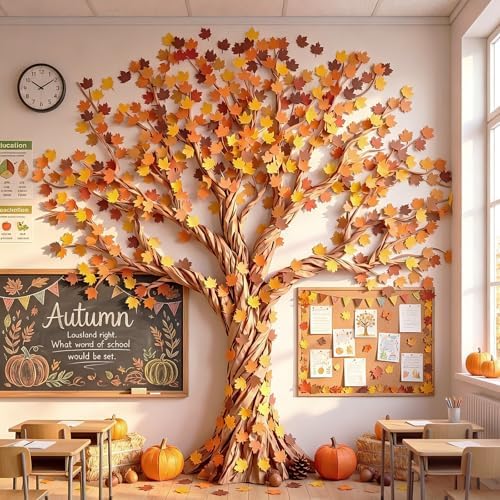
7. Scarecrow Feelings Check-In Door — “How Are You Feeling Today?”

Give students a quick, low-pressure way to name how they feel before they enter. Place a friendly paper scarecrow at the top of the door, then arrange leaves with simple facial expressions or weather-style emotion icons below it. Students can move a clothespin marked with their initials to the leaf that fits, or choose a matching card just inside the room.
Why it works: A predictable check-in gives children practice using emotional vocabulary and can offer adults a helpful cue to follow up. It is a starting point for conversation, not a diagnosis or substitute for individual support.
Pro tip: Keep names and movable markers on the inside edge of the door for privacy, and make participation optional. Use neutral phrases such as “What fits right now?” rather than labeling feelings as good or bad.
SEL Connection: Builds self-awareness, emotional vocabulary, and help-seeking skills.
8. Acorn Community Door — “Small Actions Grow Strong Communities”

Create a large oak tree across the door and give every student one paper acorn to decorate with a name, color, or simple pattern. Add a new leaf whenever the class completes a helpful community action, such as welcoming a new student, solving a problem together, or caring for shared materials.
Why it works: The individual acorns show that each student has a place, while the shared tree makes classroom community visible. The display can grow throughout the season without turning kindness into a competition.
Pro tip: Precut one simple acorn template and limit the palette to rust, blush, cream, and muted green for a calm, cohesive look. Keep door handles, windows, and required safety signs uncovered.
SEL Connection: Supports belonging, cooperation, and shared responsibility.
9. Harvest of Goals Door — “Our Goals Are Growing”

Turn pumpkins or apples into spaces for small, achievable goals. Students might write a learning strategy, a classroom habit, or a simple intention such as “ask for help when I need it.” Refresh the shapes monthly so the display stays useful instead of becoming static wallpaper.
Why it works: A seasonal visual can make reflection feel concrete and approachable. The focus stays on personal progress and useful strategies rather than ranking students or displaying who finished first.
Pro tip: If public goals feel too personal, attach small paper pockets and let students place their cards inside. Celebrate effort, adjustment, and problem-solving—not only completion.
SEL Connection: Encourages self-management, reflection, and persistence.
10. Fall Weather Emotions Door — “Every Feeling Has a Season”

Use autumn weather as a gentle metaphor for changing emotions. Arrange sun, wind, rain, clouds, and a rainbow across the door, then invite students to point to or choose the weather that matches their current experience. Younger children can respond with an icon even when they do not yet have the words.
Why it works: Weather gives students a familiar, nonjudgmental way to describe internal experiences. It also reinforces the idea that feelings can change, just as the sky does.
Pro tip: Place a few “What might help?” cards just inside the classroom—quiet time, movement, water, breathing, or talking with an adult—so the check-in can lead to an appropriate next step.
SEL Connection: Develops emotional awareness and flexible coping choices.
11. Owl Welcome Door — “Whooo Belongs Here? We All Do”

Build a soft woodland scene with one large owl, smaller owls or feathers, and a branch that holds a leaf for every student. Names, initials, or student-chosen symbols can make the display personal while the shared welcome message keeps the emphasis on the whole group.
Why it works: Seeing yourself represented at the entrance can create a quiet cue of belonging. The design is especially easy to update when a new student joins the class.
Pro tip: Offer varied colors, patterns, and owl styles so students are not expected to make identical pieces. Add new names promptly and avoid arrangements that single out one child.
SEL Connection: Strengthens inclusion, connection, and classroom identity.
12. Patchwork Quilt Door — “Every Piece Matters”

Invite each student to design one square with a fall color, leaf shape, line pattern, or small symbol that represents something they enjoy. Assemble the squares into a large paper quilt, using a simple cream border to help the varied pieces feel connected.
Why it works: Everyone contributes one manageable piece, so the finished door becomes a shared creation without requiring advanced art skills. The different squares make individuality part of the design rather than something to smooth away.
Pro tip: Use matching six-inch squares, laminate or sleeve them if you want to reuse the display, and assemble the final pattern on the floor before attaching it to the door.
SEL Connection: Encourages collaboration, identity, and appreciation of differences.
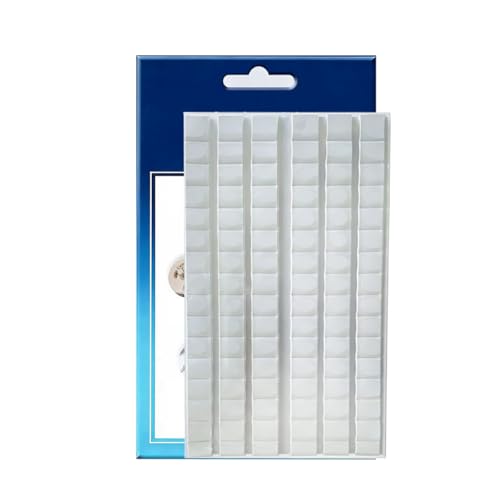
Self-adhesive hook-and-loop dots are useful when check-in pieces or goal cards need to move throughout the season.


🍁 Bringing It All Together — The Meaning Behind the Décor
A classroom door is often the first “hello” of the day — a moment that can shape how a student feels before the lesson even begins. When a child walks toward a door that glows with warmth, kindness, and purpose, something shifts. Their body relaxes. Their face softens. They’re ready to learn.
Each of these doors carries more than aesthetic beauty:
- The Gratitude Tree teaches awareness.
- The Pumpkin Patch nurtures growth.
- The Kindness Leaves build empathy.
- The Woodland Scene invites mindfulness.
- The Cozy Reading Door sparks curiosity.
- The Apple Orchard affirms self-worth.
- The Feelings Check-In builds emotional vocabulary.
- The Acorn Community strengthens belonging.
- The Harvest of Goals supports reflection and persistence.
- The Weather Emotions display normalizes changing feelings.
- The Owl Welcome celebrates inclusion.
- The Patchwork Quilt makes collaboration visible.
When your classroom décor aligns with emotional learning, it teaches without speaking. Through texture, color, and message, you show students what safety and belonging look like — and, more importantly, what they feel like.
So this fall, as you gather paper, markers, and imagination, remember: the most powerful decorations aren’t just seen — they’re felt.

About the Author
Hi, I’m Eve, a former school counselor with a master’s degree in School Psychology and a passionate advocate for children and families navigating sensory challenges. As a mom of children with sensory sensitivities, I deeply understand the journey special-needs parents face, and I dedicate myself to researching and sharing practical solutions to help children thrive and feel comfortable in their bodies. My goal is also to empower counselors, therapists, and psychologists with creative strategies and supportive resources to enrich their everyday practice. When I’m not writing or exploring new therapeutic approaches, you’ll find me spending quality time with my family and continually seeking inspiration from everyday moments.

