
When a child melts down, it’s rarely about “bad behavior.” It’s a nervous system asking for help. Emotional regulation is the skill set that helps kids notice what they feel, calm their bodies, and choose a healthy response—and like any skill, it strengthens with practice and good tools.
Below are ten emotional regulation activities for kids I use and recommend in homes, classrooms, and counseling settings. Each mini “pattern card” includes how to do it, why it works (child-development + nervous system lens), and simple adaptations so you can make it work for your child or group.
Disclosure: This post may contain affiliate links. If you buy through my links, I may earn a small commission at no extra cost to you.

Before You Start: A quick, gentle frame for grown-ups
- Co-regulate first. Your calm voice and slower breathing lend kids your nervous system.
- Keep it brief. 3–7 minutes beats a 20-minute lecture.
- Offer choice. Agency lowers resistance: “Would you like belly breaths or the glitter jar?”
- Name the wins. “You noticed your body and chose a strategy—that’s regulation.”
1) Belly Breathing with a Stuffed Animal (a.k.a. “Tummy Teddy”)
How it works:
Have your child lie on their back and rest a small plush on their belly. Inhale through the nose for 3–4 counts (watch the plush rise), exhale through pursed lips for 4–5 counts (watch it fall). Repeat 5–8 cycles.
Why it works (OT/psych lens):
Visual biofeedback + paced exhale stimulates the parasympathetic system (the body’s “brake”), reducing heart rate and muscle tension.
Adapt it:
Do it seated with the plush against the belly, or swap in a small weighted lap pad for older kids.
Counselor tip:
Add a whisper cue: “Up like a gentle wave… down like a sleepy cloud.”
2) Emotion Charades (builds language + empathy)
How it works:
Write emotions on cards (happy, worried, frustrated, proud, bored, overwhelmed). Kids act it out, others guess; then share one time they felt that way.
Why it works:
Labeling feelings (“name it to tame it”) reduces intensity by moving the experience into language and perspective-taking.
Adapt it:
Use emoji cards for early readers; include “mixed feelings” (e.g., happy + nervous) for tweens.
Counselor tip:
End each round with, “What helps when you feel ____?”
3) Calm-Down Glitter Jar (visual settling)
How it works:
Fill a clear bottle with warm water, glitter glue, and a pinch of fine glitter. Shake and watch until it settles. Breathe slowly while watching.
Why it works:
A visual timer for the nervous system—as the glitter settles, the brain mirrors the slow-down.
Adapt it:
Try blue/silver for “winter calm,” warm gold for “sunset jar.” For classrooms, keep a small basket of jars in the calm down corner.
Safety note:
Hot glue the lid; supervise under 3.
4) Feelings Thermometer (rate it, then regulate it)
How it works:
Create a 1–10 scale with colors or faces. Have kids point to their “now number,” use a strategy, then re-rate.
Why it works:
Interoception (internal body awareness) + self-monitoring = core executive skill for impulse control and anxiety relief.
Adapt it:
Make a wearable version on a clothespin; clip to the number for the school day.
Counselor tip:
Pair numbers with actions: “1–3: you’re okay; 4–6: try a tool; 7–10: ask for help.”
5) Movement Micro-Breaks (reset the engine)
How it works:
30–60 seconds: wall push-ups, chair squats, animal walks, or “rainbow stretch.” Have kids notice heart rate and breath before/after.
Why it works:
Proprioceptive and vestibular input organize the system, discharging extra energy that can fuel dysregulation.
Adapt it:
For shy kids: silent “isometric squeeze” (press palms together for 10 seconds, slow exhale).
Counselor tip:
Use a visual schedule: learn, move, learn, move.
6) Mindful Coloring (focus with flow)
How it works:
Offer mandalas or calming line art. Invite kids to color slowly, noticing strokes and color choices. Option: play soft instrumental music.
Why it works:
Repetitive fine-motor action + visual focus brings the brain into alpha (calmer) rhythms and builds sustained attention.
Adapt it:
Swap crayons for gel pens (high interest), or use large stencils for younger hands.
Accessibility:
Provide left-handed scissors, chunky pencils, pencil grips as needed.
7) “Name It to Tame It” Scripts (language for the limbic system)
How it works:
Teach sentence frames:
- “I feel ____ because ____.”
- “My body feels ____; I can try ____.”
Practice during calm moments so it’s available during hot ones.
Why it works:
Translates body cues into words; prefrontal cortex engages, reducing emotional reactivity.
Adapt it:
For littles: feelings charts to point at; for older kids: a coping skills notebook.
Counselor tip:
Model it yourself: “I feel rushed, so I’m taking three breaths.”
8) Positive Self-Talk Cards (rewire the inner voice)
How it works:
Create or print cards: “I can calm down.” “Feelings are visitors.” “I can try again.” Keep a small ring deck at the calm corner or in a backpack.
Why it works:
Repetition builds neural pathways; kids learn to replace “I can’t” with growth-oriented scripts.
Adapt it:
Invite kids to write their own, or draw a symbol for non-readers.
Counselor tip:
Pair with one slow inhale per card.
9) Build a Safe Space / Calm Corner (environmental co-regulation)
How it works:
Designate a spot with soft seating, a small rug, fidget tools, a timer, coloring pages, glitter jar, and a “What helps me” menu.
Why it works:
Predictable, low-stim environment lowers arousal; having a plan prevents power struggles.
Adapt it:
Classroom version: a visual pass that limits time to 3–5 minutes, then rejoin.
Safety note:
Avoid glass, strong scents, or overstimulating lights.
10) Gratitude Minute (end-of-day reset)
How it works:
Invite each child to share or draw one small good thing from the day; place notes in a gratitude jar or journal.
Why it works:
Shifts attention from threat to care; over time increases resilience and optimism.
Adapt it:
Prompts for reluctant sharers: “Something that smelled nice… something that felt soft… a person who helped me…”
Counselor tip:
Use it to close sessions or family dinners—short, light, consistent.
Calm Corner Starter Kit (print this in small type and tuck inside)
- Small rug + soft pillow or bean bag
- Visual Feelings Thermometer (1–10)
- Timer (2–5 minutes)
- Glitter jar + pinch fidgets (tangles, putty)
- Mindful coloring pages + pencils
- Deck of positive self-talk cards
- “What helps me” menu (breath, stretch, draw, squeeze)

- The descending bubbles have a soothing and mesmerizing effect that will keep kids entertained for hours. Gravity will gu…
- Its slow and rhythmic drops have a very appeasing effect and actually help kids with sensory or hyperactivity issues. Ma…
- Endless hours of calming entertainment. Great as therapy toys and even stress relief toys. Never runs out of energy. Jus…
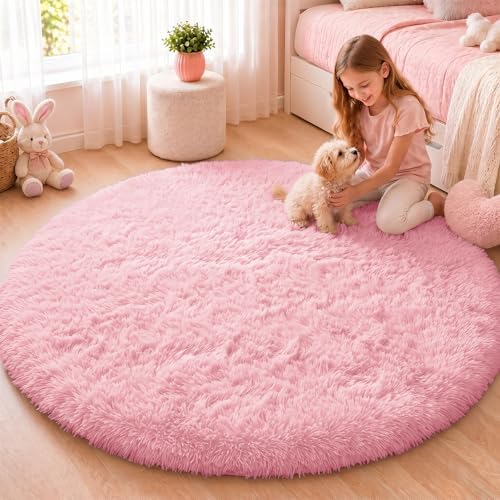
- [Machine Washable] Tired of constant cleaning? OLANLY rugs make life easier with their machine washable design. Unlike t…
- [Thicker Sponge and High-Density Faux Fur] The OLANLY Machine Washable Area Rug features a 0.4-inch thick sponge padding…
- [Sturdy Non-Slip Base] OLANLY Round Bedroom Rugs come with a robust non-slip base, featuring high-density, small, and st…

- SCREEN-FREE PEACE – Offer parents a quiet, clean, screenless alternative for keeping kids occupied in public spaces like…
- PATENTED – Patent US 12,478,892. Thoughtfully designed and tested to provide a therapeutic, satisfying, and productive a…
- COGNITIVE DEVELOPMENT – Stimulate cognitive growth across all ages with the open-ended, hands-on approach. Its unique de…
Troubleshooting Common Sticking Points
- “My child refuses the tool.” Offer choice between two strategies; keep practice tiny (60–90 seconds) and praise effort, not outcome.
- “We forget in the moment.” Practice during calm times (bedtime, story time) so it’s available during stress.
- “It works at home, not school.” Share visuals with teachers; ask if a small calm pass or discreet fidget is allowed.
- “They escalate when I suggest it.” Validate first: “You’re really frustrated.” Wait for a small breath or softening, then invite: “Want glitter jar or wall push-ups?”
When to Consider Extra Support
- Big feelings that don’t settle daily, frequent school calls, self-harm talk, or behaviors that risk safety warrant professional help. A school counselor, pediatric OT, or child psychologist can tailor coping skills for kids and screen for ADHD, anxiety, or sensory processing differences.

Quick FAQ
How often should we practice?
Short, daily reps beat long, occasional sessions. Aim for 3–5 minutes, 1–2 times a day.
What if my child “does it wrong”?
There’s no perfect. Celebrate any attempt—“You tried a breath and checked your number. That’s regulation.”
Are fidgets helpful or distracting?
Right fidget, right context. Choose quiet, resistive tools (putty, tangle) and pair with a rule: “Fidget eyes on teacher.”
Can screens be regulating?
Brief, calming visuals (e.g., aquarium app) can help after a body-based strategy. Avoid fast-cut, high-stim content.
Do I need lots of supplies?
No. A paper thermometer, a jar with water, and a plush are plenty to start.
Free mini-scripts you can use today
Reflect: “What helped a little? Let’s remember that.”
Validation: “It makes sense you feel ___ after ___. I’m here.”
Choice: “Glitter jar or wall push-ups?”
Coach: “Name your number. Now pick one tool.”
Final Thoughts
Think of emotional regulation as a muscle—every small rep counts. With a handful of mindfulness activities for children, a predictable calm down corner, and your steady presence, kids learn to notice, pause, and choose. You don’t have to fix every feeling; you only need to make it safe to feel and easy to practice.
If you’d like, I can turn these activities into a printable one-page checklist and mini cards for your calm corner.

About the Author
Hi, I’m Eve, a former school counselor with a master’s degree in School Psychology and a passionate advocate for children and families navigating sensory challenges. As a mom of children with sensory sensitivities, I deeply understand the journey special-needs parents face, and I dedicate myself to researching and sharing practical solutions to help children thrive and feel comfortable in their bodies. My goal is also to empower counselors, therapists, and psychologists with creative strategies and supportive resources to enrich their everyday practice. When I’m not writing or exploring new therapeutic approaches, you’ll find me spending quality time with my family and continually seeking inspiration from everyday moments.

