
When kids think “Advent calendar,” they usually picture chocolate or tiny toys. Sweet, yes—but what if the countdown could also teach gratitude, kindness, and empathy? With a little creativity, your Advent calendar can become a daily emotional check-in that helps children notice good moments, practice compassion, and feel more connected at home or school.
Below are simple, developmentally-friendly Advent calendar ideas for parents, teachers, and counselors. Each one turns December into a slow, meaningful rhythm—five minutes a day is plenty.
This post contains affiliate links. If you purchase through them, we may earn a commission at no extra cost to you.

Why a Values-Based Advent Works (in kid language)
- Predictable rituals can feel reassuring. A short daily task gives children a familiar structure during a busy month.
- Gratitude prompts direct attention toward everyday moments. Children can notice people, experiences, and small comforts rather than focusing only on prizes.
- Kindness creates opportunities for connection. Small helpful actions can open conversations about how people affect one another.
- Reflection supports perspective-taking practice. Simple questions invite children to consider their own experience and another person’s point of view.
Parent tip: Keep activities short, visual, and concrete. Shame has no place here—celebrate effort, not perfection.
How to Set It Up (fast & pretty)
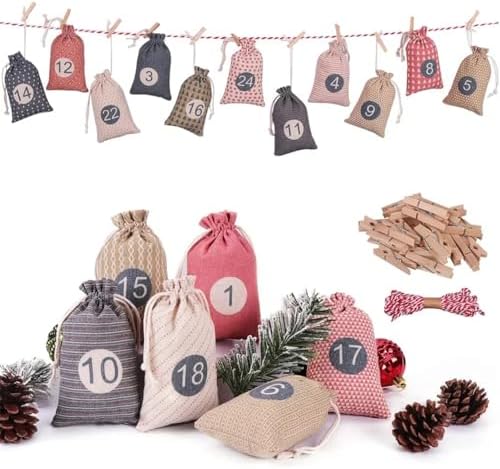
- Hang 24 mini envelopes on twine with tiny clothespins, number 1–24, and tuck in prompts.
- Or use a gratitude jar: pull one card a day.
- For classrooms, make a wall garland kids can add to over time.
- Keep a pencil, tape, and a few blank cards nearby so children can add their own ideas.
Helpful Supplies for a Reusable Calendar
Numbered bags, envelopes, mini clothespins, or a refillable calendar can save setup time. Measure the pockets before choosing fillers and reuse the same base next year.


15 Values-Based Advent Calendar Ideas (with how-tos parents actually need)
1) Gratitude Notes Calendar
What to do: Slip daily prompts into envelopes: “What made you smile today?” “Who helped you this week?”
Why it works: Creates a simple opportunity to notice and name positive moments.
Make it easy: Pre-write 10 prompts and repeat them; consistency beats novelty.
2) Kindness Challenge Calendar
What to do: Each day includes one tiny act—“Hold the door,” “Draw a thank-you picture for your teacher,” “Feed the birds.”
Why it works: Turns Advent into a season of giving, not just receiving.
Therapist tip: Let kids choose between two options to build agency.
3) Gratitude Jar Countdown
What to do: Add one gratitude slip to a jar daily; read them all on Christmas Eve.
Why it works: Kids see gratitude pile up—a visual of emotional growth.
Extend it: Start a fresh jar for the new year.
4) Memory Sharing Calendar
What to do: Pull a card that says, “Tell a story about… our funniest snack, grandpa’s hat, last snow day.”
Why it works: Family stories strengthen identity and connection.
Make it cozy: Share over hot cocoa; keep stories short and silly.
5) Affirmation Advent
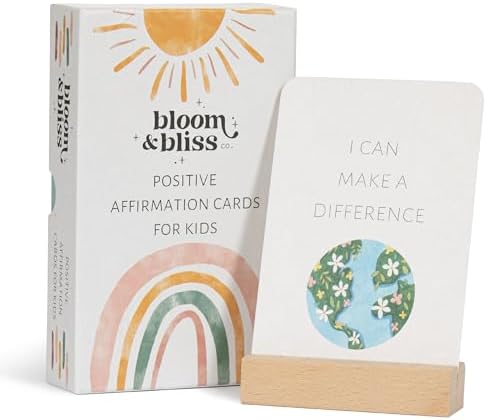
What to do: Pockets hold kid-friendly affirmations: “I am kind.” “I can try again.” “My feelings are important.”
Why it works: Offers short, repeatable language that children can discuss, adapt, or decline.
How to use: Say the card together, then ask, “When did you use this today?”
Ready-Made Gratitude and Kindness Cards
If writing 24 prompts feels like the step that will stop you from starting, use age-appropriate gratitude, kindness, or affirmation cards as a shortcut. Review the cards first and remove anything that does not suit your child or group.


6) Storytime Advent
What to do: Wrap 24 picture books (library + home) and open one nightly.
Why it works: Stories offer safe ways to explore emotions and empathy.
Reflection cue: “How do you think the character felt? What could help?”
7) Service-Oriented Advent
What to do: Daily service mini-tasks—“Pick up 3 pieces of litter,” “Donate one toy,” “Write a thank-you to a helper.”
Why it works: Builds responsibility and community care.
Parent tip: Take a photo of completed acts and make a tiny “Kindness Album.”
8) Gratitude Art Garland
What to do: Kids draw one small thing they’re grateful for on a card each day; string them as a garland.
Why it works: Externalizes gratitude in a visible, celebratory way.
Make it inclusive: Pictures work for pre-readers.
9) Family Reflection Questions
What to do: Cards with prompts like “Best part of today?” “What’s one way we helped each other?”
Why it works: Opens a daily conversation without pressure.
Routine idea: One question at dinner, keep answers to one sentence.
10) Gratitude Beads Bracelet
What to do: Add a bead daily; name one gratitude for each bead.
Why it works: A wearable reminder of positive moments.
Regulation add-on: Take three slow breaths while holding the bracelet.
Creative Fillers for Art and Bracelet Days
A small bead assortment, washable markers, stickers, or blank tags can support several calendar activities. For younger children, select larger age-appropriate pieces and supervise the activity.


11) Kindness Bingo
What to do: A 5×5 bingo sheet of kind acts; mark one box per day.
Why it works: Gamifies generosity and builds follow-through.
Motivation: Celebrate “BINGO!” with a family game night or winter walk.
12) Thank-You Advent
What to do: Prepare simple cards (kids illustrate; adults write). Deliver to teachers, neighbors, mail carriers.
Why it works: Practicing appreciation strengthens social skills and gratitude.
Social-emotional cue: “How do you think they’ll feel when they read this?”
13) Kindness Coupons
What to do: Kids create coupons they can give away: “Free hug,” “Helping hands,” “I’ll share my toy.”
Why it works: Empowers children to initiate connection on their terms.
Coach it: Model how to offer and how to receive a coupon graciously.
14) Journaling Prompts (Tweens/Teens)
What to do: Short, reflective prompts—“A time I kept trying,” “Someone I admire,” “A mistake I learned from.”
Why it works: Builds metacognition and values awareness.
Time-box: 3–5 minutes is enough; perfection not required.
15) Group Gratitude Advent (Classrooms/Counseling)
What to do: Each student adds one note to a shared board or jar daily. Read a few aloud.
Why it works: Creates a shared display of the moments group members choose to notice.
Safety note: Allow anonymous notes to reduce performance anxiety.
Conversation Starters (use anywhere)
- “What was the kindest thing someone did for you today?”
- “When did you feel proud of yourself?”
- “Who could use an extra bit of kindness tomorrow?”
- “What’s a tiny thing that made today better?”
- “If your feeling had a weather report, what would it be?”
24 Ready-to-Use Gratitude and Kindness Prompts
Print or copy these onto small cards. Mix reflection days with action days, and let children swap any prompt that feels uncomfortable or impractical.
- Name one small thing that made today easier.
- Draw a picture for someone who helps you.
- Invite someone to join your game or activity.
- Notice three colors outside.
- Thank someone for something specific.
- Choose one toy or book to donate with an adult’s help.
- Share a favorite family memory.
- Help with one small household or classroom job.
- Write or draw something you like about yourself.
- Leave a kind note for a classmate or family member.
- Take five slow breaths and notice how your body feels.
- Tell someone about a mistake that helped you learn.
- Make a paper ornament showing something you value.
- Offer someone a choice or let them go first.
- Name one sound that feels pleasant today.
- Read a winter story together.
- Pick up five pieces of litter with an adult.
- Draw a moment when you felt included.
- Make a coupon for helping with a future task.
- Ask someone what made them smile today.
- Choose a song that matches your mood.
- Name one thing you are looking forward to.
- Thank your body for something it helped you do.
- Choose your favorite prompt to repeat tomorrow.
Age & Setting Adaptations
- Preschool: Use pictures, stickers, and one-word prompts (“Thank you,” “Share,” “Help”).
- Elementary: Add choice (“pick one of two”) and simple writing or drawing.
- Tweens/Teens: Move to journaling, service projects, and peer-led ideas.
- Classrooms: Keep a community jar; rotate a daily “kindness captain.”
- Therapy offices: Close sessions by pulling a prompt to practice at home.
Safety, Inclusion, and Group Boundaries
- Follow age labels and avoid small beads, magnets, batteries, or other choking hazards for young children.
- Check allergies and school rules before including food, scented products, or shared craft supplies.
- Make speaking, writing, physical affection, photographs, and personal disclosure optional.
- Do not require gratitude toward a person or situation that made a child feel unsafe or uncomfortable.
- In counseling or classroom settings, choose prompts that fit your role, protect privacy, and do not single out a child.
Gentle Guidelines for Grown-Ups
- Keep it five minutes—consistency beats complexity.
- Praise effort and noticing, not outcomes.
- Model it: let kids see you write a gratitude or do an act of kindness.
- Miss a day? Skip the guilt. Pick one prompt and keep going.
FAQs
What if my child resists?
Offer choice (“pick one of these two”), start with micro-acts (30 seconds), and let children design a few prompts themselves.
Do we need special supplies?
No—paper scraps, crayons, and a jar work fine. Pretty envelopes and twine are wonderful but optional.
Can we include small gifts too?
Absolutely. Pair one tiny treat with a prompt to keep it playful.
How do I support anxious kids?
Use predictable routines, cue cards with pictures, and celebrate tiny wins. Keep language gentle and concrete.
More Advent and Christmas Activity Ideas
- Build the container with these DIY Advent calendar ideas.
- Add variety with non-candy Advent calendar fillers.
- Use a reflection-focused plan from the Mindful Advent Calendar.
- Try more seasonal projects from these mindful Christmas crafts for kids.
Closing Reflection
Advent doesn’t have to be all sugar and trinkets. When you weave in gratitude, kindness, and reflection, the countdown becomes a practical daily pause for conversation and connection. One note or small action is enough; the calendar should feel inviting, not like another December obligation.
Want more kid-friendly calm? Try our Winter Mindfulness Activities and Emotional Regulation Games for children.

About the Author
Hi, I’m Eve, a former school counselor with a master’s degree in School Psychology and a passionate advocate for children and families navigating sensory challenges. As a mom of children with sensory sensitivities, I deeply understand the journey special-needs parents face, and I dedicate myself to researching and sharing practical solutions to help children thrive and feel comfortable in their bodies. My goal is also to empower counselors, therapists, and psychologists with creative strategies and supportive resources to enrich their everyday practice. When I’m not writing or exploring new therapeutic approaches, you’ll find me spending quality time with my family and continually seeking inspiration from everyday moments.

