
Advent calendars aren’t just for kids at home — they can also bring warmth, reflection, and fun into therapy offices and classrooms. A well-designed calendar creates moments of connection, builds anticipation, and offers small rituals that support emotional wellbeing.
The key is to keep it inclusive, calming, and professional, while still bringing seasonal joy. Here are 15 DIY Advent calendar ideas perfect for therapy and school settings.
This post contains affiliate links. If you purchase through them, we may earn a commission at no extra cost to you.

Quick Planning Guide for Classrooms and Counseling Spaces
| Setting | Best format | Time target |
|---|---|---|
| Whole classroom | One shared envelope, wall calendar, or class jar | 3–8 minutes |
| Small group | Choice between two prompt cards or one shared creative task | 5–10 minutes |
| Individual session | One optional check-in, drawing, or take-home card | 2–5 minutes |
| Staff or family area | Self-directed prompt basket | Flexible |
Before preparing all 24 days, check your school or organization’s holiday policy, the ages in the group, available time, accessibility needs, and whether the calendar should use Christmas, winter, or neutral countdown language.
Start With a Reusable Calendar Base
Numbered envelopes, fillable bags, mini boxes, or a pocket chart keep the daily materials organized. Measure pockets before ordering and choose a format that can be stored for next year.
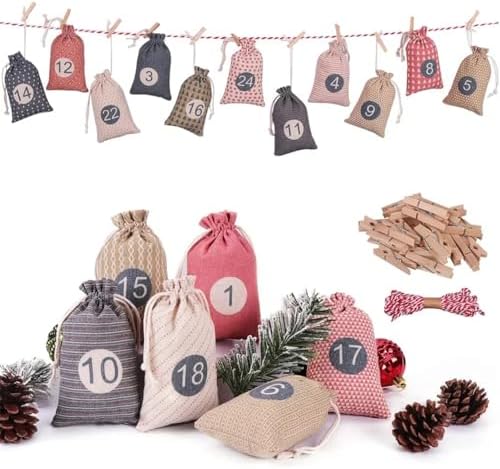


15 DIY Advent Calendar Ideas
1. Gratitude Wall Calendar
Pin 24 envelopes on a bulletin board. Each day, kids add a note of gratitude inside.
Why it works: Creates a visible collection of moments children choose to notice.
2. Kindness Challenge Calendar
Each pocket contains a small act of kindness (“Offer a compliment,” “Help a friend”).
Why it works: Gives the group one concrete opportunity to practice a helpful action.
3. Affirmation Advent
Fill bags or boxes with daily affirmations like “I am brave” or “I can stay calm.”
Why it works: Introduces short statements children can discuss, rewrite, or decline.
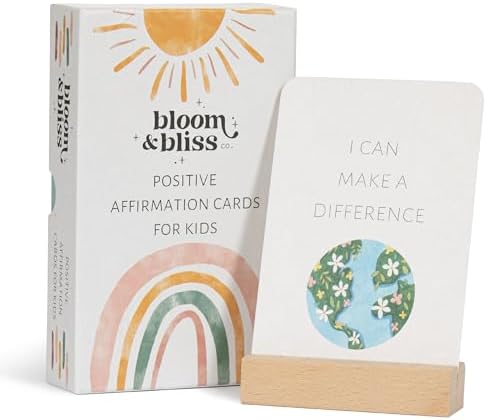
Optional Ready-Made Prompt Cards
Affirmation, coping-skill, or conversation cards can reduce preparation time. Review every card first, remove prompts that do not fit the group, and never require a child to agree with or repeat a statement.


4. Classroom Storytime Calendar
Wrap 24 picture books (new or borrowed). Unwrap one to read aloud each day.
Why it works: Adds a predictable shared reading moment to the countdown.
5. Art Prompt Calendar
Each day reveals a drawing or craft activity — from snowflakes to memory candles.
Why it works: Offers a brief visual activity with a clear beginning and end.
Shared Art Supplies for Prompt Days
Washable markers, blank tags, paper ornaments, and stickers can cover several calendar activities. A shared multipack is usually more practical than placing a separate item in every pocket.


6. Breathing Exercise Calendar
Each pocket has a simple visual breathing card (“Box Breathing,” “Bunny Breaths”).
Why it works: Introduces a simple breathing script that can be practiced without requiring participation.
7. SEL Question Calendar
Include reflective prompts like “What makes you feel safe?” or “Who do you admire?”
Why it works: Provides a predictable prompt for optional classroom or group discussion.
8. Memory Ornament Calendar
Provide blank paper ornaments for kids to decorate with drawings of people, pets, or happy memories. Hang on a small tree.
Why it works: Gives children a visual alternative to speaking or writing.
9. Movement Calendar
Each day features a short movement break: stretches, dance, or yoga pose.
Why it works: Offers a short movement break before returning to the next activity.
10. Positive Notes Advent
Give each student one uplifting note or compliment from the teacher/therapist.
Why it works: Ensures each child receives a specific, appropriate note from an adult.
11. Acts of Service Calendar
Each day highlights a group act (make thank-you cards for janitors, bring kindness notes to staff).
Why it works: Turns a shared value into one manageable group action.
12. Mindful Coloring Calendar
Daily mandalas or seasonal images to color during quiet time.
Why it works: Creates a scheduled quiet drawing option for interested children.
Low-Preparation Coloring Options
For days when preparation time is limited, use age-appropriate winter coloring sheets or a classroom coloring book. Offer drawing or quiet observation as alternatives.


13. DIY Puzzle Calendar
Cut a class picture into 24 pieces. Add one piece daily until it’s complete.
Why it works: Creates a shared project that changes visibly each day.
14. Journal Prompt Advent
Provide short writing prompts like “What made me laugh today?”
Why it works: Offers a short structure for private writing or optional discussion.
15. Celebration Jar Calendar
Each day, pull out a slip with a small celebration idea (listen to a song, do a cheer, share one good thing).
Why it works: Adds a brief celebratory option that can be adapted to the group.
24 Quick Activity Cards to Print or Copy
These short prompts work as a complete countdown or as replacements for activities above. Keep participation optional and adapt the language to your setting.
- Draw something that made today easier.
- Thank someone for a specific helpful action.
- Choose a one-minute stretch for the group.
- Add a paper ornament to the class display.
- Name one way to include someone.
- Read a short winter story together.
- Notice three colors in the room.
- Create a thank-you card for a staff member.
- Choose between a breathing card and a movement card.
- Draw a safe or comfortable place.
- Share or write one thing you learned this week.
- Complete one piece of a group puzzle.
- Offer a classmate a helpful choice.
- Listen to one winter song.
- Write an anonymous kind note.
- Color or doodle quietly for three minutes.
- Name one thing you want to practice.
- Help organize one shared classroom item.
- Choose a favorite positive memory to draw.
- Try a silent group cheer or hand signal.
- Write a question you are curious about.
- Pick one act of service for the group.
- Celebrate one small group accomplishment.
- Vote on one favorite prompt to repeat.
Professional, Safety, and Inclusion Checks
- Use neutral winter or countdown language when required by school policy or when serving children from varied religious backgrounds.
- Make personal sharing, eye contact, physical touch, breathing exercises, and public participation optional.
- Avoid public behavior rankings, forced compliments, diagnostic language, or prompts about trauma, family conflict, grief, or safety.
- Follow age labels and supervise small parts, magnets, batteries, scissors, and sensory materials.
- Check allergies, scent sensitivities, accessibility needs, confidentiality, and photo permissions before planning activities.
Tips for Using Advent Calendars in Therapy & Classrooms
- Keep activities short and simple — under 10 minutes.
- Focus on non-religious themes if needed (gratitude, kindness, mindfulness).
- Use visuals like cards, jars, or posters to make the countdown engaging.
- Encourage participation without pressure — let kids choose if they want to share.
Related Holiday and Winter Activities
- Use these holiday SEL activities for kids throughout December.
- Find family-friendly prompts in Advent calendar ideas for kids.
- Add art days with these mindful Christmas crafts for kids.
- Include active breaks from winter brain breaks for kids.
Final Thoughts
Advent calendars don’t have to be limited to candy. In therapy offices and classrooms, they can organize brief opportunities for gratitude, kindness, creativity, movement, and reflection. The strongest calendar is simple enough to use consistently and flexible enough for children to participate in different ways.
Choose a format that fits your actual schedule, prepare the cards in batches, and keep a few blank replacements nearby for days when the planned activity no longer suits the group.

About the Author
Hi, I’m Eve, a former school counselor with a master’s degree in School Psychology and a passionate advocate for children and families navigating sensory challenges. As a mom of children with sensory sensitivities, I deeply understand the journey special-needs parents face, and I dedicate myself to researching and sharing practical solutions to help children thrive and feel comfortable in their bodies. My goal is also to empower counselors, therapists, and psychologists with creative strategies and supportive resources to enrich their everyday practice. When I’m not writing or exploring new therapeutic approaches, you’ll find me spending quality time with my family and continually seeking inspiration from everyday moments.

