
This post may contain affiliate links, including Amazon Associate links. If you make a purchase through these links, I may earn a small commission at no extra cost to you.
Children do not magically learn how to manage emotions.
They learn through repetition, relationships, play, movement, co-regulation, and everyday emotional experiences with supportive adults.
That’s why feelings and emotions activities can be so powerful.
When children are given playful opportunities to recognize emotions, name them, express them safely, and practice calming strategies, they slowly begin building emotional intelligence from the inside out. Over time, these experiences help children strengthen self-awareness, communication skills, empathy, impulse control, and emotional regulation.
And in today’s overstimulating world, many children need these supports more than ever.
Big emotions often show up as:
- meltdowns
- aggression
- shutdowns
- crying
- impulsive behavior
- perfectionism
- anxiety
- difficulty transitioning
- trouble communicating needs
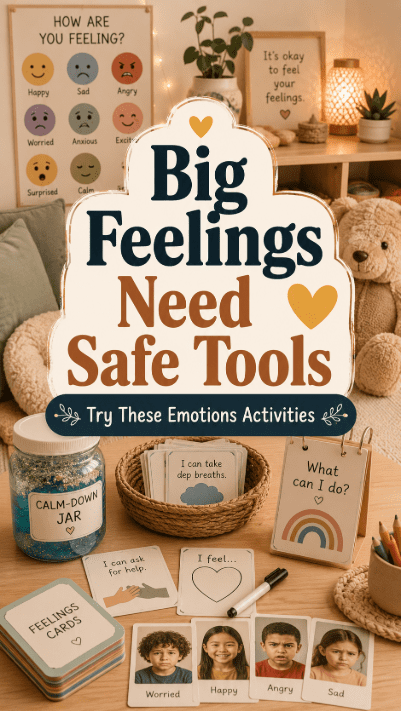
Sometimes adults see “bad behavior,” but underneath it may simply be an overwhelmed nervous system that does not yet have the words or tools to cope.
The good news is that emotional skills can be taught.
And they are often taught best through simple, engaging, hands-on activities that children actually enjoy.
In this guide, you’ll find meaningful feelings and emotions activities for kids that support emotional regulation in real-life ways — whether you are a parent, teacher, school counselor, therapist, or caregiver.
These activities are designed to help children:
- identify emotions
- build emotional vocabulary
- express feelings safely
- practice calming skills
- strengthen empathy
- improve self-control
- develop emotional resilience
Many of these ideas also work beautifully in:
- classrooms
- calm-down corners
- counseling offices
- homeschool environments
- therapy waiting rooms
- preschool settings
- SEL groups
Why Feelings Activities Matter More Than Ever
Many children today are growing up in environments filled with:
- fast stimulation
- screens
- noise
- rushed routines
- academic pressure
- social stress
- emotional overwhelm
At the same time, emotional regulation is one of the most important predictors of long-term wellbeing, relationships, learning, and mental health.
Children who can recognize and communicate emotions are often better able to:
- solve problems
- build friendships
- manage frustration
- recover from stress
- ask for help
- tolerate disappointment
- focus in school
Emotional intelligence is not “extra.”
It is foundational.
And one of the most effective ways to teach emotional skills is through playful emotional learning experiences that feel safe, interactive, and emotionally supportive.
How Feelings Activities Support the Nervous System
One reason emotions activities work so well is because they help children move emotional experiences from the body into language and awareness.
Young children especially often experience emotions physically before they understand them cognitively.
For example:
- anxiety may feel like stomach pain
- anger may feel hot and explosive
- sadness may feel heavy and tired
- excitement may feel fast and wiggly
Activities that include:
- movement
- visuals
- sensory experiences
- role-play
- storytelling
- creativity
- facial expression practice
can help children slowly connect body sensations with emotional understanding.
This process reduces overwhelm and builds emotional regulation over time.
1. Feelings Charades
How to Play
Write different emotions on cards:
- excited
- nervous
- disappointed
- frustrated
- proud
- worried
- embarrassed
- calm
One child acts out the feeling silently while others guess the emotion.
You can also discuss:
- what clues helped identify the feeling
- when someone might feel that way
- what support could help
Why It Works
Children learn emotional recognition through facial expressions, posture, and body language.
This strengthens:
- empathy
- emotional awareness
- perspective-taking
- social communication
Best For
- classrooms
- counseling groups
- family game nights
- SEL lessons
2. Emotion Sorting With Real-Life Scenarios
Activity Idea

Create cards with everyday situations like:
- losing a favorite toy
- getting invited to a birthday party
- being left out
- trying something new
- hearing thunder at night
- getting praised by a teacher
Children sort each situation into emotion categories.
Then ask:
“What might someone feel in this situation?”
Why This Activity Is Powerful
Children begin understanding that:
- different people may react differently
- emotions are connected to experiences
- feelings are normal and understandable
This builds emotional flexibility and empathy.
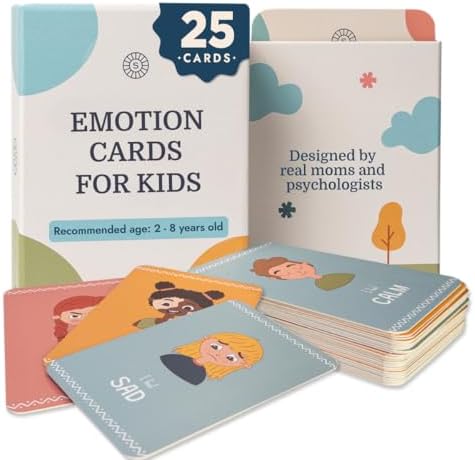
- 25 Emotion Cards for Kids – Includes 25 emotions flash cards for kids with expressive, colorful illustrations that help …
- Essential Skill Development: Build emotional intelligence with emotion flash cards for toddlers; this big feelings deck …
- Child-Safe Design: Crafted from high-quality materials, this feelings flash cards deck is safe & durable for toddlers; r…
3. Calm-Down Glitter Jar
Materials
- clear jar or bottle
- warm water
- glitter glue
- loose glitter
Shake the jar and watch the glitter slowly settle.
Emotional Connection
Explain:
“Sometimes our thoughts and feelings swirl around like glitter. When we slow down and breathe, our minds slowly become calmer too.”
Why It Helps
This activity supports:
- mindfulness
- emotional slowing
- visual calming
- breathing practice
Children often respond especially well to visual calming tools because they externalize internal emotional experiences.
4. Feelings Check-In Board
A feelings check-in board can become one of the most effective emotional regulation tools in homes or classrooms.
How to Create It
Use:
- emotion faces
- colored zones
- magnets
- clothespins
- Velcro emotion cards
Children move their marker to show how they feel.
Why This Helps Children
Many children struggle to verbally initiate emotional conversations.
Visual check-ins reduce pressure and create emotional safety.
Over time, children begin:
- noticing internal states more quickly
- communicating emotions earlier
- asking for support before escalation
This can dramatically reduce emotional explosions.

- PRESCHOOL & CLASSROOM EMOTIONAL LEARNING TOOL: This Feelings Chart is a complete preschool teacher supply designed to su…
- KINDERGARTEN CALM DOWN CORNER ESSENTIAL: Perfect for calm down corner and classroom behavior support, this emotion chart…
- SOCIAL EMOTIONAL LEARNING & SPECIAL EDUCATION SUPPORT: Designed for social emotional learning (SEL) activities, this vis…
5. Emotion Art Activities
Art allows children to communicate emotions that may feel too difficult to explain verbally.
Ideas
- draw what anger looks like
- paint calm colors
- create “inside my heart” collages
- use clay to shape emotions
- create “worry monsters”
Why Art Supports Emotional Regulation
Creative activities activate emotional expression without requiring perfect language skills.
This is especially helpful for:
- shy children
- anxious children
- neurodivergent children
- children processing stress or change
Art also naturally slows the nervous system.
6. Movement-Based Feelings Activities
Many children regulate emotions through movement before they can regulate through conversation.
That’s why movement-based SEL activities can be incredibly effective.
Try:
- emotion freeze dance
- animal walks for feelings
- stomp like angry feet
- float like calm clouds
- jump for excitement
- yoga emotion poses
Why Movement Helps
Movement:
- releases stress energy
- improves body awareness
- supports sensory regulation
- reduces emotional buildup
Children often process emotions more effectively when the body is involved.
7. Storytelling With Feelings Questions
Pause during books or movies and ask:
- “How do you think this character feels?”
- “What clues tell us that?”
- “What could help them?”
- “Have you ever felt that way?”
Why This Works
Stories create emotional distance, making feelings feel safer to discuss.
Children often reveal their own emotions indirectly through fictional characters.
This activity strengthens:
- empathy
- emotional vocabulary
- emotional reflection
- perspective-taking
8. Coping Skills Toolbox
Create a physical box filled with calming tools.
Include:
- fidgets
- breathing cards
- stress balls
- sensory items
- calming pictures
- positive affirmations
- headphones
- chew necklaces
- grounding prompts

- Feelings check-in: Turn big emotions into something kids can name, color, move through, and talk about with a bright emo…
- Build your best you: This toolbox helps kids practice emotional awareness, confidence, acceptance, positivity, social sk…
- Loaded with activities: Includes a colorful feelings journal, dry-erase markers, positive puzzle, emotion spinner, yoga …
Why It Helps
Children begin learning:
“I can do something when I feel overwhelmed.”
That belief is powerful.
It shifts children from helplessness toward emotional competence.
This type of activity works especially well in:
- classrooms
- therapy offices
- calm corners
- bedrooms
You may also enjoy reading:
- https://eveyou.eu/simple-diy-sensory-tools-and-techniques-for-adults
- https://eveyou.eu/building-emotional-resilience-brick-by-brick-how-to-use-a-lego-wall-in-therapy-and-at-home
- https://eveyou.eu/creative-craft-ideas-to-help-children-express-anger
9. Feelings Scavenger Hunt
Activity Example
Ask children to find:
- something that feels calming
- something that reminds them of happiness
- a color that matches anger
- something soft when they feel sad
Why This Is Effective
This activity combines:
- movement
- sensory processing
- emotional reflection
- environmental awareness
It also helps children understand that environments influence emotions.
10. Morning Emotions Routine
Many emotional struggles begin before school even starts.
Simple morning emotional check-ins can help children feel emotionally grounded before the day begins.
Try:
- “What emotion are you bringing today?”
- “What might help you today?”
- “What is one thing you’re looking forward to?”
Why Morning Emotional Routines Matter
These routines:
- increase emotional awareness
- reduce anxiety
- improve transitions
- strengthen parent-child connection
- support classroom readiness
Even two minutes of emotional connection can make a significant difference.
How to Use Feelings Activities During Emotional Meltdowns
One common mistake adults make is trying to teach emotional skills during peak dysregulation.
But children often cannot access logic or learning when overwhelmed.
During meltdowns, focus first on:
- safety
- calm presence
- co-regulation
- reducing stimulation
Feelings activities work best:
- before emotional escalation
- after calming down
- during predictable routines
- as preventative support
Emotional regulation develops gradually through repeated experiences of feeling emotionally safe and understood.
Feelings Activities for Children With ADHD or Anxiety
Children with ADHD or anxiety often need:
- more repetition
- more movement
- visual supports
- shorter activities
- sensory input
- emotional predictability
Helpful modifications include:
- using timers
- incorporating movement breaks
- using visuals instead of long explanations
- practicing emotions through play
- repeating routines consistently
Many neurodivergent children benefit from emotionally supportive environments that reduce shame and increase emotional understanding.
Creating an Emotionally Supportive Environment
Activities alone are not enough.
Children also need emotionally safe environments where feelings are accepted without fear or punishment.
This does not mean allowing harmful behavior.
It means helping children understand:
- emotions are normal
- all feelings are allowed
- behavior still has boundaries
- emotions can be expressed safely
That combination builds emotional resilience.
Helpful Tools That Can Support Feelings Activities
This post may contain affiliate links, including Amazon and selected partner links. If you make a purchase through these links, I may earn a small commission at no extra cost to you.
Helpful items that naturally support emotional learning activities include:
- emotion flashcards
- sensory bins
- calm-down corner furniture
- weighted lap pads
- visual timers
- SEL books
- breathing boards
- fidget tools
- emotion posters
- soft lighting for calming spaces
These tools work best when paired with supportive adult connection and consistent emotional coaching.
Final Thoughts
Teaching emotions is not about making children “perfectly calm.”
It is about helping them slowly understand:
- what they feel
- why they feel it
- what helps
- how to communicate safely
- how to recover from emotional overwhelm
That learning takes time.
And often, it happens through ordinary playful moments repeated again and again.
The beautiful thing about feelings and emotions activities is that they do much more than entertain children.
They help children feel:
- seen
- understood
- emotionally safe
- capable
- connected
And those experiences can shape emotional wellbeing for years to come.
FAQ
What are the best feelings and emotions activities for preschoolers?
The best activities for preschoolers usually include movement, visuals, storytelling, songs, pretend play, and sensory experiences. Young children learn emotions best through hands-on experiences rather than long explanations.
How do emotions activities help emotional regulation?
Emotions activities help children identify feelings, connect body sensations with emotions, practice calming strategies, and communicate emotional needs earlier before becoming overwhelmed.
Why do some children struggle to express emotions?
Children may struggle with emotional expression because emotional vocabulary develops gradually. Anxiety, ADHD, sensory sensitivities, stress, trauma, or limited emotional modeling can also make emotional communication harder.
What are good calm-down activities for kids?
Helpful calm-down activities include breathing exercises, sensory play, movement breaks, glitter jars, stretching, calming music, weighted tools, and visual regulation supports.
How often should children practice emotional regulation activities?
Short daily emotional check-ins and playful SEL activities are often more effective than occasional long lessons. Emotional regulation develops through repetition and consistency over time.
What is the difference between feelings and emotions for kids?
Emotions are automatic reactions in the brain and body, while feelings are the conscious experience and interpretation of those emotions. For children, both concepts are often taught together through emotional vocabulary activities.

About the Author
Hi, I’m Eve, a former school counselor with a master’s degree in School Psychology and a passionate advocate for children and families navigating sensory challenges. As a mom of children with sensory sensitivities, I deeply understand the journey special-needs parents face, and I dedicate myself to researching and sharing practical solutions to help children thrive and feel comfortable in their bodies. My goal is also to empower counselors, therapists, and psychologists with creative strategies and supportive resources to enrich their everyday practice. When I’m not writing or exploring new therapeutic approaches, you’ll find me spending quality time with my family and continually seeking inspiration from everyday moments.

