

Author name: eveyou.eu

About the Author Hi, I'm Eve, a former school counselor with a master's degree in School Psychology and a passionate advocate for children and families navigating sensory challenges. As a mom of children with sensory sensitivities, I deeply understand the journey special-needs parents face, and I dedicate myself to researching and sharing practical solutions to help children thrive and feel comfortable in their bodies. My goal is also to empower counselors, therapists, and psychologists with creative strategies and supportive resources to enrich their everyday practice. When I'm not writing or exploring new therapeutic approaches, you'll find me spending quality time with my family and continually seeking inspiration from everyday moments.

Understanding Emotional Intelligence: A Beginner’s Guide

Emotional intelligence is the ability to recognize, understand, manage, and use your own emotions in positive ways. It also involves recognizing and understanding the emotions of the people around you. Unlike traditional forms of intelligence—such as solving math problems or remembering facts—emotional intelligence is all about how you handle feelings and build relationships.

The concept of emotional intelligence first gained attention in the 1990s when psychologists Peter Salovey and John Mayer introduced it as a way to explain how people use emotional information to guide their thinking and actions. Later, science journalist Daniel Goleman popularized the idea with his bestselling book, Emotional Intelligence: Why It Can Matter More Than IQ. Goleman’s work helped many people see that being “emotionally smart” can be just as important as being “book smart.”

In simple terms, emotional intelligence is like having a “feelings toolkit” that helps you:

Recognize your emotions: Knowing what you’re feeling.

Understand your emotions: Figuring out why you feel that way.

Manage your emotions: Keeping your feelings in check when things get tough.

Use your emotions: Letting your feelings help you make better decisions and connect with others.

Recognize others’ emotions: Noticing how people around you feel.

Understanding Emotional Intelligence: A Beginner’s Guide Read More »
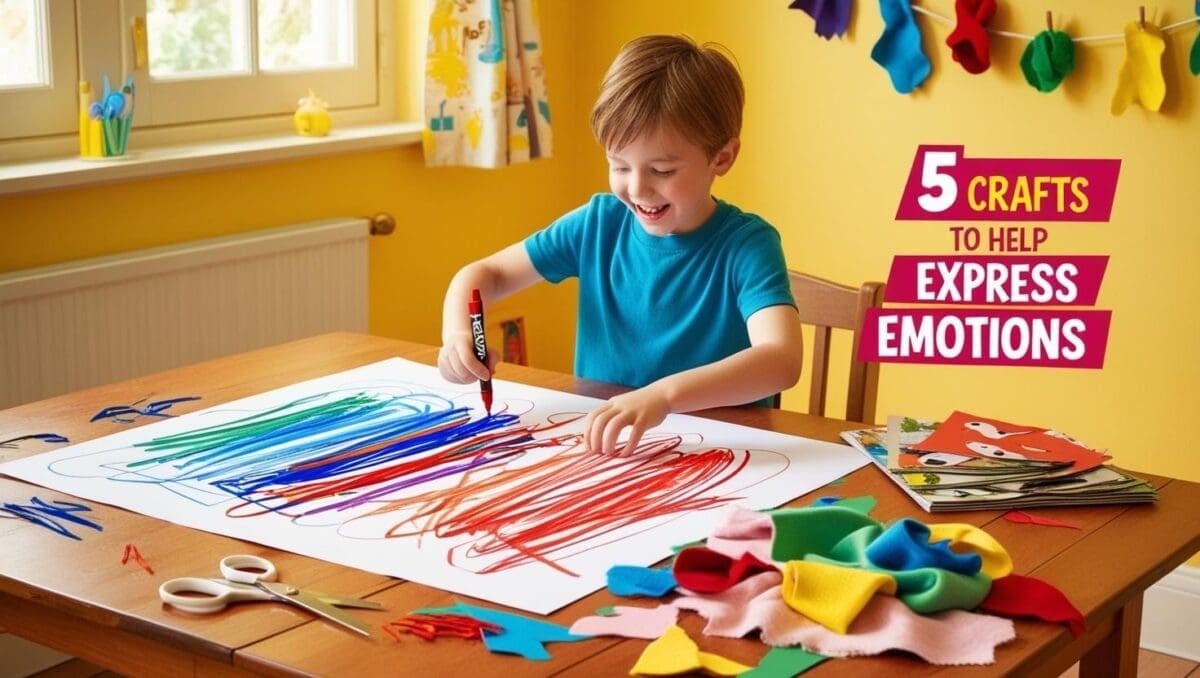
Creative Craft Ideas to Help Children Express Anger

Anger is a natural emotion that—even in children—can be both overwhelming and confusing. When kids struggle to articulate their feelings, their anger may manifest through disruptive behavior, frustration, or even internalized sadness. Creative crafts offer a safe, hands-on way for children to externalize and process their anger, transforming raw emotion into something tangible. In this article, we’ll explore practical, trusted craft ideas designed to help children express anger in a healthy, constructive way. Whether you’re a parent, teacher, or therapist, these ideas can serve as powerful tools in helping children understand and regulate their emotions.

Creative Craft Ideas to Help Children Express Anger Read More »

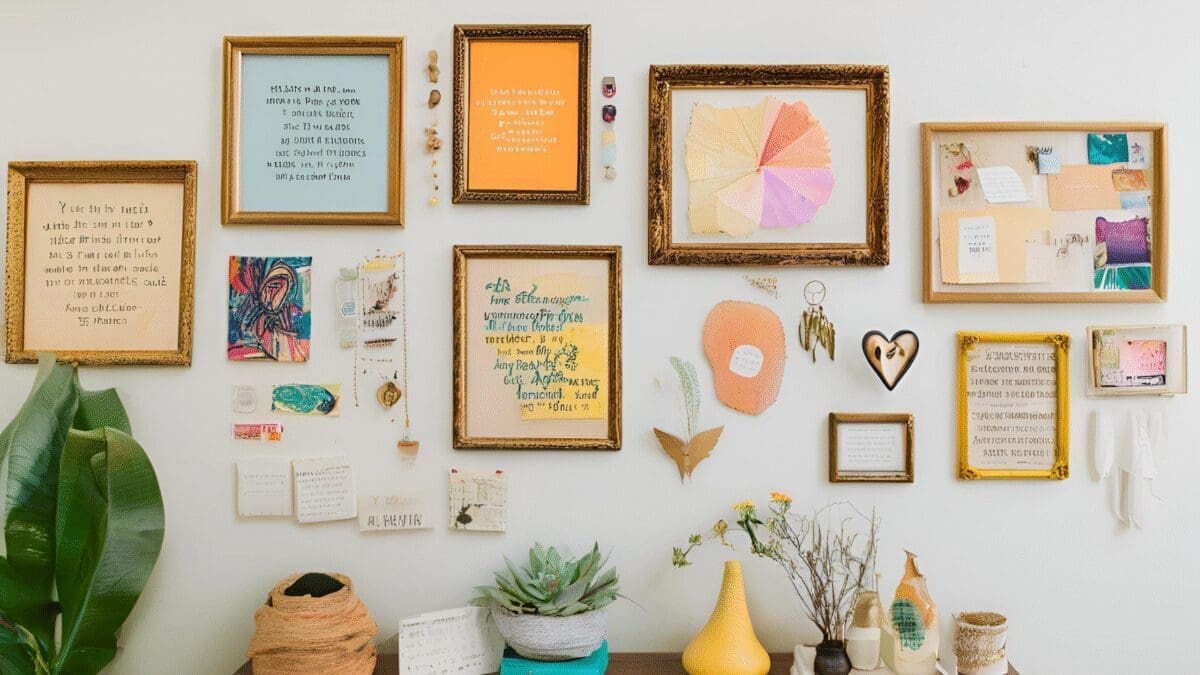
Therapy office with neutral walls and budget‑friendly wall décor accents

5 Budget-Friendly Ways to Upgrade Your Counseling Office Decor

A welcoming, comfortable counseling office is key to creating a safe, calming space for clients. However, upgrading your decor doesn’t need to be expensive. With a little creativity and some DIY spirit, you can transform your office into an inviting haven that reflects both professionalism and warmth. In this article, we share five budget-friendly ways to elevate your counseling office decor with actionable tips, inspiring before-and-after images, and fun DIY projects.

5 Budget-Friendly Ways to Upgrade Your Counseling Office Decor Read More »

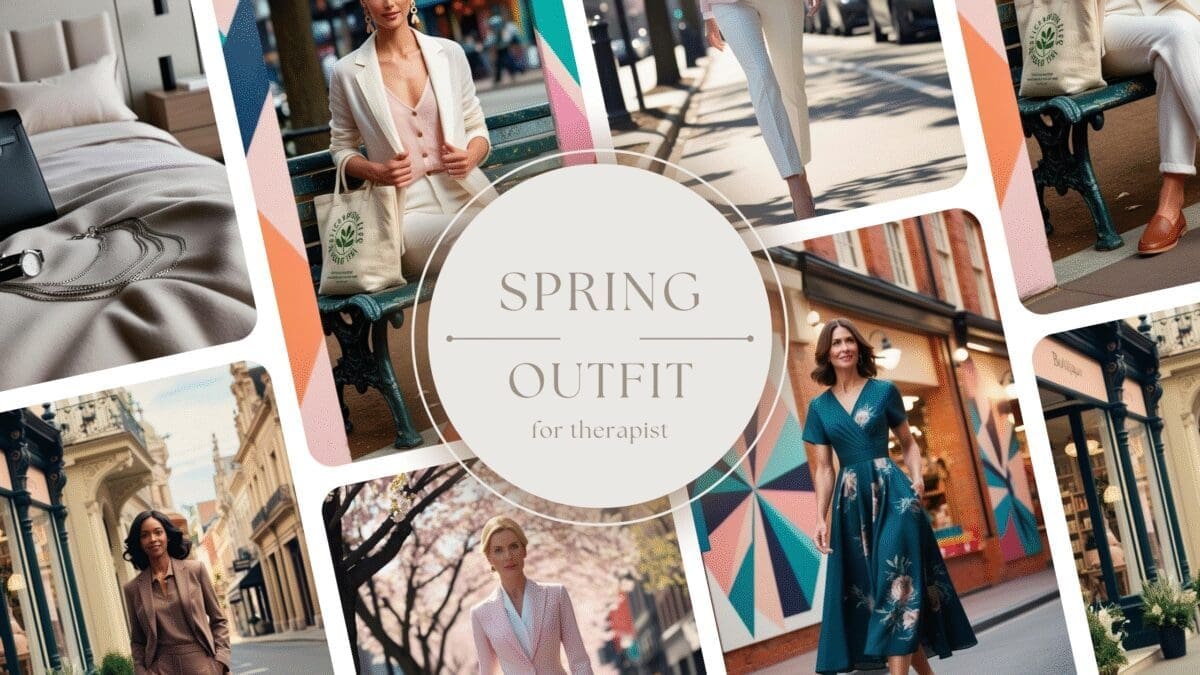
Ultimate Professional Outfit Ideas for Therapists – Spring Edition

Spring is a season of transformation, renewal, and vibrant energy—a time when nature bursts forth in brilliant hues and fresh styles. For therapists, counselors, and psychologists, the way you dress isn’t just about fashion; it’s about crafting an atmosphere of calm, trust, and rejuvenation. In a profession dedicated to fostering personal growth and healing, your wardrobe can play a subtle yet powerful role in creating a welcoming environment. With that in mind, this spring edition style guide offers practical and stylish outfit ideas that blend seasonal trends with the professionalism required in therapeutic settings.

Ultimate Professional Outfit Ideas for Therapists – Spring Edition Read More »

Feature image of a school counselor’s office with educational tools for understanding primitive reflexes, including flashcards, sensory toys, and a child development checklist on a table.

10 Must-Know Insights on Primitive Reflexes for School Counselors

Understanding primitive reflexes can offer school counselors a powerful tool for recognizing underlying causes of behavioral, motor, and learning difficulties in students. When these early reflexes persist beyond infancy, they can subtly—or sometimes dramatically—affect classroom performance. Here are 10 essential insights, each expanded with detailed explanations and practical examples, to help you support your students more effectively.

10 Must-Know Insights on Primitive Reflexes for School Counselors Read More »

Child practicing primitive reflex integration movements in a warm, child-friendly therapy space with sensory props and gentle guidance.

Primitive Reflex Integration in Children: A Key to Unlocking Better Behavior, Learning, and Emotional Well-Being

Primitive reflexes are the automatic, involuntary movements that all infants are born with. They serve vital survival and developmental functions early in life. By the time a child reaches about six months old, these reflexes should naturally be integrated—or “inhibited”—as higher brain centers assume control of voluntary movement. When primitive reflexes persist beyond infancy, they can interfere with a child’s development and contribute to challenges such as ADHD, anxiety, learning disorders, and social-emotional difficulties.

This article explains what primitive reflex integration is, outlines how retained reflexes can impact behavior and learning, and details safe, engaging exercises that help integrate these reflexes. We also include real-life examples and authoritative references to support mental health professionals, educators, and parents in providing complex, effective help for children.

Primitive Reflex Integration in Children: A Key to Unlocking Better Behavior, Learning, and Emotional Well-Being Read More »

Therapeutic Swings for Child Therapists: A Key to Nervous System Regulation

Therapeutic swings have become a beloved tool in child therapy, offering a fun yet powerful way to support kids’ emotional and physical needs. These specialized swings go beyond playground fun – they are used by occupational and child therapists to help regulate children’s nervous systems and improve sensory integration. Therapists working with children who have ADHD, anxiety, autism, or sensory processing challenges often find that a swing can work wonders in calming a child or helping them focus. The gentle motion of swinging provides soothing vestibular input (sense of balance and movement) that can neutralize sensory disruptions and create a sense of safety. In practice, this means a child who starts a session feeling anxious or “wiggly” might relax and engage more readily after a few minutes in a therapy swing. Parents and therapists alike are recognizing that these swings aren’t just for fun – they’re valuable tools for nervous system regulation, which is the foundation for any effective therapy or learning experience.

Therapeutic Swings for Child Therapists: A Key to Nervous System Regulation Read More »

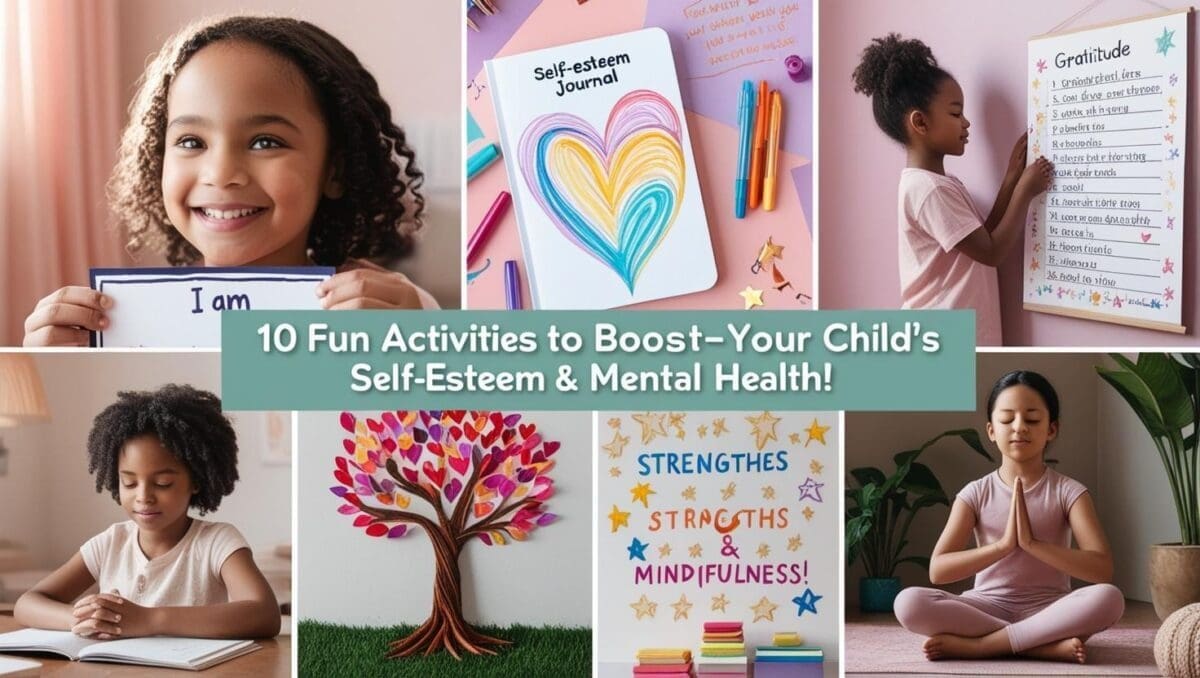
10 Fun Mental Health Activities to Promote Positive Self-Esteem in Children

Every child deserves to feel confident and proud of who they are. But with the ups and downs of growing up, many children struggle with self-doubt or low self-esteem. As caregivers, parents, and educators, it’s essential to help children build a positive self-image that empowers them to navigate life’s challenges. The following 10 fun and engaging activities are designed to boost self-esteem in children, foster their emotional growth, and create lasting positive habits. Let’s dive into these creative ways to promote confidence and self-love!

10 Fun Mental Health Activities to Promote Positive Self-Esteem in Children Read More »

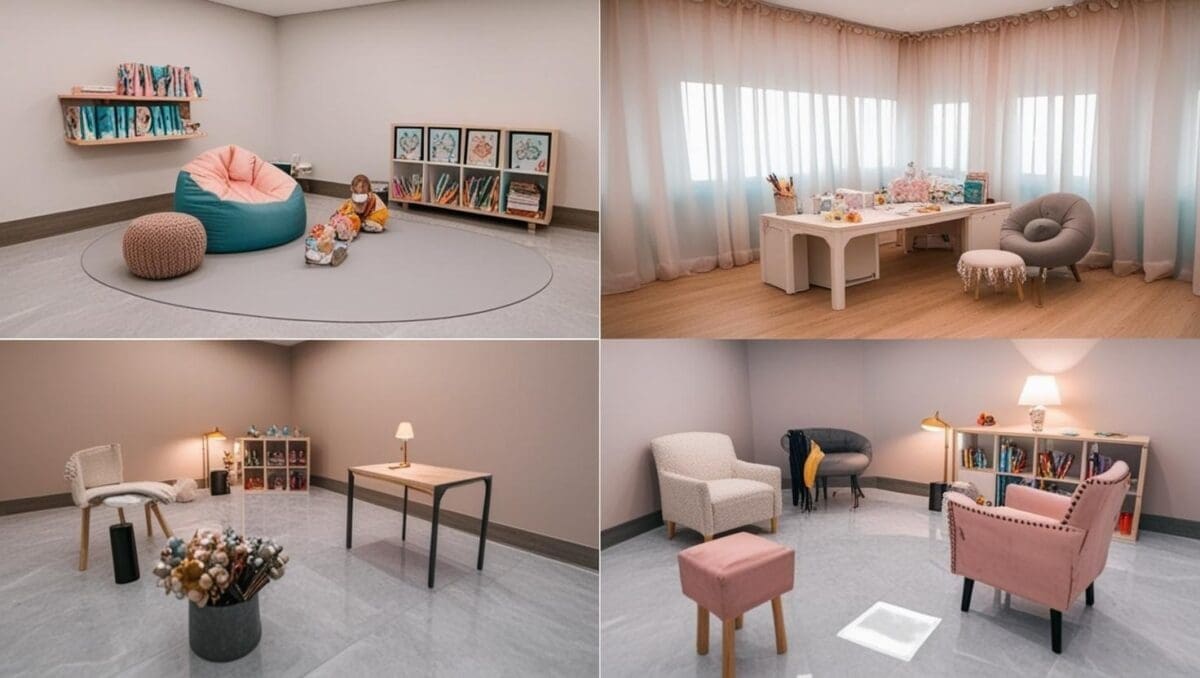
7 Inspiring Ways to Transform Your Child Therapy Office Decor

Creating a welcoming and supportive environment in a child therapy office is essential for building trust and comfort. A thoughtfully designed space not only reduces anxiety but also encourages creativity, self-expression, and healing. Below is a listicle with actionable steps to recreate an inviting child therapy office decor style. Each tip comes with detailed illustration prompts that can help you visualize the final outcome. This guide will walk you through color palettes, furniture choices, playful decor, and interactive elements – all designed to create a serene yet stimulating environment for young clients.

7 Inspiring Ways to Transform Your Child Therapy Office Decor Read More »

7 Creative Date Planning Tips: A Guide for Gen Z Women to Nurture Love and Wellness

Imagine transforming an ordinary date into an unforgettable journey that sparks joy and nurtures your mind and spirit. As a Gen Z woman who thrives on creativity and self-care, your date planning can be both a fun and therapeutic adventure. This guide is designed with actionable steps, engaging language, and a listicle format to inspire you to plan dates that create memorable experiences while supporting your mental wellness. Whether you’re looking to break free from routine or infuse mindful creativity into your relationship, these tips are crafted to resonate with your unique lifestyle.

7 Creative Date Planning Tips: A Guide for Gen Z Women to Nurture Love and Wellness Read More »

Scroll to Top