
Advent calendars are one of the sweetest Christmas traditions — but they don’t have to be all about sugar. For many kids (and adults), December can feel like a blur of sweets, noise, and overstimulation. A calm, thoughtful Advent calendar can gently slow the pace down again.
Whether you’re counting down to Christmas with your family, your classroom, or therapy clients, an Advent calendar can become a mindful daily ritual. Each little pocket or envelope is a chance to pause, breathe, and notice something good — not just grab another treat.
Instead of chocolate, fill each day with a tiny surprise that makes someone smile, think, or slow down. The ideas below blend creativity, emotional wellbeing, and festive fun — gentle enough for sensitive nervous systems and engaging enough for excited kids.
In this guide, you’ll find non-candy Advent calendar fillers for families, classrooms, and therapy settings — from gratitude prompts and art activities to self-care tokens and just-for-fun goodies.
It’s important to disclose that this blog post contains affiliate links. This means that if you make a purchase through these links, we may earn a commission at no additional cost to you.

Who this guide is for: parents, teachers, school counselors, child therapists, and anyone who wants their Advent calendar to feel calmer, more intentional, and less sugar-focused.
🌿 Why Non-Candy Advent Calendars Matter
Swapping sweets for meaningful moments isn’t about being strict — it’s about protecting energy, focus, and emotional balance in a very stimulating season.
- They teach presence, not just anticipation. Each window becomes a mindful pause instead of a sugar rush.
- They’re inclusive. Ideal for classrooms, therapy offices, or anyone avoiding sweets.
- They nurture connection. Shared activities (like kindness or gratitude notes) spark conversation and warmth.
- They support mental health. Gentle sensory experiences and affirmations help calm overstimulated minds during the holidays.
For anxious or neurodivergent kids, a non-candy calendar can become a predictable daily ritual: same time, same rhythm, a small grounding task. That sense of structure is often more regulating than any chocolate could be.
Therapist note: When possible, open the day’s envelope together, read it slowly, and let kids share their reactions. The conversation is the real gift.
🪄 How to Make a Non-Candy Advent Calendar
Before we dive into filler ideas, here’s a simple way to set up a reusable, budget-friendly Advent calendar that works at home, in the classroom, or in a therapy office.
You’ll Need:
- 24 small envelopes, muslin bags, or mini boxes
- Number stickers or tags (1–24)
- A basket, garland, bulletin board, or wall display
- Your chosen fillers (paper notes, small items, or tokens)
Step-by-step setup:
- Choose a display style that fits your space — a simple basket, a hanging garland, or numbered envelopes on a wall.
- Label each envelope or bag from 1 to 24. Keep the design simple and calming rather than visually overwhelming.
- Sort fillers into categories (mindfulness, crafts, self-care, family fun) so you can balance “quiet” days with more active ones.
- Slip one card or item into each envelope. For classrooms, consider repeating a few “regulation favorites” more than once.
- Choose a time of day to open the calendar — morning circle, after school, or at the start of a session — and stick to it.
Assembly Tip:
Hang envelopes on twine with wooden clips for a minimalist look, or fill a decorative jar and pull one card per day. If using with children, add a mix of fun + reflection + creativity to keep balance.
Regulation idea: Pair the daily reveal with the same short grounding exercise — a deep breath, a stretch, or a “shake it out” movement before reading the card.
🌸 Mindful & Meaningful Fillers
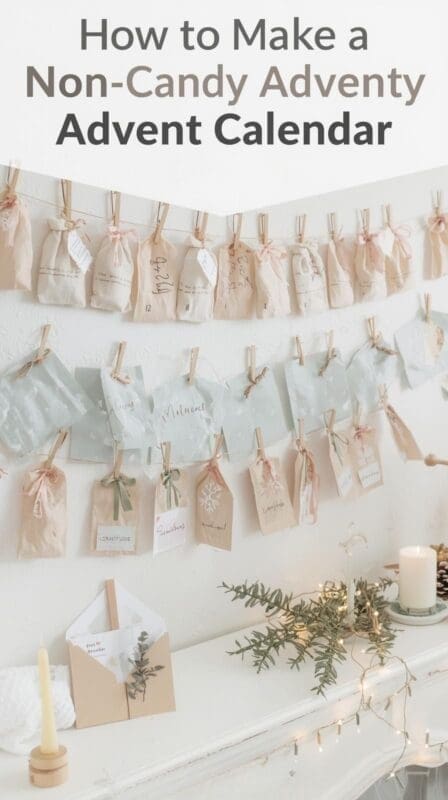
These tiny prompts are designed to slow everyone down. They help kids and adults notice small moments of joy, safety, and connection — especially helpful after long school days or busy therapy schedules.
Ideas to Include:
- Small gratitude notes (“I’m thankful for our bedtime stories”).
- Daily affirmations (“I am strong,” “I am brave,” “I am enough”).
- Mini mindfulness cards: “Take three deep breaths,” “Notice one beautiful thing today.”
- Kindness challenges: “Share a smile,” “Say thank you to someone new.”
- Journal or drawing prompts: “What makes you feel safe?” “Draw your favorite winter memory.”
How to Package:
Write each prompt on pretty cardstock or watercolor paper. Roll and tie with string. Place in envelopes labeled with stars or snowflakes so they already feel like tiny gifts.
Therapeutic Angle:
Perfect for school counselors and therapists — these prompts gently reinforce emotional regulation and gratitude practice. You can also save the cards in a jar and use them later for check-ins or group work.
Reflection Prompt:
“What’s one small moment today that made you feel calm or happy?” Invite children to share or draw their answer.
🎨 Creative & Crafty Fillers

For families, classrooms, or therapy groups, hands-on activities keep Advent engaging and calm. Crafting is naturally regulating — it involves repetitive movement, focus, and a sense of accomplishment.
Ideas to Include:
- Washi tape or holiday stickers
- Mini coloring pages or affirmations to decorate
- Beads or buttons to add daily to a bracelet or keychain
- DIY ornament kits (clay, salt dough, or paper stars)
- Small puzzle pieces — complete the whole puzzle by Christmas Eve
How to Make It Special:
Set up a simple “Advent craft tray” with markers, glue sticks, and paper scraps. When the day’s envelope is opened, kids know it’s time to pause, sit down, and create slowly rather than rush to the next task.
Packaging Idea:
Tiny envelopes labeled “Art for Day 5,” “Create Joy on Day 12,” or “Today we make something sparkly.” The language itself builds anticipation.
Mental Health Note:
Crafting reduces anxiety and fosters focus. It’s also a wonderful way for kids to express gratitude visually, especially if writing or speaking is hard.
🧖♀️ Self-Care Fillers

Perfect for adults, teens, or counselors who want to slow down and savor the season. A self-care Advent calendar can be a lovely staff-room ritual in schools or clinics.
Ideas to Include:
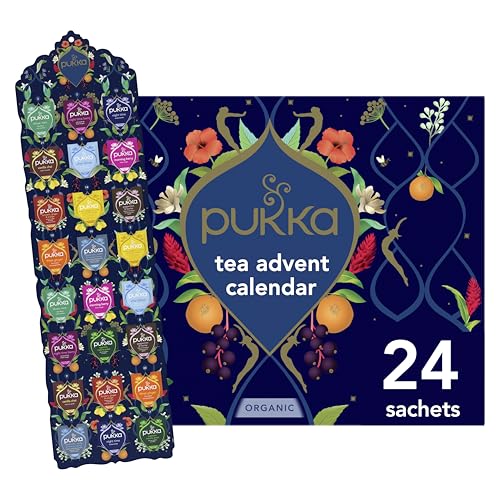
- Herbal tea bags or sachets
- Mini lotions, lip balms, or hand creams
- Cozy socks (roll them tiny and tie with ribbon)
- Bath salts or small bath bombs
- QR code cards linking to calming playlists or short meditations
How to Present:
Use neutral kraft envelopes tied with dried flowers or cinnamon sticks for a spa-like aesthetic. Keep the colors soft and soothing rather than overly bright.
Add a Daily Prompt:
- “Light a candle tonight and take three deep breaths.”
- “Write down one thing your body did well today.”
Tip for Therapists or Teachers:
You can adapt this idea for your team — a Self-Care Advent Calendar for staff with small comfort tokens and affirmations. Open one together in the staff room and use it as a gentle check-in.

📚 Educational & Reflective Fillers
Turn Advent into a time of learning and curiosity. These are especially helpful for school settings or homeschooling families who want a gentle academic touch.
Ideas to Include:
- Fun trivia or “Did you know?” facts
- Word searches or riddles
- Flashcards — language words, math facts, or positive quotes
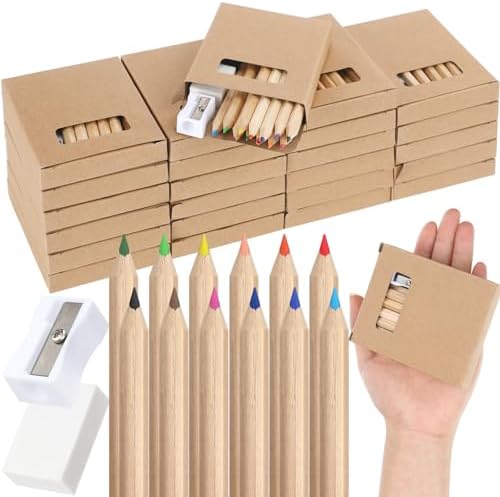
- Small craft supplies (colored pencils, glue sticks, erasers)
- Short seasonal stories or poems
Creative Idea:
Make a “Story Countdown.” Each envelope contains a few lines of a story that builds toward Christmas Eve. Kids read the next part each day and practice patience, prediction, and listening skills.
SEL Focus (Social-Emotional Learning):
Use reflective questions like “How did you help a friend today?” or “What makes a good listener?” These pair beautifully with classroom circles or counseling groups.
Reflection Prompt:
“What’s something new you learned today that made you curious?”


🏡 Family & Community Fillers
These prompts focus on shared experiences rather than things. They’re wonderful for building family rituals or classroom traditions that last beyond December.
Ideas to Include:
- “Coupons” for family activities — movie night, bake cookies, build a fort.
- Holiday traditions from around the world (print short stories or facts).
- Community service ideas — donate a toy, send a thank-you note, recycle together.
- Memory prompts — “Share your favorite family holiday moment.”
- Acts of teamwork — “Decorate the living room together,” “Make someone’s day easier.”
How to Assemble:
Use envelopes with family photos or drawings on the front. Each day’s note encourages togetherness rather than material treats and can be read aloud at dinner or bedtime.
Family Reflection Question:
“What’s one way our family shows kindness during the holidays?”
🎉 Just-for-Fun Fillers
A touch of playfulness keeps excitement alive, especially for younger kids. These ideas work best when sprinkled between calmer, more reflective days.
Ideas to Include:
- Glow sticks for winter walks
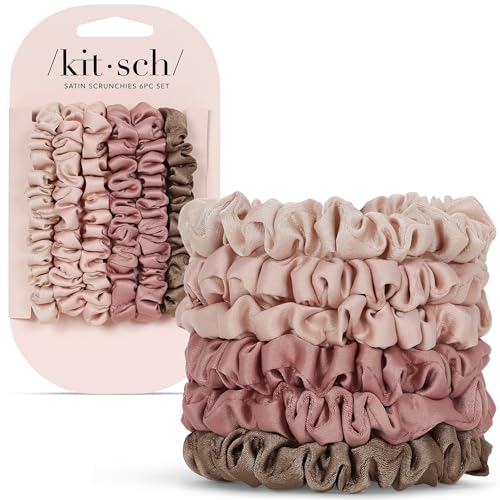
- Hair ties or scrunchies
- Cute keychains or charms
- Mini card games, dice, or brain teasers
- Holiday jokes, riddles, or comic strips
How to Package:
Tuck tiny items into muslin bags or paper cups. Decorate with fun doodles or stickers — this is where you can let kids help with the design.
Pro Tip:
Mix these with more mindful ideas — that balance of joy and reflection creates a healthier holiday rhythm and keeps the calendar from becoming just “25 days of stuff.”



🕯️ Advent Calendar Themes to Try
If you’d like to turn your filler ideas into a full theme, try one of these easy formats. You can reuse the same calendar base each year and simply change the theme.
1. The Gratitude Calendar
Focus: Writing one gratitude per day.
Display: A paper tree with leaves labeled “I’m thankful for…” or a jar that slowly fills with gratitude slips.
2. The Family Activity Calendar
Focus: One fun or cozy activity daily.
Display: Hanging envelopes on a wall in the shape of a Christmas tree. Great for families trying to prioritize time together over more toys.
3. The Self-Care Calendar
Focus: Simple grounding rituals.
Display: Jars labeled “Moments of Calm” — draw one each night, especially after long school or work days.
4. The Classroom Kindness Calendar
Focus: Acts of service and connection.
Display: Bulletin board with numbered pockets — one kindness task each day. Perfect for morning meeting time.
5. The Creative Advent Calendar
Focus: Art, journaling, and mindfulness.
Display: Mini envelopes with paint splashes or watercolor tags. Include small art prompts, collage pieces, or stickers.
💡 Tips for Non-Candy Advent Calendars
To keep your calendar sustainable for your time, budget, and nervous system, use these guiding principles.
- Mix themes. Combine fun, mindfulness, and practical surprises.
- Keep it simple. Even handwritten slips can create joy.
- Adapt to your audience. For kids, choose playful crafts; for adults, focus on self-care or gratitude.
- Make it visual. Envelopes, jars, or boxes add anticipation and beauty.
- Add affirmations. Phrases like “I am loved,” “I am capable,” or “I am grateful” encourage emotional balance.
Bonus Tip: Turn the final day (Dec 24) into something truly meaningful — a family gratitude ritual, candle-lighting ceremony, or donation act. Let that last envelope feel like a gentle exhale.
❓ FAQ: Non-Candy Advent Calendars
How early should I prepare a non-candy Advent calendar?
Ideally, start gathering supplies in early November. That way you can fill envelopes slowly over a few evenings instead of rushing at the end of the month. If you’re reading this later, don’t stress — you can always begin on December 5 or 10 and still create a beautiful shortened countdown.
How do I keep costs low?
Use what you already have first — markers, stickers, scrap paper, leftover ribbon. Many fillers can be completely free: gratitude prompts, kindness missions, family coupons, or mindfulness cards. Then choose just a few “special” physical items and spread them out across the month.
Is a non-candy Advent calendar still fun for kids?
Yes — especially if you mix playful days with reflective ones. Kids usually love the element of surprise and the sense of ritual. When they know that each envelope holds a little mission, story, or tiny treasure, the magic stays very alive.
Can I use this with therapy clients?
Absolutely. Choose prompts and fillers that match your clients’ ages and goals — gratitude notes, coping strategies, sensory breaks, or small creative tasks. You can even create a “shared calendar” for group sessions and let clients contribute their own ideas.
What if we miss a day?
Just pick up where you left off. Advent calendars are tools for connection, not perfection. You can double up on a weekend, skip a day entirely, or turn it into a playful reset: “Today’s card says, ‘We’re allowed to start again.’”
✨ Final Thoughts
Advent calendars don’t need candy to feel magical. With thoughtful fillers and creative presentation, each day can become a moment of reflection, kindness, or connection — not just another source of sugar and noise.
From gratitude slips to creative crafts, these non-candy Advent calendar ideas help children, families, and even therapy clients experience the countdown to Christmas in a calmer, more meaningful way.
The magic of the season lives in the small daily pauses — the handwritten notes, shared laughter, and mindful breaths that remind us what truly matters. If you’d like more ideas for meaningful Christmas traditions, you can also explore my guides on gratitude crafts and calming Christmas gifts for therapists.

About the Author
Hi, I’m Eve, a former school counselor with a master’s degree in School Psychology and a passionate advocate for children and families navigating sensory challenges. As a mom of children with sensory sensitivities, I deeply understand the journey special-needs parents face, and I dedicate myself to researching and sharing practical solutions to help children thrive and feel comfortable in their bodies. My goal is also to empower counselors, therapists, and psychologists with creative strategies and supportive resources to enrich their everyday practice. When I’m not writing or exploring new therapeutic approaches, you’ll find me spending quality time with my family and continually seeking inspiration from everyday moments.