
When autumn arrives, something shifts in classrooms. The sunlight softens, students slow down, and even the air feels quieter. It’s the season when children begin to crave warmth — not just from sweaters and blankets, but from safe, familiar spaces that help them feel grounded.
That’s why I love creating a fall reading corner each year. It becomes a little sanctuary inside the school day — a space where emotions settle, imagination blooms, and books become companions.
As teachers and counselors know, environment shapes emotion. A thoughtfully designed reading nook isn’t just décor; it’s a gentle tool for mindfulness and self-regulation. When the space smells faintly of cinnamon, the light glows softly, and textures feel warm and inviting, the nervous system receives a message: You’re safe here.
Below are fall reading corner ideas that blend cozy design with social-emotional learning — helping students find focus, gratitude, and calm through atmosphere and story.
It’s important to disclose that this blog post contains affiliate links. This means that if you make a purchase through these links, we may earn a commission at no additional cost to you.
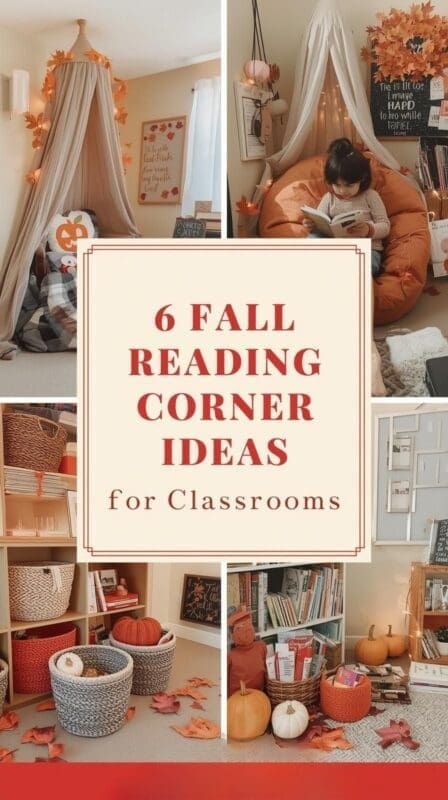
1. Warm Textiles & Soft Seating
Imagine stepping into the corner and sinking into a soft beanbag layered with a plaid throw. Nearby, a knit pillow rests beside a woven rug in rust and golden hues. These textures instantly communicate comfort and safety.
Why it helps: Cozy, tactile elements like flannel, fleece, and corduroy help students regulate overstimulation. The physical warmth mirrors emotional warmth — it tells their body, you can slow down here.
Teachers often notice that reluctant readers linger longer when seating feels inviting. Try rotating blankets each week or letting students “check out” their favorite reading cushion. This sense of choice fosters autonomy and belonging.
SEL Connection: Cozy textures activate the brain’s safety cues, lowering stress hormones and improving attention.
🤎 For Students Who Need Deep Pressure and Emotional Grounding
Harkla Hug Inflatable Sensory Bean
Some children calm through movement — others through stillness and deep pressure. The Harkla Hug is a flexible sensory seat that offers both. Its gentle squeeze provides proprioceptive input, helping students who feel overstimulated, anxious, or restless find grounding during quiet activities like reading or journaling.
Why it fits: In a cozy reading nook, this inflatable bean becomes more than seating — it’s a self-regulation tool. The soft compression mimics a weighted hug, supporting emotional safety and body awareness. Ideal for sensory-sensitive students or those who need a comforting boundary to focus.
Place it near your calm-down corner or under a soft blanket for a quiet retreat that truly feels like a hug.

- Vinyl
- SAY GOODBYE TO MELTDOWNS- The Harkla sensory chair is designed to help kids with emotional self-regulation. The rocking …
- YOUR KIDS NEW FAVOURITE HANGOUT- Harkla’s Peapod Sensory Chair for kids will be your kiddo’s new go-to place to relax, r…
☕ For Students (and Counselors) Who Need a Cozy Reading Retreat
Every calming space needs one true anchor — a place where the body can rest and the mind can wander. This plush reading chair does exactly that. With its deep, cloud-like seat and shredded memory foam filling, it molds gently to each child’s posture, offering both comfort and containment.
Why it fits: In a classroom or counseling office, this chair transforms a simple reading nook into a sensory refuge. Its soft, washable cover and supportive shape make it perfect for students who need a quiet, grounded spot to decompress, read, or self-regulate after overstimulation.
Pair it with a textured throw or weighted lap pad to create a “Mindful Reading Corner” that invites peace, presence, and curiosity — one page at a time.

- Customizable Comfort: Filled with premium shredded foam, this backrest pillow contours to your back, arms, and waist for…
- Adorable and Functional: The Blissful Diary Kitty Reading Pillow features an adorable cat design that adds a playful and…
- Easy to Clean: The removable cover of the Kitty Reading Pillow is machine washable, making it easy to keep your back sup…
🌙 For Flexible, Cozy Corners That Grow with Your Students
MAXYOYO 3 in 1 Kids Bean Bag Chair
Some reading corners need to shift as easily as emotions do — from quiet reflection to group storytime or mindful rest. This convertible lounger mattress does it all. It folds from a supportive chair into a soft floor mat, giving students (or clients) the freedom to choose how they want to relax, read, or regulate.
Why it fits: The high-density foam provides gentle body support for kids who need deep pressure or grounding, while the plush fabric offers sensory comfort without overstimulation. It’s ideal for therapy spaces, classrooms, or cozy home nooks where flexibility matters.
Lay it flat for mindfulness breaks or fold it upright for reading sessions — either way, it communicates the same message: you’re safe to rest, breathe, and be.
Pro Tip: Pair it with a warm plaid throw and dimmable lamp to create a “Quiet Reset Zone” that supports both focus and calm.
2. Seasonal Book Display
Books can act as mirrors and windows — mirrors that reflect a child’s world, and windows that open to new perspectives. Curate a small shelf or bin filled with autumn-themed stories about gratitude, kindness, and change.
Include titles like The Leaf Thief (humor), Because of You, John Lewis (empathy), or simple gratitude journals for quiet reflection. Add “Student Picks” cards where kids recommend favorites to peers — this builds community and ownership.
Arrange books by color gradient — amber to deep orange — to double as seasonal décor. When students browse, they’re drawn into a sensory world of warmth and story.
SEL Connection: Reading about gratitude and empathy strengthens emotional vocabulary and builds compassion.
Transition
Once the books and blankets set the tone, lighting completes the sense of calm — it’s what turns a corner into a retreat.
3. Fall-Themed Lighting
Overhead fluorescent lights can overstimulate, but soft lighting changes the emotional rhythm of a classroom. Swap them for string lights draped along a curtain rod, warm-tone lamps, or flameless candles safely placed on a shelf.
Try a timer lamp that turns on automatically during independent reading — it signals to students, this is our quiet moment. Some teachers even add gentle scents with cinnamon sticks in jars or essential-oil diffusers (if allowed).
Why it helps: Gentle light cues the brain to slow down, inviting mindfulness and deeper concentration. It softens transitions between noisy activities and silent reading.
SEL Connection: Supports emotional regulation by helping students recognize calm through sensory signals.
Transition
Once you’ve created the right mood with light, add gratitude — the emotional warmth that anchors your space in purpose.
4. Gratitude Wall in the Corner
Gratitude transforms a classroom faster than any new furniture. Create a mini bulletin board titled “Our Thankful Tree” or “Leaves of Gratitude.”
Each week, invite students to write one appreciation on a fall-leaf sticky note — anything from “playing tag with my friend” to “hot cocoa after school.” Over time, the blank wall blossoms into a forest of thankfulness.
Ask reflective questions like, “What do you notice about our wall today?” or “How do our leaves make the room feel?” These moments encourage emotional awareness and pattern recognition.
Why it helps: Gratitude rewires the brain toward positivity and connection — a powerful SEL habit for children.
DIY Tip: Mix paper leaves with a few real ones for texture and sensory depth.
Transition
After gratitude comes mindfulness — tools students can use anytime they need to find calm or refocus.
5. Mindful Breathing Prompts
Add a small framed poster beside your nook with leaf-shaped breathing guides. Teach “Leaf Breathing”: trace up one side while inhaling, then down while exhaling.
Display gentle affirmations like “My breath is my calm” or “I can slow down.” Choose soft, muted backgrounds — orange, sage, or cream — so the visuals feel soothing, not busy.
You can also play soft nature sounds or quiet lo-fi music during reading time. Students begin to associate the corner with stillness and safety.
Why it helps: Visual and auditory mindfulness cues teach kids to regulate independently, without needing constant redirection.
SEL Connection: Breath-based regulation supports executive functioning and emotional resilience.
Transition
Once calm becomes part of your corner’s rhythm, it’s time to let nature join the experience — grounding students in the world beyond the walls.
6. Nature-Inspired Décor
Bringing the outside in adds authenticity and sensory comfort. Use garlands of faux leaves, glass jars of pinecones, and small pumpkins as tactile accents.
Encourage students to contribute — collect acorns, dried leaves, or smooth stones during nature walks and label them “Signs of the Season.” This small ritual builds mindfulness; students begin to notice nature differently when they know it will become part of their shared space.
Why it helps: Nature-based design grounds the nervous system and connects students to seasonal rhythms.
SEL Connection: Encourages awareness, sensory focus, and gratitude for simple beauty.
Transition
When these elements come together — light, texture, gratitude, and mindfulness — your reading corner becomes more than decoration. It becomes an emotional anchor for the whole class.
🍁 Final Reflection: A Sanctuary of Calm
A cozy fall reading corner is a love letter to calm — a quiet, glowing invitation for children to rest, read, and feel. It’s where literacy meets emotional safety, where a story can become a safe place to land.
The magic isn’t in the budget or the décor; it’s in the intention. When students curl up under a plaid blanket, trace their breathing leaf, or add one more note to the Gratitude Wall, they’re practicing something far deeper than reading — they’re learning emotional regulation, reflection, and presence.
So this fall, let your reading nook whisper the message every child needs to hear: You belong here. You’re safe to slow down. Because when learning feels like comfort, engagement naturally follows.
🧡 For More Classroom Calm
Explore related seasonal articles:
Fall SEL Activities for Preschoolers
Fall Bulletin Boards That Inspire Gratitude
Autumn Door Decorations for Counselors and Teachers

About the Author
Hi, I’m Eve, a former school counselor with a master’s degree in School Psychology and a passionate advocate for children and families navigating sensory challenges. As a mom of children with sensory sensitivities, I deeply understand the journey special-needs parents face, and I dedicate myself to researching and sharing practical solutions to help children thrive and feel comfortable in their bodies. My goal is also to empower counselors, therapists, and psychologists with creative strategies and supportive resources to enrich their everyday practice. When I’m not writing or exploring new therapeutic approaches, you’ll find me spending quality time with my family and continually seeking inspiration from everyday moments.