Spring has a quiet way of asking us to soften.
After months of tension, deadlines, emotional heaviness, and mental overload, something shifts. The light changes. The air feels lighter. And many of us feel an urge not to do more — but to do things more slowly.
This is where relaxing spring crafts come in.
Crafting with your hands is one of the most accessible ways to calm the nervous system, reduce stress, and gently return to yourself. Unlike productivity-driven hobbies, slow crafts invite repetition, presence, and sensory grounding — all things our overstimulated brains deeply crave.
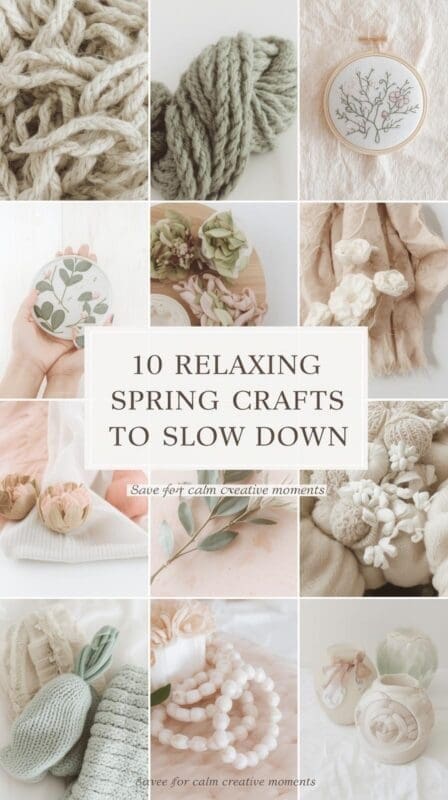
In this article, you’ll find relaxing spring craft ideas for adults that are:
- beginner-friendly
- deeply calming
- visually beautiful (perfect for Pinterest inspiration)
- aligned with slow living and emotional wellbeing
Whether you’re crafting in the evenings, on quiet weekends, or between busy seasons of life, these ideas are designed to help you unwind, regulate, and feel grounded again.
Affiliate Disclosure
This article may contain affiliate links. This means that if you choose to purchase through some of the links, I may earn a small commission at no extra cost to you. I only recommend tools and materials that genuinely support calm, creativity, and wellbeing and that I believe align with the EveYou philosophy of gentle, mindful living.
1. Knitting Lightweight Spring Pieces
Knitting is one of the most well-known calming crafts, and for good reason. The repetitive hand movements, predictable rhythm, and tactile feedback all signal safety to the nervous system.
What you need to start
- Lightweight yarn (cotton, bamboo, linen blends)
- Knitting needles (usually 4–6 mm for beginners)
- Scissors
- A simple beginner pattern
How to start
Choose a small project rather than something overwhelming. Spring is ideal for:
- lightweight scarves
- headbands
- simple wraps
- baby blankets
Start with basic stitches like knit and purl. There’s no need to rush or aim for perfection.
Why knitting helps you relax
- Repetitive motion reduces mental chatter
- Hands stay busy, which calms anxious thinking
- Creates a gentle flow state
Pinterest inspiration
2. Wool Felting (Needle or Wet Felting)
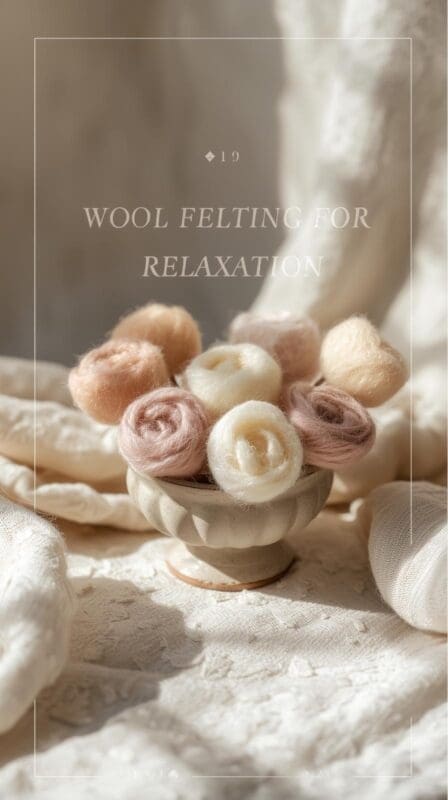
Felting is deeply sensory and grounding. Working with wool engages touch, pressure, and focus — all powerful tools for nervous system regulation.
What you need to start
- Wool roving
- Felting needles (for needle felting) or warm water and soap (for wet felting)
- Foam pad or felting mat
- Simple reference shapes
How to start
Begin with small, forgiving projects:
- felted hearts or stones
- soft flowers
- small animals
- decorative beads
Work slowly, noticing texture and pressure rather than rushing to finish.
Why felting helps you relax
- Strong tactile input grounds the body
- Encourages slow, focused attention
- Excellent for releasing pent-up tension
Pinterest inspiration
3. Embroidery With Floral or Botanical Motifs
Embroidery is quiet, patient, and deeply meditative. It’s ideal for spring because nature-inspired designs feel seasonally aligned.
What you need to start
- Embroidery hoop
- Linen or cotton fabric
- Embroidery floss
- Needles
- Simple pattern or freehand design
How to start
Choose a minimal design. Florals, leaves, or single words work beautifully. Focus on just one or two stitches to avoid overwhelm.
Why embroidery helps you relax
- Encourages deep focus and slow movement
- Reduces racing thoughts
- Creates a sense of gentle accomplishment
Pinterest inspiration
4. Candle Decorating and Label Design
Decorating candles combines creativity with ritual. It’s a craft that feels soothing and purposeful.
What you need to start
- Plain candles (soy or beeswax)
- Dried flowers or herbs
- Printable labels or cardstock
- Glue or wax seal
- Scissors
How to start
Rather than making candles from scratch, focus on:
- adding dried florals
- creating calming labels
- designing affirmations or seasonal messages
Why this helps you relax
- Low physical effort
- Visually soothing
- Encourages intention and ritual
Pinterest inspiration
5. Pressed Flower Art
Pressing flowers slows you down before the craft even begins. It’s an invitation to notice beauty and practice patience.
What you need to start
- Fresh flowers
- Heavy books or flower press
- Parchment paper
- Frames or cardstock
How to start
Collect flowers during a walk. Press them for 1–2 weeks. Arrange them into:
- framed art
- bookmarks
- cards
- minimalist wall decor
Why this helps you relax
- Connects you to nature
- Encourages waiting and presence
- Gentle, low-pressure creativity
Pinterest inspiration
Minimal frames, white backgrounds, and botanical layouts perform extremely well.
6. Macramé With Soft Spring Colors
Macramé is repetitive, rhythmic, and calming — perfect for evenings when your mind feels overstimulated.
What you need to start
- Cotton cord
- Wooden dowel or ring
- Scissors
- Simple knot guide
How to start
Begin with:
- plant hangers
- small wall pieces
- table runners
Stick to neutral or spring-soft tones.
Why this helps you relax
- Predictable patterns
- Gentle hand movement
- Creates a flow state
Pinterest inspiration
7. Visible Mending and Slow Stitching
Visible mending transforms repair into creativity. It’s deeply symbolic and emotionally grounding.
What you need to start
- Needle and thread
- Fabric scraps
- Clothing to repair
- Embroidery hoop (optional)
How to start
Choose a garment with a small tear. Use simple stitches to mend visibly rather than hide the repair.
Why this helps you relax
- Encourages patience
- Promotes sustainability
- Feels meaningful and grounding
Pinterest inspiration
8. Watercolor Painting With Soft Spring Themes
Watercolor is forgiving and gentle, making it ideal for relaxation.
What you need to start
- Watercolor paints
- Brushes
- Watercolor paper
- Water jar
How to start
Avoid detailed realism. Instead try:
- abstract washes
- florals
- color blending
- calming patterns
Why this helps you relax
- Fluid movement
- No harsh mistakes
- Encourages play over perfection
Pinterest inspiration
9. Art Journaling With Spring Collage
Art journaling combines creativity and reflection, making it ideal for emotional processing.
What you need to start
- Journal or sketchbook
- Magazine cutouts
- Glue
- Pens or markers
How to start
Create pages around themes like:
- renewal
- growth
- rest
- letting go
There are no rules.
Why this helps you relax
- Emotional expression without pressure
- Combines writing and visual play
- Encourages self-reflection
Pinterest inspiration
Layered pages, aesthetic layouts, and neutral tones perform strongly.
10. Crochet for Beginners
Crochet offers the same calming repetition as knitting but feels more intuitive for some people.
What you need to start
- Yarn
- Crochet hook
- Simple pattern
How to start
Try:
- headbands
- granny squares
- small bags
- flowers
Why this helps you relax
- Predictable motion
- Easy rhythm
- Fast sense of progress
Pinterest inspiration
Beginner-friendly projects with pastel yarn perform well.
11. DIY Wall Art With Natural Materials
Nature-based crafts ground the body and mind.
What you need to start
- Twigs, leaves, or flowers
- Fabric or paper base
- Glue
- Frame
How to start
Create minimal compositions using natural shapes and textures.
Why this helps you relax
- Sensory grounding
- Visual calm
- Seasonal connection
Pinterest inspiration
Minimalism and neutral decor perform especially well.
12. Simple Paper Crafts and Origami Flowers
Paper crafts are accessible and calming, even for beginners.
What you need to start
- Paper
- Scissors
- Glue
How to start
Focus on:
- origami flowers
- paper garlands
- simple cards
Why this helps you relax
- Low pressure
- Affordable
- Gentle focus
Pinterest inspiration
Step-by-step visuals and minimal styling perform best.
Final Thoughts: Why Spring Crafts Matter
Relaxing spring crafts are not about productivity or output.
They are about:
- slowing your nervous system
- reconnecting with your body
- creating without pressure
- finding calm through repetition and beauty
In a world that constantly asks us to move faster, crafting gives us permission to pause.

About the Author
Hi, I’m Eve, a former school counselor with a master’s degree in School Psychology and a passionate advocate for children and families navigating sensory challenges. As a mom of children with sensory sensitivities, I deeply understand the journey special-needs parents face, and I dedicate myself to researching and sharing practical solutions to help children thrive and feel comfortable in their bodies. My goal is also to empower counselors, therapists, and psychologists with creative strategies and supportive resources to enrich their everyday practice. When I’m not writing or exploring new therapeutic approaches, you’ll find me spending quality time with my family and continually seeking inspiration from everyday moments.