
Why Gratitude Crafts Matter Around Thanksgiving
Thanksgiving is more than just turkey and pumpkin pie — it’s a season built around gratitude. For kids, it’s a perfect time to practice noticing the good in their lives and expressing thankfulness in creative ways.
In classrooms and counseling spaces, gratitude crafts combine creativity with social-emotional learning (SEL). These activities help children slow down, reflect on what they’re thankful for, and share it with others in fun, visual ways.
Here are 12 Thanksgiving gratitude crafts that are simple, budget-friendly, and filled with meaning.
It’s important to disclose that this blog post contains affiliate links. This means that if you make a purchase through these links, we may earn a commission at no additional cost to you.
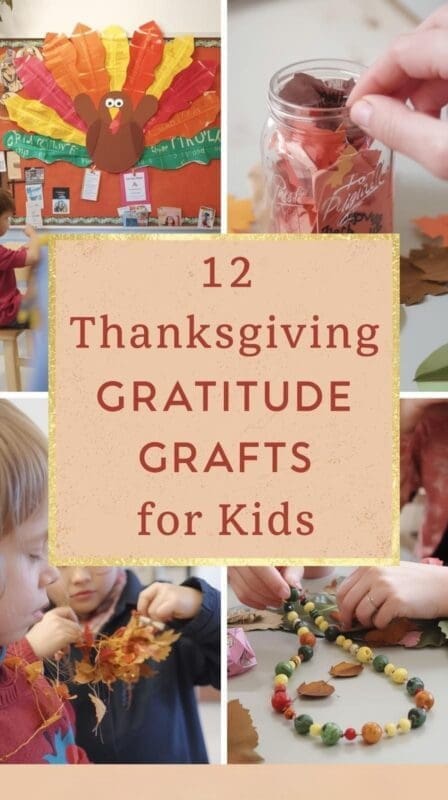
Why Gratitude Crafts Matter Around Thanksgiving
Thanksgiving isn’t only about turkey and pumpkin pie — it’s a celebration of appreciation, reflection, and togetherness. For children, this season offers the perfect opportunity to pause, notice the good around them, and learn how expressing gratitude strengthens emotional wellbeing.
Gratitude crafts are more than cute classroom decorations. In counseling or school settings, they double as social-emotional learning (SEL) tools that build empathy, mindfulness, and connection. Each project below invites children to slow down, use their hands creatively, and engage their hearts in a simple act of noticing the good.
How Gratitude Supports Kids’ Mental Health
Modern neuroscience shows that practicing gratitude activates brain regions linked to joy and resilience. For kids, this means:
- Better mood regulation and reduced anxiety.
- Improved relationships with peers and family.
- Greater ability to find hope during challenges.
- Increased sense of belonging.
When gratitude is taught through art and play, it becomes something children feel, not just understand. That’s what makes Thanksgiving crafts so powerful — they turn emotional skills into tangible creations that last beyond the holiday.
1. Gratitude Turkey Feathers
How to make it:
Cut out colorful paper feathers. Have each child write one thing they’re thankful for, then attach the feathers to a large paper turkey body on a bulletin board.
Why it works:
This craft fosters community — every feather represents a voice in the flock. It shows how individual gratitude becomes collective warmth.
SEL focus: Collaboration, inclusion, and shared pride.
Therapist tip: Use this group project to talk about how everyone brings something unique to the community — “When we all share what we’re thankful for, we make our circle stronger.”

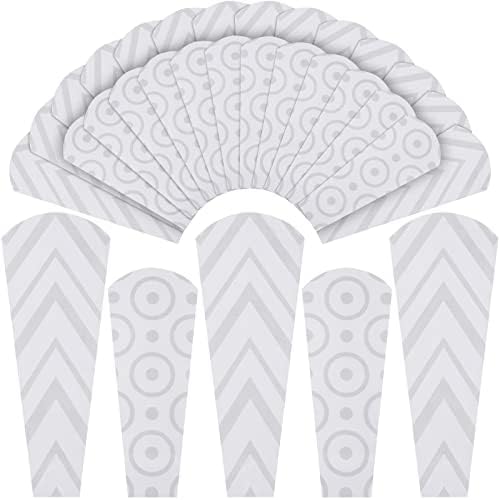
- Rich in Quantity: there are 26 pieces of turkey replacement feathers in 2 different styles, namely 14 pieces of geometri…
- Thanksgiving Turkey Feather Design: the paper feathers for crafts are designed in the shapes of turkey feathers, creatin…
- Explore the Fun of DIY: the Thanksgiving craft are suitable for making DIY projects, by combining them with your doodlin…
2. Thankful Pumpkin
How to make it:
Use strips of orange construction paper to form a 3D pumpkin. Write gratitudes on each strip before connecting them at the top with a brad or string.
Why it works:
Transforms intangible feelings into a physical, seasonal symbol. Each strip becomes a “layer” of gratitude.
Make it meaningful:
Ask: “What makes your world feel full, like this pumpkin?”

3. Gratitude Leaves Garland
Cut leaves from colorful paper. Write gratitude words or sentences on each, then string them together into a garland.
Why it works:
A beautiful visual reminder that gratitude multiplies when shared.
Therapist tip: Hang the garland in a counseling office or classroom entryway — it becomes a visual cue that gratitude is part of the environment.

4. Thankful Hands Wreath
How to make it:
Trace and cut each child’s handprint on construction paper. Write one gratitude per hand and arrange in a circle.
Why it works:
Each handprint symbolizes both giving and receiving thanks — reinforcing reciprocity and teamwork.
SEL focus: Self-awareness and cooperation.
🌿 Reflection Activity: “Gratitude Touch”

Ask students to close their eyes and imagine the person or thing they wrote about. Encourage them to place a hand over their heart and whisper one word of appreciation. It’s a gentle sensory grounding technique that helps gratitude sink in emotionally.
5. Gratitude Jars
How to make it:
Decorate mason jars with twine or stickers. Fill with gratitude slips — one each day leading up to Thanksgiving.
Why it works:
Introduces daily gratitude as a ritual, not a one-time event. Watching the jar fill reinforces consistency.
Therapist tip: In counseling, use gratitude jars as “positivity anchors.” Let children read one slip aloud to close a session on a calm note.

6. Thankful Tree Centerpiece
Use branches in a vase as a tree. Kids write gratitudes on paper leaves and hang them with string. Perfect for classrooms or as a group counseling project.
How to make it:
Gather branches in a vase. Cut out paper leaves, write gratitudes, and hang them with string.
Why it works:
Makes gratitude interactive and visible — children can literally see their thankfulness grow.
SEL focus: Reflection, pride, and mindfulness.
Classroom extension: Have kids remove one leaf each day to read aloud, celebrating small joys together.

7. Gratitude Acorns
Craft acorns from paper or felt. On each, kids write something small but meaningful they’re thankful for (e.g., “my dog,” “hot cocoa”). Collect in a basket as a class display.
How to make it:
Create acorns from felt or construction paper. Write one small gratitude on each (“my dog,” “music,” “sunlight”) and place in a shared basket.
Why it works:
Teaches appreciation for simple pleasures — reinforcing that joy doesn’t always come from big things.
Therapist tip: Pair with a mindfulness exercise — hold an acorn, breathe deeply, and imagine it as a seed of gratitude that can grow.
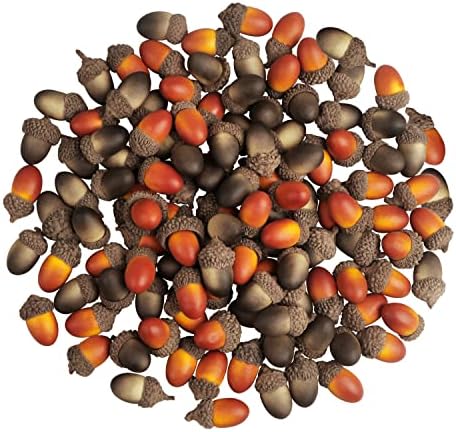
- Value Package:There are 120 pieces artificial acorns in our set.Artificial acorns are available in 2 different colors, l…
- Perfect for DIY Crafts: Lifelike acorns can be remade by DIY and use your imagination and creativity to make a differenc…
- Perfect Size: The length of each craft acorns is about 1.2-1.6 inch/ 3-4cm.Suitable for Fall, autumn, and thanksgiving p…

- BRUSH + FINE DUAL TIP: Our acrylic paint markers come with 2 tips for 2x the fun. The acrylic paint pens are equipped wi…
- PREMIUM QUALITY: This pack of paint pens features high-quality acrylic paint that dries opaque, so you don’t have to mak…
- MULTI-SURFACE: These paint pens are perfect for calligraphy painting on paper, wood, rock, or glass. Use them as paint m…
8. Thankful Sunburst
Give each child a paper sun circle and rays. On each ray, they write something they appreciate. Assemble into sunbursts and display on a bulletin board.
How to make it:
Give each child a paper circle (the sun) and strips (rays). Write one gratitude per ray, then glue around the center.
Why it works:
Visually shows how gratitude radiates warmth and positivity outward.
Conversation starter: “What do you think your gratitude helps brighten in other people’s lives?”
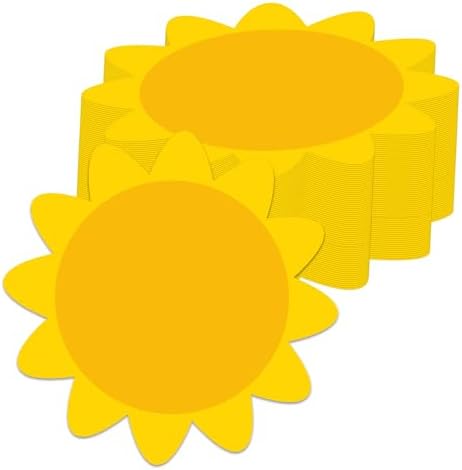
- Value Pack: You will receive 100 sun shaped paper cards+100 adhesive points, which are sufficient to meet various needs …
- Perfect Size: Our cardboard size is approximately 4 inches, with enough space on the surface to write words, sentences, …
- Cartoon sun design: These cardboard are cut into lovely sun shapes in advance, and you can use markers, sequins and othe…
9. Gratitude Bracelets

Use beads in fall colors. For each bead added, children name something they’re thankful for. The bracelet becomes a wearable reminder of gratitude.
How to make it:
Use beads in autumn colors. For every bead added, name one thing you’re thankful for.
Why it works:
Combines creativity with mindfulness — each bead becomes a mini gratitude meditation.
Therapist tip: Encourage slow breathing between each bead to reinforce emotional regulation.

- ALL YOU NEED INCLUDED – A must for jewelry making lover. A box of about 5520pcs flat polymer clay beads in 24 colors and…
- VIBRANT COLORS – Polymer clay beads in 24 bright colors meet your requirements of colorful DIY objects. You can make bra…
- PREMIUM QUALITY, SAFE TO USE – Beads are made of polymer clay, strong plasticity, and durability. The diameter of clay h…
10. Thankful Place Cards
Children create decorated name cards with one gratitude listed underneath. These can be used at classroom meals, family dinners, or counseling group sessions.
How to make it:
Children design name cards with one gratitude listed beneath their name. Use at classroom feasts or family dinners.
Why it works:
Encourages verbal sharing and connection during mealtimes — an opportunity to hear and be heard.
Make it deeper:
Add a question under each name like, “What’s something kind you did this week?”
11. Gratitude Collage

Provide magazines, scissors, and glue. Kids cut out pictures or words that represent what they’re thankful for and create individual or group collages.
How to make it:
Provide magazines, scissors, and glue. Kids cut out images or words representing what they’re grateful for.
Why it works:
Supports self-expression through imagery — perfect for children who communicate visually or struggle to verbalize emotions.
Therapist tip: Invite reflection: “When you look at your collage, what feeling comes up most?”
12. Thankful Journals
Make simple DIY journals from folded paper and staples. Children decorate covers and write or draw gratitudes each day leading up to Thanksgiving.
How to make it:
Fold a few pages of paper, staple them into a booklet, and let kids decorate the covers. Each day, they write or draw one thing they’re thankful for.
Why it works:
Teaches consistency, reflection, and language for emotional awareness.
Therapist tip: For younger kids, prompt them with sentence starters like “I felt happy when…” or “I’m grateful that…”
🧡 Making Gratitude a Shared Experience
Crafts are only the beginning — the real growth happens in the conversations that follow.
Encourage kids to talk about:
- How it feels to be appreciated.
- How gratitude can spread kindness.
- One way they can show thankfulness to someone else this week.
Quick Classroom or Therapy Add-ons
- “Gratitude Circle”: Each child passes a small object (like a pinecone) and shares one thing they’re thankful for.
- “Thankful Photo Booth”: Create a paper backdrop and let kids take pictures holding gratitude signs.
🍂 Why Gratitude Activities Strengthen Connection
Gratitude fosters empathy — when children learn to recognize the care and effort of others, relationships grow stronger. In group or counseling settings, gratitude crafts become an emotional bridge, creating safe, joyful moments of connection between peers, teachers, and therapists.
🌾 Reflection for Counselors and Educators
As you guide kids through these crafts, you’re doing more than teaching art — you’re modeling mindfulness, patience, and care. Every feather glued or leaf tied is a lesson in slowing down and noticing life’s goodness.
When we teach children to pause and give thanks, we’re not just preparing them for Thanksgiving — we’re giving them a lifelong skill for resilience and happiness.
Wrapping It Up: Gratitude Made Creative
Thanksgiving gratitude crafts aren’t just cute projects — they’re powerful tools for teaching kids how to recognize and express thankfulness. Whether it’s a collaborative turkey, a personal bracelet, or a gratitude jar, these activities combine creativity with emotional growth.
For classrooms, counseling offices, or even family gatherings, these 12 gratitude crafts help children practice mindfulness, empathy, and joy in the spirit of the season.
Next step: Pair these activities with Nurturing Gratitude Gift Ideas for thoughtful ways to bring gratitude into every part of your holiday season.

About the Author
Hi, I’m Eve, a former school counselor with a master’s degree in School Psychology and a passionate advocate for children and families navigating sensory challenges. As a mom of children with sensory sensitivities, I deeply understand the journey special-needs parents face, and I dedicate myself to researching and sharing practical solutions to help children thrive and feel comfortable in their bodies. My goal is also to empower counselors, therapists, and psychologists with creative strategies and supportive resources to enrich their everyday practice. When I’m not writing or exploring new therapeutic approaches, you’ll find me spending quality time with my family and continually seeking inspiration from everyday moments.

