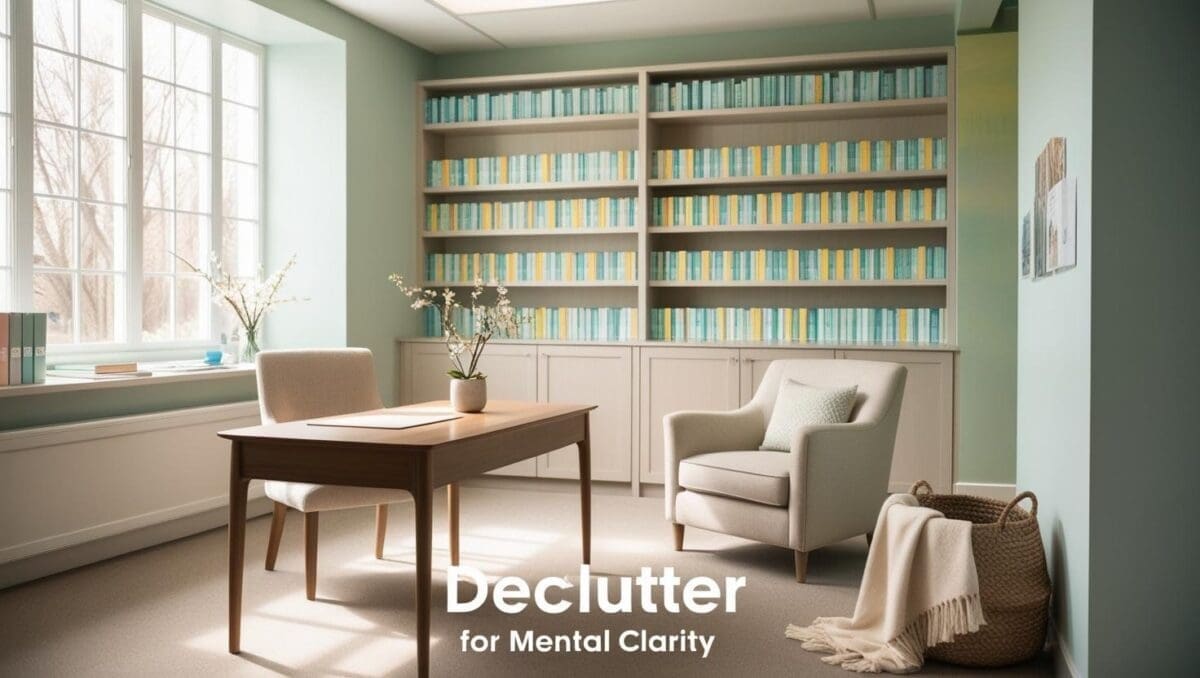
As a counselor, I spend countless hours in my therapy office—not just holding space for clients, but also seeking balance, focus, and inspiration myself. That’s why I believe that modern therapy office decor isn’t just about trends or aesthetics—it’s about creating a space that feels supportive, calm, and authentic to who you are as a therapist.
Over the years, I’ve learned that the way a therapy room looks and feels can make a big difference in the work we do. A thoughtfully decorated office can ease anxiety, spark conversation, and promote emotional safety. It also uplifts me on long days and helps me show up more fully for my clients.
If you’re ready to refresh your space with decor that feels both stylish and grounding, these 10 modern therapy office ideas will inspire you to blend functionality with intention. Whether you’re just starting out or looking to elevate an existing space, each idea is rooted in therapeutic benefit—and yes, Pinterest-worthy style too.
Let’s explore how to turn your therapy office into a beautiful, healing space that speaks to both your clients' needs and your own.

This post may contain affiliate links, which means I may earn a small commission—at no extra cost to you—if you choose to make a purchase through one of these links. I only recommend products I genuinely love and believe can add value to your therapy office. Thank you for supporting this blog!
1. Embrace a Neutral Color Palette to Set the Tone
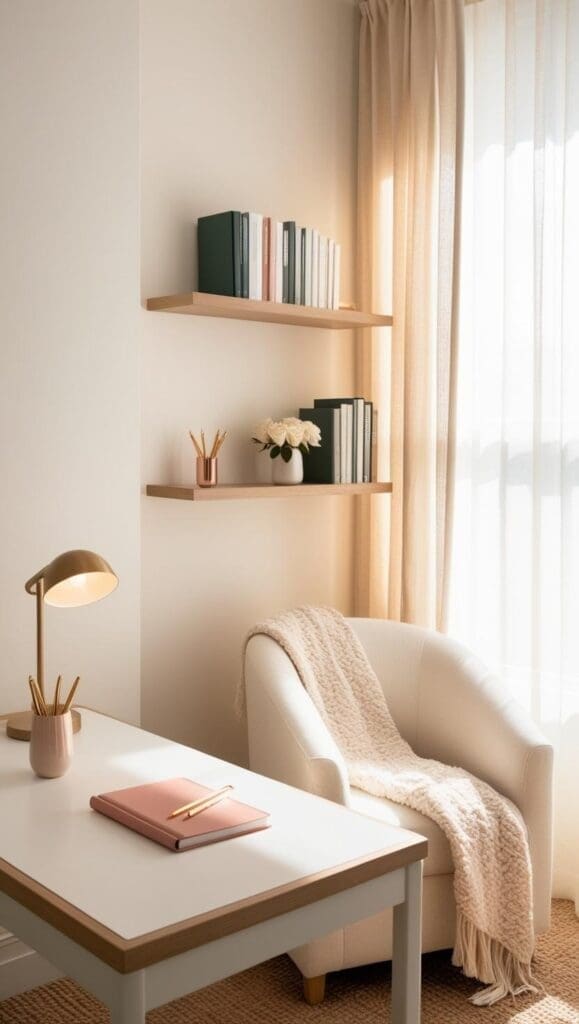
Color sets the emotional foundation of your therapy office—and in modern design, neutrals are more than a style choice. They’re a strategy. Soft, warm-toned neutrals such as ivory, taupe, sand, and sage don’t just look refined—they support your clients’ nervous systems by reducing visual noise and creating a calm, emotionally safe environment.
Neutral doesn’t mean boring. When chosen intentionally, these shades create an atmosphere of grounded elegance that works beautifully across therapeutic settings—from child counseling to trauma-informed care. Avoid using overly bright or highly saturated colors, which can feel overstimulating or distracting during sensitive sessions.
Why therapists love it:
Neutrals help reduce sensory overload, ease anxiety, and signal clarity and openness—making it easier for clients to settle in and open up.
How to implement this in your office:
- Start with the walls. Choose warm white or greige paint tones like Swiss Coffee by Behr, Classic Gray by Benjamin Moore, or Shoji White by Sherwin-Williams for a clean, welcoming backdrop.
- Add grounded contrast. Introduce depth through accent colors like sage green, navy blue, or burnt sienna in your furniture, artwork, or throw pillows.
- Layer in natural textures. Woven baskets, linen curtains, and wooden frames in light oak or walnut shades keep the palette earthy and inviting.
Therapist Tip: If you’re redecorating on a budget, try repainting existing furniture or thrifting neutral accessories like pottery, vases, or rugs to soften the space without overspending.
2. Invest in Sleek, Comfortable Seating
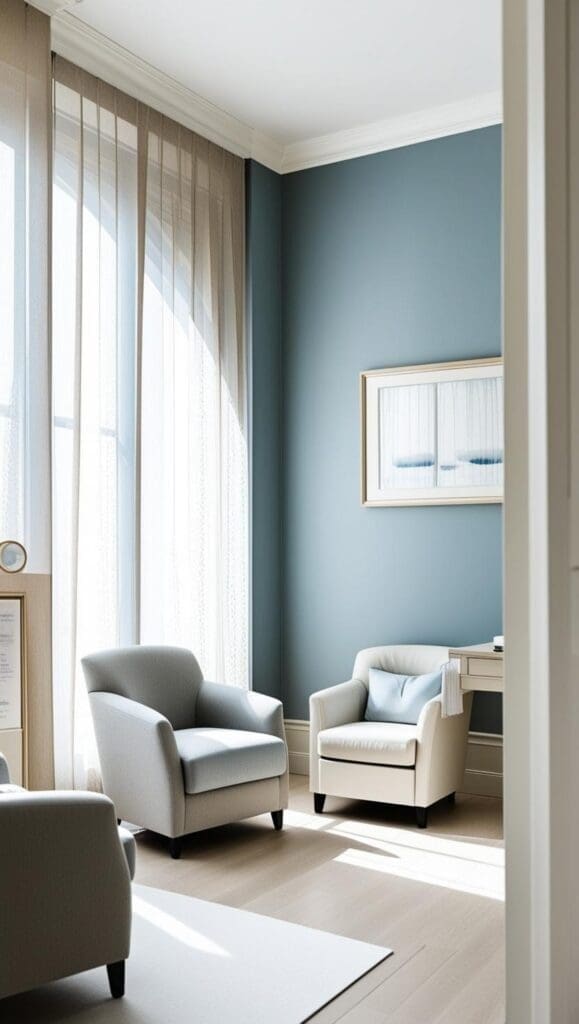
The furniture in your therapy office doesn’t just serve a practical purpose—it shapes how safe, supported, and welcome your clients feel. In modern design, your seating should strike the perfect balance between form and function. Think: clean silhouettes, cozy textures, and therapeutic comfort that supports long conversations and emotional vulnerability.
A well-chosen therapist chair can also reflect your personality—calm, collected, and grounded—while signaling professionalism and care. For client seating, structured but soft couches or accent chairs make the space feel both polished and nurturing.
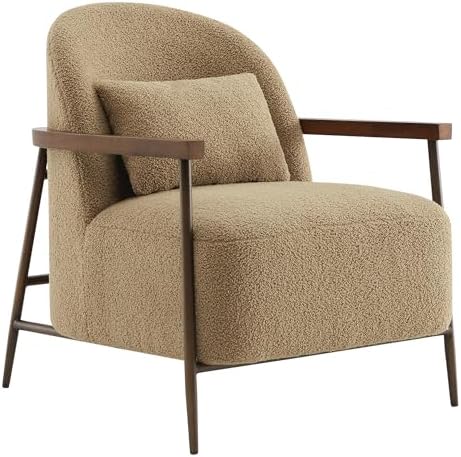
- Your Mid Century Modern Armchair – With its low-slung profile and the striking contrast between the substantial upholste…
- Built To Last – The sturdy antique brass metal frame ensures durability and the solid rubber wood armrests exude a natur…
- Faux Sherpa Fabric – The plush sherpa fabric, characterized by its shearling boucle and fluffy texture, envelops a gener…
How to implement this in your office:
- Mid-Century Modern Armchairs – Opt for styles with rounded arms, walnut or oak legs, and soft boucle or velvet upholstery for a cozy yet elevated look.
- Minimalist Sofas – Choose a neutral-toned couch with firm cushions and a low profile to support posture and create visual openness.
- Placement matters – Angle chairs slightly toward each other to encourage connection, while leaving enough open space to reduce feelings of crowding.
💡 Need inspiration for the perfect therapy chair?
Check out my in-depth guide:
👉 The Power of an Accent Armchair: Elevating Your Therapy Office with Comfort & Style
This post walks you through the best therapist-friendly armchairs with comfort, style, and client care in mind.
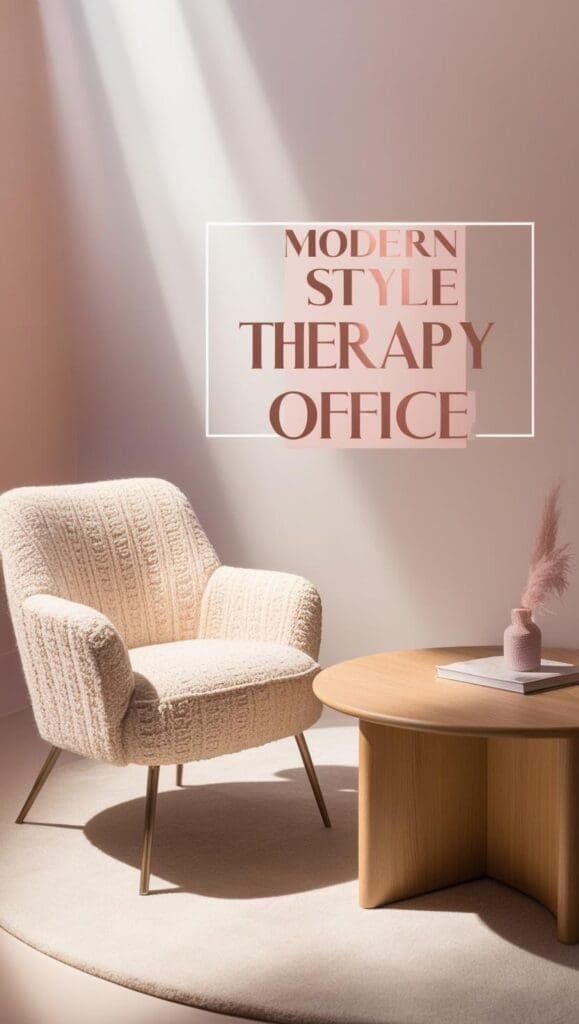
3. Use Statement Lighting for a Warm Ambiance
Lighting is one of the most powerful—and underrated—tools in modern therapy office design. While overhead fluorescent lights can feel harsh and impersonal, intentional, layered lighting can transform your space into a soothing, emotionally safe environment.
Modern design embraces statement lighting pieces not only for aesthetics but also for the emotional tone they set. Soft, warm lighting helps clients relax, reduces visual stress, and supports the therapeutic alliance.

- Super Bright LED Lighting: Brightech floor lamp built-in LED light with 1660 Lumens is enough to light your living room….
- Stable and Safe: Safety is paramount, the modern floor lamp’s durable sturdiness makes it ideal for playrooms too, the f…
- Long-lasting and Energy-saving LED Lighting: These integrated LEDs are rated as energy efficient and can last up to 20 y…
How to implement this in your office:
- Install a modern arc floor lamp with a neutral or brushed metal finish to cast light over seating areas without dominating the room.
- Use dimmable table lamps with warm LED bulbs (2700K–3000K) to give clients a sense of calm and control over their environment.
- Layer lighting with wall sconces or cordless lamps to add dimension, especially in offices without overhead fixtures.
💡 Want cordless lighting ideas that don’t require rewiring?
Explore: 👉 No Wiring? No Problem! How to Incorporate Cordless & Rechargeable Lamps in Your Therapy Office
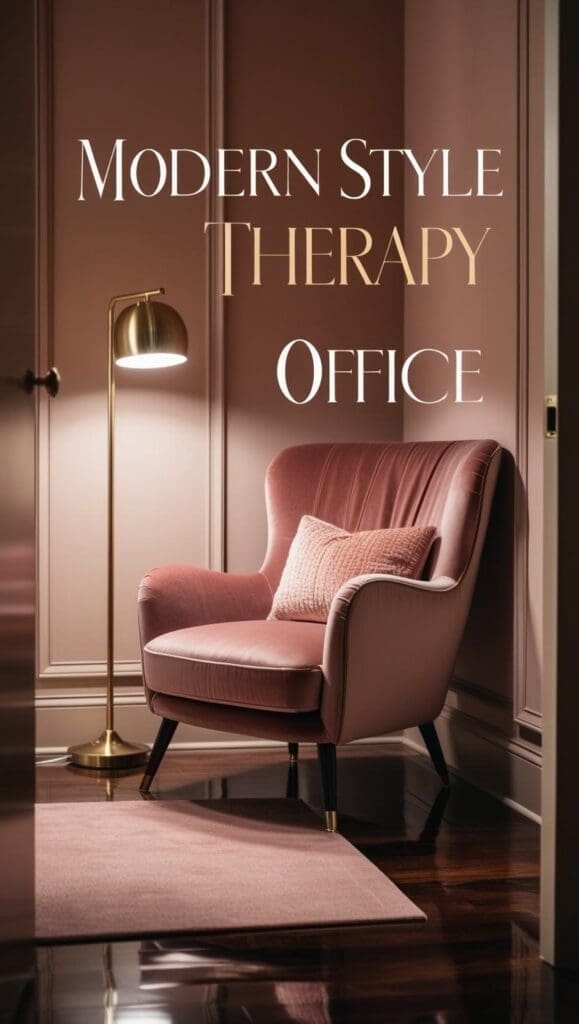
4. Incorporate Functional, Minimalist Storage
Clutter isn’t just a visual distraction—it can actually increase anxiety and mental fatigue for both clients and therapists. In modern therapy offices, storage should be intentional, minimalist, and seamlessly integrated into the design.
Thoughtfully designed storage helps preserve the clean lines and open feel of a modern space, while still keeping therapy tools, paperwork, and personal items accessible yet out of sight.
How to implement minimalist storage in your therapy office:
- Floating shelves: Use neutral-toned or wood-finish shelves to display a curated selection of therapy books, plants, or calming artwork. These draw the eye upward and save floor space.
- Multi-purpose furniture: Choose ottomans or benches with built-in storage to hide tissues, extra supplies, or even weighted lap pads.
- Slimline cabinets: Opt for closed storage pieces with sleek handles and natural finishes to maintain a polished, streamlined aesthetic.
- Desktop organizers: Keep surfaces clear by using minimalistic organizers for frequently used items like pens, notebooks, and fidgets.

- Floating Shelves for Wall Storage Set of 6 – The size of the WOPITUES floating shelves for wall is 16.5*6*0.6 inches. WO…
- Sturdy & Easy to Assemble- The L-shaped metal brackets are durable, with a capacity of 40Lb. You don’t need to worry abo…
- Natural Wood & Wall Mounted Design – Our 6 sets bathroom floating shelves for wall are made of wood which grows naturall…
📦 Need help designing a clutter-free space that still feels warm and inviting?
Don’t miss this guide: 👉 Budget-Friendly Minimalist Therapy Office: How to Achieve a Sleek Look Without Overspending
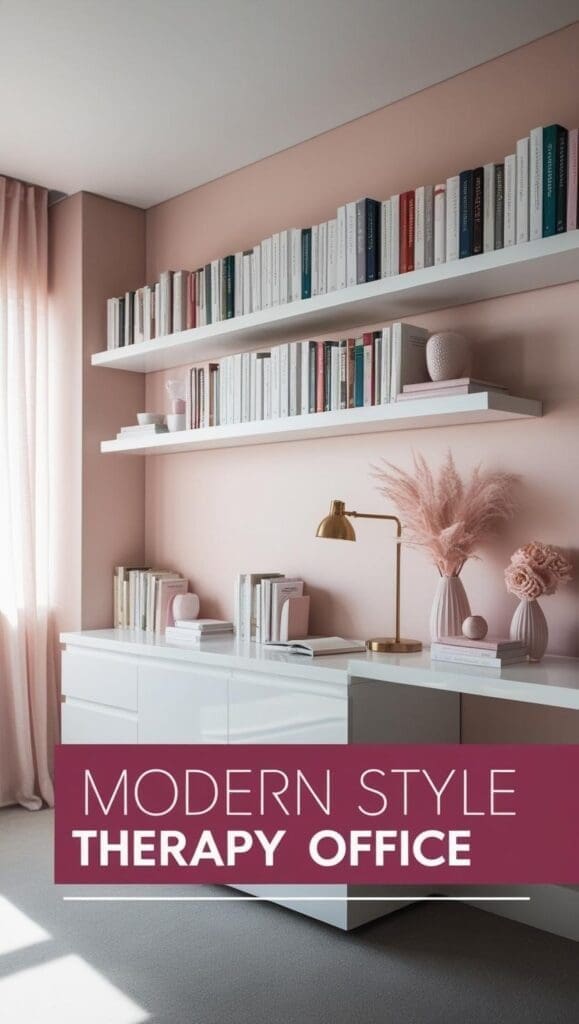
5. Choose Minimalist Furniture for a Clean, Balanced Look
Minimalist furniture isn’t just a trend—it’s a therapeutic tool. Clean lines and intentional simplicity in furniture design help reduce visual overwhelm and create a sense of calm and structure. For therapy offices, this promotes emotional regulation and supports a more focused, present therapeutic experience.
Rather than crowding the space with decorative extras, minimalist furniture emphasizes quality, function, and emotional clarity.
How to implement minimalist furniture in your therapy space:
- Opt for slim, low-profile furniture: Choose pieces that don’t dominate the room. A simple wooden coffee table or a matte-finish side table in neutral tones adds functionality without visual clutter.
- Stick to a consistent material palette: Use natural textures like wood, metal, or matte finishes to maintain cohesion and warmth.
- Limit quantity, increase intention: Instead of multiple small pieces, use one or two purposeful furniture items that create balance—like a sleek console table or a modern open bookshelf.
🛋️ Want to explore beautiful and functional furniture picks for therapists?
Check out this post: 👉 The Best Sofas for Therapy Offices: Comfort, Style, and Layout Tips
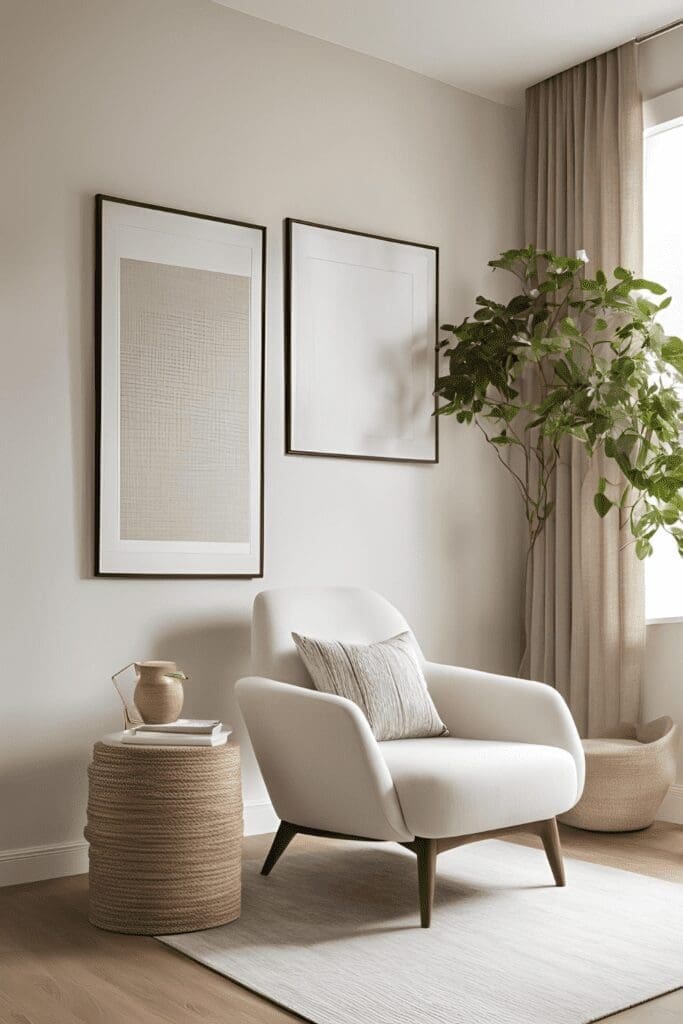
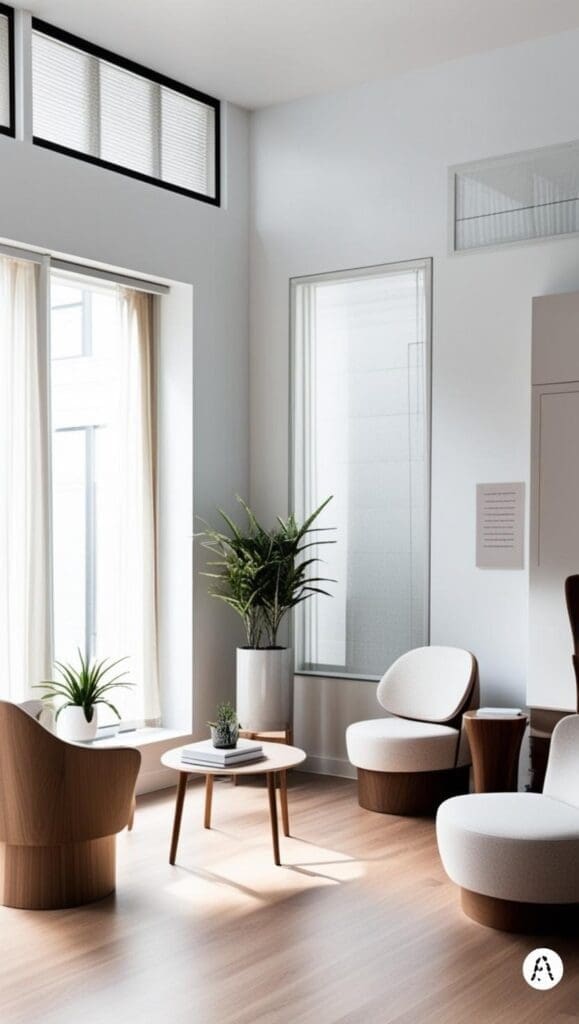
6. Add Greenery for a Calming, Life-Giving Touch
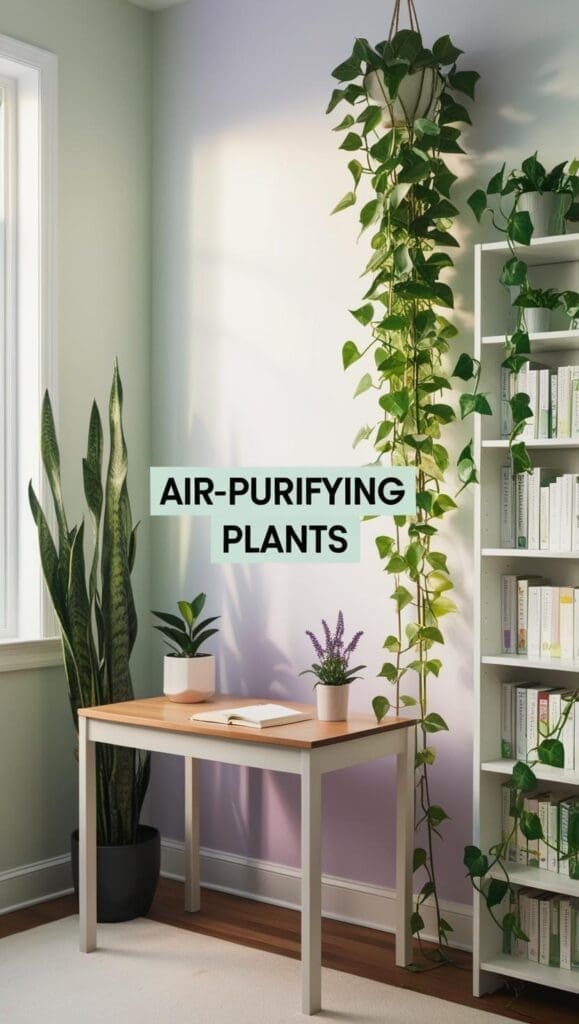
Plants are more than just decorative—they’re a living element that can soothe the nervous system, lower stress levels, and subtly enhance air quality. For therapy offices, adding greenery supports emotional grounding and brings a quiet, nurturing energy into the space.
According to environmental psychology, even a single potted plant can help reduce anxiety and improve mood regulation. It reminds clients (and you!) that growth, stillness, and healing can coexist.
How to implement greenery in a modern therapy office:
- Choose low-maintenance, stress-reducing plants: Snake plants, pothos, ZZ plants, or peace lilies are ideal. They thrive indoors and require minimal care.
- Use minimalist or ceramic planters: Sleek terracotta, matte white, or black modern planters keep the look cohesive and intentional.
- Cluster thoughtfully: Group a few plants near natural light sources or use one statement plant (like a rubber tree or fiddle leaf fig) in a floor planter for visual balance.
🌿 Curious how plants fit into the bigger picture of calming office design?
Explore this article: 👉 Sensory Room Design for Counselors: How to Create Calming Spaces That Support Regulation and Healing
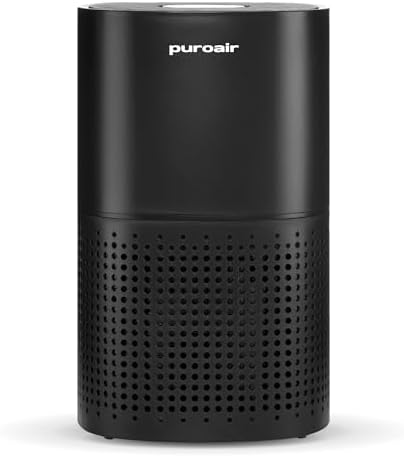
- Cleaner Air in Minutes: PuroAir is proven to filter the pollutants lurking in your home’s air. This large room air purif…
- Powerful Air Filter: PuroAir HEPA air purifiers for home feature a powerful 3-layer filtration system—a pre-filter, HEPA…
- Backed by Science: Lab tested and studied to filter the most common household pollutants with ease. Better filtration me…
7. Keep Artwork Abstract and Intentional
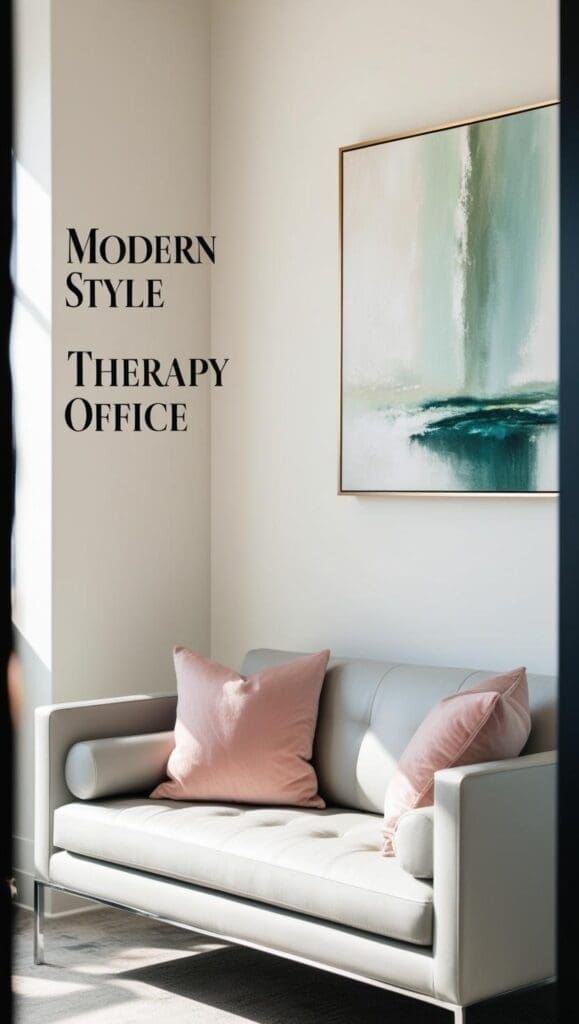
The artwork you display in your therapy office plays a subtle but powerful role in shaping emotional tone. Modern therapy spaces benefit from pieces that are calming, open to interpretation, and intentionally placed. Abstract and nature-inspired art encourages clients to slow down, reflect, and connect without feeling overwhelmed by visual clutter or overly literal imagery.
Psychological studies suggest that abstract art can activate the imagination and support emotional processing, which is particularly useful in therapeutic environments where safety and openness are key.
How to implement calming artwork in a modern therapy office:
- Choose neutral-toned abstract paintings: Look for artwork in muted hues like soft blues, taupes, or sage greens to keep the energy grounded.
- Incorporate nature photography or black-and-white prints: These can evoke serenity and a sense of timelessness, anchoring your space without distracting the eye.
- Keep framing simple and modern: Thin black or wooden frames work well for minimalist designs.
🖼️ Curious how different types of art can influence client emotions and therapy outcomes?
Discover the subtle power of visuals in your space:
👉 How Art Impacts Clients in Therapy Offices – Choosing Meaningful Visuals That Support Healing
Learn how to choose pieces that speak to emotional safety, mood regulation, and personal reflection.
8. Use Soft, Cozy Textiles for Balance
Modern therapy offices often lean into clean lines and minimalism—but without cozy textures, that sleek look can sometimes feel a little too cold. That’s where textiles come in. Adding soft layers helps balance the visual clarity of modern design with the emotional warmth your clients need to feel safe and held.
Why it matters:
Textiles engage the sense of touch and soften the acoustics in a room, making the space more grounded and calming. According to environmental psychology, tactile comfort plays a subtle but powerful role in emotional regulation. Soft fabrics like wool, linen, and cotton can soothe sensory sensitivities and create a sense of physical and emotional coziness.

- Warm and Soft: Our plush weighted blanket for adults features a unique dual-sided design with 260GSM jacquard fleece on …
- Natural Sleep: This heavy weighted blankets feel just like a warm hug, creating a cozy and comforting atmosphere. It hel…
- Even Weight Distribution: This weighted throw blanket for adults boasts a 7-layer design that securely locks ultra-fine …
How to implement:
✔ Lay down a plush area rug under your main seating area. It helps define the space and absorbs sound, which reduces echo and makes conversations feel more intimate.
✔ Drape soft throw blankets over your armchairs or couch. Choose colors that complement your neutral palette—think ivory, oatmeal, blush, or charcoal—and opt for textures like knit, boucle, or lightweight fleece.
✔ Incorporate accent pillows in varied textures (like velvet or linen) to offer additional comfort and visual interest.
✔ Choose natural fabrics when possible. They breathe better and tend to be more soothing for sensory-sensitive clients.
Bonus Tip: Don’t underestimate the power of temperature! Keep a basket of lightweight throws in the corner for clients who may get chilly or simply need the comfort of a soft layer.
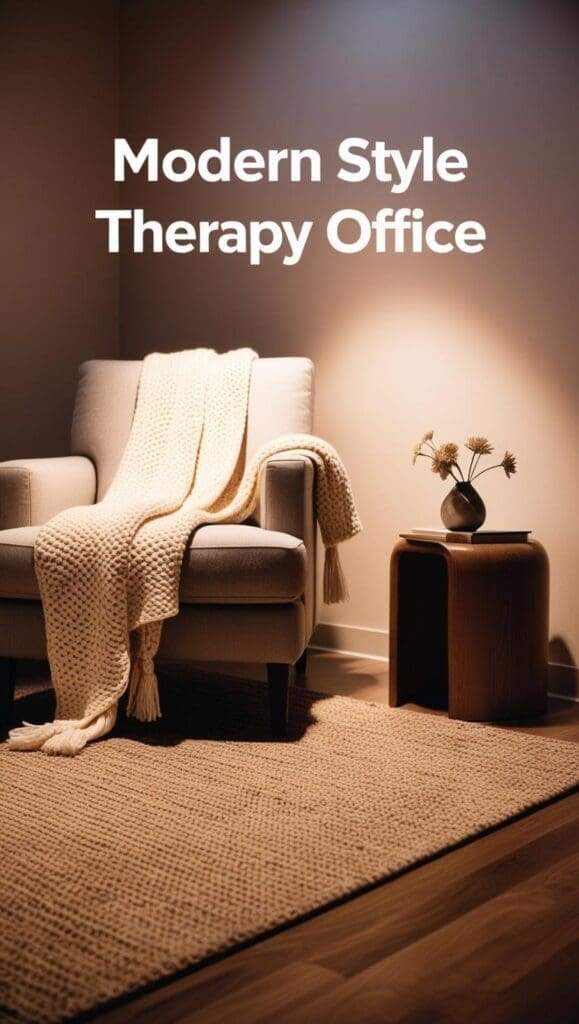
9. Opt for a Statement Desk with Clean Lines
Your desk isn’t just a functional piece—it sets the tone for how organized, present, and focused your workspace feels. In a modern therapy office, a minimalist desk with clean lines adds to the professional yet calming aesthetic while helping reduce visual clutter.
Why it matters:
According to design psychology, workspaces that are visually clean and streamlined can improve focus, reduce decision fatigue, and enhance your sense of control. For therapists, a clutter-free desk can also communicate calm competence and emotional clarity—both of which support your clients’ comfort and trust.
How to implement:
✔ Choose a modern writing desk with slim wooden or matte black metal legs. Look for natural materials and minimal hardware to keep the look soft and grounded.
✔ Keep the surface clear by limiting items to the essentials: a small lamp, a calming plant, and perhaps one beautiful notebook or clipboard.
✔ Incorporate hidden storage, like a slim drawer or a desk organizer tucked neatly underneath, to keep paperwork and tech accessories out of sight.
✔ Add personal touches intentionally—like a ceramic cup for pens or a framed affirmation—just enough to inspire without overwhelming the senses.
Bonus Tip: If your desk faces a wall, hang a calming art print or a vision board that reflects your values or therapeutic style.
Want more ideas for blending style and function in your office setup?
Read: The Ultimate Guide to Setting Up Your First Therapy Office
Or explore: Budget-Friendly Minimalist Therapy Office: How to Achieve a Sleek Look Without Overspending
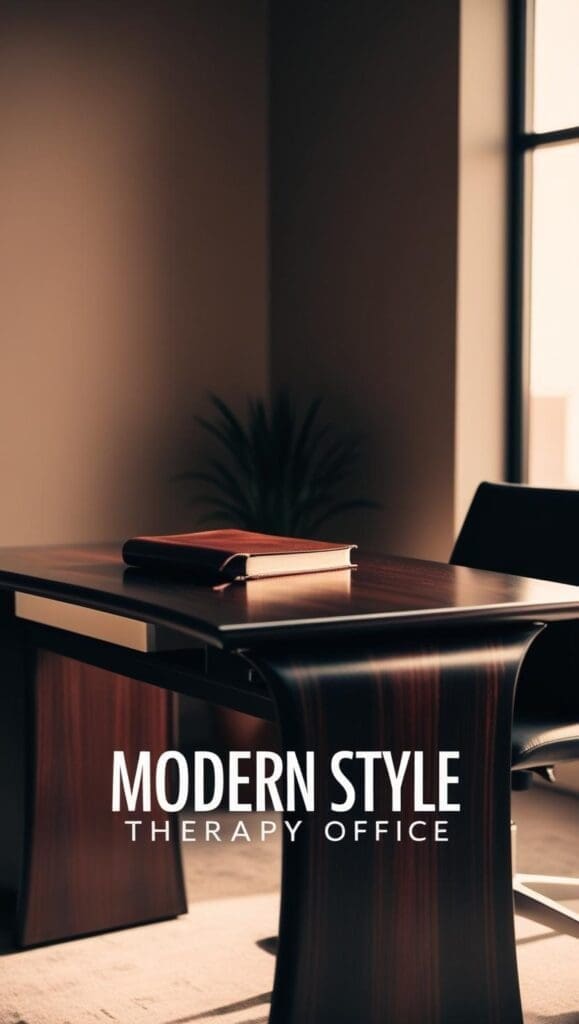
10. Keep the Space Personalized Yet Minimal
Your therapy office should reflect your personality, values, and professional identity—without turning into a distraction for clients. A personalized minimalist space allows you to feel grounded in your work while maintaining a sense of openness and emotional safety for those you support.
Why it matters:
Research on therapeutic environments shows that subtle personal touches can build trust and increase client comfort by giving the space a human feel. However, overstimulation or overly personal decor may blur professional boundaries or overwhelm sensitive clients.
How to implement:
✔ Choose a few meaningful items—like a framed diploma, a quote that resonates with your therapeutic style, or a small object from your training journey.
✔ Opt for clean lines and neutral tones in your personal items, so they complement the overall minimalist decor.
✔ Use a modern scented candle in a matte ceramic or glass vessel—select calming scents like vanilla, sandalwood, or lavender to enhance emotional regulation.
✔ Create balance by limiting personal decor to one or two focal points, such as a shelf vignette or a calming side table arrangement.
✔ Keep the rest of the space neutral, letting your presence and energy be the main personal element in the room.
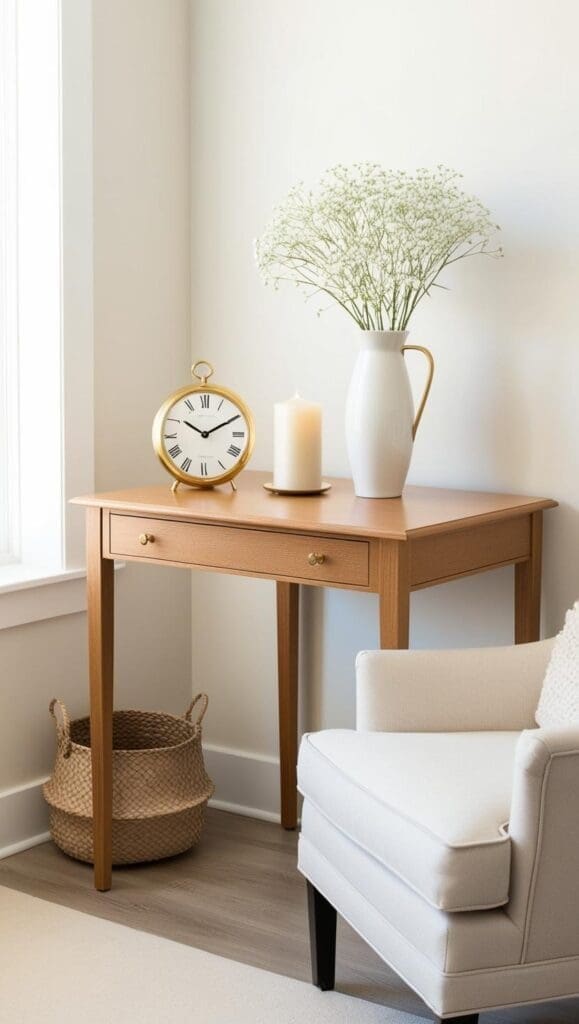
Final Thoughts: Creating a Modern Therapy Office That Feels Like Home
Designing a modern therapy office isn’t just about aesthetics—it’s about intentionally shaping an environment that supports emotional safety, calm, and healing. By blending clean lines, soft textures, and subtle personal touches, you can create a space that feels professional yet welcoming—for both you and your clients.
Remember, your office is more than a workplace. It’s where deep conversations unfold, where clients come to feel seen and supported, and where your presence as a counselor truly matters. Whether you’re refreshing a small corner or transforming your entire space, let these ideas guide you toward a design that aligns with your values, your style, and the peaceful atmosphere you want to cultivate.
Continue Your Office Design Journey:
- The Best Accent Armchairs for Therapy Offices
- No Wiring? No Problem! How to Incorporate Cordless & Rechargeable Lamps in Your Therapy Office
- Spring Decor Ideas for Therapists: Refresh Your Office for a Calming, Uplifting Space
Looking for budget-friendly tips? Don’t miss this:
👉 Budget-Friendly Minimalist Therapy Office: How to Achieve a Sleek Look Without Overspending

About the Author
Hi, I’m Eve, a former school counselor with a master’s degree in School Psychology and a passionate advocate for children and families navigating sensory challenges. As a mom of children with sensory sensitivities, I deeply understand the journey special-needs parents face, and I dedicate myself to researching and sharing practical solutions to help children thrive and feel comfortable in their bodies. My goal is also to empower counselors, therapists, and psychologists with creative strategies and supportive resources to enrich their everyday practice. When I’m not writing or exploring new therapeutic approaches, you’ll find me spending quality time with my family and continually seeking inspiration from everyday moments.