
This post may contain affiliate links, including Amazon Associate links. If you make a purchase through these links, I may earn a small commission at no extra cost to you.
Buying Christmas gifts for a child who worries easily can feel surprisingly complicated.
You want something fun—not a present that feels like therapy homework.
You may also want to avoid a toy that is noisy, competitive, frustrating, complicated to assemble, or destined to create more overwhelm than enjoyment.
And if a child already experiences anxiety, Christmas itself can bring plenty of extra stimulation: changed routines, visitors, travel, school events, anticipation, unfamiliar foods, gift expectations, and the enormous emotional build-up to one particular morning.
All children experience fear and worry sometimes. Anxiety becomes more concerning when worries are persistent or intense enough to interfere with everyday activities such as school, play, sleep, friendships, or separation from caregivers.
A Christmas gift cannot treat childhood anxiety, and it should never be presented as a substitute for appropriate support. If a child’s anxiety is significantly interfering with everyday life, professional evaluation and treatment may be helpful.
But thoughtful gifts can still do something valuable.
They can offer enjoyable ways to create, move, connect, settle into a familiar activity, express feelings, or simply have fun without too much pressure.
That is the idea behind this guide.
These Christmas gifts for anxious kids are not “anxiety cures.” They are gifts chosen around comfort, creativity, manageable challenge, predictable play, connection, movement, and the child’s individual interests.
And that last part matters most.
The best gift for an anxious child is still a gift for that particular child.

Quick Picks: What Kind of Gift Might Suit Your Child?
If your child tends to enjoy quiet, familiar activities, try a puzzle, drawing set, building kit, audiobook, or cozy reading gift.
If they need their hands busy, try modeling clay, sensory putty, LEGO-style building sets, crafts, or tactile projects.
If they feel better through movement, consider stepping stones, an age-appropriate balance toy, outdoor play equipment, or a movement-based game.
If they worry about bedtime, a warm night light, comforting book, soft blanket, or familiar audio routine may be more appealing.
If they open up more while doing something together, choose a cooperative game, baking set, family craft, or shared experience.
If they become overwhelmed by lots of presents, one carefully chosen gift may be better than several “calming” products.
HealthyChildren notes that predictable, consistent routines can be helpful for children, including during school breaks when usual schedules change. That does not mean every anxious child needs routine-based gifts, but it is one reason familiar, easy-to-understand activities can sometimes be more inviting than high-pressure novelty.
25 Christmas Gifts for Anxious Kids

1. A Cozy Reading Blanket
A soft blanket is simple, but that is part of its appeal.
It can become part of reading, movie nights, quiet time, or a familiar bedtime routine without demanding anything from the child.
Choose something:
- washable
- appropriately sized
- soft rather than scratchy
- in a color or theme the child genuinely likes
Avoid turning it into a “calm-down blanket” unless the child wants to use it that way.
Sometimes a blanket should simply be a lovely blanket.
Best for: readers, cozy kids, children who enjoy quiet corners.
Skip it if: your child dislikes being wrapped in fabric or already has plenty of blankets.

- 【Perfect Book Lover Gifts】This book blanket is a perfect gift option for those with a passion for reading. It’s a tangib…
- 【Gifts for Readers】With nice prints and bright colors, this blanket is a good gift for teachers, librarians, and bookwor…
- 【Warm Companionship】This blanket not only provides warmth but also symbolizes the companionship of reading. When you cur…
2. A Warm, Adjustable Night Light
For a child who dislikes a completely dark bedroom, a small night light can be a thoughtful Christmas gift.
Look for:
- adjustable brightness
- simple controls
- warm rather than harsh light
- easy charging or safe plug-in use
- a design that does not project constantly moving patterns unless the child enjoys them
A light is not treatment for nighttime anxiety, but it can make a bedroom feel more comfortable.
Best for: children who already prefer some light at night.
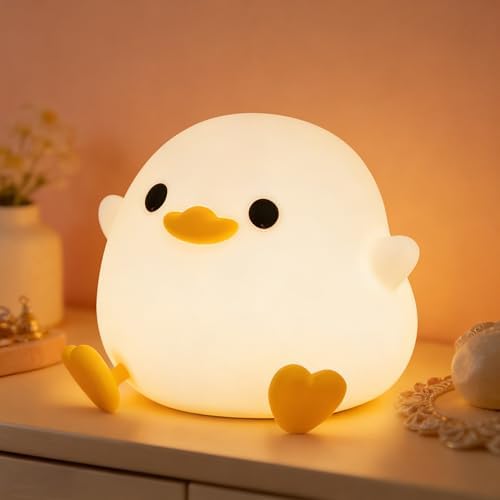
- ADORABLE DODO DUCK DESIGN KIDS ADORE: Bring home the cutest dodo duck night light inspired by the trendy pea-shaped duck…
- FOOD-GRADE SILICONE – 100% SAFE FOR BABIES : Made from non-toxic,BPA-free, food-grade silicone that is soft, durable, an…
- 20-MINUTE TIMER + 2-LEVEL DIMMABLE GLOW+TOUCH CONTROL : Simply tap the duck’s body to cycle through two brightness level…
3. An Audiobook Player or Story Collection
Stories can create a predictable transition during quiet time, car rides, or bedtime.
Depending on age, this could be:
- an audiobook player
- downloaded audiobooks
- story cards
- a collection of favorite audio stories
Choose familiar themes or interests rather than assuming a relaxation story will automatically appeal.
Best for: children who love listening but do not always want to sit and read.

- MADE FOR INDEPENDENT PLAY: Designed with kid-friendly, intuitive controls, Toniebox 2 lets listeners explore stories, so…
- GROWS WITH YOUR KIDS: Designed for ages 1–9+, Toniebox 2 is built to last with hundreds of Tonies and Tonieplay games to…
- SMART BEDTIME AND WAKE-UP FEATURES: The Sleep Timer with Light and Sunrise Alarm help lay foundations for great sleep ro…
4. A Comfort Item Based on a Favorite Character or Interest
A stuffed animal, character pillow, small figure, or familiar collectible can be more meaningful than a product marketed specifically for anxiety.
Strong interests can make a gift feel immediately recognizable and enjoyable.
The important question is not:
“Is this therapeutic?”
It is:
“Does this child love it?”
Best for: children with favorite animals, books, shows, hobbies, or characters.
5. A Simple Visual Clock or Routine Timer
Some children enjoy being able to see how much time remains before a transition.
A visual timer or easy-to-read clock can be useful for routines such as:
- getting ready
- homework
- screen-time transitions
- bedtime
- leaving the house
But this is highly individual.
For some children, watching time count down may create more pressure rather than less.
Best for: children who already respond well to visible time cues.
Skip it if: countdowns tend to increase urgency or worry.
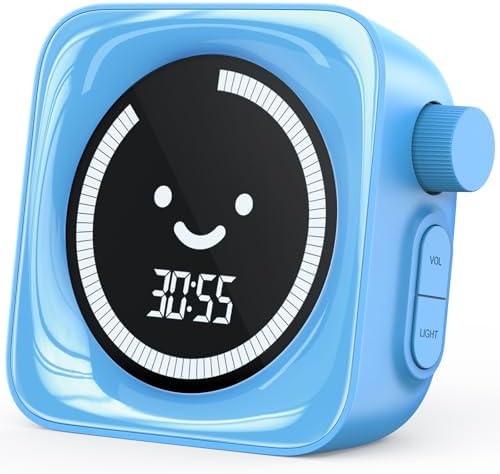
- 🎉【Joyful Time Management】 Our Visual Timer features a unique, child-friendly interface with a cute smiley face and visua…
- ⏳【Up to 99 Minutes of Fun】 Say goodbye to noisy mechanical timers! Our digital timer offers precise timing without the a…
- 🔄【Count Up & Down with Ease】 The intuitive knob design makes adjusting the time a breeze. Whether you need to count up, …
Creative Christmas Gifts for Kids Who Worry
6. A Quality Art Set
Art gives children something concrete to do with their hands without requiring them to explain how they feel.
Look for an age-appropriate set containing materials the child will realistically use.
A smaller collection of good supplies is often better than a giant 200-piece box filled with twenty unfamiliar tools.
Consider:
- colored pencils
- markers
- watercolor
- sketchbook
- pastels
- simple paint set
Best for: children who already enjoy drawing or making things.

- 8 Vibrant RGB Colors And 6 Dynamic Modes Bring Creativity to Life: Unlock endless possibilities with light and shadow! T…
- Rechargeable Design & Portable Stand for Play Anywhere: Say goodbye to cable clutter and embrace wireless creativity! Th…
- Play While Learning, Cultivating Expression and Focus: This led note board is designed for creative growth! Featuring a …
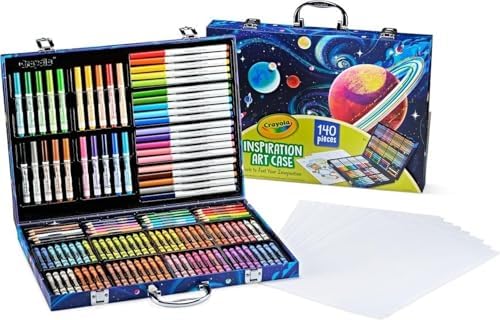
- 140-PIECE CRAYOLA ART KIT: Includes 64 Crayola Cayons, 40 Washable Markers, 20 Short Colored Pencils, 15 Large Drawing S…
- VIBRANT COLORING SUPPLIES: This art set features a wide range of bold and bright colors—perfect for school projects, cra…
- PORTABLE & ORGANIZED: The lightweight Crayola art case includes compartments, locking latches, and a handle—ideal for tr…
7. Modeling Clay or Air-Dry Clay
Clay provides open-ended tactile play with very few rules.
Children can:
- squash it
- roll it
- build characters
- make ornaments
- create tiny worlds
- start again
That flexibility can make it a pleasant option for children who become frustrated by crafts that need to look a particular way.
Best for: hands-on creators.
Simpler alternative: ordinary play dough for younger children.
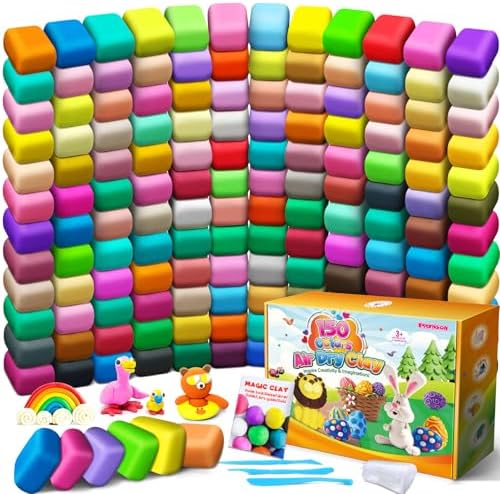
- Clay for Kids: This air dry clay kit comes in 150 different colors. Plus, you can combine it in any way you like to achi…
- Imagination and Creativity: Boost your little one’s creativity, help them develop fine motor skills, and enhance hand-ey…
- Gifts for Kids: Modeling clay air dries completely in 24 hours. This complete magic clay is perfect for a birthday gift …
8. An Open-Ended Building Set
Building toys can offer structure without requiring one “correct” outcome.
Depending on age and interest, this might include:
- LEGO-style bricks
- magnetic construction pieces
- wooden blocks
- mechanical building sets
A child can follow instructions when they want predictability or invent something independently when they want freedom.
If building is already a favorite activity in your family, you may also enjoy Eveyou’s guide to building emotional resilience through LEGO play.
Best for: builders, collectors, problem-solvers.
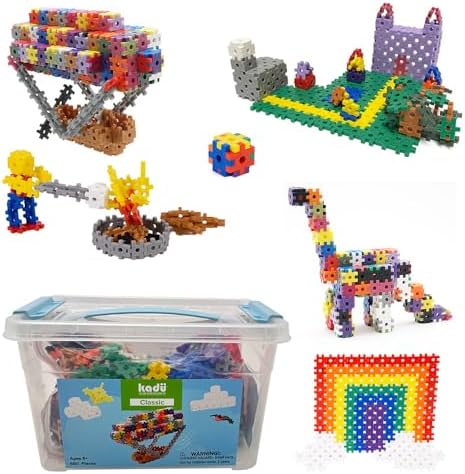
- 680 pieces in a Re-usable Storage Tub – Ages 5+ – Each piece measures 0.78 x 0.78 x 0.16 inches
- One Simple Shape – There may only be one shape but, in the words of a seven-year-old, you “can build anything, really.” …
- Easy To Build With – Anyone that can resist popping them into their mouths can build something fun with Kadu. Little bui…
9. A Puzzle Chosen at the Right Difficulty
Puzzles can be wonderfully absorbing when the challenge level is right.
The key phrase is when the challenge level is right.
A 1,000-piece puzzle is not automatically a more impressive gift than a 200-piece one.
Choose according to:
- age
- patience
- existing puzzle experience
- favorite themes
- whether the child likes working alone or with someone
Best for: children who enjoy predictable problem-solving.
Skip it if: puzzles routinely become a source of frustration.
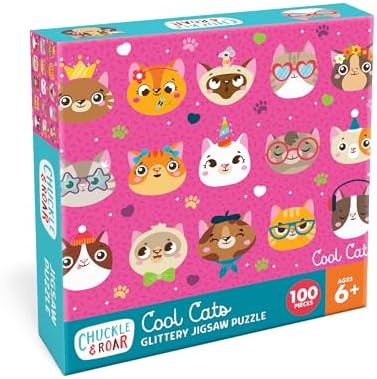
- Purr-fectly Glittery Fun: The Chuckle & Roar Cool Cats Glitter 100 Piece Jigsaw Puzzle dazzles with sparkly accents, add…
- Reference Ready: Included poster acts as a built-in guide, making assembly a breeze for little puzzle pros. With a handy…
- Substantial Puzzle Play: With a 100-piece format, this jigsaw puzzle captivates young minds and holds their attention, b…
10. A Low-Pressure Craft Kit
Look for crafts with room for personalization rather than kits where the finished product needs to match one perfect picture.
Ideas include:
- bracelet making
- bead kits
- simple sewing
- collage
- paper crafts
- ornament decorating
- sticker mosaics
The goal is enjoyment, not performance.
Best for: children who like making something they can keep or give away.

- Easy to Make: Unique and tons of fun! Step-by-step instructions for different bracelet styles help children get hang of …
- Birthday Gift for Girls: Awesome DIY craft kits for birthday, party, family game time, travel activities and just-becaus…
- DIY Jewelry Making Kits for Girls: Create 16 patterns bracelets with your unique clasps. And 30 fashion designed sticker…
Gifts That Give Busy Hands Something to Do
11. Sensory Putty
Putty can be squeezed, stretched, rolled, and manipulated while a child is listening, watching something, or taking a break.
Choose age-appropriate products and consider:
- texture
- smell
- stickiness
- mess
- small pieces
- manufacturer age guidance
Not every child finds tactile materials pleasant.
Best for: children who actively seek this kind of hands-on input.
Skip it if: sticky textures are disliked.
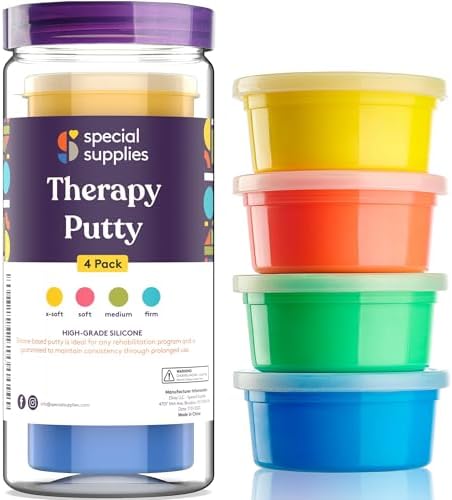
- Stretchy Soft Therapy Putty – This hand therapy putty is designed to stimulate your hands and fingers while improving st…
- Fun Colors – Every set of our therapy putty for adults and teens comes with 4 individual containers of putty, each with …
- Strengthens Hand Muscles – Occupational therapy putty is a great way to strengthen the joints and muscles in your hands …
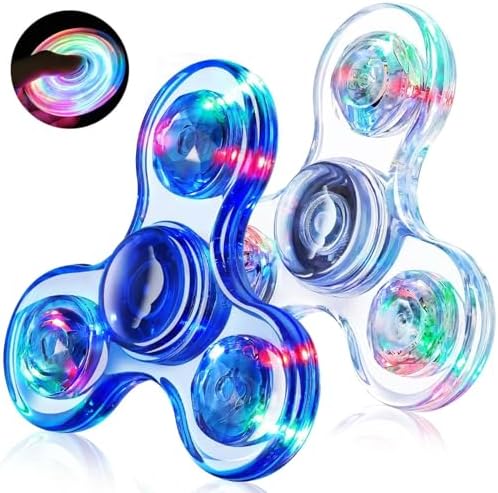
12. A Small Fidget Collection
Instead of buying an enormous bucket of fidgets, consider two or three styles the child actually enjoys.
Possibilities include:
- smooth worry-style objects
- quiet squeeze toys
- twistable fidgets
- textured rings
- simple hand manipulatives
The best fidget is usually the one the child uses naturally—not the one with the longest list of therapeutic claims.
Best for: children who already like keeping their hands occupied.
13. Sticker Books or Reusable Sticker Scenes
These are especially useful for younger children who enjoy detailed but low-pressure activities.
Reusable scenes allow repeated play without the finality of placing a sticker in the “wrong” spot.
Choose themes based on interest:
- animals
- space
- fantasy
- vehicles
- houses
- nature
Best for: quiet travel, waiting, independent play.
14. Coloring Supplies With a Good Sketchbook
You do not need to label coloring as a mindfulness exercise for it to be enjoyable.
A quality sketchbook plus colored pencils or markers can become a simple Christmas gift for a child who likes doodling.
Older children may prefer:
- illustration books
- lettering
- fashion sketching
- manga-style drawing
- architecture
- nature journaling
Interest matters more than the “calming” label.
15. A Detailed Activity Book
For some children, having a clear activity to complete feels easier than inventing something from scratch.
Look for:
- mazes
- seek-and-find
- dot-to-dot
- logic activities
- puzzles
- drawing challenges
Again, match difficulty carefully.


Christmas Gifts That Make Feelings Easier to Talk About
16. A Drawing Journal
A blank journal can be less intimidating than a heavily structured “anxiety workbook.”
Children can use it for:
- drawing
- comics
- lists
- stickers
- stories
- writing worries
- recording favorite memories
Let the child decide what belongs inside.
Best for: older elementary children, tweens, creative kids.
17. An Age-Appropriate Feelings Card Deck
Feelings cards can be useful during family conversations, games, or quiet one-on-one time.
Look for a deck that includes more emotional vocabulary than simply:
happy, sad, angry, scared.
It is often helpful to have words such as:
- disappointed
- nervous
- embarrassed
- overwhelmed
- proud
- relieved
- uncertain
- frustrated
But do not require the child to turn Christmas morning into a feelings lesson.
Offer the resource later when it is useful.
Best for: families who already talk openly about emotions.
18. Storytelling Cards or Story Dice
Indirect storytelling can sometimes make emotional themes easier to explore than direct questioning.
A child can create stories about:
- characters
- problems
- surprises
- friendships
- adventures
- solutions
The story does not have to secretly be “about their anxiety.”
It can simply be play.
Best for: imaginative children, siblings, family play.
19. A Worry or Reflection Journal for Older Kids
For a child who already enjoys writing, a guided journal can provide prompts around thoughts, hopes, plans, and worries.
Choose one carefully.
Avoid products that promise to eliminate anxiety or imply that the child should be able to “think positively” until difficult feelings disappear.
A journal should create space for reflection, not become another assignment.
Best for: tweens and older children who like writing.
Skip it if: journaling feels like homework.
Connection-Based Gifts for Anxious Kids
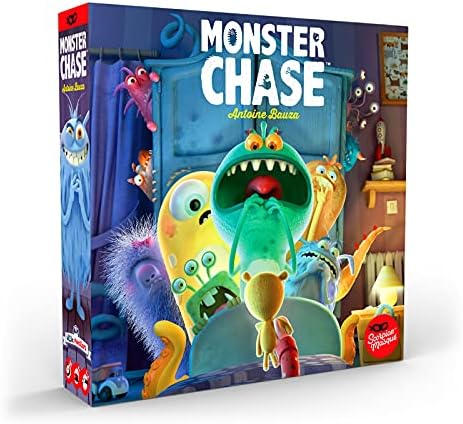
20. A Cooperative Board Game
Not every anxious child dislikes competition, but some children enjoy games more when everyone is working toward the same goal.
A cooperative game can turn the focus toward:
- teamwork
- planning
- shared humor
- solving something together
Check:
- recommended age
- playing time
- rule complexity
- number of players
A 90-minute strategy game is not a low-pressure gift for a child who loses interest after fifteen minutes.
Best for: family game nights and siblings.
21. A Parent-Child Baking Kit
A baking gift is not really about the mixing bowl.
It creates a planned activity you do together.
You can put together:
- child-size apron
- simple recipe
- cookie cutters
- baking tools
- favorite decorating supplies
Choose recipes with a reasonably forgiving process if perfectionism tends to make activities stressful.
Best for: children who enjoy kitchen activities and shared projects.
22. A Two-Person Craft Project
Instead of giving a craft kit and sending the child away to complete it alone, choose something you can make together.
Ideas include:
- paint-your-own ornaments
- bracelet kits
- simple pottery
- scrapbook project
- model building
For children who are feeling worried or disconnected, the shared time may be more valuable than the finished craft.
23. An Experience Gift
An experience can work beautifully when it matches something the child already enjoys.
Possibilities include:
- movie outing
- pottery painting
- aquarium visit
- skating
- favorite museum
- bookshop trip
- baking afternoon
- craft workshop
If surprises are difficult for the child, do not hide every detail.
Tell them enough about the plan to let anticipation remain enjoyable.


Movement Gifts for Kids Who Need to Move
24. Indoor Stepping Stones or a Simple Balance Toy
Some children enjoy movement when they are tense, restless, or simply full of energy.
Stepping stones or age-appropriate balance equipment can turn indoor movement into play.
Before buying, consider:
- child’s age
- available space
- product weight limits
- surface stability
- supervision requirements
- manufacturer safety guidance
Best for: active children with enough safe indoor space.
Simpler alternative: outdoor movement equipment or a family movement game.
25. An Outdoor Gift Built Around Something They Already Love
Sometimes the best “calming gift” has nothing to do with sitting still.
Think:
- scooter
- ball
- bike accessory
- nature-exploration kit
- beginner camera
- binoculars
- gardening set
- snow-play equipment
If being outside and moving is something the child genuinely enjoys, build the gift around that interest.
The point is not to make the child calm.
The point is to give them something enjoyable that fits who they are.
How to Choose Christmas Gifts for an Anxious Child
Shopping becomes easier when you stop looking for products marketed specifically for anxiety.
Ask these questions instead.
What Does This Child Already Do When They Feel Comfortable?
Do they:
- draw?
- build?
- move?
- read?
- listen to stories?
- collect things?
- play beside someone?
- make crafts?
- spend time outdoors?
Start there.
Christmas does not need to introduce an entirely new coping system.
Does the Gift Add Pressure?
A gift can become surprisingly stressful when it comes with:
- complicated instructions
- a performance expectation
- competition
- an audience
- a strict outcome
- too many pieces
- a skill level far above the child’s current ability
Challenge is not bad.
But the gift should still have a realistic entry point.
Is It Actually Appropriate for Their Sensory Preferences?
Products marketed as “sensory” are not universally soothing.
A child may love:
- squishy textures
and dislike:
- weighted pressure.
Another may love:
- spinning movement
and dislike:
- soft fuzzy fabrics.
A third may want no sensory gadget at all.
Choose based on the child’s demonstrated preferences rather than the marketing label.
Does It Encourage Connection or Avoidance?
Comfort matters, but the goal is not to build a life in which the child must avoid every uncertain or difficult situation.
Evidence-based treatment for childhood anxiety can include helping children gradually face fears while learning coping skills, rather than avoiding feared situations completely.
So a comfort object can be supportive.
A family game can create connection.
A quiet activity can provide a break.
But a gift should not be sold as a way to help a child escape every situation that brings worry.
What Not to Buy Just Because a Child Has Anxiety
A Giant “Calm-Down Kit” They Never Asked For
Twenty sensory tools are not automatically more helpful than one favorite activity.
Products That Promise to Treat Anxiety
Be cautious about products advertised as if a toy, supplement, gadget, or sensory tool can treat a diagnosed anxiety disorder.
A Gift That Highlights the Child’s Anxiety in Front of Everyone
A Christmas gift should feel like a gift.
If the child would feel embarrassed opening a box labeled “ANXIETY RELIEF KIT” in front of relatives, choose something more discreet.
Something You Hope Will Change Their Personality
A quiet child does not need a gift designed to make them outgoing.
A cautious child does not need a gift designed to make them fearless.
Choose something that supports enjoyment and participation without making the present a correction.
Christmas Morning Can Matter as Much as the Gift
If Christmas itself tends to be overwhelming, consider simplifying the way presents are given.
A child may prefer:
- opening gifts slowly
- taking breaks
- knowing roughly what will happen
- playing with one gift before opening another
- having a familiar breakfast
- staying in pajamas
- opening gifts with fewer people present
- saving some presents for later
Predictable routines can help children navigate breaks from school and other changes in schedule.
You do not need to create a rigid Christmas schedule.
Just notice whether the celebration itself is creating more pressure than the presents.
For families wanting a quieter December rhythm, Eveyou’s Mindful Advent Calendar offers 24 gentle activities that can be adapted for family use.
Shop Christmas Gifts for Anxious Kids by Interest
Once your verified affiliate links are ready, this can become the main shopping summary.
For the creative child: art set, clay, craft kit, drawing journal.
For the builder: building set, magnetic construction toy, puzzle.
For the child who loves cozy time: blanket, night light, audiobook.
For busy hands: putty, fidget, stickers, coloring supplies.
For the child who likes talking through stories: storytelling cards, feelings cards, journal.
For connection: cooperative game, baking kit, shared craft, experience gift.
For movement: stepping stones, balance toy, outdoor activity gift.
A curated Storefront list such as Thoughtful Gifts for Kids Who Worry Easily could work well here, provided the products are selected for genuine fit rather than marketed as anxiety treatments.
A Note for Parents: When Worry Needs More Than a Gift
Some fear and worry are a normal part of childhood.
But if anxiety is persistent, extreme, or interfering with school, sleep, friendships, family life, play, separation, or everyday activities, it is worth discussing those concerns with a pediatric health professional or qualified mental health professional.
A thoughtful Christmas gift can support comfort, play, connection, or expression.
It cannot diagnose or treat an anxiety disorder.
And a child needing more support does not mean you chose the wrong toys, routines, or parenting approach.
Related Christmas Gift Guides
Comparing ideas for more than one child? Explore Christmas gifts for kids with ADHD, interest-led Christmas gifts for autistic kids, and Christmas gifts for kids with big feelings.
Final Thoughts
The best Christmas gifts for anxious kids are often not products labeled for anxiety at all.
They are simply gifts that fit the child.
A building set for the child who can spend an hour creating tiny worlds.
A blanket and book for the child who loves disappearing into stories.
Clay for the child whose hands always need something to do.
A cooperative game for the child who relaxes when everyone is working together.
A baking kit for the child who most wants your time.
Or outdoor equipment for the child who feels happiest moving.
Instead of asking:
“What gift will calm this child down?”
try asking:
“What kind of play, creativity, movement, or connection helps this child feel most like themselves?”
That question is more respectful.
It is also much more likely to lead you toward a Christmas gift they will genuinely want to open.

About the Author
Hi, I’m Eve, a former school counselor with a master’s degree in School Psychology and a passionate advocate for children and families navigating sensory challenges. As a mom of children with sensory sensitivities, I deeply understand the journey special-needs parents face, and I dedicate myself to researching and sharing practical solutions to help children thrive and feel comfortable in their bodies. My goal is also to empower counselors, therapists, and psychologists with creative strategies and supportive resources to enrich their everyday practice. When I’m not writing or exploring new therapeutic approaches, you’ll find me spending quality time with my family and continually seeking inspiration from everyday moments.

