
This post may contain affiliate links, including Amazon Associate links. If you make a purchase through these links, I may earn a small commission at no extra cost to you.
What do you buy for a child who feels everything intensely?
The child who can go from delighted to furious in thirty seconds.
The child who wants to build something perfectly, gets stuck, and suddenly wants nothing to do with it.
The child who stomps, yells, cries, tears paper, slams a door, or simply disappears into another room when frustration becomes too much.
Search online for gifts for kids with anger issues, and you will find plenty of “calm-down kits,” punching products, emotion toys, and sensory tools.
Some may be useful.
But Christmas should not feel like a behavior plan wrapped in festive paper.
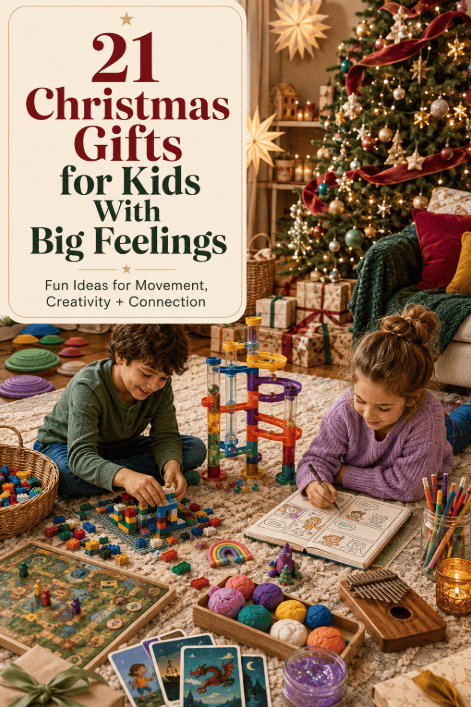
The best Christmas gifts for kids with big feelings are still gifts: things a child genuinely wants to move with, build, create, explore, squeeze, play, or enjoy with someone they trust.
Anger itself is not a bad emotion. Children can feel angry without hurting people or damaging things, and adults can help them learn safer ways to communicate and respond to those feelings.
A toy cannot teach emotional regulation on its own, and it certainly cannot treat persistent aggression or severe emotional outbursts. But the right gift can give a child enjoyable opportunities for movement, creativity, problem-solving, expression, and connection.
That is the approach behind these 21 ideas.
Before You Shop: What Is Behind the Big Feeling?
Before looking for a “calming gift,” think about what usually happens before the child becomes upset.
Is frustration most likely when:
- something does not work immediately?
- they lose a game?
- plans change?
- they are physically restless?
- they cannot explain what is wrong?
- the environment becomes overwhelming?
- they are tired or hungry?
- a sibling enters their space?
- a difficult task feels impossible?
- they need connection but do not know how to ask?
You do not need to diagnose the reason.
You are simply looking for patterns.
A child who needs movement may enjoy a very different gift from a child who wants to draw quietly after a difficult day.
A child who becomes furious when crafts do not look “right” may prefer clay or open-ended building over a highly detailed craft kit.
A child who wants your attention may get more enjoyment from a two-person project than another solo sensory toy.
Quick Picks by Child
Loves movement: stepping stones, balance board, outdoor play equipment.
Loves building and rebuilding: bricks, magnetic construction pieces, marble run.
Gets frustrated by one-right-answer activities: clay, open-ended art supplies, construction toys.
Likes keeping hands busy: familiar putty, simple fidget, tactile craft.
Has difficulty talking about feelings: drawing set, comic kit, storytelling cards.
Needs connection after hard moments: cooperative game or shared experience.
Already owns too many toys: experience gift or upgraded materials for a favorite hobby.
21 Christmas Gifts for Kids With Big Feelings
Gifts for Kids Who Need to Move
For additional no-equipment options, see these movement-based brain breaks for kids.
1. Indoor Stepping Stones
Stepping stones can turn ordinary movement into a game.
Children can create obstacle courses, invent challenges, play “the floor is lava,” or arrange them in different patterns.
The benefit here is not that stepping stones “release anger.” They simply provide an enjoyable physical activity for a child who already likes to move.
Look for:
- manufacturer age guidance
- weight limit
- nonslip bases
- easy storage
- enough space to use them safely
Best for: active children with safe indoor floor space.
Skip it if: your home does not realistically have room.

- Promote Balance and Coordination – This 10-piece stepping stones set promotes physical activity and active play, inspiri…
- Bright, Colorful Blocks – Our kid’s stepping stones come in seven gender neutral colors for boys and girls to play alone…
- Varying Heights and Sizes – To better challenge your child and increase their fun and excitement, we’ve included these s…
2. A Balance Board
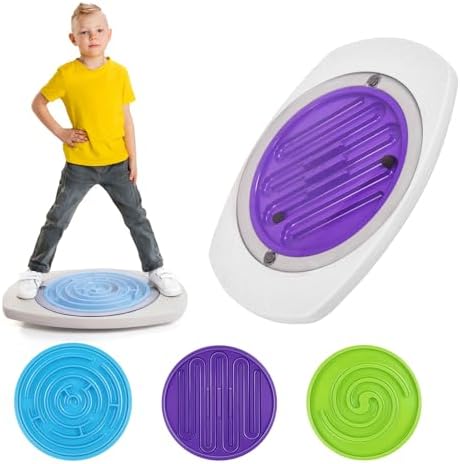
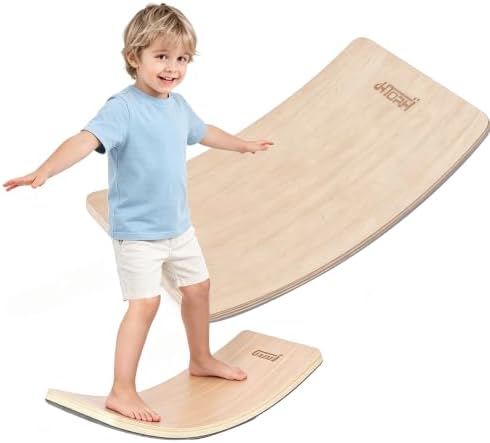
A balance board offers open-ended movement without needing complicated rules.
Some children rock gently. Others invent pretend games, bridges, ramps, or balancing challenges.
Choose according to age, size, weight recommendations, and available space.
Best for: children who already enjoy balancing and physical play.
Simpler alternative: a homemade floor obstacle course using cushions, tape lines, or outdoor movement.

3. An Obstacle-Course Set
Cones, hoops, markers, crawling tunnels, or simple movement stations can turn the backyard or playroom into something new every time.
Unlike a one-purpose toy, the child can rearrange the course repeatedly.
Best for: children who enjoy inventing physical challenges.
Buying tip: avoid enormous sets if you have nowhere to store them.

- 4-in-1 Design: This 4-in-1 outdoor play toys balance beam combines a balance beam, flag game, obstacle jumps, and ring t…
- 15+ Ways to Play: The bridge and piers interlock securely into S-shapes, C-shapes, loops, or custom routes. Children des…
- Sensory 3D Training: The undulating bridge surface, multi-textured bridge piers, and vibrant colors create a sensory bal…
4. A Scooter, Ball, or Outdoor Activity Gift
Sometimes the best gift for a child with intense emotions has nothing to do with emotions at all.
If they love being outside, consider something that expands an activity they already enjoy:
- scooter
- basketball
- soccer equipment
- roller skates
- bike accessories
- nature exploration kit
Follow product age, protective-equipment, and supervision guidance for riding or active equipment. General toy safety guidance also recommends paying attention to age labeling and product-specific hazards.

- BUILT TO LAST: Tired of thin, cheap plastic toys that break after one use? Our Wooden Bug Catching Kit is crafted from p…
- LET THEM CATCH & RELEASE:Promote ecological empathy with our “Safe & Non-Injury Arrest” design. The kids adventure kit f…
- STEM EDUCATION & SCREEN-FREE FUN:Give your kids the ultimate “Scientist Gear”. Beyond just catching bugs, this kids outd…
5. An Active Family Game
Look for games that involve movement, acting, racing against a personal challenge, scavenger hunts, or silly physical tasks.
If losing regularly triggers intense frustration, cooperative or team-based formats may be easier to enjoy—but there is no need to avoid competition forever.
The goal is choosing a Christmas gift the child can actually enjoy now.

- Classic Twister gameplay
- Larger mat with more spots
- The last player standing wins
Gifts for Building, Breaking Down and Trying Again
6. Open-Ended Building Bricks
Building bricks are excellent for children who enjoy making, dismantling, rebuilding, and changing their ideas.
A tower falls?
Start again.
The vehicle does not work?
Change the wheels.
The dragon suddenly needs six wings?
That works too.
This kind of play offers repeated opportunities to encounter small frustrations without a single required finished result.
For more ways to use building play around emotional development Building Emotional Resilience Brick by Brick: How to Use a LEGO Wall in Therapy and at Home.

- FRUSTRATION-FREE BUILDING – PicassoTiles Hedgehog shape blocks offer easy connectivity and simple to disconnect to maxim…
- EDUCATIONAL TOY – Never too early to start developing kids’ creativity. Children can acquire strong sense of color, stru…
- LEARNING IS FUN – Encourage creativity for STEM (science, technology, engineering, art, and mathematics) education which…
7. Magnetic Building Tiles
Magnetic tiles allow children to construct quickly and change direction just as quickly.
They are especially appealing for children who like:
- patterns
- towers
- houses
- pretend worlds
- repetitive building
Choose well-constructed products designed for the child’s age, regularly inspect them for damage, and keep magnetic pieces away from younger children if parts could become accessible. High-powered loose magnets can cause severe injury if swallowed.

- Larger Magnetic Tiles Set: 110PCS in total including 36 squares, 24 Regular Triangle, 8 Long triangle, 12 Right Triangle…
- High Quality and Safe Materials: The magnet tiles set is made of high quality ABS plastic, NO LEAD, ASTM-approved. Stron…
- Bright Colors and Safe Design: High transparence, bright colors, rainbow shadow will show up when the light shine throug…
If the child already enjoys magnetic construction play, explore these magnetic tile ideas for feelings, friendship, and problem-solving.
8. Marble Run
A marble run naturally involves experimentation.
Build.
Test.
Something fails.
Move a piece.
Try again.
For a child who loves cause-and-effect play, that process can be more enjoyable than a toy with one fixed outcome.
Best for: builders who like repeated testing.
Buying tip: match the number of pieces to the child’s patience and current building ability.

- All-Inclusive Marble Extravaganza: Our 236 Pcs Elevator Marble Run Toy Set is here to take Play period to new heights! I…
- Innovative Elevator Magic: The unique elevator feature elevates this marble race track from cool to WOW! It’s a rush wat…
- Sturdy and Higher Quality: Made with durable materials, our marble runs for kids withstand the test of Play period. This…
9. Domino or Chain-Reaction Building Set
Domino runs and chain-reaction sets can be satisfying for children who enjoy arranging, testing, knocking down, and rebuilding.
They also offer a useful buying lesson:
If a child becomes devastated every time a setup falls before completion, start with a smaller set.
More pieces do not automatically create more fun.
10. An Age-Appropriate Engineering Kit
For older children who love figuring out how things work, a mechanical or engineering kit may be a great fit.
Check:
- reading level
- number of steps
- adult help required
- extra tools needed
- whether projects can be rebuilt
Avoid buying a kit so advanced that an adult ends up doing most of the project.
Creative Gifts for Anger, Frustration and Emotional Expression
11. Modeling Clay
Clay is one of my favorite options for children who dislike crafts with one “correct” result.
It can become:
a monster.
A bowl.
A tiny animal.
A completely flattened lump after a frustrating five minutes.
And then something new.
Clay offers room to push, roll, flatten, pull apart, rebuild, and create without requiring a perfect finished product.
Best for: tactile, creative children.
Simpler alternative: regular play dough for younger children.


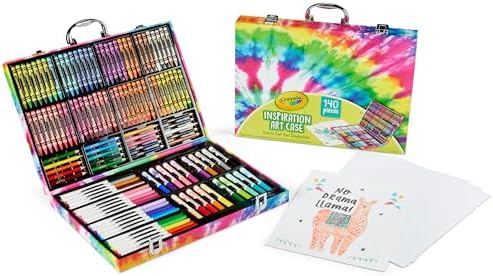
12. A Good Art Set
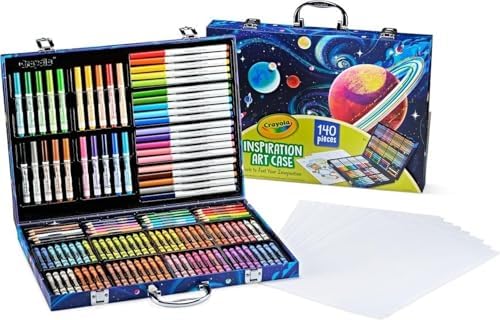
Drawing and painting give a child a way to make something without necessarily having to explain themselves.
Choose supplies based on what they already use:
- markers
- watercolor
- colored pencils
- paint sticks
- pastels
- sketching supplies
A smaller set of good materials is often more useful than a giant box of unfamiliar supplies.
For more hands-on emotional-expression activities, add an internal link here to Creative Craft Ideas to Help Children Express Anger, one of Eveyou’s existing SEL articles specifically suited to this topic.

13. A Large Sketchbook
Sometimes the gift does not need to be complicated.
A large sketchbook gives children space for:
- scribbling
- drawing
- comics
- giant letters
- maps
- fantasy creatures
- visual stories
For a child who dislikes being questioned when upset, drawing may sometimes be easier than immediate conversation.
Do not turn the sketchbook into a required “feelings journal.”
Let it belong to the child.
14. A Comic-Making Kit
Comic strips create a natural bridge between creativity and storytelling.
Children can invent:
- dramatic characters
- impossible problems
- villains
- hilarious misunderstandings
- arguments
- endings where everyone gets eaten by a dragon
The story does not need to secretly become a lesson about the child’s behavior.
Sometimes fictional stories simply provide an easier language for exploring conflict and frustration.
15. A Music-Making Gift
For a child who already loves music, consider:
- simple keyboard
- hand drum
- beginner instrument
- music-making software appropriate to age
- recording microphone
- headphones for music listening
Choose this because the child likes sound and music—not because noise-making is supposed to “release anger.”
Skip it if: sound sensitivity or household noise makes this category a poor fit.
Gifts for Busy Hands and Sensory Preferences


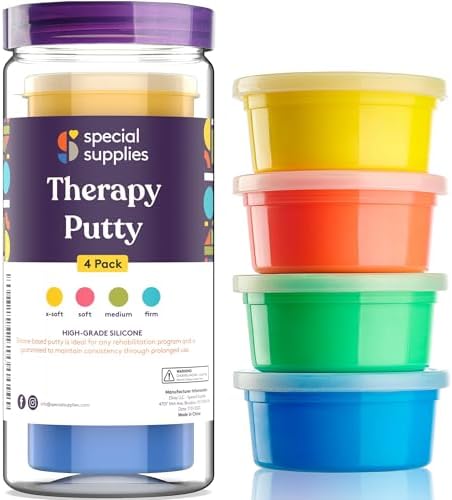
16. Sensory Putty
Putty can be squeezed, stretched, rolled, or shaped.
But sensory experiences are individual.
Consider:
- firmness
- stickiness
- smell
- residue
- small add-ins
Best for: children who already enjoy tactile play.
Skip it if: sticky or resistant textures usually cause irritation.


17. One or Two Familiar Fidgets
A giant bucket of “anger management fidgets” is unlikely to be better simply because it contains more items.
Choose one or two types the child already likes.
For example:
- squeeze object
- smooth rotating fidget
- twistable toy
- tactile ring
The point is not to require fidgeting when angry.
It is simply to provide an enjoyable object they may naturally use.
18. A Hands-On Craft Kit
Good choices might include:
- bracelet making
- weaving
- bead work
- simple woodworking
- collage
- reusable mosaic activities
Look for a level of challenge that is interesting without making an adult take over.
For children who become frustrated by strict instructions, choose kits that allow some personalization.
Gifts for Connection and Emotional Language


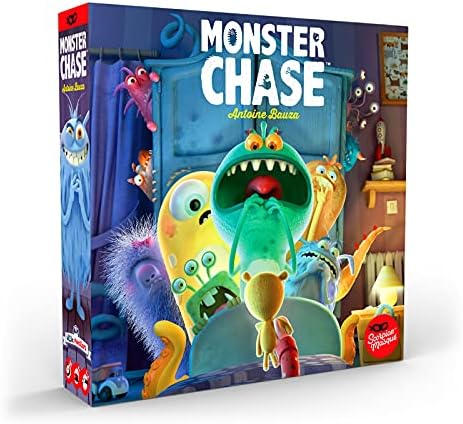
19. A Cooperative Board Game
A cooperative game asks players to work toward a shared goal rather than defeat one another.
That can make family play more enjoyable for some children who currently struggle with losing.
Check:
- game length
- number of players
- reading level
- amount of waiting
- complexity
A fifteen-minute game that actually gets played is more useful than an elaborate 90-minute box everyone avoids.


20. Storytelling or Emotion Conversation Cards
These can work well for children who enjoy talking through fictional situations.
Choose cards with open-ended prompts rather than questions that feel like an interrogation.
Examples:
What might this character be feeling?
What happened just before this picture?
What could they try next?
What would make the situation worse?
Keep the activity optional.
Christmas morning is not the moment to insist on practicing emotional vocabulary.


21. A Shared Experience Gift
For some children, the best present is an activity with someone they trust.
Possible ideas:
- climbing center
- swimming
- skating
- pottery painting
- science museum
- trampoline park
- movie
- baking day
- sports event
- craft workshop
- outdoor adventure
Choose according to the child’s real interests.
The gift is not “quality time because you need emotional regulation.”
It is:
“I know you love this. Let’s do it together.”
Don’t Buy a Gift That Says “You Need to Calm Down”
This may be the most important rule in the guide.
Compare these two gifts.
“You get angry a lot, so I bought you a calm-down kit.”
versus:
“You are always making creatures out of clay, so I found you a really good clay set.”
The product could theoretically be identical.
The message is completely different.
Children should not open a Christmas present and discover that the adults around them have turned their biggest struggle into the theme of the gift.
You can absolutely choose gifts thoughtfully.
Just keep the child’s enjoyment at the center.
What If Anger Is Really Frustration?
“Anger problems” can describe many very different situations.
The buying decision becomes easier when you look at what usually triggers the reaction.
If Difficult Tasks Cause Explosions
Consider:
- open-ended building
- clay
- adjustable-difficulty puzzles
- art with no required final product
Look for activities where restarting is easy.
If Losing Is Especially Hard
Try:
- cooperative games
- team games
- very short competitive rounds
You can still practice losing over time; Christmas simply does not have to begin with the most difficult version.
If the Child Needs Movement
Consider:
- stepping stones
- outdoor sports equipment
- scooter
- obstacle-course materials
- active family experience
If Words Are Hard During Strong Emotions
Try:
- drawing
- comics
- storytelling
- imaginative play
The activity can create opportunities for expression without forcing a conversation in the middle of an outburst.
If Overwhelm Is Part of the Pattern
Think about known sensory preferences and the environment.
A gift that adds intense noise, bright flashing lights, many tiny components, or complicated instructions may not be the best choice for that particular child.
If Connection Seems to Help Most
Choose something you can do together.
The actual product may matter less than the shared activity.
For a non-product activity that separates problems a child can influence from those they cannot, try this circle of control activity for kids.
Should You Buy a Punching Bag for an Angry Child?
This deserves a separate answer because punching bags regularly appear in anger gift guides.
I would not buy a punching bag specifically to teach a child that punching is how anger should be managed.
If the child already enjoys boxing, martial arts, fitness, or sport training, appropriate equipment used safely for that activity may be a perfectly reasonable gift.
That is different from presenting hitting as an emotional-regulation strategy.
For a child who mainly needs active play, running, jumping, climbing, cycling, throwing a ball, obstacle courses, or other enjoyable movement may provide far more flexible options.
Christmas Gifts I Would Avoid Buying Just Because a Child Has Anger Issues
A Giant “Anger Management Kit”
Unless a child specifically wants therapeutic materials, Christmas does not need to become an intervention session.
Products That Promise to Stop Anger
A toy, fidget, sensory item, punching product, journal, or gadget cannot treat persistent aggression or emotional dysregulation on its own.
Gifts That Shame the Child
Avoid products with messages suggesting the child is:
“out of control,”
“the angry one,”
or someone who needs fixing.
Overly Difficult Project Kits
A beautiful project can become a source of repeated frustration when the difficulty level is wrong.
Huge Sets With No Storage Plan
More is not always better.
If 400 tiny pieces will be scattered across the floor by Christmas afternoon, consider a smaller version.
Sensory Products Chosen Only Because They Say “Calming”
A product is only useful if the child actually likes that sensory experience.
What About Gifts for Kids Who Hit, Kick or Break Things?
If aggression is happening, safety comes first.
A Christmas gift may provide enjoyable alternatives for play and expression, but it is not a treatment plan.
The American Academy of Pediatrics distinguishes between feeling angry—which is normal—and hurting people or damaging things, which requires limits and guidance.
Frequent, severe, persistent, or developmentally unusual aggressive behavior can warrant professional evaluation, particularly when it interferes with everyday life or creates safety concerns. CDC and AACAP guidance similarly recommend seeking professional help when disruptive behavior or outbursts are severe, persistent, or concerning for the child’s age.
That does not mean every tantrum or angry moment indicates a disorder.
It means a gift guide should not pretend a product can solve something that may require individualized support.
How to Choose the Right Christmas Gift
Before buying, ask:
Would the Child Want This Without the Emotional-Regulation Label?
If not, reconsider it.
Can They Begin Without a Huge Setup?
Some children love complex projects.
Others enjoy activities more when they can start immediately.
Does It Match Their Actual Interests?
Interest is usually a better guide than marketing.
Does the Challenge Level Make Sense?
Too easy can become boring.
Too difficult can become exhausting.
Can It Be Used in More Than One Way?
Open-ended products often have a longer useful life.
Where Will It Live?
Storage is part of the buying decision.
Shop Christmas Gifts for Kids With Big Feelings by Need
Once your verified Amazon or Storefront links are added, this can become the article’s main shopping shortcut.
Needs movement: stepping stones, balance board, obstacle-course equipment, outdoor activity gift.
Loves rebuilding: building bricks, magnetic construction set, marble run, domino set.
Creative expression: clay, art supplies, sketchbook, comic kit, music.
Busy hands: putty, familiar fidget, hands-on craft.
Frustrated by competition: cooperative game.
Struggles to talk directly about feelings: storytelling cards, drawing or comics.
Needs more enjoyable connection: shared experience.
Already has too many toys: experience gift or upgraded materials for an existing hobby.
A Note About Toy Safety
Whatever emotional or developmental angle brought you to this guide, ordinary toy-safety rules still apply.
Check:
- age guidance
- small parts
- choking hazards
- magnets
- batteries
- weight limits
- riding equipment
- manufacturer instructions
- supervision recommendations
CPSC guidance emphasizes age labeling and particular hazards such as small parts and magnets; high-powered magnets can cause serious internal injuries if swallowed.
If younger siblings live in the home, consider whether small pieces from an older child’s gift could become accessible to them.
Final Thoughts
The best Christmas gifts for kids with big feelings are not necessarily the products with “calming,” “anger management,” or “emotional regulation” printed on the packaging.
Often they are much more ordinary.
Clay for the child who loves making creatures.
Building bricks for the child who needs to take things apart and try again.
A scooter for the child who wants to move.
A huge sketchbook for the child who draws everything.
A family game for the child who wants you at the table.
An experience for the child who already has enough stuff.
Big feelings do not have to become the theme of Christmas.
The goal is not to buy something that makes a child less angry.
It is to notice:
What does this child enjoy?
What gives them room to move, create, rebuild, express themselves, or connect?
What will they actually want to open?
Choose from there.
Because one of the most supportive messages a gift can carry is not:
“I want you to calm down.”
It is:
“I know what you love, and I thought of you.”

About the Author
Hi, I’m Eve, a former school counselor with a master’s degree in School Psychology and a passionate advocate for children and families navigating sensory challenges. As a mom of children with sensory sensitivities, I deeply understand the journey special-needs parents face, and I dedicate myself to researching and sharing practical solutions to help children thrive and feel comfortable in their bodies. My goal is also to empower counselors, therapists, and psychologists with creative strategies and supportive resources to enrich their everyday practice. When I’m not writing or exploring new therapeutic approaches, you’ll find me spending quality time with my family and continually seeking inspiration from everyday moments.

