
This post may contain affiliate links, including Amazon links. If you make a purchase through these links, I may earn a small commission at no extra cost to you. As an Amazon Associate I earn from qualifying purchases. This article provides shopping inspiration, not medical advice.
Shopping for a child with ADHD can send you down a strange internet rabbit hole.
Search for “ADHD gifts for kids” and suddenly everything seems to be a fidget, a timer, an organization tool, or a product promising to improve focus.
But Christmas morning should not feel like an intervention plan.
A child may be much more excited about building an elaborate LEGO world, making clay creatures, riding a scooter, photographing insects, creating bracelets, listening to stories, or getting something connected to the topic they currently know absolutely everything about.
That is why the best Christmas gifts for kids with ADHD usually begin with the child’s interests—not the diagnosis.
ADHD is a developmental disorder that can involve ongoing patterns of inattention, hyperactivity and/or impulsivity, and it does not look exactly the same in every child. A toy, sensory product, timer, or organizational tool does not treat ADHD; evidence-based ADHD care may include behavioral approaches, school supports and, depending on the child’s age and circumstances, medication.
So this gift guide is deliberately different.
You will find plenty of practical ideas, but the goal is not to “fix focus.” It is to choose something enjoyable that matches how the child likes to play, create, move, explore, collect, listen, build, or spend time with other people.

Before You Shop: Start With the Child, Not the ADHD Label
Before choosing any of the 25 gifts below, ask yourself five questions.
What are they fascinated by right now?
Dinosaurs? Space? Minecraft? Animals? Makeup? Rocks? Sports? Music? Machines? Drawing?
Strong interests are often a much better starting point than a list of products marketed for ADHD.
Which toys do they actually return to?
Look at what has survived previous Christmases.
A child who repeatedly returns to building pieces probably does not need a completely different kind of toy simply because a gift guide calls it educational.
What makes them abandon a toy?
Is there too much setup?
Too many rules?
A long wait before anything interesting happens?
Does the finished project need to look exactly like the picture?
Knowing what creates friction can help you avoid buying another impressive-looking box that stays untouched.
Can they use it independently at their current age?
Some children love complicated kits. Others want to open the box and begin immediately.
Neither preference is better.
Where will you store it?
This matters more than Pinterest photographs suggest.
A giant movement toy that takes up half the living room or a 1,000-piece building set without any realistic storage plan can create more frustration than fun.
If organization is already a recurring challenge at home, Eveyou’s guide to ADHD-friendly kids’ room organization can help you create simpler storage systems around the toys your child actually uses.
Quick Gift Guide by Interest and Play Style
| What the child enjoys | Gift direction | Check before buying |
|---|---|---|
| Movement and active play | Stepping stones, jump rope, scooter, or active game | Age guidance, space, grip, protective gear, and supervision |
| Building and experimenting | Bricks, magnetic tiles, marble run, or engineering kit | Piece size, complexity, storage, and adult help required |
| Making and creating | Art supplies, clay, craft box, beads, or camera | Setup, cleanup, choking hazards, and current skill level |
| Strong current interests | Topic book, display storage, or an experience | Ask what they already own and what they want next |
| Stories and connection | Story player, cooperative game, or shared outing | Content, subscriptions, screen requirements, and family availability |
If you are shopping for a specific age range, the guide to gifts for kids with ADHD ages 6–9 offers a narrower next step.
25 Christmas Gifts for Kids With ADHD
Gifts for Kids Who Love to Move
1. Indoor Stepping Stones
Stepping stones can turn a hallway, playroom, or living-room floor into an instant movement course.
Children can:
- create routes
- play “the floor is lava”
- invent obstacle courses
- race against themselves
- combine them with other toys
Before buying, check the recommended age, weight limit, grip, intended flooring, amount of space needed, and storage.
Best for: children who already enjoy active indoor play.
Skip it if: your home does not have enough clear floor space.

- Promote Balance and Coordination – This 10-piece stepping stones set promotes physical activity and active play, inspiri…
- Bright, Colorful Blocks – Our kid’s stepping stones come in seven gender neutral colors for boys and girls to play alone…
- Varying Heights and Sizes – To better challenge your child and increase their fun and excitement, we’ve included these s…
2. A Balance Board
A simple balance board offers open-ended movement without requiring a complicated game.
Some children use one to balance, rock, create pretend bridges, or incorporate it into obstacle courses.
Choose a product appropriate for the child’s age and follow its manufacturer guidance for weight limits, surfaces and supervision.
Best for: active children who enjoy balance-based play.
Simpler alternative: outdoor balance activities or a basic movement game.
3. Jump Rope or Outdoor Movement Set
Not every Christmas gift needs electronics or dozens of pieces.
A jump rope, cones, balls, sidewalk chalk, or simple outdoor challenge set can be a surprisingly good gift for a child who naturally gravitates toward movement.
The advantage is flexibility: they can play for three minutes or thirty.
Best for: active kids with outdoor space.

- Durable & Tangle-Free: The soft beaded segmented design, skipping rope to doesn’t get tangle-free. Harmless material, sa…
- Comfortable Handle & Packaging Design: The handle is ergonomically designed with a soft glue wraparound wave of an anti-…
- Length Adjustable: Adjustment length is simple, quick, and easily goes from 9.2 feet to the desired jumping rope length!…
4. Scooter or Riding Gift
For the child who would choose movement over sitting at a table almost every time, a scooter or other age-appropriate riding gift can have much more staying power than another indoor toy.
Consider:
- child’s age and ability
- protective equipment
- available riding space
- storage
- manufacturer height or weight recommendations
This is a larger purchase, so it is worth checking what the child already uses and enjoys before buying.

- WIDE AGE RANGE: Designed for kids ages 6-12, teens, and adults, making it a versatile ride for the whole family.
- HIGH WEIGHT CAPACITY: Supports up to 240 pounds, providing a sturdy and reliable ride for users of all sizes.
- FOLDABLE DESIGN: Easily folds for compact storage and convenient transport, perfect for on-the-go use.
5. An Active Family Game
Movement does not need to happen alone.
Look for games involving:
- acting
- movement challenges
- scavenger hunts
- simple physical tasks
- short rounds
Check playing time and rule complexity. A game with thirty minutes of explanation before anyone moves may not be the best match for a child who wants to start immediately.
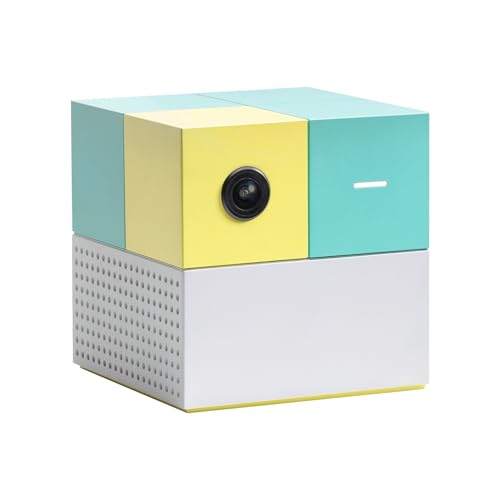
- 5 GAMES INCLUDED. UNLOCK MORE WITH PLAY PASS. Playground comes with Fruit Ninja, Starri, Whac-a-Mole, Go Keeper, and Par…
- GET MOVING WITH ACTIVE FAMILY FUN. Nex Playground is a new kind of video game console that gets your family moving. It e…
- JUST USE YOUR BODY TO PLAY. Play naturally just by moving your body. Playground uses the magic of AI to follow your move…


Christmas Gifts for Kids With ADHD Who Love Building
6. LEGO or Another Open-Ended Brick Set
Building bricks are an excellent example of why interest matters more than the ADHD label.
Some children will spend long stretches designing, rebuilding, sorting, or creating stories around their builds.
A themed set may work beautifully when it matches an existing interest, while a mixed brick box offers more open-ended possibilities.
Consider whether the child prefers:
- following instructions
- free building
- mini figures and storytelling
- mechanical builds
- collecting particular sets
You can also read Eveyou’s guide to using LEGO play for emotional development and connection, while keeping Christmas play fun rather than turning every building session into a lesson.
7. Magnetic Building Tiles
Magnetic tiles allow children to begin building quickly without a lengthy setup.
They can create:
- towers
- houses
- vehicles
- marble-style structures
- pretend worlds
Look for age guidance, construction quality, compatibility with any set the child already owns, and safe storage.
Best for: children who enjoy constructing and rebuilding.
8. Marble Run
A marble run adds experimentation to construction.
The child can build, test, discover what did not work, change something, and try again.
Some sets are much more complicated than others, so match the number of pieces and setup difficulty to the child rather than automatically buying the largest box.
Best for: children who enjoy cause-and-effect building.
9. Mechanical or Engineering Building Kit
For older children who love figuring out how things work, consider an age-appropriate engineering, robotics, mechanical, or construction kit.
Check:
- whether adult setup is required
- reading level
- number of steps
- additional tools or batteries
- whether projects can be rebuilt
A kit that is slightly challenging can be exciting. One that requires an adult to complete most of it may become an adult’s Christmas present instead.
10. A Build-and-Store Play Set
If loose building pieces regularly migrate through the whole house, consider a set that includes sensible storage or a play surface.
The storage is not intended to “teach the child organization.”
It simply reduces the number of steps required to get the activity out and put it away again.
That can make a favorite toy easier to use repeatedly.


Creative Gifts With Room to Follow an Idea
11. A Good Art Set
A smaller collection of appealing materials can be much more useful than a giant art case containing 200 mediocre supplies.
Choose according to what the child actually enjoys:
- markers
- watercolor
- paint pens
- colored pencils
- sketching
- pastels
- mixed media
Add a good sketchbook and the child can begin without needing to find paper first.
Best for: children who already draw, doodle or create.
12. Modeling Clay
Clay allows a project to change halfway through.
The dinosaur can become a monster.
The monster can become a bowl.
The bowl can become one big ball and start again.
That flexibility makes clay a fun choice for children who dislike crafts where there is only one acceptable finished result.
Choose between reusable modeling material and air-dry clay depending on whether the child prefers temporary or permanent creations.
13. An Open-Ended Craft Supply Box
Instead of a kit that says “make this exact snowman,” create or buy a collection of materials that can become many things.
Think:
- paper
- tape
- pom-poms
- craft sticks
- stickers
- yarn
- markers
- glue
- cardboard shapes
Keep the number of materials manageable rather than filling a huge container with random pieces.
A portable caddy is particularly useful because the entire activity can move to the kitchen table and back again.
14. Bracelet or Bead-Making Kit
For a child who enjoys detailed hands-on projects, bracelet making can combine collecting colors, planning patterns, making gifts, and repetitive handwork.
Check bead size and age guidance carefully, particularly with younger children.
Best for: kids who already enjoy jewelry, patterns or tiny craft projects.
Skip it if: small loose pieces are likely to become more frustrating than enjoyable.
15. Beginner Camera
A simple camera can turn an existing interest into a whole new activity.
A child interested in:
- insects
- pets
- trains
- nature
- outfits
- buildings
- family events
can suddenly start documenting it.
You do not necessarily need a heavily child-branded camera. For older children, a straightforward beginner model may have more longevity.
Best for: observant children, collectors and kids who love documenting what interests them.
Gifts Built Around a Child’s Strong Interests
16. An Interest Expansion Gift
This may be the most important idea in the entire guide.
Instead of introducing a completely new hobby, expand something the child already loves.
If they love dinosaurs, try an illustrated dinosaur encyclopedia, figures or fossil kit.
If they love space, consider binoculars, a telescope appropriate to their age, planet models or a space-building set.
If they love animals, try art supplies for drawing animals, figurines, wildlife books or an experience involving animals.
If they love rocks, consider a display case, beginner geology book, magnifier or rock-related craft.
The gift does not have to be explicitly labeled “for ADHD.”
It simply needs to make sense for this child.
17. A Collector’s Storage or Display
Some children genuinely enjoy collecting things.
Instead of trying to reduce the interest, consider giving it a better home.
Depending on the collection, this might be:
- display shelves
- small organizer cases
- card binders
- figure display
- specimen box
- bookcase storage
This is one of the few organization-related gifts that can still feel very much like a present because it supports something the child already values.
18. A Book That Goes Deep Into Their Favorite Topic
For a child with a strong interest, a detailed book can be more exciting than another toy.
Look beyond generic age labels.
A younger child who knows an extraordinary amount about sharks, trains or weather may enjoy a more detailed illustrated reference book than you expect.
Choose by reading ability and interest together.


Gifts for Kids Who Like Keeping Their Hands Busy
19. Sensory Putty or Modeling Putty
Some children genuinely love squeezing, stretching, twisting and shaping putty.
If that describes the child you are shopping for, it can make a good small Christmas gift or stocking filler.
Check:
- age recommendations
- texture
- scent
- stickiness
- storage container
- whether the product contains small additions
Do not buy it simply because the packaging says ADHD.
Best for: children who already seek out tactile play.
20. One or Two Quiet Fidgets
A huge “ADHD fidget pack” may contain twenty products the child never touches.
A better approach is choosing one or two styles based on what they already enjoy.
That might mean:
- something smooth to turn
- a quiet squeeze object
- a twistable fidget
- a small hand manipulative
A fidget should be a toy or tool the child actually likes—not a required accessory of having ADHD.
21. Sticker, Activity or Puzzle Books
Portable activity books are useful when the child likes quick, defined activities.
Look for:
- sticker scenes
- seek-and-find
- mazes
- logic puzzles
- drawing challenges
- activity books based on a favorite interest
These can work particularly well for travel over Christmas because they require little setup.


Gifts That Are Easy to Start Using
22. Audiobook or Story Player
For children who love stories but do not always want to sit with a physical book, an audiobook setup can be a great independent-play gift.
Depending on age, that might mean:
- child-friendly audio player
- audiobook subscription or credits
- story cards
- headphones plus downloaded stories
Choose stories based on genuine interests.
The aim is entertainment—not sneaking educational content into Christmas.
23. A Ready-to-Go Creative Caddy
Sometimes a child loves art once the supplies are on the table but rarely initiates the process because paper is upstairs, markers are in a drawer, scissors are somewhere mysterious, and glue has disappeared completely.
A simple portable art caddy can hold a small collection of frequently used materials in one place.
This is not about expecting perfect organization.
It simply makes starting the activity easier.
For more examples of reducing unnecessary steps in a child’s environment, see Eveyou’s ADHD-friendly kids’ room organization ideas. The American Academy of Pediatrics also notes that organizing a home environment around a child’s individual needs can support everyday self-management, while emphasizing that what is manageable differs from child to child.


Gifts That Create Connection
24. A Cooperative or Short-Round Family Game
The best family game is one people will actually agree to play.
For some children, that means:
- cooperative play
- short rounds
- simple rules
- lots of interaction
- minimal waiting
For others, a complicated strategy game is exactly what they want.
Check the recommended age, number of players and expected playing time before buying.
A toy does not need to advance a particular developmental skill to be worthwhile; the American Academy of Pediatrics emphasizes the value of toys that support enjoyable parent-child play and connection.
25. A Shared Experience Based on Their Interest
The final gift may not be an object at all.
Consider:
- climbing center
- science museum
- pottery painting
- trampoline park
- skating
- sports tickets
- animal experience
- craft workshop
- bookshop date
- LEGO-building afternoon
- cinema trip
- outdoor adventure
The key is to choose something they want to do.
If surprises tend to be difficult, there is no rule saying an experience gift needs to remain mysterious until the last second. Tell them where you are going, show photos, explain what the day will look like, or even let them help choose the date.
The Best Christmas Gifts for Kids With ADHD by Interest
If you are still deciding, shop by what the child already gravitates toward.
For the Child Who Loves Movement
Try:
- stepping stones
- balance board
- scooter
- outdoor movement set
- active family game
For the Builder
Try:
- LEGO
- magnetic tiles
- marble run
- engineering kit
- construction set
For the Creative Child
Try:
- art supplies
- clay
- craft caddy
- beads
- camera
For the Child With a Strong Current Interest
Choose a book, collectible, building set, experience, art material or storage/display item connected to that interest.
For Busy Hands
Try:
- putty
- a carefully chosen fidget
- bracelet making
- sticker activities
For the Child Who Loves Stories
Try:
- audiobook player
- story collection
- favorite-interest books
For Family Connection
Try:
- cooperative game
- short-round game
- shared experience
- family creative project
Christmas Gifts That Look Amazing but May Create More Frustration
Some presents are fantastic for one child and completely wrong for another.
Giant Kits With Hundreds of Pieces
A huge box can look impressive under the tree.
But ask whether the child enjoys sorting, managing and storing that many pieces.
Sometimes the medium-size set gets used far more often.
Crafts With Only One Correct Outcome
If the enjoyment depends on making the project look exactly like the box, perfectionism or frustration can quickly take over.
Open-ended materials may work better for some children.
Large Indoor Movement Equipment
Before buying a crash pad, large climbing toy, indoor trampoline or similar equipment, consider space, noise, safety, supervision, weight limits and where it will live.
Do not buy a giant product simply because it appears on an ADHD gift list.
Very Loud Electronic Toys
Some children love them.
Others abandon them quickly—or everyone else in the household wishes they would.
Check volume control and whether the sound can be switched off.
Games With Long Waiting Times
A beautiful board game may not work well if one turn lasts forever.
Look at actual game length and how much time each player spends actively participating.
Products Marketed as “ADHD Toys”
A label does not tell you whether your child will enjoy the product.
Look at what the object actually does.
Would your child choose it if the words “ADHD,” “focus,” or “sensory” were removed from the packaging?
If the answer is no, keep shopping.
Should You Buy Educational Gifts for a Child With ADHD?
You certainly can—if the child likes them.
A science kit for a science-obsessed child can be an exciting Christmas gift.
A book about dinosaurs for a child who talks about dinosaurs all day is a wonderful gift.
A complicated engineering kit for a child who loves building may disappear into their room for hours.
But educational value does not automatically make a Christmas present better.
Children deserve gifts that exist simply because they are enjoyable.
Do not turn every hobby into a productivity project.
What About Timers, Visual Schedules and Organization Tools?
If the child or family is already asking for practical support, begin with the ADHD morning routine guide or these ADHD homework-station ideas before purchasing another tool.
These can be genuinely useful everyday tools for some families.
But I would generally not make them the centerpiece of an ADHD Christmas gift guide unless the child has specifically asked for one or genuinely enjoys that kind of product.
A visual timer may help make routines more predictable for one child while making another child feel rushed.
A backpack organizer may be useful, but it may not create much Christmas-morning excitement.
If the parent is looking for practical supports rather than presents, Eveyou’s guides to morning routines for kids with ADHD and ADHD homework station ideas are better places to explore those systems.
Christmas gifts can remain gifts.
Avoid Turning Christmas Into an ADHD Improvement Project
There is a subtle difference between choosing a gift with the child in mind and buying something because you hope it will change the child.
Try to avoid gifts whose hidden message is:
“You need to sit still more.”
“You need to become organized.”
“You need to concentrate better.”
“You need to stop being so messy.”
Instead:
“You love building, so I found this.”
“You are always taking pictures of bugs, so I thought you might like a camera.”
“You love moving, so this looked fun.”
“You make bracelets every week, so I found better supplies.”
That distinction matters.
ADHD treatment is individualized and may involve behavioral treatment, school support and medication depending on the child and age; toys and Christmas gifts are not substitutes for appropriate ADHD care.
Make Christmas Morning Easier to Enjoy
Sometimes the challenge is not finding the perfect gift.
It is what happens when twenty exciting things appear at once.
If your child tends to become overwhelmed or bounce rapidly from one present to another, consider a simpler rhythm.
They might:
- open fewer gifts at once
- play with something before continuing
- take a movement break
- eat breakfast between presents
- keep part of the usual morning routine
- save some gifts for later
- know roughly what the day will look like
The American Academy of Pediatrics notes that regular, predictable routines can help organize family life while still allowing flexibility.
The goal is not a rigid Christmas schedule.
It is simply noticing whether your child enjoys Christmas more when there is a little less happening simultaneously.
If your family also wants a gentler rhythm in the weeks leading up to Christmas, Eveyou’s Mindful Advent Calendar offers simple daily activities that can be adapted to your family.
Shop Christmas Gifts for Kids With ADHD by Problem
Use this quick shortlist to match the gift to what the child already enjoys, then check age guidance, available space, setup time, and storage before ordering.
Needs lots of movement: stepping stones, balance board, scooter, active game.
Loves building: LEGO, magnetic tiles, marble run, engineering set.
Always creating: art set, clay, craft caddy, beads.
Deeply interested in one topic: books, collectibles, building sets, equipment or experiences connected to that interest.
Likes keeping hands busy: putty, quiet fidget, hands-on craft.
Needs very little setup: audiobook player, activity book, ready-to-use creative caddy.
Loves doing things with family: cooperative game or shared experience.
Already owns too many toys: experience gift, upgraded materials for an existing hobby, or something that expands a current collection.
A Note About Safety
Shopping by interest does not replace ordinary toy-safety considerations.
Check:
- manufacturer age recommendations
- choking hazards and small parts
- weight and height limits
- protective equipment for riding toys
- supervision recommendations
- safe use of movement equipment
- batteries and charging
- available space
- storage
Children with ADHD are individuals, and impulsivity can be part of ADHD for some children, so age-appropriate safety considerations remain important when choosing active toys or equipment.
More Christmas and ADHD Resources
For easier toy storage, continue with ADHD-friendly kids’ room organization. For a non-product seasonal activity, try a mindful Advent calendar focused on shared moments rather than more things.
If you are choosing gifts for several children, compare these ideas with our guides to Christmas gifts for autistic kids, low-pressure Christmas gifts for anxious kids, and Christmas gifts for kids with big feelings.
Final Thoughts
The best Christmas gifts for kids with ADHD do not have to say ADHD anywhere on the package.
They do not need to promise focus.
They do not need to teach organization.
And they certainly do not need to turn Christmas morning into therapy homework.
Start with the child.
What makes them light up?
What do they build?
What do they collect?
What do they talk about endlessly?
What do they create when nobody tells them what to make?
Where do they naturally choose to move, explore or play?
A child who loves dinosaurs may want more dinosaurs.
A child who builds may want better building materials.
A child who loves movement may want something active.
A child who draws on every piece of paper they find may want beautiful art supplies.
And sometimes the child who already owns plenty of things would rather have a day at the climbing center with you.
That is the gift-buying principle worth remembering:
Fun first. Child first. ADHD second.
Choose something that fits the person you already know—not the generic child described on the side of a product box.

About the Author
Hi, I’m Eve, a former school counselor with a master’s degree in School Psychology and a passionate advocate for children and families navigating sensory challenges. As a mom of children with sensory sensitivities, I deeply understand the journey special-needs parents face, and I dedicate myself to researching and sharing practical solutions to help children thrive and feel comfortable in their bodies. My goal is also to empower counselors, therapists, and psychologists with creative strategies and supportive resources to enrich their everyday practice. When I’m not writing or exploring new therapeutic approaches, you’ll find me spending quality time with my family and continually seeking inspiration from everyday moments.

