
A calming therapy room is not created by one perfect chair, one beige wall, or one pretty print.
It is created through many quiet design choices working together: warm lighting, comfortable seating, thoughtful spacing, sound privacy, organized storage, soft textures, sensory awareness, and decor that supports emotional safety instead of distracting from it.
When a client walks into your office, their nervous system is already reading the room.
Is this space private?
Can I relax here?
Is the chair comfortable?
Is the lighting harsh?
Can someone hear me outside the door?
Does this room feel clinical, cluttered, cold, or safe?
Your therapy room does not need to be expensive or perfectly designed to feel calming. In many cases, the most effective changes are simple: replacing harsh bulbs, adding a rug, shifting the chairs, hiding visual clutter, improving privacy, bringing in natural textures, and choosing artwork that gently supports reflection.
Whether you are setting up a private practice office, refreshing a rented therapy room, designing a small school counseling space, or improving your teletherapy background, this guide will help you create a calmer, more client-centered therapy environment with practical changes that actually work.
This post may contain affiliate links, including Amazon and selected partner links. If you make a purchase through these links, I may earn a small commission at no extra cost to you.

What Makes a Therapy Room Feel Calm?
A calming therapy room is not necessarily silent, beige, minimalist, or perfectly styled.
A room feels calm when it offers:
- privacy
- predictability
- comfortable seating
- warm lighting
- low visual clutter
- soft textures
- safe pathways
- sound control
- sensory awareness
- enough warmth to feel human
- enough simplicity to leave emotional space
The goal is not to create a room that tells clients how to feel. A client should be able to cry, feel angry, sit quietly, laugh, reflect, or simply breathe without the room becoming too much.
A calming therapy room quietly says:
You are safe here.
There is space for you here.
Nothing in this room needs to compete with your story.
Why Your Therapy Room Feels Off: A Quick Diagnostic
If the room looks finished but still feels uncomfortable, resist the urge to buy more decor immediately. Identify the specific friction first, then make the smallest change that addresses it.
| What you notice | Likely cause | Best first fix |
|---|---|---|
| The room feels clinical | Cool overhead light and hard surfaces | Add one warm lamp and a soft textile before changing the color palette |
| The room feels busy | Too many visible tools, cords, or small decor pieces | Clear one sightline and move supplies into closed or labeled storage |
| Conversation feels exposed | Poor sound privacy or seating too close to the door | Reposition chairs, add sound-softening textiles, and address door gaps |
| Clients seem unsure where to sit | No clear conversation zone | Anchor the seating with a rug or small table and keep the exit path visible |
| The room feels flat | Everything is the same color, height, or texture | Add one grounded contrast: wood, woven texture, muted color, or greenery |
| The room feels cramped | Oversized furniture or blocked pathways | Measure the usable floor area and remove one low-value item |
| The room smells strong | Fragrance is being used to create atmosphere | Remove scent first; prioritize ventilation and neutral-smelling materials |
Before you shop: test each change for a week when possible. A lamp, curtain, rug pad, storage basket, or sound-privacy tool should solve a clearly observed problem—not simply fill an empty corner.
Start With the Client’s First 30 Seconds
Before changing the whole room, stand at the doorway and look at your office as if you were a new client.
What do you notice first?
If the first thing a client sees is a cluttered desk, paperwork, cords, harsh overhead lighting, an uncomfortable chair, or a crowded shelf, the room may feel less calming than you intend.
A better first impression might include:
- soft lamp glow
- clear seating area
- tissues within reach
- warm rug
- simple wall art
- plant or natural texture
- uncluttered side table
- visible but not overwhelming books or tools
This first view matters because clients often arrive carrying emotional weight. A clear, warm room helps reduce uncertainty.
The first design question is not “Is this room beautiful?”
It is “Does this room help a client know where to go, where to sit, and how to settle?”
1. Replace Harsh Lighting With Warm, Layered Light

Lighting is one of the highest-impact changes you can make in a therapy office.
Many therapy rooms rely on overhead fluorescent or cool white lighting, especially in schools, clinics, and rented suites. This kind of light may be practical, but it often feels harsh, flat, or clinical.
A calming therapy room usually works better with layered lighting.
Use:
- floor lamp
- table lamp
- cordless lamp
- warm LED bulbs
- dimmable lamp
- shaded lamp
- bookshelf lamp
- plug-in wall sconce
Warm white bulbs, often around 2700K to 3000K, tend to create a softer atmosphere than cool white bulbs. The goal is not to make the room dark. The goal is to create gentle, even light without glare.
If your office has no windows, lighting matters even more. Use two or three small light sources instead of one harsh overhead light. Place one lamp near the seating area and another near your desk or bookshelf.
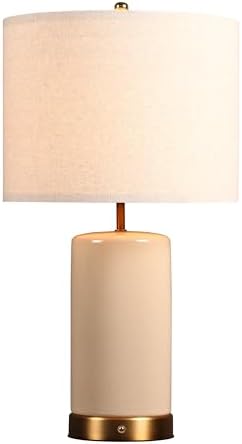
- Go Cordless, Light Up Any Space – Bring the charm of a full-size 24-inch table lamp anywhere — from bedside to living ro…
- Fast Charging & Long Battery Life – Powered by a 10,000mAh removable battery, the Dune offers up to 12 hours of light at…
- Easy Dimming for the Perfect Ambience – Tap the built-in dimmer to adjust brightness to 100%, 60%, 30%, or 15%, whether …
Helpful lighting options:
Therapist tip: If you cannot turn off overhead lighting, add warm lamps anyway. They can soften the room visually even when fluorescent lights remain on.
2. Choose a Soft but Grounded Color Palette

Color can influence the emotional tone of a room, but it is not one-size-fits-all. A color that feels calming to one client may feel dull, cold, or uncomfortable to another.
For therapy rooms, the safest approach is usually a soft, grounded palette with gentle contrast.
Good calming therapy room colors include:
- sage green
- dusty blue
- warm beige
- cream
- taupe
- soft gray
- clay
- muted terracotta
- olive
- sand
- pale peach
- warm white
Avoid making the entire room stark white, especially if the lighting is cool or bright. Bright white can feel clean, but it can also feel clinical or visually sharp. At the same time, avoid using too many intense colors in a small room.
A simple formula:
Two calming neutrals
One nature-inspired accent color
One warmer texture or material
For example, you might use cream walls, wood furniture, sage pillow covers, and a muted rug. Or you might combine warm beige walls, dusty blue chairs, soft gray curtains, and a woven basket.
Color should support calm, not dominate the session.

- Breathable Chenille Upholstery: Wrapped in high-grade chenille fabric, this upholstered accent chair delivers breathable…
- Comfortable Sitting Experience: Equipped with a 4-inch thick high-density foam cushion with great elasticity, this livin…
- Sturdy Stable Structure: Supported by 4 tapered solid rubberwood legs with a sleek black finish, this mid century modern…
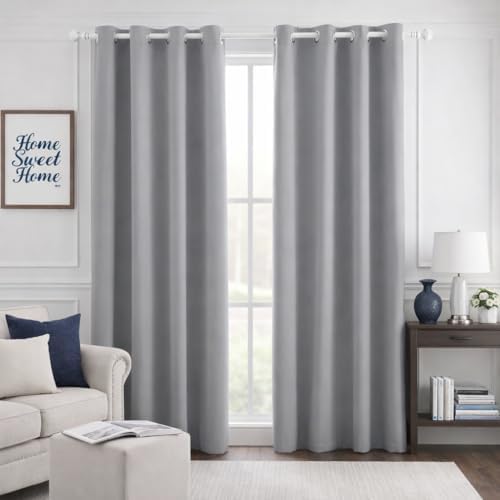
- ★AMAZING MATERIAL: Made of high-quality durable 100% polyester fabric, our room darkening curtains are silky, soft, drap…
- ★GOOD BLACKOUT ABILITY: These sunproof & soundproof curtains are made of innovative triple-weaved technology(The black t…
- ★MULTIPLE FUNCTIONS: These thermal insulated curtains help prevent energy losses by insulating hot summers and cold wint…

- FREESTANDING, TIP-RESISTANT SHAPE – This 60L large blanket basket stands independently and resists tipping. Its 15 x 20 …
- COLLAPSES TO ABOUT 4 INCHES – This collapsible laundry basket folds down for compact storage. After unpacking, fill it f…
- WHOLE-BASKET MACHINE WASHABLE – Wash the entire cotton rope hamper in a washing machine when needed, making it practical…
3. Make Seating Comfortable, Stable, and Human

Seating is not just furniture. It shapes the emotional and physical experience of therapy.
A client chair should feel comfortable enough for long conversations but structured enough that the client does not feel swallowed by it. Avoid chairs that are too low, too stiff, too deep, too narrow, noisy, unstable, or difficult to get out of.
Good therapy seating options include:
- upholstered accent chairs
- compact armchairs
- small therapy sofa
- high-back chair
- boucle armchair
- soft but supportive lounge chair
- storage ottoman
- floor cushion for child therapy
- pouf for flexible seating
Think about your client population.
For adult therapy, choose chairs that support posture and feel respectful. For couples therapy, use balanced seating so both people feel equally held. For child therapy, add flexible seating that allows movement. For trauma-informed work, make sure clients can see the door and do not feel physically trapped.
Helpful seating options:
- Ergonomic therapist chair with lumbar support
- Mid-century modern accent armchair
- Small therapy sofa or loveseat
- Side table for tissues, water, or grounding tools
Your own chair matters too. Therapists sit for many hours. If your chair causes pain, fatigue, or poor posture, it affects your presence.

- Premium Chenille Fabric – Soft, Breathable & Skin-Friendly. Wrapped in high-quality teddy fabric, soft, breathable & ski…
- Thick Cushioning & Tufted Backrest – Ultimate Comfort & Support. Double-layer thick cushioning. Sink into the plush doub…
- Sturdy Solid Wood Structure – Built to Last. Designed with a solid wood frame and durable tapered wooden legs, this mode…
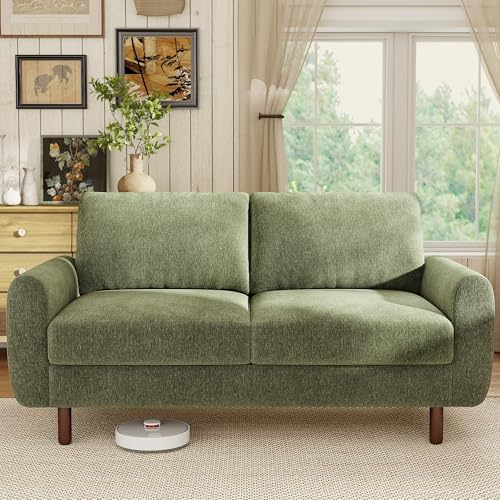
- 68″ Perfect for Small Spaces: Our 68 inch loveseat is a compact couch for apartment with high-resilience spring foam cus…
- Soft Chenille Fabric: This sofa is made of soft and breathable chenille fabric, paired with high-density sponge cushions…
- Extra Deep Cushion: This comfortable sofa is equipped with a 21.3-inch deep seat cushion, providing a spacious seating s…

- Sufficient Quantity: you will receive 4 pieces of furniture pillows in a Square shape, they are printed with a Mixed Gre…
- Suitable Size: our floor pillow measures approx. 22 x 22 x 4 inches/ 55 x 55 x 10 cm, suitable and proper, lightweight a…
- Reliable and Comfortable: this meditation pillow is mainly made of corduroy material, smooth and breathable, soft and th…
4. Use Layout to Create Safety and Connection
In a compact room, use the measuring and circulation ideas in these small therapy office ideas to avoid buying furniture that blocks movement.
A therapy room layout should feel open, clear, and respectful.
Avoid placing clients directly across from you in a way that feels like an interview unless that setup fits your work. Angled seating often feels softer and more conversational.
Helpful layout tips:
- angle chairs slightly toward each other
- leave a clear path to the door
- avoid blocking exits
- keep the desk from becoming the emotional center of the room
- place tissues where clients can reach them
- use a small side table for grounding items or water
- keep enough personal space between seats
- avoid crowding the room with too much furniture
A calming layout should support both connection and autonomy.
For some clients, especially those with trauma histories, being able to see the exit may feel important. For others, too much open space may feel exposed. The best layout is flexible enough to feel safe for different nervous systems.
5. Add a Rug to Anchor the Conversation Area

A rug can make a therapy room feel warmer almost immediately.
It softens sound, visually defines the seating area, adds texture, and makes the space feel less like a generic office.
Choose a rug that is:
- low-pile
- easy to clean
- soft underfoot
- not too visually busy
- large enough to connect the chairs
- safe and flat with a rug pad
Good styles include:
- washable vintage-style rugs
- soft neutral rugs
- muted boho rugs
- jute-look rugs
- wool-look rugs
- faded floral rugs
- simple geometric rugs
Helpful rug and softness options:
A rug is especially useful in rented offices, school counseling rooms, or therapy spaces with cold flooring.
6. Reduce Visual Clutter With Closed Storage

A cluttered therapy office can make it harder for clients to settle.
This does not mean the room needs to be minimalist. It means every visible item should feel intentional.
Use closed or semi-hidden storage for:
- paperwork
- therapy tools
- art supplies
- games
- fidgets
- books not currently in use
- files
- cleaning supplies
- personal items
- extra blankets or pillows
Helpful storage options include:
- woven baskets
- lidded bins
- fabric cubes
- storage ottoman
- rattan cabinet
- bookshelf with baskets
- rolling cart
- wall file holders
- locking cabinet
Useful organization tools:
A calm room does not have to hide all personality. It simply needs enough visual breathing room for the client’s mind to rest.

- DIMENSIONS AND SIZES: Measuring 5.5″L x 5.5″W x 5.7″H on the outside and 5.35″ x 5.35″ x H5.2″ on the inside, this cube …
- HANDCRAFTED STYLISH DESIGN: The checkerboard pattern adds a bold twist that transforms unsightly cardboard tissue boxes …
- VERSATILE DECOR AND ORGANIZER PIECE: Whether on a coffee table, office desk, or guest bathroom vanity, the tissue box ho…
7. Soften Sound and Protect Privacy
If conversations can be heard beyond the room, start with the practical steps in this therapy office sound privacy guide before relying on decorative acoustic products.
Sound is one of the most overlooked parts of calming therapy room design.
Clients may struggle to open up if they hear voices in the hallway or worry others can hear them. You may not be able to fully soundproof an office, but you can reduce sound travel and create a more private feeling.
Try:
- white noise machine
- sound machine outside the door
- thick rug
- curtains
- upholstered furniture
- acoustic panels
- door sweep
- draft stopper
- bookshelf on shared wall
- fabric wall hanging
Helpful privacy and sound-control options:
- White noise machine
- Sound machine for office privacy
- Door sweep
- Acoustic panels
- Thick curtains
- Rug pad
Place sound machines carefully. The goal is to mask conversation outside the room, not create a distracting hum inside the session.
8. Bring in Nature Without Overcrowding the Room

Natural elements can help a therapy room feel grounded and alive.
You do not need to turn the office into a jungle. One large plant, one small plant, a wood side table, a woven basket, and botanical art may be enough.
Nature-inspired elements include:
- plants
- faux greenery
- natural wood
- rattan
- jute
- linen
- cotton
- stone
- clay
- botanical prints
- landscape art

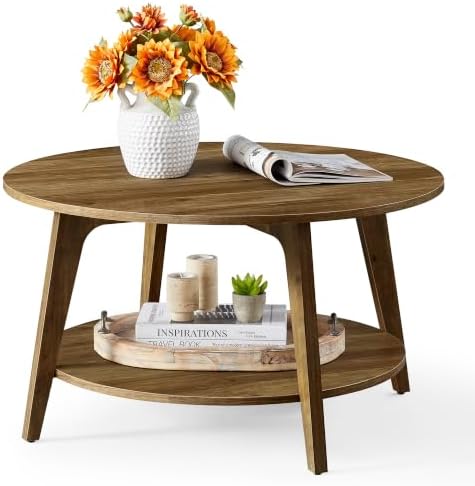
- Mid-Century Modern Aesthetic: Featuring a tambour design paired with a round top, this side table delivers a light yet l…
- Versatile: Use this end table beside a sofa, armchair, or bed to hold drinks, coffee, books, a lamp, or small decor piec…
- Stable, Durable Construction: Built with an MDF tabletop and an integrated particleboard pedestal base, this fluted end …

- 【Material】 The tissue box cover made with durable eco-friendly resin, it is heavy and sturdy, and can be used as a home …
- 【Size】 This tissue box holder 5.5″ L x 5.5″ W x 5.5″ H. Matches all square boxes of tissue paper
- 【Easy Care 】The tissue box cover clean with damp cloth
Good office plants include:
- snake plant
- pothos
- ZZ plant
- spider plant
- philodendron
- faux olive tree
- faux eucalyptus
Helpful nature-inspired decor:
If your office has no windows or you forget to water plants, high-quality faux greenery is completely acceptable. A neglected plant does not create calm.

- Realistic & Natural Look – Lifelike Olive Branches and Fruits This faux olive tree features soft green leaves, textured …
- Premium Materials & Fuller Design – Easy Assembly, Long-Lasting Quality Compared with standard artificial trees, our fau…
- Perfect Size Options – Fits Any Room Layout Available in multiple height options, this faux olive tree is ideal for fill…
9. Choose Wall Art That Leaves Emotional Space

Wall art should support the emotional tone of the room without forcing a specific feeling.
Good therapy office wall art includes:
- abstract landscapes
- botanical prints
- soft line drawings
- gentle nature photography
- muted color fields
- simple framed affirmations
- textured wall hangings
Avoid art that is overly intense, visually chaotic, strongly political, graphic, frightening, or too personal unless it clearly fits your practice and client population.
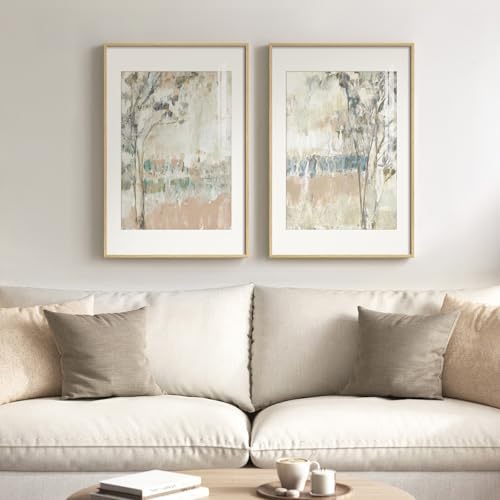
- [Neutral Abstract Landscape Wall Art]: Features soft abstract landscape with delicate tree silhouettes in muted beige, b…
- [High Quality]: Printed on premium canvas with a fade-resistant, dust-resistant coating to keep colors soft and clear ov…
- [Easy to Hang]: Measuring 20″Wx30″H, this set of 2 comes framed with installation hardware included. Simply attach the h…
A few useful questions:
Would this art feel safe to a client in crisis?
Does it create calm or demand attention?
Could it be interpreted as judgmental or emotionally loaded?
Does it match the tone of my practice?
One large calming piece often works better than many small busy prints.
10. Be Careful With Scent
Scent can feel cozy, but it can also be risky in therapy spaces.
Clients may have migraines, asthma, allergies, sensory sensitivities, pregnancy nausea, trauma associations, or personal preferences. Strong scent can quickly make a calming room feel unsafe.
In most therapy offices, fragrance-free is the safest default.
Instead of diffusers or candles, consider:
- good ventilation
- quiet air purifier
- fragrance-free cleaning products
- fresh air when possible
- unscented candles used only as decor
- charcoal odor absorbers
Helpful fragrance-free comfort options:
If you do use scent, ask clients first and keep it very subtle. No decor choice should make a client physically uncomfortable.
Calming Therapy Room Essentials Worth Buying
A calming therapy room does not need to be filled with expensive furniture or perfect decor. The most useful products are the ones that solve real problems: harsh lighting, uncomfortable seating, visual clutter, sound privacy, cold floors, or a room that feels too clinical.
Lighting
Furniture
- Ergonomic therapist chair with lumbar support
- Mid-century modern accent armchair
- Small therapy sofa or loveseat
- Side table for tissues, water, or grounding tools
Sound and Privacy
- White noise machine
- Sound machine for office privacy
- Door sweep
- Acoustic panels
- Thick curtains
- Rug pad
Comfort and Texture
Storage and Workflow
Atmosphere and Client Support
- Therapy office wall art
- Faux plant for low-light offices
- Ceramic vase for simple shelf styling
- Quiet air purifier
- Feelings cards
- Calm-down cards
- Guided journal
- Quiet fidgets
- Children’s emotional wellness books
- Grounding objects
Choose products that solve real problems. The goal is not to fill the office. The goal is to support the work.
A 7-Day Calming Therapy Room Refresh Plan
You do not need to redesign your office all at once.
Day 1: Notice the Room
Sit in the client chair. Notice lighting, sound, clutter, comfort, and what your eyes land on first.
Ask yourself:
What feels calming?
What feels distracting?
What would I notice if I were anxious?
What feels unfinished or cold?
Day 2: Clear Visual Clutter
Remove unused items, old papers, broken supplies, and decor that no longer fits. Put therapy tools into baskets or closed storage.
Do not organize everything perfectly. Just create more visual breathing room.
Day 3: Fix the Lighting
Replace cool bulbs with warm bulbs. Add one lamp near the seating area if possible.
Notice whether the room feels softer when overhead lights are reduced or balanced with lamps.
Day 4: Rework the Seating
Angle chairs slightly, clear the pathway, move the desk out of the emotional center if possible, and make tissues easy to reach.
Sit in each chair and notice how the room feels from that perspective.
Day 5: Add Softness
Bring in a rug, pillow, blanket, curtains, or textured basket.
A single soft element can make a plain office feel more human.
Day 6: Improve Privacy
Add a sound machine, door sweep, rug pad, curtains, or acoustic panels where needed.
Also notice whether confidential paperwork is visible and whether your storage system feels secure.
Day 7: Add One Meaningful Detail
Choose one plant, art print, vase, or small decor object that makes the room feel more aligned with your therapeutic style.
Small changes can create a noticeable emotional shift.
Common Mistakes to Avoid
Avoid designing only for photos. A therapy room needs to work for real people, real emotions, and long sessions.
Avoid making the room too dim. Calm lighting should still allow clients to see clearly.
Avoid too many sensory items in adult spaces unless they fit your work. A few grounding tools are usually enough.
Avoid placing personal objects everywhere. The room can reflect you without making clients feel like they are in your private life.
Avoid uncomfortable furniture. Pretty chairs are not worth it if clients cannot relax.
Avoid strong scent. It is one of the easiest ways to unintentionally overwhelm someone.
Avoid cluttered shelves. Open storage can look warm in photos but chaotic in person.
Avoid ignoring your own comfort. You are part of the therapeutic environment too.
Calming Therapy Room Checklist
Use this checklist before finishing your refresh.
Comfort
- supportive client chair
- comfortable therapist chair
- tissues within reach
- side table
- soft rug
- optional blanket or pillow
Light
- warm bulbs
- layered lamps
- reduced glare
- natural light softened with curtains
- task light near desk
Sound and Privacy
- white noise machine
- rug or soft furnishings
- door sweep if needed
- curtains or acoustic panels
- private conversation flow
Visual Calm
- limited color palette
- uncluttered shelves
- closed storage
- calming wall art
- clear pathways
Sensory Safety
- no strong scents
- soft textures
- matte finishes
- low visual overwhelm
- adjustable lighting when possible
Function
- secure file storage
- organized tools
- clean desk workflow
- easy reset between sessions
- teletherapy background if needed
Related Therapy Office Guides You May Also Like
If you are refreshing your therapy space, these guides can help you go deeper into specific parts of the room:
- The Ultimate Guide to Setting Up Your First Therapy Office
A complete starting point if you are furnishing a new office, choosing essentials, or planning your first private practice space. - Cozy Therapy Office Ideas
Helpful if you want your space to feel warmer, softer, and more emotionally welcoming. - Minimalist Decor With a Cozy Touch
A good next read if you want a calm, uncluttered office that still feels human and inviting. - Child Therapy Room Decor Ideas That Foster Safety, Creativity, and Emotional Growth
Best for therapists, counselors, and school support professionals creating child-friendly therapy rooms. - Sensory Room Design for Counselors
A useful guide if you want to create a more sensory-aware or regulation-supportive space. - Therapeutic Wall Art: How Visuals Impact Client Mood
Helpful if you are choosing prints, artwork, or visual focal points for your therapy office. - No Wiring? No Problem: How to Incorporate Cordless Lamps in Your Therapy Office
Perfect if your office has limited outlets or harsh overhead lighting. - Boho Counseling Office Decor
A warm, earthy option if you want your calming office to feel more textured, natural, and soulful.
Final Thoughts
A calming therapy room does not need to be expensive, trendy, or perfectly designed.
It needs to be intentional.
Warm lighting can soften the room. A rug can anchor the seating area. A sound machine can support privacy. A plant can bring life into a sterile corner. A comfortable chair can help a client settle into hard work. Closed storage can reduce visual noise. Thoughtful art can create a sense of reflection without demanding attention.
The most effective therapy rooms are not the ones with the most decor.
They are the ones where every item has a reason.
A place to sit.
A light that does not hurt the eyes.
A room that protects privacy.
A layout that allows choice.
A feeling of warmth without clutter.
A space where therapist and client can both arrive.
When your therapy room supports safety, comfort, and presence, it becomes more than an office.
It becomes part of the care.


- Polyester
- Complete blackout curtains block light and reduce noise for better sleep – 2 layer construction with blackout lining
- Curtains measure 52 inches wide x 84 inches long per panel, sold as a set of 2 panels for a total width of 104 inches

About the Author
Hi, I’m Eve, a former school counselor with a master’s degree in School Psychology and a passionate advocate for children and families navigating sensory challenges. As a mom of children with sensory sensitivities, I deeply understand the journey special-needs parents face, and I dedicate myself to researching and sharing practical solutions to help children thrive and feel comfortable in their bodies. My goal is also to empower counselors, therapists, and psychologists with creative strategies and supportive resources to enrich their everyday practice. When I’m not writing or exploring new therapeutic approaches, you’ll find me spending quality time with my family and continually seeking inspiration from everyday moments.


Pingback: How to Use Wallpaper for Therapy Office Decor: Embracing the Dark Aesthetic - EveYou
Pingback: Boho Chic Office Decor Style: Creating a Free-Spirited Workspace - EveYou
Pingback: 5 Budget-Friendly Ways to Upgrade Your Counseling Office Decor - EveYou
Pingback: Therapy Room Ideas: Bring Spring Indoors with These Calming Decor Tips - EveYou
Pingback: 10 Cozy Therapy Office Ideas That Feel Like Home - EveYou
Pingback: The Best Desks for Therapists: Functional, Beautiful, and Built for Calm Workspaces - EveYou
Pingback: The Best Sofas for Therapy Offices: Comfort, Style, and Function in One Elegant Piece - EveYou
Pingback: Declutter Therapy Office: Minimalist Steps for a Calm Space