
Creating a Healing Space That Reflects You and Supports Your Clients
This article contains affiliate links. If you purchase through these links, I may earn a small commission at no additional cost to you. I only recommend products I believe are useful, high-quality, and relevant for creating meaningful activities in counseling, classrooms, and at home.
Setting up your first therapy office is exciting, but it can also feel surprisingly emotional.
You may have spent years imagining this space: the chair where clients will finally exhale, the lamp that makes the room feel softer, the bookshelf that holds your favorite clinical resources, the quiet corner where hard conversations can unfold safely.
Then you unlock the room for the first time and reality arrives.
The walls are plain. The lighting feels harsh. The carpet may not be your style. You need chairs, storage, privacy, paperwork systems, decor, client comfort items, and probably more outlets than the room has. Suddenly, creating a therapy office feels less like a dream and more like a long shopping list.
But your first therapy office does not need to be perfect.
It needs to feel safe, private, functional, comfortable, and aligned with the kind of care you offer.
Whether you are starting a private practice, furnishing a small counseling room, setting up a school counseling office, preparing a teletherapy background, or moving into your first rented suite, this guide will help you create a space that supports both your clients and your workday.
This post may contain affiliate links, including Amazon and selected partner links. If you make a purchase through these links, I may earn a small commission at no extra cost to you.

What a First Therapy Office Really Needs
Before choosing pillows, rugs, artwork, or furniture styles, start with the emotional and practical purpose of the room.
A therapy office needs to support:
- privacy
- emotional safety
- comfortable conversation
- clear boundaries
- organized workflow
- sensory comfort
- secure storage
- professional presence
- therapist sustainability
Your office is not only a pretty background. It is part of the therapeutic container. A room that feels cluttered, noisy, cold, uncomfortable, or overly stimulating can make it harder for both client and therapist to settle.
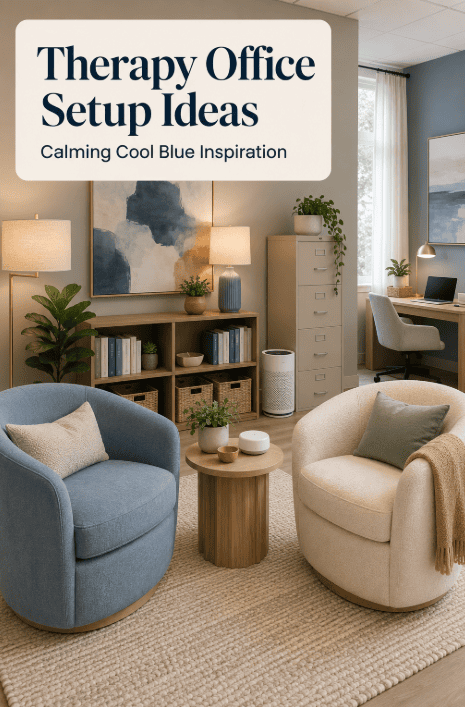
A strong first office does not require expensive design. It requires intention.
Ask yourself:
What should clients feel when they enter?
Where will they sit?
Can conversations be heard outside the door?
Is the lighting harsh or soothing?
Do I have secure storage for confidential materials?
Can I work here for several hours without feeling drained?
Does the space reflect my style without making the session about me?
These questions will help you spend money where it matters most.
Step 1: Choose the Right Therapy Office Space
The space itself sets the foundation.
If you are choosing between offices, pay attention to privacy, noise, lighting, accessibility, parking, waiting room flow, and how the room feels when you sit inside it.
A beautiful office is not ideal if clients can hear every conversation through the wall. A large office may not work if it feels cold or disconnected. A small room can still be excellent if it feels private, warm, and easy to use.

What to look for in a therapy office
Prioritize:
- solid door
- minimal sound transfer
- comfortable temperature
- access to natural light if possible
- safe entry and exit
- easy-to-find location
- accessible seating arrangement
- enough outlets for lamps and technology
- secure storage options
- professional waiting or arrival experience
If you are setting up a home office, check local regulations, insurance requirements, privacy expectations, and professional rules for your location. You will also need clear boundaries between your personal life and clinical work.
If you are renting, visit the office at the same time of day you plan to see clients. Notice noise from hallways, parking lots, neighboring offices, schools, elevators, bathrooms, or busy streets.
Step 2: Plan the Client Experience From Door to Chair
Walk through the room like a new client.
Where do they enter? What do they see first? Where do they put their bag or coat? Is the chair obvious? Do they have to walk past your desk? Are tissues reachable? Is there enough personal space?
This small walk-through can reveal problems before clients ever arrive.
A welcoming therapy office usually includes:
- clear seating arrangement
- tissues within reach
- a small side table
- warm lighting
- uncluttered surfaces
- comfortable personal space
- easy pathway to the chair
- a clock that supports session timing without feeling intrusive
The goal is to reduce uncertainty.
When a client enters, they should not have to wonder where to sit, where to look, or whether they are in the right place. The room should gently guide them.
Step 3: Create Three Simple Zones

Even a small therapy office can usually be divided into three practical zones.
The Conversation Zone
This is the emotional center of the room. It includes client seating, therapist seating, side table, tissues, rug, and lighting.
Make this the warmest, most intentional part of your office.
The Work Zone
This is where you handle notes, scheduling, teletherapy, documentation, billing, and professional tasks.
It may include a desk, laptop, files, printer, calendar, or tablet. Keep it organized so it does not visually dominate the room.
The Storage Zone
This is where you keep therapy tools, books, forms, art supplies, games, blankets, cleaning supplies, and personal items.
Storage should reduce clutter, not become part of the clutter. Use closed cabinets, baskets, bins, drawers, or shelves with visual breathing room.
If you work with children, couples, or groups, you may also need a small activity or regulation zone.

Step 4: Choose Seating That Supports the Work
Seating is one of the most important investments in your first therapy office.
Clients may sit with grief, anxiety, trauma, conflict, uncertainty, shame, or exhaustion. A chair does not solve those feelings, but it can help the body feel supported enough to stay present.

Client seating
Good client seating should be:
- comfortable
- supportive
- easy to get in and out of
- not too low
- not too stiff
- easy to clean
- visually warm
- appropriate for your client population
For individual therapy, two comfortable accent chairs often work well. For couples or family therapy, a small sofa may be useful. For child therapy, add flexible seating such as floor cushions, poufs, or washable rugs.
Therapist seating
Do not neglect your own chair.
Therapists sit for long hours. A beautiful chair that hurts your back will affect your energy, posture, and focus. Choose something ergonomic enough for your body while still fitting the tone of the room.
The best seating feels professional, warm, and physically sustainable.
Therapist Chair: Ergonomic Office Chair with Lumbar Support – professional look, comfortable for long sessions.

- Ergonomic Office Chair: Experience unparalleled support with our ergonomic office chair, designed to provide comprehensi…
- Comfortable Breathable Mesh Seat: This office chair offers a spacious seating area. It can support up to 330 lbs. Its un…
- 330 lbs Load Capacity and Durable Construction: This chair is made of high-quality materials and has a sturdy 5-point bo…
Client Seating: Mid-Century Modern Accent Armchair – stylish, cozy, fits small or large offices.

- MID-CENTURY CHARMING – Designed with curved arms and flared legs, this accent chair with extra pillow is full of mid-cen…
- HUMANIZED DESIGN – The ergonomic angle of the backrest and armrest is aimed for good relax when sitting and putting your…
- PREMIUM MATERIAL – Finished with solid wood frame, this lounge chair provides a sturdy structure and holds up to 330lbs….

- Versatile Seating Solution: Ideal as comfortable office client chairs or practical waiting room chairs, this armchair…
- Sleek Black Leather Option: Available as sophisticated black leather accent chairs (PU Faux Leather), offering an easy…
- Ergonomic Comfort & Support: Engineered for lasting comfort, the seat combines thick foam, high-strength springs, and el…
Therapy Sofa: Modern Upholstered Sofa – clean lines, durable, comfortable for family/couples sessions.
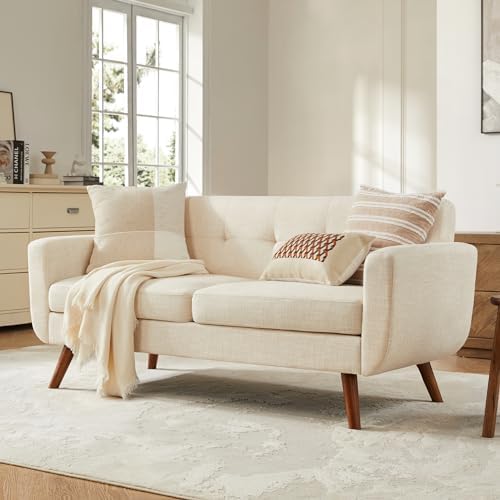
- SPACIOUS AND COMFORTABLE: Our loveseat will be a favorite spot for leisure in your home. It is 65.2 inches wide and spac…
- STURDY AND DURABLE : You don’t have to worry about its durability! Our whole small sofa with a sturdy frame and high bou…
- WIDELY SCENES: Why not consider adding a stylish small couch for bedroom, living room, apartment, or loft? The mini couc…
Storage Cabinet

- LOCKING FILE CABINET: The interlock system secures 3 drawers and comes with 2 keys to protect your files and valuables. …
- LARGE STORAGE SPACE: 2 utility drawers and 1 free stationery tray provide space to keep small things neat and orderly.
- FULLY EXTENSION DRAWER: With Full Extension Drawer slides, the drawer opens completely, allowing you to easily access th…
Step 5: Add a Rug to Soften and Anchor the Room
A rug can change the entire feeling of a therapy office.
It adds warmth, absorbs some sound, defines the conversation area, and makes the room feel less clinical. Even if your office has carpet, a rug can visually anchor the seating area and make the space feel more intentional.
Choose a rug that is:
- low-pile
- easy to clean
- soft but not slippery
- large enough to connect the chairs
- not too visually busy
- aligned with your color palette
Good options include:
- washable vintage-style rug
- neutral wool-look rug
- muted boho rug
- soft modern rug
- jute-style rug with a soft layer
- small area rug for compact offices
Avoid rugs that curl at the edges, shed heavily, or create a tripping hazard.
A rug is one of the easiest upgrades if your office feels cold, echoey, or unfinished.

- VINTAGE BOHO AREA RUG: With its plush high-low piles, this 5×7 area rugs delivers an incredibly comfortable and soft sen…
- LOW-PILE ULTRA SOFT AREA RUG: Pauwer 5×7 area rug is made of premium polyester material, not only ultra soft but also de…
- NON SLIP LIVING ROOM CARPET: The washable throw rugs with rubber backing is designed with reinforced TPR and cotton mate…
Step 6: Use Warm, Layered Lighting

Lighting can make a therapy office feel either soothing or harsh.
Many offices rely on overhead fluorescents, which can feel clinical and visually tiring. Whenever possible, add warm, layered lighting instead.
Use:
- table lamp
- floor lamp
- cordless lamp
- bookshelf lamp
- dimmable bulb
- warm LED bulb
- shaded lamp near the conversation area
Warm white bulbs around 2700K to 3000K usually create a softer atmosphere than cool white bulbs.
If your office has natural light, use curtains or shades to soften glare. If your office has no windows, layered lamps become even more important.
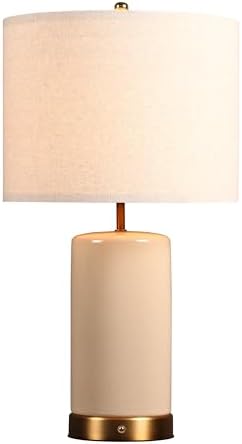
- Go Cordless, Light Up Any Space – Bring the charm of a full-size 24-inch table lamp anywhere — from bedside to living ro…
- Fast Charging & Long Battery Life – Powered by a 10,000mAh removable battery, the Dune offers up to 12 hours of light at…
- Easy Dimming for the Perfect Ambience – Tap the built-in dimmer to adjust brightness to 100%, 60%, 30%, or 15%, whether …

- 【Durable Solid Wood Tripod】: This lamp for bedroom features a high-quality natural rubber wood tripod, known for its dur…
- 【Large Beige Linen Shade & Premium Materials】: The large beige linen drum shade offers wide, even light distribution, ma…
- 【12W 1200lm 3-color bulb】: This rustic floor lamp features a 12W LED bulb with 1200 lumens and three color temperatures …
Lighting is not just decor. It shapes the emotional tone of the room.
Step 7: Think About Sound and Privacy
Privacy is essential in therapy.
You may not be able to fully soundproof your office, especially in a rented suite, but you can use reasonable safeguards to reduce sound transfer and support confidentiality.
Consider:
- sound machine outside the office door
- door sweep
- thick rug
- curtains
- upholstered furniture
- acoustic panels
- fabric wall hanging
- bookshelf on shared wall
- white noise in hallway or waiting area
- careful seating placement away from the door
A sound machine is often one of the most useful first-office purchases. Place it thoughtfully so it masks conversation outside the room rather than adding distracting noise inside the session.
If voices still carry through the door or shared walls, use this practical guide to improve sound privacy in a therapy office before buying more decor. It explains how to identify the main sound path and prioritize renter-friendly fixes.

- LINEN TEXTURED – Package includes 2 panels each panel is 52 inches width, total width is 104 inch. Front layer is soft l…
- NOISE REDUCTION – Detachable felt fabric liner is in the middle of the 3 layers, which can absorb annpying noise. Soundp…
- 100% BLACKOUT – Triple weave blackout fabric & 3 layers design make it possible to completely keep out the harsh light a…

- ✨ SUPERIOR SOUND QUALITY – The plug-in white noise sound machine delivers crystal-clear sound, blocking distractions to …
- ✨ 20 NON-LOOPING SOUNDS FOR ANY ENVIRONMENT – Enjoy a wide range of 20 relaxing, non-looping sounds including two types …
- ✨ PLUG-IN DESIGN WITH OPTIONAL WIRE EXTENSION – This elegant Italian-designed white noise machine plugs directly into th…
Also review your professional ethics, local privacy requirements, and any relevant healthcare privacy laws in your region.
Step 8: Choose a Calm Color Palette
Your first therapy office does not need to be beige, but it should feel visually steady.
A calm color palette helps the room feel organized and emotionally safe.
Therapy-friendly palettes include:
- cream, sage green, and warm wood
- beige, dusty blue, and soft gray
- taupe, ivory, and rust
- warm white, olive, and natural textures
- light gray, navy, and cream
- sand, clay, and muted teal
Choose two neutrals and one or two accent colors.
Use color in:
- pillows
- art
- rug
- planters
- throw blankets
- lamps
- books
- small decor pieces
Avoid using too many bright colors at once unless you work in a child-centered or expressive arts space and have balanced the room with enough calm areas.
Step 9: Design With Trauma-Informed and Sensory-Friendly Principles
A therapy office should not assume that every client experiences comfort in the same way.
Some clients love soft blankets, low lighting, plants, and cozy textures. Others may feel uncomfortable with strong scents, dim rooms, too much decor, small enclosed spaces, or seating that feels physically vulnerable.
A trauma-informed and sensory-aware office gives clients a sense of choice.
Consider:
- multiple seating options if space allows
- clear pathways
- uncluttered visuals
- matte finishes instead of glare
- no strong scents
- adjustable lighting
- predictable layout
- access to tissues and water
- grounding objects if appropriate
- a visible exit path
- respectful personal space
For neurodivergent clients, reduce unnecessary sensory load. Avoid flickering lights, loud clocks, strong fragrances, busy wall patterns, or cluttered shelves.
The room should say: you have choices here.
Step 10: Add Decor That Supports the Emotional Tone

Decor should make the office feel human, not distracting.
Good therapy office decor might include:
- nature-inspired wall art
- abstract prints in soft colors
- plants or faux greenery
- woven baskets
- ceramic vase
- framed quote used sparingly
- books with warm covers
- soft pillows
- throw blanket
- meaningful but not overly personal objects
Be careful with art that is intense, political, graphic, religious, or highly personal unless it clearly fits your practice and population.
The safest wall art often gives clients room to project their own meaning:
- landscapes
- botanical art
- abstract shapes
- soft line drawings
- calming color fields
- gentle nature photography
Decor should support reflection, not compete with it.
Step 11: Be Careful With Scent
The original dream of a therapy office often includes a subtle scent: lavender, eucalyptus, cedar, vanilla, or herbal tea.
But scent is personal.
Some clients have migraines, allergies, asthma, sensory sensitivities, trauma associations, pregnancy nausea, or strong preferences. In many clinical settings, fragrance-free is the safest choice.
Instead of using a diffuser automatically, consider:
- fragrance-free cleaning products
- good ventilation
- air purifier
- unscented candles used only as decor
- fresh air when possible
- asking before using any scent
If you do use scent in your office, keep it extremely subtle and make sure clients can opt out.
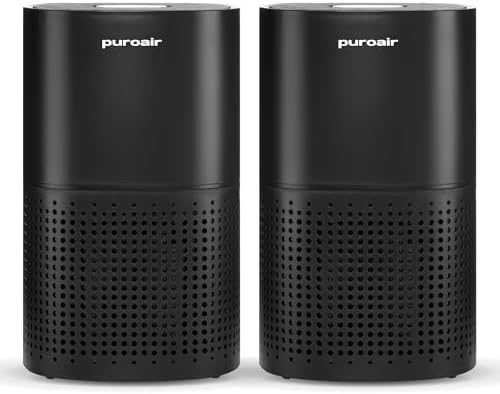
- CLEANER AIR IN MINUTES: PuroAir is proven to filter the pollutants lurking in your home’s air. This large room air purif…
- POWERFUL AIR FILTER: PuroAir HEPA air purifiers for home feature a powerful 3-layer filtration system—a pre-filter, HEPA…
- BACKED BY SCIENCE: Lab tested and studied to filter the most common household pollutants with ease. Better filtration me…
A clean, fresh room is usually more universally welcoming than a scented one.
Step 12: Organize for Ethics and Workflow
A beautiful office will not feel calm if your paperwork is scattered everywhere.
Set up your workflow before the first client arrives.
You may need:
- lockable file cabinet
- secure drawer
- forms storage
- client resource folder
- printer or scanner
- tablet stand
- notebook or planner
- shredder
- cable organizer
- charging station
- clock or timer
- business card holder
- receipt and billing system
- teletherapy setup
Keep confidential documents out of sight and secured according to your professional requirements.
Create simple systems:
Today: urgent notes, forms, and tasks
This Week: follow-ups, referrals, letters, planning
Archive: records stored securely
Client Tools: worksheets, books, cards, and materials
Good organization protects both your clients and your energy.
Step 13: Prepare Your Teletherapy Setup
Even if your office is mainly in-person, teletherapy may still be part of your work.
Create a simple, professional video setup.
You need:
- stable internet
- good lighting
- neutral or warm background
- comfortable chair
- laptop stand
- webcam if needed
- quality microphone or headset
- secure telehealth platform
- quiet space
- backup plan if technology fails
Your background should feel warm but not distracting. A plant, lamp, bookshelf, and one art piece are usually enough.
Teletherapy design is still therapy office design. The screen becomes part of the room.
Step 14: Add Client Comfort Essentials
Small comfort items can make sessions feel more supported.
Consider:
- tissues
- water pitcher or bottled water
- blanket
- weighted lap pad if appropriate
- fidgets
- grounding objects
- notepad
- pens
- gentle books
- emotion cards
- breathing cards
- hand sanitizer
- small trash bin
- coat hook
- side table
For child therapy, add:
- washable toys
- art supplies
- feelings cards
- puppets if used clinically
- play therapy shelf
- sand tray tools if aligned with your training
- calm-down basket
For couples therapy, add:
- two equal chairs or sofa seating
- side table
- tissues reachable by both clients
- enough space for emotional intensity
- neutral artwork
Every comfort item should have a purpose.
Step 15: Build a Thoughtful Therapy Bookshelf
A bookshelf can do three things at once: store your resources, communicate your professional identity, and warm up the room.

You might include:
- clinical books
- client-friendly psychoeducation books
- children’s books
- grief books
- trauma-informed books
- relationship books
- mindfulness resources
- values cards or therapy tools
- journals
- small plant
- woven basket
Be thoughtful about what is visible. Some titles may feel too intense for a waiting client or child to see. You can keep heavier clinical materials in a closed cabinet and display more general, supportive resources.


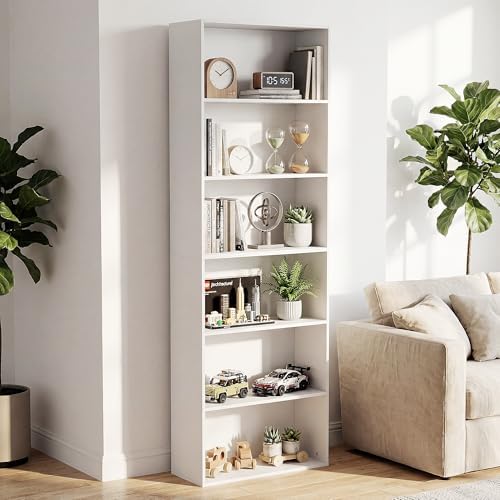
- Large Storage Space: With six spacious tiers, each standing 11.2″ tall, this white bookshelf provides ample storage for …
- Stable and Safe: The display bookshelf features a specially reinforced connection, ensuring enhanced stability. Equipped…
- Sturdy and Durable: Crafted from high-quality materials, the tall bookshelf boasts 0.6″ thick shelves, each supporting u…

- Unique Design: The book stoppers is not only a work of art but also a statement piece. The two thinker statues, one in w…
- Heavy Duty Bookends: The sturdy design can support to hold large and heavy books, making it a useful storage option. Its…
- Suitable for Different Settings: Cute bookends are perfect for spaces such as home libraries, study rooms, and offices, …
You can also feature one book each month if it fits your practice style.
First Therapy Office Budget Plans
You can create a supportive office at different budget levels.
Budget Starter Setup
Focus on essentials first:
- two comfortable chairs
- side table
- lamp
- rug
- tissues
- secure storage
- sound machine
- simple wall art
- baskets for organization
Warm Professional Setup
Add more comfort and polish:
- better accent chairs
- washable rug
- floor lamp and table lamp
- bookshelf
- locking file cabinet
- air purifier
- framed art
- plant
- throw pillows
- teletherapy equipment
Elevated Private Practice Setup
Invest in pieces that will last:
- high-quality therapist chair
- matching client chairs or sofa
- large rug
- layered lighting
- custom art or framed prints
- acoustic improvements
- beautiful storage cabinet
- premium teletherapy setup
- professional brand-aligned decor
Do not feel pressured to buy everything at once. Your office can grow with your practice.
Shop the First Therapy Office Essentials
This section is ideal for affiliate links because readers are actively setting up a space and likely need practical product recommendations.
Furniture
Comfort and Decor
- washable rug
- throw blanket
- pillow covers
- therapy office wall art
- faux plant
- ceramic vase
- tissue box cover
Lighting
Privacy and Sound
Organization
- locking file cabinet
- portable lock box
- paper shredder
- wall file holder
- desk organizer
- cable clips
- document scanner
Therapist Workflow
Client Support Tools
- feelings cards
- calm-down cards
- guided journal
- weighted lap pad
- fidgets
- children’s books
- grounding objects
Choose products that solve real problems. The goal is not to fill the office. The goal is to support the work.
Common First Therapy Office Mistakes to Avoid
Buying Decor Before Furniture
Start with seating, lighting, privacy, and storage. Decor comes later.
Choosing Pretty Chairs That Are Uncomfortable
Clients and therapists need seating that works for real sessions, not just photos.
Ignoring Sound
Privacy is one of the most important parts of the therapy experience. Address sound early.
Overusing Scent
Scent can be comforting for some clients and overwhelming for others. Fragrance-free is often safer.
Making the Office Too Personal
Your office can reflect you, but it should still keep the focus on the client.
Leaving Paperwork Visible
Confidential materials should be stored securely and out of sight.
Overdecorating Small Spaces
Small offices need visual breathing room.
Forgetting Your Own Comfort
You will spend many hours in this space. Your chair, lighting, workflow, and storage matter too.
Final Thoughts
Setting up your first therapy office is more than decorating.
It is an act of care.
You are creating a space where people may tell the truth for the first time, cry without apologizing, practice new boundaries, sit with grief, repair relationships, understand their nervous system, or simply feel less alone.
Your office does not need to be expensive or perfect to support that work.
Start with privacy. Choose comfortable seating. Add warm lighting. Organize your paperwork. Soften the room with a rug, plant, art, and texture. Keep sensory needs in mind. Let the space feel like you, but make sure it still leaves room for the client.
Your first therapy office will evolve as you do.
And that is okay.
The most meaningful therapy spaces are not built in one shopping trip. They are built slowly, with care, intention, and attention to how people feel when they walk through the door.
🌿 Free Download: First Therapy Office Essentials Checklist
Ready to turn your vision into reality?
Download this beautifully designed, therapist-approved checklist to guide every step of your office setup—from cozy furniture and calming decor to must-have tools that support client wellbeing.
✨ What’s Inside:
- Functional yet stylish furniture picks
- Therapist-friendly tech & sensory tools
- Thoughtful decor & book suggestions
- Administrative essentials you won’t want to forget
Whether you’re starting from scratch or upgrading your current space, this checklist will save you time, money, and decision fatigue.
👉 Get your free printable checklist now and start building a therapy office that feels just as good as it looks.
read more:
- Calming Therapy Room Design
- Cozy Therapy Office
- Minimalist Decor With a Cozy Touch
- Child Therapy Room Decor Ideas
- Sensory Room Design for Counselors

About the Author
Hi, I’m Eve, a former school counselor with a master’s degree in School Psychology and a passionate advocate for children and families navigating sensory challenges. As a mom of children with sensory sensitivities, I deeply understand the journey special-needs parents face, and I dedicate myself to researching and sharing practical solutions to help children thrive and feel comfortable in their bodies. My goal is also to empower counselors, therapists, and psychologists with creative strategies and supportive resources to enrich their everyday practice. When I’m not writing or exploring new therapeutic approaches, you’ll find me spending quality time with my family and continually seeking inspiration from everyday moments.

