
A fall wreath can do more than decorate a door.
In a therapy office, school counseling space, classroom, or child-friendly waiting area, the first thing people see matters. A simple wreath can make an entry feel warmer, softer, and more intentional before a session or school day even begins.
For clients, students, and families, a wreath can quietly signal:
You are welcome here.
This space is cared for.
There is room to slow down.
This season of change can be held gently.
Fall is especially meaningful because it naturally brings themes of transition, letting go, gratitude, grounding, and preparation for colder months. For counselors and teachers, those themes can become more than seasonal decoration. They can become conversation starters, calming visual cues, SEL activities, gratitude rituals, or small ways to make a room feel less clinical and more human.
The key is to choose wreath ideas that are warm and professional, not cluttered or overstimulating. A therapy office wreath does not need to be huge, glittery, or full of bright orange pumpkins. It can be neutral, textured, nature-inspired, interactive, child-friendly, or beautifully simple.
Below are 10 fall wreath ideas for therapy offices, classrooms, school counseling spaces, and calm corners. Each idea includes a quick emotional or SEL connection, simple supplies, and easy steps so you can create a welcoming seasonal touch without overwhelm.
This post may contain affiliate links, including Amazon Associate links. If you make a purchase through these links, I may earn a small commission at no cost to you.

How to Choose a Fall Wreath for a Therapy Office or Classroom
Before choosing a wreath, think about the space where it will be used.
A wreath for a private therapy office may need to feel calm, elegant, and low-stimulus. A classroom wreath can be brighter, more interactive, and tied to a group activity. A child therapy room wreath can include texture, felt pieces, or playful shapes. A school counseling office wreath might work best when it connects to feelings, gratitude, kindness, or belonging.
A good therapy- or classroom-friendly fall wreath should be:
- easy to understand
- not too visually busy
- safe for children if placed within reach
- free from strong scents
- easy to clean or store
- appropriate for your setting
- warm without being distracting
- connected to the emotional tone you want to create
Avoid anything too scary, sharp, fragile, heavily scented, glittery, or culturally specific unless it clearly fits your community and setting.

1)Neutral Minimalist Fall Wreath for Therapy Offices
Picture a slim grapevine wreath with soft eucalyptus, dried grasses, and a simple beige ribbon.
This is one of the best fall wreath ideas for therapists who want seasonal warmth without making the office feel busy. It feels calm, elegant, and professional while still bringing in a gentle autumn touch.

Why it works
Neutral colors reduce visual clutter and allow the room to feel peaceful. This can be especially helpful in therapy spaces where clients may arrive anxious, overwhelmed, or emotionally tired.
Supplies
- grapevine wreath base
- dried eucalyptus or faux eucalyptus
- pampas grass or bunny tails
- floral wire
- beige, ivory, or linen ribbon
- scissors or wire cutters
How to make it
Start by placing eucalyptus along the lower third of the wreath. Secure it with floral wire. Add a few pieces of pampas grass or bunny tails for softness. Keep the arrangement slightly asymmetrical so it feels natural rather than perfect. Finish with a small neutral ribbon.
Where it works best
This wreath is ideal for individual therapy offices, private practice doors, consultation rooms, testing spaces, and quiet counseling corners.
Helpful supplies:
2) Warm Autumn Leaves Fall Wreath for a Welcoming Entry
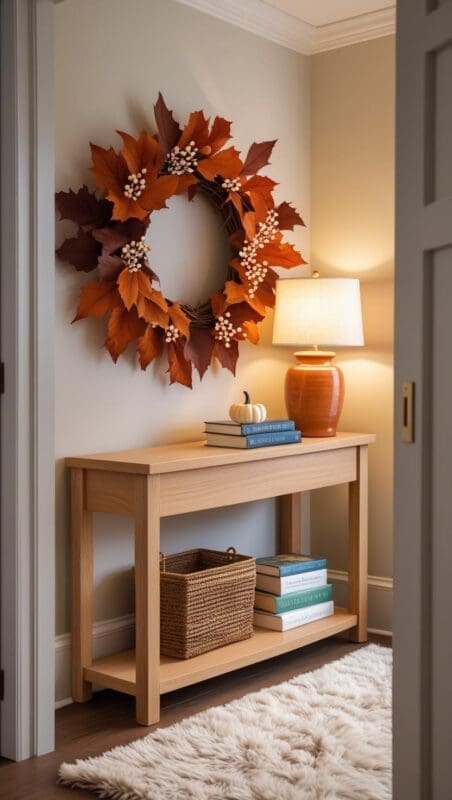
A fall leaves wreath is classic, but it can still feel professional if you choose muted colors.
Instead of bright orange plastic leaves, look for soft rust, olive, mustard, cream, burgundy, or brown. These colors create warmth without overwhelming the eye.
Why it works
Warm fall colors can help a space feel more inviting and settled. For students or clients entering a room, a seasonal wreath can create a small moment of familiarity and welcome.
Supplies
- grapevine wreath
- faux or preserved fall leaves
- floral wire or hot glue
- small berry stems if desired
- ribbon in a muted fall color
How to make it
Attach leaves in small clusters instead of covering the entire wreath evenly. Alternate colors so the wreath has depth. Add a few small berry stems or dried florals for contrast. Keep the center open and avoid making the wreath too heavy.
Where it works best
This wreath works well on classroom doors, therapy office entry doors, waiting room walls, school counseling offices, and staff rooms.
Helpful supplies:
3) “Thankful Notes” Interactive Fall Wreath (Gratitude Ritual)

This wreath turns seasonal decor into a gratitude practice.
Instead of only decorating the wreath yourself, invite students, clients, group members, or staff to add paper leaves with things they are thankful for.
Why it works
Gratitude activities can help children and adults pause, reflect, and notice what feels supportive. In classrooms and counseling groups, an interactive wreath can also build connection and belonging.

Supplies
- metal hoop or embroidery hoop
- cardstock leaves
- mini clothespins
- twine
- markers
- hole punch if needed
How to make it
Tie twine across the hoop or around the wreath base. Cut leaves from cardstock or use pre-cut paper leaves. Invite participants to write one gratitude on each leaf, then clip it to the wreath.
You can keep the notes anonymous or use the wreath as a group reflection activity.
Where it works best
This is perfect for school counseling offices, classrooms, group therapy rooms, November bulletin boards, waiting areas, and family therapy spaces.
Helpful supplies:
4) Nature-Foraged Fall Wreath (Mindful Walk Edition)
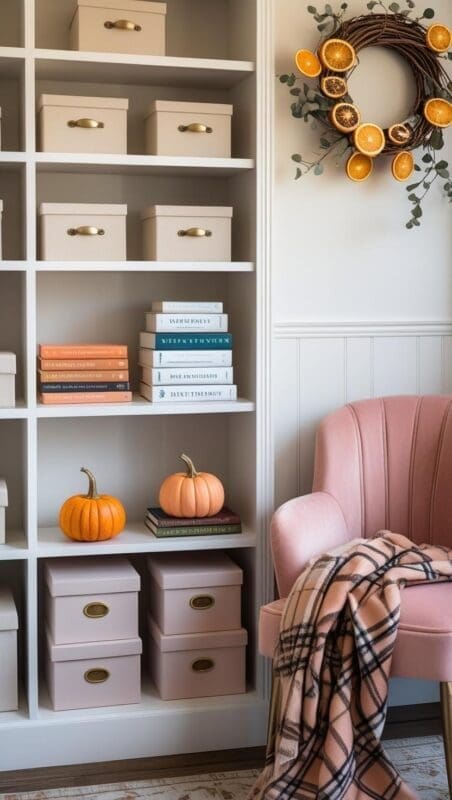
This wreath begins with a mindful walk.
Collect pinecones, acorns, seed pods, small sticks, leaves, or interesting natural textures. Then use them to create a simple earthy wreath.
Why it works
Foraging encourages children and adults to slow down and notice details. It can become a mindfulness activity, a nature-based SEL lesson, or a grounding practice before the crafting begins.
Supplies
- sturdy wreath base
- pinecones
- seed pods
- acorns
- small branches
- dried leaves
- hot glue or floral wire
How to make it
Go on a short mindful walk. Invite children or students to collect only fallen natural items, not living plants. Back inside, arrange the largest pieces first, then fill smaller spaces with acorns, seed pods, or leaves.
Where it works best
This wreath is lovely for classroom nature corners, eco-themed displays, child therapy rooms, occupational therapy spaces, and school hallway decor.
Safety note: Avoid very small loose parts for children who still mouth objects, and supervise hot glue carefully.
Helpful supplies:
Natural craft supplieschild therapy spaces.
5) Soft Fabric “Cozy” Fall Wreath (Chunky Knit or Flannel)
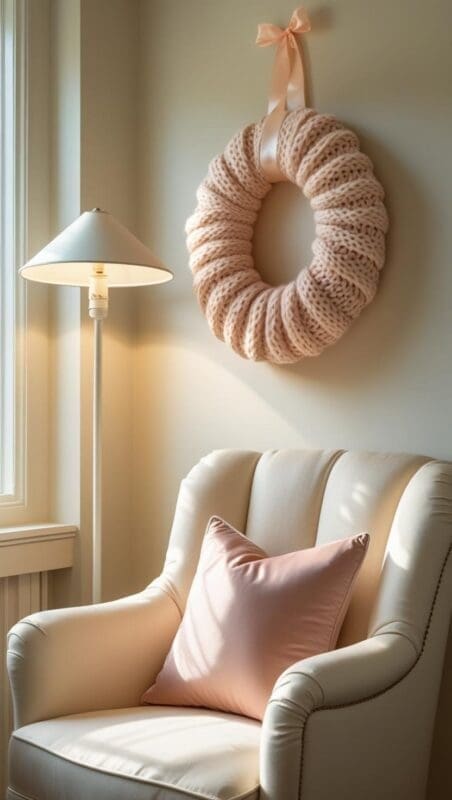
A fabric wreath brings texture and comfort into the room.
You can use flannel, felt, fleece, yarn, or even fabric scraps in warm fall colors. This wreath is especially useful if you want the space to feel cozy without adding too many objects around the room.
Why it works
Soft textures can make a room feel more comforting and less formal. In classrooms or child therapy spaces, fabric wreaths also feel playful and approachable.
Supplies
- foam wreath base
- flannel strips, fleece, felt, or chunky yarn
- fabric glue
- ribbon
- scissors
How to make it
Cut fabric into strips. Wrap each strip around the foam wreath base and secure with fabric glue. You can use one fabric for a minimalist look or several patterns for a warmer handmade style. Add a small bow or hanging ribbon.
Where it works best
This works well in child therapy rooms, preschool classrooms, cozy reading corners, calm-down corners, and school counseling offices.
Helpful supplies:
6) Pumpkin Accent Fall Wreath
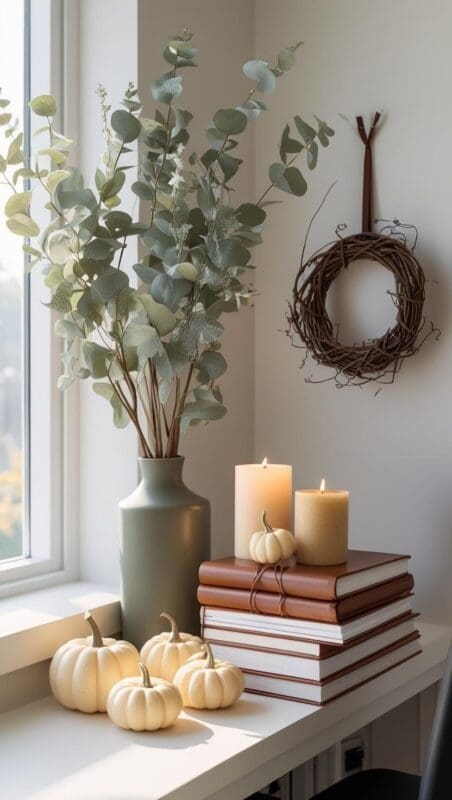
A pumpkin wreath can be cheerful without feeling too busy.
The secret is to use a small number of pumpkins and pair them with natural textures, greenery, or neutral ribbon.
Why it works
Seasonal playfulness can help children, teens, and families feel more relaxed when entering a counseling or classroom space. Small pumpkins can signal fall without making the room feel like a party store.
Supplies
- grapevine wreath
- mini faux pumpkins
- dried flowers
- twigs or greenery
- hot glue gun
- ribbon if desired
How to make it
Choose one focal point instead of spreading pumpkins everywhere. Cluster three mini pumpkins at the bottom or side of the wreath. Add dried flowers and twigs around the pumpkins, leaving some of the wreath base visible.
Where it works best
Use this wreath on classroom doors, private practice waiting rooms, child therapy spaces, play therapy rooms, or office shelves.
Helpful supplies:
7) Greenery & White Accent Fall Wreath

This wreath is ideal if you want a calm seasonal look that still feels elegant.
Use eucalyptus, olive branches, white berries, cream florals, or soft neutral leaves. The result feels fresh, sophisticated, and easy to keep up beyond October.
Why it works
Greenery brings a nature-inspired feeling into the space, while white and cream accents keep the wreath visually quiet. This can work beautifully in offices where you want fall decor that does not feel too themed.
Supplies
- metal hoop or grapevine wreath
- eucalyptus stems
- olive branches
- white berries
- cream florals
- floral tape or wire
How to make it
Wrap greenery around part of the hoop, overlapping the stems. Add small clusters of white berries or cream flowers. Leave part of the hoop exposed for a modern minimalist look.
Where it works best
This wreath works well in therapy offices, consultation rooms, waiting spaces, administrative offices, and professional classrooms.
Helpful supplies:
8) Mindfulness Mandala Fall Wreath
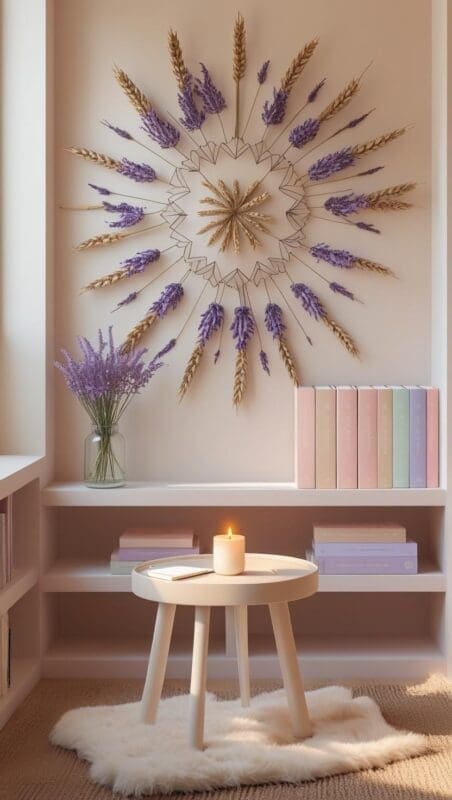
A mandala-inspired wreath uses repetition, symmetry, and circular patterns.
You can create it with wheat stalks, herbs, leaves, lavender, or neutral dried florals. This design works especially well in spaces where mindfulness, reflection, or emotional regulation are part of the work.
Why it works
Repeating patterns can feel calming to look at. A mandala-style wreath can also become a visual reminder to pause, breathe, and come back to center.
Supplies
- round hoop
- dried herbs
- wheat stalks
- lavender
- floral wire
- scissors
How to make it
Divide the hoop visually into equal sections. Attach herbs or wheat in repeated patterns around the circle. Keep the arrangement balanced and simple. You can add a small center hanging tag with one word, such as “breathe,” “pause,” or “ground.”
Where it works best
This wreath is lovely for mindfulness corners, therapy group rooms, yoga-informed spaces, journaling areas, staff wellness boards, or quiet classrooms.
Helpful supplies:
9) Interactive Sensory Fall Wreath

A sensory wreath invites gentle touch through soft textures, felt leaves, ribbons, fabric flowers, or smooth wooden pieces.
This idea is especially useful for child therapy rooms, calm-down corners, preschool spaces, and sensory-friendly classrooms.
Why it works
Tactile elements can offer quiet sensory input. For some children, touching felt leaves or ribbon loops can become a small grounding moment before entering a session or transitioning into a classroom activity.
Supplies
- foam wreath base
- felt leaves
- fabric flowers
- ribbon loops
- smooth wooden beads if age-appropriate
- non-toxic glue
How to make it
Cover the wreath base with felt or fabric. Add layered felt leaves, soft ribbons, and fabric flowers. Make sure all pieces are securely attached if children may touch it.
Where it works best
This wreath is best for child-centered spaces, school counseling offices, early childhood classrooms, calm-down corners, and play therapy rooms.
Safety note: Avoid small beads or detachable parts if young children may pull them off or put them in their mouths.
Helpful supplies:
10) Desk-Sized Mini Fall Wreath

Not every wreath needs to hang on a door.
A mini fall wreath can lean against books, sit on a shelf, decorate a teacher desk, or create a small seasonal moment in a therapist’s office.
Why it works
Small decor can create a sense of warmth without changing the whole room. For busy therapists and teachers, a mini wreath is a low-effort way to make the space feel seasonal and cared for.
Supplies
- mini grapevine wreath
- tiny dried flowers
- small ribbon
- floral wire or glue
- wooden stand if desired
How to make it
Decorate only one side of the mini wreath with dried florals, leaves, or ribbon. Leave part of the grapevine visible so it stays simple. Place it on a shelf, desk, bookcase, or small table.
Where it works best
Use this on therapy desks, teacher desks, counselor shelves, teletherapy backgrounds, small offices, and staff self-care corners.
Helpful supplies:
Shop Supplies for Fall Wreath Crafts
You can make many fall wreaths with a few reusable supplies. If you are planning a classroom craft, school counseling activity, therapy office refresh, or staff wellness project, keeping a small wreath-making kit can save time.
Basic Wreath Bases
Natural and Fall Decor Pieces
Craft Tools
Classroom and Counseling Add-Ons
Choose supplies based on who will use the wreath. For adult offices, dried florals and neutral ribbon may be enough. For classrooms, cardstock leaves, markers, and clothespins make the project more interactive. For child therapy rooms, felt and fabric textures may be safer and more inviting than fragile dried pieces.
Where to Place a Fall Wreath
A wreath does not have to go on the main door.
Try placing one:
- outside your therapy office door
- above a calm-down corner
- near a classroom gratitude board
- on a counseling office wall
- behind your teletherapy chair
- above a bookshelf
- in a waiting area
- on a bulletin board
- beside a feelings check-in station
- on a teacher or counselor desk
For therapy offices, avoid placing highly decorative items directly behind the client’s main line of sight if they may become distracting. A wreath should support the atmosphere, not pull attention away from the work.
What to Avoid With Fall Wreaths in Therapy or Classroom Spaces
Fall decor should feel warm, not overwhelming.
Avoid:
- strong scents
- glitter that sheds
- sharp wires or exposed stems
- fragile pieces within reach of young children
- scary Halloween themes
- fake spiderwebs
- overly bright colors in calm spaces
- wreaths that block door windows or safety signs
- heavy wreaths that may fall
- small detachable pieces near preschoolers
- culturally or religiously specific decor unless appropriate for your community
A wreath should help people feel welcomed, not startled, excluded, or overstimulated.
Related Reads You May Also Like
If you enjoy seasonal decor, therapy office styling, and emotionally supportive classroom ideas, these related guides may be helpful:
- Calming Therapy Room Design Tips That Actually Work
A helpful guide for creating a therapy room that feels calm, organized, and client-centered. - Cozy Therapy Office
Useful if you want your therapy space to feel warmer, softer, and more welcoming year-round. - Child Therapy Room Decor Ideas That Foster Safety, Creativity, and Emotional Growth
Best for child therapists, school counselors, and play therapy spaces. - Sensory Room Design for Counselors
Helpful if you want to create a more sensory-aware counseling space or calm corner. - Thanksgiving Gratitude Crafts for Kids
A natural next read if you like the interactive thankful notes wreath idea. - DIY Christmas Gift Basket Themes
Useful for seasonal classroom gifts, counselor appreciation ideas, or holiday fundraiser inspiration.
Final Thoughts
Fall wreaths are small, but they can shift the emotional tone of a space.
A simple circle of eucalyptus, leaves, fabric, gratitude notes, or dried florals can make a therapy office or classroom feel warmer before a single word is spoken. It can welcome anxious clients, help students feel a sense of belonging, or remind busy teachers and counselors that their space deserves care too.
The best wreath is not the most elaborate one.
It is the one that fits your room, your students or clients, and the feeling you want to create.
Maybe that means a neutral eucalyptus wreath on your therapy office door. Maybe it means an interactive gratitude wreath in your classroom. Maybe it means a soft felt wreath in your child counseling room or a tiny wreath on your desk just for you.
Choose one idea. Keep it simple. Make it safe. Let it reflect the warmth you want people to feel when they enter.
Because sometimes the smallest seasonal detail can quietly say:
You are welcome here.

About the Author
Hi, I’m Eve, a former school counselor with a master’s degree in School Psychology and a passionate advocate for children and families navigating sensory challenges. As a mom of children with sensory sensitivities, I deeply understand the journey special-needs parents face, and I dedicate myself to researching and sharing practical solutions to help children thrive and feel comfortable in their bodies. My goal is also to empower counselors, therapists, and psychologists with creative strategies and supportive resources to enrich their everyday practice. When I’m not writing or exploring new therapeutic approaches, you’ll find me spending quality time with my family and continually seeking inspiration from everyday moments.

