
There is something about a rainy fall day that asks us to slow down.
The soft tapping on the window. The darker afternoons. The smell of wet leaves. The first blanket you pull over your lap without thinking. The way a warm drink suddenly feels less like a beverage and more like a small ritual of survival.
Fall can be beautiful, but it can also be emotionally tender. Shorter days, colder mornings, busier routines, and less natural light can affect energy, motivation, and mood. For some people, the season feels romantic and inspiring. For others, it brings tiredness, loneliness, or the familiar heaviness of the winter blues.
That is why cozy fall activities can be more than aesthetic.
When chosen with intention, they become tiny mental health rituals: ways to regulate your nervous system, create warmth, stay connected, move gently, reflect, and make your home feel emotionally supportive.
This list gathers 50 cozy fall activities for rainy days, slow weekends, quiet evenings, and seasonal self-care routines. Some are creative. Some are practical. Some are social. Some are beautifully simple. Each one is tied to a small mental health benefit, so you are not just romanticizing fall. You are caring for yourself through it.
This post may contain affiliate links, including Amazon and selected partner links. If you make a purchase through these links, I may earn a small commission at no extra cost to you.

How Cozy Fall Activities Can Support Mental Health
Cozy activities are not a cure for depression, anxiety, burnout, or seasonal affective disorder. If your mood changes feel intense, persistent, or interfere with daily life, it is important to speak with a qualified health or mental health professional.
But everyday rituals can still matter.
Small sensory cues like warmth, soft lighting, gentle movement, comforting smells, slow music, and meaningful connection can help your body feel safer and more settled. These rituals create structure during darker months and remind your nervous system that rest, beauty, and comfort are allowed.
A cozy fall routine can support mental health by helping you:
- create predictability when life feels busy
- reduce overstimulation from screens and noise
- engage your senses in calming ways
- reconnect with your home and body
- make space for reflection
- spend intentional time with loved ones
- bring small moments of pleasure into ordinary days
The goal is not to perform a perfect aesthetic life.
The goal is to choose one small thing that helps you feel more present, grounded, connected, or gently alive.

Shop the Cozy Fall Mental Wellness Routine
A few thoughtful products can make fall rituals easier and more inviting.
- A 10,000 lux daylight therapy lamp
- A sunrise alarm clock for darker mornings
- A red light therapy lamp or red light panel for a relaxing evening wellness ritual
- A sunset lamp or amber bedside lamp for softer nighttime lighting
- A weighted blanket or weighted lap blanket
- A cozy throw blanket
- A guided journal
- A gratitude journal
- A beautiful mug or electric kettle
- Herbal tea sampler
- Cozy socks or slippers
- Coloring book
- Watercolor set
- Puzzle or board game
- Candle warmer or unscented candles
- Cordless table lamp
- Soft reading pillow
- Book light
- Craft storage basket
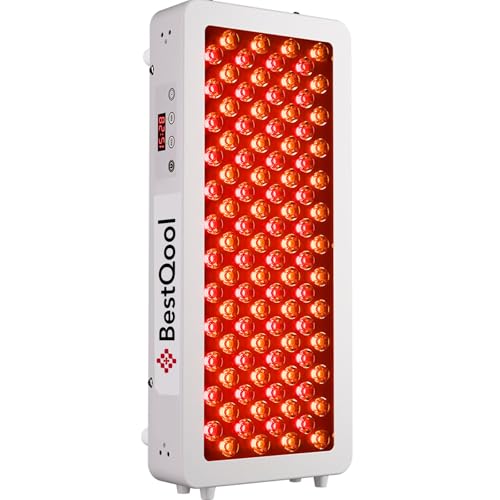
- Comfortable Lighting Experience: Red therapy light gently illuminates you, doubling the light therapy session effect to …
- Modular Design for Multiple Devices: By matching the unique connection holes to the brand’s BestQool plates, you can eas…
- Three Red Light Therapy Modes: Red light provides visible red illumination, while near-infrared light offers a deeper us…

- Super Soft Feel: We use the finest faux rabbit fur fibers and advanced softening techniques to make our fuzzy blanket in…
- Luxury Double-Sided Faux Fur: Unlike regular faux fur blankets, ours features double-sided faux rabbit fur. One side sho…
- Anti-Shedding: Our cozy blankets are crafted with anti-shedding weaving machines to ensure that the faux fur remains sec…

- Distinctive Divided Design: Featuring a smartly partitioned interior and a small side hole, this mug allows for organize…
- Premium Ceramic Construction: Made from high-quality ceramic, the mug is sturdy, chip-resistant, and designed to retain …
- Charming Striped Aesthetic: Adorned with vibrant green and white stripes, the mug adds a pop of freshness and visual int…

- Superior Comfort: Blissful Diary Reading Pillow designed for maximum comfort and support while relaxing moment, indulges…
- Individualized Customization: Our bedrest pillow utilizes high-quality shredded foam, more breathable, durable and not e…
- Hassle-free Maintenance and Cleanliness: The outer cover of this back support pillow is easily removable and machine was…
Light Therapy, Red Light, and Cozy Fall Evenings
Because fall and winter bring darker days, light becomes part of seasonal self-care.
A bright daylight therapy lamp may be helpful for some people who struggle with seasonal mood changes, but it is best used with care, especially if you have bipolar disorder, eye conditions, migraines, medication sensitivities, or a diagnosed mood disorder.
A red light therapy lamp is different. It may fit beautifully into a cozy evening ritual because of its warm glow and wellness appeal, but it should be positioned carefully in your article: as a relaxing home wellness product, not a mental health treatment.
Use bright morning light to support daytime rhythm.
Use warm, dim evening light to help your home feel calmer.
Use red light therapy only as a complementary wellness ritual, not as a replacement for medical or mental health care.
- Comfortable Lighting Experience: Red therapy light gently illuminates you, doubling the light therapy session effect to …
- Modular Design for Multiple Devices: By matching the unique connection holes to the brand’s BestQool plates, you can eas…
- Three Red Light Therapy Modes: Red light provides visible red illumination, while near-infrared light offers a deeper us…
50 Cozy Fall Activities for Mental Health
1. Create a Cozy Reading Nook
A cozy reading nook gives your mind a place to land. Choose a chair, blanket, warm drink, and soft lamp. Reading can offer gentle escape, emotional processing, and a break from constant scrolling. The ritual of sitting in the same comforting spot also teaches your body to associate that corner with rest.
2. Make a Rainy Day Playlist
Music can help shape the emotional tone of an evening. Create a playlist for rainy afternoons, quiet mornings, or candlelit dinners. Choose songs that feel soft, nostalgic, hopeful, or grounding. This gives you a simple emotional regulation tool you can return to whenever the season feels heavy.
3. Bake Pumpkin Bread
Baking engages touch, smell, sight, and taste, which makes it naturally grounding. Pumpkin bread also carries the comfort of seasonal spices and warmth. The process invites slowness: measuring, mixing, waiting, smelling, slicing. Sharing it with someone else can turn a cozy activity into a small act of connection.
4. Write a Letter to Your Future Self
A letter to your future self can help you process where you are right now. Write about what feels hard, what you are learning, what you hope for, and what you want to remember. This practice builds self-compassion because it lets you speak to yourself with tenderness instead of pressure.
5. Take a Slow Autumn Walk
A slow walk in fall air can shift your mood by bringing movement, daylight, and sensory awareness into the same moment. Notice the color of leaves, the sound of rain, the smell of wet earth, and the feeling of your feet on the ground. This is mindfulness without needing to sit still.
6. Make Homemade Apple Cider
Simmering apples, cinnamon, cloves, and orange slices fills your home with warmth. The slow process can feel soothing because it asks you to wait instead of rush. Share it with family, sip it while journaling, or pour it into a thermos for a chilly walk.
7. Start a Seasonal Gratitude Journal
Fall gratitude journaling does not need to be complicated. Write down three small things each evening: a warm drink, a kind message, a quiet moment, a beautiful sky. Gratitude does not erase stress, but it can help your attention notice what is still good and steady.
8. Watch Raindrops on the Window
Sometimes the most regulating activity is the simplest. Sit near a window and watch raindrops race, slide, and blur the view outside. Let your breathing slow as your attention follows the movement. This kind of soft focus can be calming when your mind feels too busy.
9. Create a Candlelit Dinner at Home
Candlelight turns an ordinary meal into a ritual. It lowers the visual intensity of the room and encourages slower conversation. You do not need a fancy meal. Soup, toast, pasta, or leftovers can feel special when you set the table with intention and sit down without rushing.
10. Press Autumn Leaves
Collecting and pressing leaves invites you to notice beauty in small details. It also gives your hands something slow and simple to do. Pressed leaves can become bookmarks, journal decorations, gratitude cards, or seasonal wall art. The activity connects creativity with nature, which is a gentle combination for mental wellness.
11. Try a Red Light Wind-Down Ritual
A red light lamp or red light therapy device can be part of a calming evening routine if you enjoy warm, low-stimulation light. Use it while stretching, journaling, reading, or sitting quietly. Keep the language realistic: this is a cozy wellness ritual, not a cure for low mood.
12. Use a Daylight Lamp on Dark Mornings
For readers who struggle with dark mornings, a daylight therapy lamp may be worth discussing with a healthcare provider. Place this idea in a morning routine section, not a nighttime ritual. Pair it with coffee, journaling, planning your day, or reading something gentle.
13. Build a Fall Vision Board
A fall vision board can help you clarify how you want the season to feel. Use magazine clippings, printed images, words, colors, or textures. Instead of only focusing on achievements, include emotional intentions: steadier mornings, more rest, deeper connection, softer evenings, less rushing.
14. Host an Indoor Fall Picnic
An indoor picnic adds playfulness to a gray day. Lay down a blanket, make tea or cocoa, add simple snacks, and turn off the overhead lights. Novelty helps break routine, and shared playful moments can strengthen connection with children, partners, or friends.
15. Knit, Crochet, or Try a Slow Craft
Repetitive handwork can be soothing because it gives your mind one gentle task to follow. Knitting, crochet, embroidery, weaving, or hand sewing can all become quiet fall rituals. You do not need to be good at it. The calming value is in the rhythm.
16. Make a Pot of Fall Soup
Soup is one of the most grounding meals to cook. Chopping vegetables, stirring broth, smelling herbs, and waiting for everything to soften creates a slow sensory ritual. A large pot of soup can also reduce decision fatigue by giving you leftovers for the next day.
17. Rearrange Your Bookshelf
Reorganizing a small part of your home can create a sense of control when life feels scattered. Arrange books by color, season, mood, or what you want to read next. Keep the process gentle and creative, not perfectionistic. A refreshed shelf can make your home feel new again.
18. Do Mindful Coloring With Autumn Colors
Coloring gives your brain a break from decisions. Choose warm fall colors like rust, burgundy, forest green, honey, cream, and brown. Let the motion be slow and repetitive. This is a lovely activity for adults, teens, children, classrooms, or family quiet time.
19. Make Homemade Chai
Brewing chai turns a drink into a sensory ritual. Cinnamon, cardamom, ginger, cloves, and milk create warmth and comfort. Sip slowly and notice the temperature, scent, and taste. This can become a beautiful afternoon reset when energy dips.
20. Create a Cozy Autumn Photo Album
Gather your favorite fall photos into a small album or digital folder. Include ordinary moments: rainy windows, soup on the stove, a child’s muddy boots, a walk, a book stack, a glowing lamp. Looking back at small seasonal memories can strengthen gratitude and meaning.
21. Try Slow Yoga With Fall Music
Slow yoga, stretching, or gentle movement can help release tension from the body. Pair it with soft autumn music and warm lighting. Focus on how the movement feels rather than how it looks. This can be especially helpful after long screen-heavy days.
22. Plan a Digital Detox Evening
Choose one evening to put screens away earlier than usual. Replace scrolling with candles, tea, reading, a puzzle, journaling, or conversation. Digital detox does not need to be strict. Even one hour of screen-free quiet can help your mind feel less crowded.
23. Make a Fall Scrapbook
A scrapbook gives you a place to gather leaves, photos, ticket stubs, recipes, quotes, and little notes from the season. It helps you slow down and preserve meaning. This is especially lovely for families, couples, or anyone who wants a creative seasonal ritual.
24. Play Board Games With Hot Cocoa
Play is often underestimated in adult mental health. A simple board game can bring laughter, connection, and relief from serious thoughts. Add hot cocoa, blankets, and soft lighting to make it feel like an intentional fall tradition.
25. Decorate One Cozy Corner
Instead of decorating the whole house, choose one corner. Add a blanket, pillow, lamp, basket, candle, plant, or small pumpkin. This keeps the activity affordable and manageable. A single cozy corner can become a visual reminder that rest belongs in your home.
26. Write Poetry Inspired by Autumn
Poetry helps you notice details and express feelings that may be hard to explain directly. Write about rain, leaves, endings, warmth, loneliness, hope, or the strange beauty of slowing down. The poem does not need to be good. It just needs to be honest.
27. Bake Spiced Cookies
The smell of cinnamon, ginger, nutmeg, or cloves can make a home feel instantly warmer. Baking cookies is also a simple way to share care. Bring them to a neighbor, pack them for a friend, or eat one slowly with tea while the rain falls.
28. Create a Rainy Day Comfort Basket
Fill a basket with a book, blanket, journal, tea, coloring pages, fuzzy socks, hand cream, and a small snack. Keep it ready for low-energy days. A comfort basket reduces decision fatigue because your calming tools are already gathered in one place.
29. Have a Low-Pressure Soup Night With Friends
Connection does not need to be fancy. Invite one or two people for soup, bread, and tea. Keep the house imperfect. Let the gathering be simple. Low-pressure connection can be deeply supportive during seasons when loneliness grows.
30. Learn Calligraphy or Hand Lettering
Hand lettering encourages focus, patience, and slow movement. You can write fall quotes, affirmations, place cards, labels, or journal headers. The beauty is in slowing down enough to form each letter with care.
31. Take Cozy Aesthetic Photos
Photography can turn an ordinary rainy day into a mindfulness exercise. Notice light, texture, steam, shadows, leaves, candles, blankets, and books. Taking photos helps you savor the season and find beauty in small corners of daily life.
32. Make a Seasonal Gratitude List
Write a list of everything you appreciate about fall: warm socks, cloudy mornings, pumpkin bread, darker evenings, soft sweaters, soup, quiet walks, candlelight. A seasonal gratitude list can help you relate to the season with more tenderness.
33. Try a Puzzle by Candlelight
A puzzle gives your mind something structured but low-pressure to do. It can be calming alone or connecting with others. Candlelight or warm lamps make the ritual feel softer and more atmospheric.
34. Fold Laundry With Music and a Candle
This is the essence of romanticizing ordinary life. Light a candle, play soft music, and fold slowly. Instead of treating chores as interruptions to life, let them become small acts of care for your future self.
35. Create a Cozy Morning Routine
Fall mornings can feel hard when it is dark outside. Create a short routine that feels supportive: open the curtains, turn on a warm lamp, drink water, make coffee, stretch for two minutes, and write one sentence in a journal.
36. Make Apple Pie From Scratch
Apple pie invites patience. Peeling, slicing, mixing, baking, and waiting become part of the ritual. The finished pie can be shared, which adds connection to the sensory comfort of baking.
37. Have a Rainy Day Tea Party
A tea party can be playful, elegant, or very simple. Use mugs you already own, make small snacks, and invite someone to sit with you. This works beautifully with children, friends, partners, or even as a solo ritual.
38. Try Autumn Watercolor Painting
Watercolor is forgiving and fluid, making it a lovely medium for rainy days. Paint leaves, mushrooms, pumpkins, teacups, windows, or abstract fall colors. Let the process be calming rather than focused on the final result.
39. Plan a Fall Capsule Wardrobe
A small seasonal wardrobe can reduce decision fatigue. Choose cozy pieces that feel comfortable, practical, and like you. Planning outfits ahead of time can make mornings easier and support confidence.
40. Light Lanterns on the Porch
Lighting a lantern at dusk can become a simple transition ritual. It marks the move from day into evening. This kind of seasonal rhythm helps your home feel grounded and intentional.
41. Collect Acorns and Pinecones
A short walk to collect natural objects can be grounding and playful. Use them in a bowl, garland, craft, or table centerpiece. This activity is especially nice with children because it blends movement, nature, and creativity.
42. Listen to an Audiobook While Sipping Tea
Audiobooks can feel comforting when you are tired but still want a story. Pairing one with tea creates a gentle ritual for evenings, chores, or rainy afternoons. Choose something cozy, nostalgic, or emotionally nourishing.
43. Make a Cozy Bedroom Reset
Change your sheets, add a warmer blanket, clear your bedside table, and add soft lighting. A bedroom reset can support sleep hygiene by making the space feel more peaceful and less chaotic.
44. Host a Cozy Book Club Night
A book club creates connection, conversation, and routine. Keep it simple: one book, one drink, one cozy snack. The real benefit is not literary perfection. It is the feeling of gathering around ideas and stories.
45. Create a Warm Bath or Shower Ritual
A warm bath or shower can help your body shift out of stress mode. Add dim lighting, soft towels, comfortable pajamas, and a quiet transition into the evening. Keep it simple and scent-free if fragrance bothers you.
46. Make a “What I’m Releasing This Season” List
Fall is a natural time to reflect on letting go. Write down habits, expectations, pressures, or old stories you are ready to release. You do not have to solve everything. Naming what feels heavy can be the first step toward emotional clarity.
47. Have a Cozy Craft Night
Choose an easy craft like paper leaves, pressed flower bookmarks, jar painting, embroidery, or homemade cards. Crafting gives your hands something soothing to do and can create a sense of accomplishment without needing a major project.
48. Cook Roasted Root Vegetables
Roasting carrots, potatoes, parsnips, squash, or beets is simple, seasonal, and grounding. Cooking with seasonal foods can help you feel connected to the time of year and nourish your body with warmth.
49. Watch an Old Comfort Movie
A familiar movie can feel emotionally safe because you already know the story. There is comfort in returning to something predictable. Pair it with tea, cocoa, popcorn, or a blanket and let it be a low-effort evening reset.
50. Create a Rainy Day Mental Health Menu
Write a list of small things that help when you feel low, anxious, overstimulated, or lonely. Divide it into categories:
- When I need comfort
- When I need energy
- When I need connection
- When I need quiet
- When I need to get out of my head
This becomes your personal rainy day toolkit. Keep it in your journal, on your fridge, or beside your bed.
How to Build Your Own Cozy Fall Mental Health Routine

You do not need to do all 50 activities.
Choose one idea from each category:
One light ritual
One movement ritual
One creative ritual
One connection ritual
One rest ritual
For example:
Morning: daylight lamp, warm coffee, one journal sentence
Afternoon: short walk or stretching
Evening: soup, candlelight, audiobook, no phone for one hour
Weekend: craft night, baking, or low-pressure soup gathering
This creates a seasonal self-care rhythm that feels doable instead of overwhelming.
The goal is not to optimize every moment of fall. The goal is to create small pockets of steadiness.
Cozy Fall Products Worth Considering
A few thoughtful products can make fall rituals easier and more inviting.
For Dark Mornings
A daylight therapy lamp or sunrise alarm clock can support a more intentional morning routine during the darker months. These are especially relevant for readers searching for winter self-care, seasonal mood support, and cozy morning routines.

- Seen In The Tank | 10,000 LUX Brightness: Experience the sun lamp that impressed the Sharks! The lamp provides the recom…
- Hyper-adjustable Design For Any Desk: Unlike fixed-panel lamps, this model features a 270-degree rotating light panel to…
- True Dimensions – Compact Yet Tall: Designed to respect your desk space. While it folds down to a compact 1.75″ X 2.25″ …
For Evening Wind-Down
A red light therapy lamp, red light panel, sunset lamp, amber bedside lamp, or cordless warm lamp can help create a softer evening atmosphere. Frame these as relaxation and home wellness tools, not medical treatments.
- Comfortable Lighting Experience: Red therapy light gently illuminates you, doubling the light therapy session effect to …
- Modular Design for Multiple Devices: By matching the unique connection holes to the brand’s BestQool plates, you can eas…
- Three Red Light Therapy Modes: Red light provides visible red illumination, while near-infrared light offers a deeper us…
For Nervous System Comfort
A weighted blanket, weighted lap blanket, soft throw, cozy robe, slippers, or supportive reading pillow can make rest feel more inviting.

- 🌙【CHOOSE RIGHT WEIGHT】: Weighted blanket which owns 7%- 10% of your body weight is recommended. For example, a 200 lb ad…
- 🌙【JUST ON TOP OF MATTRESS】: Yescool weighted blankets for adults keep you sleeping all night. We recommend a queen size …
- 🌙【TIGHTLY STITCHING&DURABILE】: Our weighted blanket for women&man composed of 5″x5″ small enough compartments stitched b…
- Superior Comfort: Blissful Diary Reading Pillow designed for maximum comfort and support while relaxing moment, indulges…
- Individualized Customization: Our bedrest pillow utilizes high-quality shredded foam, more breathable, durable and not e…
- Hassle-free Maintenance and Cleanliness: The outer cover of this back support pillow is easily removable and machine was…
For Reflection
A guided journal, gratitude journal, beautiful pen set, poetry notebook, or seasonal planner can support emotional processing and intention-setting.

- ✓ GET ORGANIZED & ACHIEVE YOUR GOALS – Clever Fox Planner PRO will help you create a vision for your life, define your s…
- ✓ STAY FOCUSED & INCREASE PRODUCTIVITY – At Clever Fox, we needed a system to stay focused and make the most of our time…
- ✓ FREE QUICK START GUIDE & STICKERS – This planner and organizer for women and men comes with a detailed step-by-step il…
For Creative Slow Living
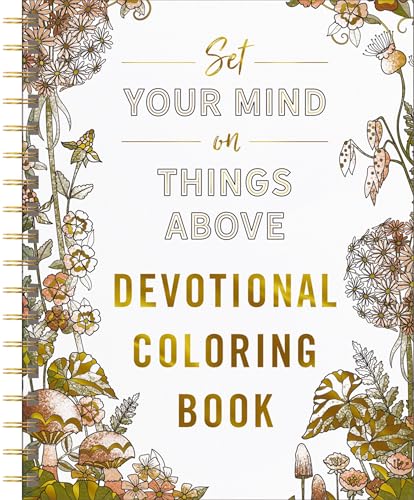
Watercolor sets, adult coloring books, knitting kits, embroidery kits, puzzles, and craft baskets can make rainy days feel less passive and more nourishing.
For Cozy Home Atmosphere
Cordless lamps, candle warmers, unscented candles, soft rugs, throw pillows, electric kettles, mugs, and tea samplers can make your environment feel warmer and more supportive.
- Super Soft Feel: We use the finest faux rabbit fur fibers and advanced softening techniques to make our fuzzy blanket in…
- Luxury Double-Sided Faux Fur: Unlike regular faux fur blankets, ours features double-sided faux rabbit fur. One side sho…
- Anti-Shedding: Our cozy blankets are crafted with anti-shedding weaving machines to ensure that the faux fur remains sec…
- Distinctive Divided Design: Featuring a smartly partitioned interior and a small side hole, this mug allows for organize…
- Premium Ceramic Construction: Made from high-quality ceramic, the mug is sturdy, chip-resistant, and designed to retain …
- Charming Striped Aesthetic: Adorned with vibrant green and white stripes, the mug adds a pop of freshness and visual int…
Final Thoughts
Romanticizing rainy fall days does not mean pretending life is perfect.
It means noticing what is still beautiful when the sky is gray.
It means letting the rain slow you down. It means choosing a warm drink instead of another hour of scrolling. It means lighting a lamp, writing a page, making soup, calling a friend, stepping outside, or wrapping yourself in a blanket and allowing the day to be soft.
Cozy fall activities are not just aesthetic. They can become small acts of mental health care: tiny rituals that help you regulate, reflect, connect, and feel more at home in your own life.
This fall, choose one small ritual that makes the season feel kinder.
Let it be simple.
Let it be warm.
Let it remind you that rest is not something you have to earn.mind and make space for stillness, reflection, and connection. Every quiet afternoon, every cup of tea, every moment you choose to be fully here — that’s where the beauty lives.

About the Author
Hi, I’m Eve, a former school counselor with a master’s degree in School Psychology and a passionate advocate for children and families navigating sensory challenges. As a mom of children with sensory sensitivities, I deeply understand the journey special-needs parents face, and I dedicate myself to researching and sharing practical solutions to help children thrive and feel comfortable in their bodies. My goal is also to empower counselors, therapists, and psychologists with creative strategies and supportive resources to enrich their everyday practice. When I’m not writing or exploring new therapeutic approaches, you’ll find me spending quality time with my family and continually seeking inspiration from everyday moments.

