
Fall crafts can turn an ordinary preschool afternoon into a playful mix of color, texture, storytelling, and hands-on discovery. The best projects for this age are not the most elaborate ones. They use simple materials, allow children to make their own choices, and still feel successful when the finished craft looks different from the example.
This collection focuses primarily on friendly Halloween crafts, with a few fall projects that work throughout September, October, and November. Most take about 15–30 minutes and can be adapted for a preschool classroom, school counseling activity, therapy-office warm-up, or quiet afternoon at home.
Affiliate disclosure: This post contains affiliate links. If you purchase through them, I may earn a small commission at no extra cost to you. As an Amazon Associate, Eveyou earns from qualifying purchases.
Quick Supply Checklist
You do not need every item for every project. Choose the activities you want to try, then gather only the supplies listed for those crafts.
- Construction paper and cardstock
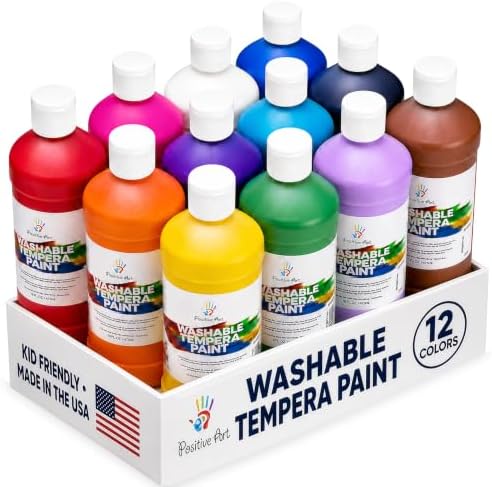
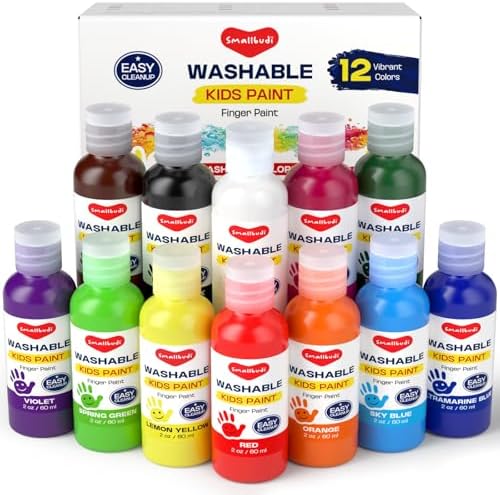
- Washable tempera paint and crayons
- Child-safe scissors
- Washable glue sticks or school glue
- Paper plates, paper bags, cardboard tubes, and paper cups
- Tissue paper, yarn, felt, and contact paper
- Large craft pieces such as pom-poms or paper shapes
- Paintbrushes, sponges, and trays
- Clear plastic bottles for adult-prepared sensory activities
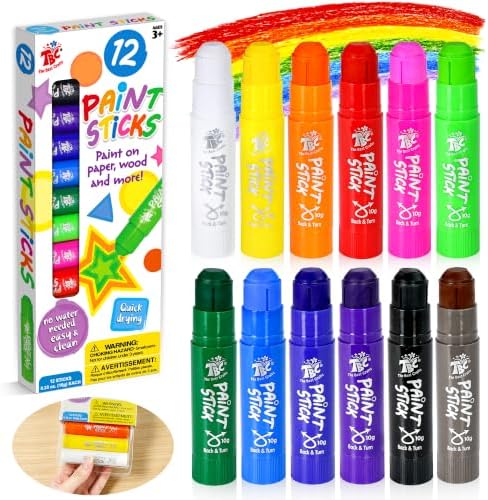
Washable paint and glue can make it easier to prepare several activities with the same basic supply kit.
Preschool Craft Safety
Preschoolers still explore materials with their hands and sometimes their mouths, so close adult supervision matters. Keep small items such as googly eyes, pom-poms, beads, acorns, bottle fillers, and loose caps away from children who may mouth them. Adults should handle hot glue, craft knives, hole punches that require force, bottle sealing, and any cutting through thick cardboard.
Use washable, age-appropriate materials and check product labels for your setting. Natural materials should be cleaned, dried, and inspected before use. Keep yarn and cords short, and choose paper alternatives when allergies, sensory preferences, or classroom rules make a material unsuitable.
The age suggestions below are general. Adjust each activity for the children you know and the supervision available.
Fall Crafts for Preschoolers
1. Torn-Paper Pumpkin Patch Collage

Best for: Ages 3–5
Time: 15–20 minutes
Mess level: Low
Give each child an orange pumpkin outline and several shades of orange tissue or construction paper. Children tear the paper into pieces and glue them inside the pumpkin. Add a green stem and arrange the finished pumpkins together as a classroom patch.
Tearing paper offers an approachable way to practice hand strength and coordination without expecting precise cutting. The different orange shades also make every pumpkin look individual.
Make it easier: Prepare larger paper pieces for younger children or anyone who finds tearing frustrating.
Conversation prompt: “What makes your pumpkin different from the others?”
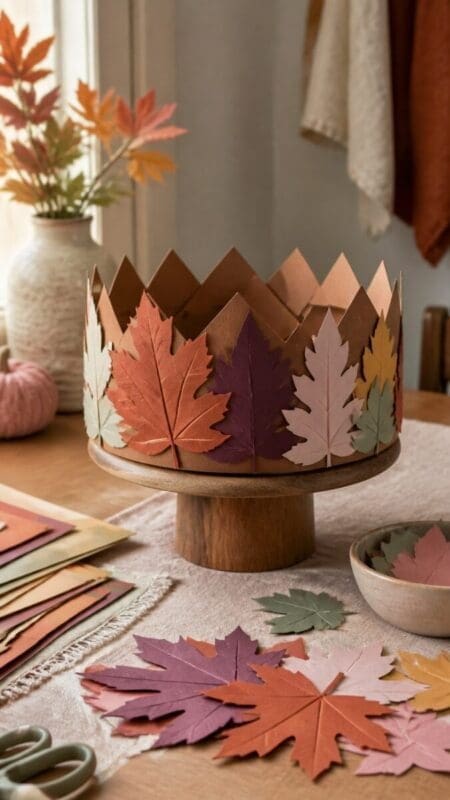
2. Fall Leaf Crown
Best for: Ages 3–5
Time: 20 minutes
Mess level: Low
Cut a wide cardstock band to fit around each child’s head. Children decorate the band with paper leaves, crayons, stickers, or a few clean, dry leaves collected outside. An adult can staple or tape the band after checking the fit.
This open-ended project gives children room to select colors and arrange pieces without needing to copy one model.
Safety note: Use paper leaves if natural materials are not permitted or may trigger allergies. An adult should fit and fasten every crown.
Low-prep option: Provide precut leaves and let children color them before gluing.
3. Paper Bag Scarecrow Puppet

Best for: Ages 3–5
Time: 20–25 minutes
Mess level: Low
Turn a paper lunch bag upside down so the flap becomes the scarecrow’s mouth. Add a paper hat, yarn or paper-strip hair, patches, and a child-designed face. When the glue dries, children can use the puppets for songs, stories, or pretend play.
Puppets can make storytelling feel less demanding because children may speak through a character instead of performing as themselves.
Make it easier: Offer a tray of large precut shapes for children who are not ready to cut independently.
Story prompt: “What does your scarecrow see in the field?”
4. Fall Paper Weaving

Best for: Ages 4–5 with support
Time: 20–30 minutes
Mess level: Low
Fold a sheet of cardstock and have an adult cut several wide slits, stopping before the edge. Open the paper and invite children to weave broad strips of rust, gold, red, and brown paper over and under the slits.
Paper weaving introduces a simple repeated pattern and gives children a visible way to correct or try again. It may take practice, so treat the process as exploration rather than a test.
Make it easier: Use only three wide strips and mark the starting side with a dot.
Adult preparation: Adults should cut the base slits before the activity.
5. Apple Basket Lacing Card

Best for: Ages 4–5 with close supervision
Time: 15–20 minutes
Mess level: Very low
Cut a basket shape from sturdy cardboard and punch widely spaced holes around the edge. Children lace a short piece of thick yarn through the holes, then add large paper apples to the basket.
The activity combines seasonal art with a simple hand-eye coordination challenge. Children can stop after only a few holes and still have a finished basket.
Safety note: Keep yarn short and supervise continuously. This is a tabletop activity, not a wearable craft.
No-yarn alternative: Let children connect the holes with crayon lines or place stickers around the edge.
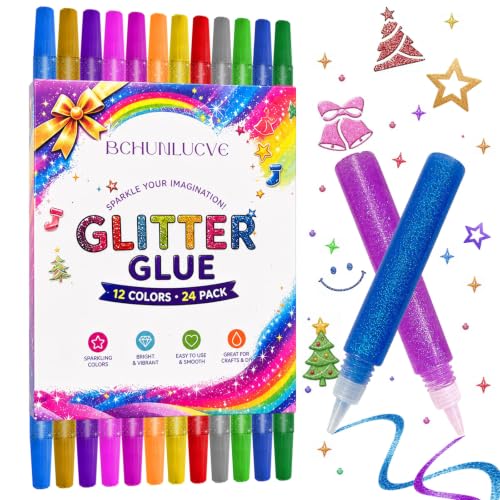
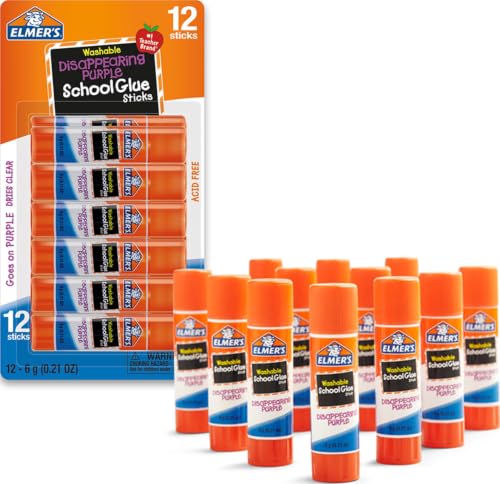
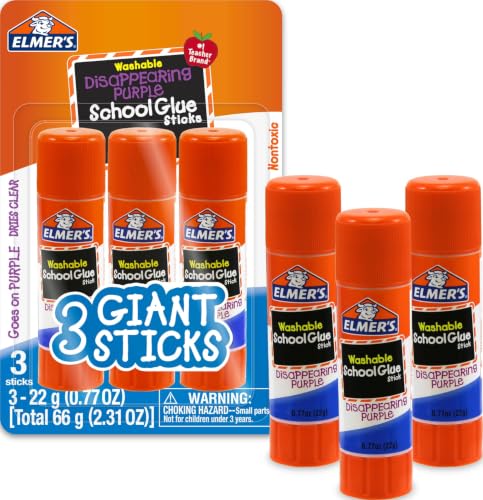
Washable glue sticks are useful for the many paper-based projects in this collection.
Friendly Halloween Crafts for Preschoolers
6. Spooky-Silly Handprint Spiders

Best for: Ages 3–5
Time: 15–20 minutes
Mess level: Low with traced hands; medium with paint
Trace both of the child’s hands on black or purple paper. Cut them out, overlap the palms, and glue them together so the fingers become eight spider legs. Add large paper eyes and a yarn web drawn or glued onto the background.
Let children decide whether their spider looks sleepy, surprised, cheerful, or spooky. This keeps the Halloween theme playful rather than frightening.
Safety note: Paper eyes are a better choice than small googly eyes for children who mouth craft materials.
Conversation prompt: “What helps your spider feel safe?”
7. Coffee Filter Ghosts

Best for: Ages 3–5
Time: 15 minutes plus drying
Mess level: Medium
Place a coffee filter on a tray and let children add pale gray, lavender, or blue washable-marker lines. Lightly mist the filter with water and watch the colors spread. Once dry, gather the center around a paper ball and secure it with tape to create a flowing ghost.
The spreading colors add a small element of surprise, while each ghost can remain friendly and expressive.
Adult preparation: Control the water mist so the filter becomes damp rather than soaked.
Low-mess option: Skip the water and decorate white tissue-paper ghosts with crayons.
8. Paper Plate Black Cats

Best for: Ages 3–5
Time: 20–25 minutes
Mess level: Medium
Paint or color a paper plate black, charcoal, or purple. Add triangular ears, a curled paper tail, whiskers, and large paper eyes. Children can choose the cat’s expression and add a moon-shaped paper background.
Avoid presenting one “correct” cat. A crooked tail, mismatched eyes, or extra-long whiskers can become part of the child’s idea.
Make it easier: Use black paper plates or precut the ears and tail.
Story prompt: “Where is your cat going on Halloween night?”
9. Shape Bat Collage

Best for: Ages 3–5
Time: 15–20 minutes
Mess level: Low
Prepare large circles, triangles, ovals, and semicircles from black, plum, gray, and navy paper. Children combine the shapes to build their own bats, then glue them onto a moonlit background.
Some bats may have one wing, three ears, or a very round body. That flexibility is part of the activity and encourages experimentation.
Learning extension: Name the shapes as children select them, without requiring them to repeat every word.
Safety note: Use pieces too large to present a mouthing hazard for your group.
10. Silly Monster Paper Bag Puppets

Best for: Ages 3–5
Time: 20–25 minutes
Mess level: Low
Set out paper bags with large paper circles, zigzags, horns, teeth, yarn, and colorful scraps. Children can build monsters with any number of eyes and any expression they choose.
Once the puppets are ready, invite children to introduce their monsters. A monster might love dancing, dislike loud noises, or need a friend at bedtime.
Why children may enjoy it: The project turns a traditionally scary character into something humorous and child-controlled.
Small-parts alternative: Replace pom-poms and googly eyes with large paper shapes.
11. Friendly Witch Hat Collage
Best for: Ages 3–5
Time: 15–20 minutes
Mess level: Low
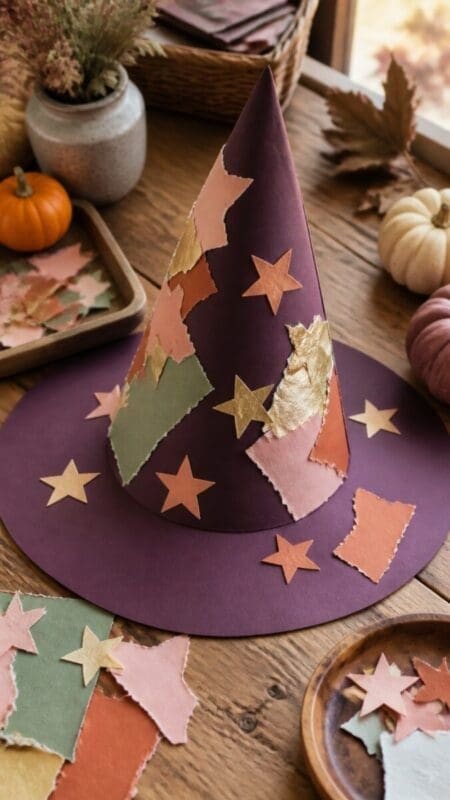
Provide a large witch-hat outline and a collection of paper stars, moons, leaves, stripes, and circles. Children decorate the hats with glue sticks, crayons, or washable dot markers.
This is a useful choice when you want a Halloween craft without spooky faces or complicated cutting. Finished hats can be displayed together as a colorful wall collection.
Sensory-friendly option: Offer flat paper pieces only and allow children to color instead of glue.
Conversation prompt: “What special thing can your friendly hat do?”
12. Candy Corn Tissue-Paper Mosaic

Best for: Ages 3–5
Time: 15–20 minutes
Mess level: Low
Draw or print a large candy-corn outline divided into three sections. Children crumple or tear white, orange, and yellow tissue paper, then glue each color into the matching area.
The project offers a simple color-matching structure while still allowing children to decide how densely to cover each section.
Safety note: This activity uses paper shapes, not candy. Keep tissue pieces appropriately sized for your group.
Alternative: Use large paper squares if crumpled tissue is uncomfortable to touch.
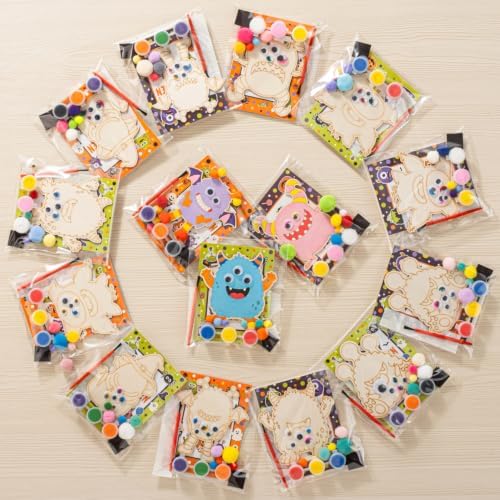
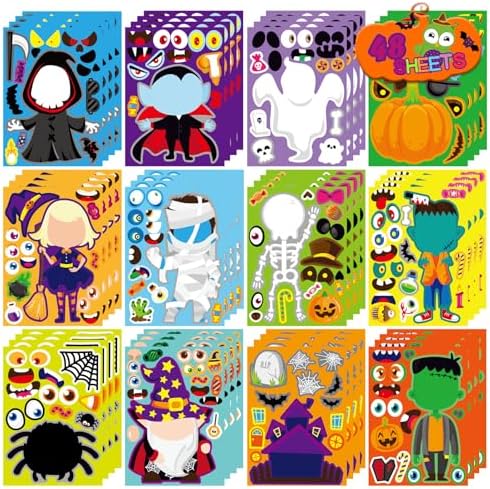
A small assortment of large Halloween craft shapes can support several of the paper activities without requiring intricate cutting.

13. Adult-Sealed Halloween Sensory Bottle

Best for: Ages 3–5 with direct adult supervision
Time: 15 minutes plus adult sealing
Mess level: Medium during preparation
Children choose two or three colors of large waterproof confetti while an adult adds water and clear glue to a sturdy plastic bottle. Try orange and purple pieces for Halloween or rust and gold for a general fall version. The adult closes and permanently seals the lid according to the bottle and adhesive instructions.
Slowly turning the finished bottle can create a quiet visual-focus activity. It should be offered as one optional tool rather than described as something that will calm every child.
Critical safety note: Adults must assemble and seal the bottle, inspect it before every use, and discard it immediately if it leaks, cracks, or loosens. Small fillers must remain inaccessible.
Simpler alternative: Put a few large paper shapes inside a securely taped clear laminating pouch for a dry visual-search activity.
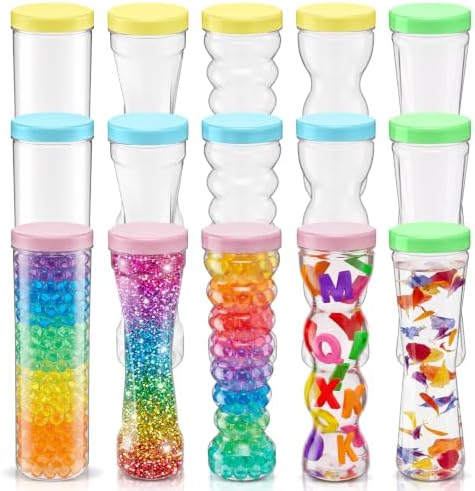
If you choose the sensory-bottle activity, use sturdy clear plastic bottles intended for crafts and follow the manufacturer’s closure instructions.


14. Cardboard Tube Monsters

Best for: Ages 3–5
Time: 20–30 minutes
Mess level: Medium
Cover clean cardboard tubes with washable paint or colored paper. Add large paper eyes, arms, horns, hair, and funny mouths. Stand the monsters together to create a playful Halloween neighborhood.
Because the tube already provides the body, children can focus on choosing features and inventing a personality.
Make it easier: Cover the tubes with colored paper before the activity and offer self-adhesive paper shapes.
Story prompt: “What is your monster especially good at?”
15. Paper Cup Ghost Bowling

Best for: Ages 3–5
Time: 20 minutes to create, then open-ended play
Mess level: Low
Turn white paper cups upside down and draw simple ghost faces with washable markers. Stack six cups in a small pyramid and roll a soft foam ball toward them.
This project combines a quick craft with active play. Children can rebuild the stack, count fallen cups, or invent names and voices for the ghosts.
Safety note: Use lightweight paper cups and a soft indoor ball. Set up the game away from furniture, doors, and other children’s work.
Quieter option: Place the cups in a row and let children gently slide a beanbag toward them.
How to Make Preschool Crafts More Enjoyable
Focus on the process
Show children how the materials work, but avoid asking every project to match an adult example. Preschool art is most useful when children can choose colors, placement, expressions, and stories.
Prepare only the difficult parts
Adults can cut thick cardboard, prepare slits, punch holes, and seal bottles. Leave manageable decisions—color, arrangement, drawing, tearing, and storytelling—to the child.
Offer one alternative
A child who avoids glue may prefer stickers. Someone who dislikes wet paint may choose crayons. A child who is not ready to cut can select from large precut shapes. One simple alternative can make the same activity more accessible without creating an entirely separate project.
Use reflection as an invitation
Questions such as “Tell me about your monster” or “What is happening in your picture?” leave more room than testing questions. Children can answer, demonstrate, continue creating, or decline.
For another low-pressure seasonal activity, try these fall mindfulness activities for kids. Children who enjoy playful emotion crafts may also like the paper worry monster craft.
Frequently Asked Questions
How long should a preschool craft take?
Many preschool crafts work well in 15–30 minutes, but the child’s interest matters more than finishing on schedule. Prepare materials in advance and choose a project with only a few steps when time is limited.
Are Halloween crafts appropriate for children who dislike scary themes?
Yes. Use friendly colors, silly characters, and child-designed expressions. Skip any image or story that feels uncomfortable to the child, and offer a general fall alternative such as leaves, apples, scarecrows, or pumpkins.
What if a preschooler does not want to touch paint or glue?
Offer crayons, stickers, self-adhesive paper, a brush with a longer handle, or the option to direct an adult where to place pieces. Participation does not need to look the same for every child.
Can these activities be used in a classroom or counseling setting?
They can be adapted as classroom crafts, small-group activities, conversation starters, or brief creative warm-ups. Choose materials and prompts that fit your professional role, setting, supervision level, and the individual children involved.
Do I need special craft supplies?
No. Most projects use paper, washable coloring materials, glue, and recycled household items. Buy only the supplies that support activities you genuinely plan to use.
A Simple, Creative Halloween Season
Preschool fall and Halloween crafts do not need elaborate templates or perfect results. A paper bag can become a talkative monster, a coffee filter can become a floating ghost, and one torn-paper pumpkin can join a whole classroom patch.
Choose two or three activities that suit your time, materials, and children. Keep the pieces safe, the instructions flexible, and the focus on exploration. The most memorable projects are usually the ones that leave room for children’s own ideas.

About the Author
Hi, I’m Eve, a former school counselor with a master’s degree in School Psychology and a passionate advocate for children and families navigating sensory challenges. As a mom of children with sensory sensitivities, I deeply understand the journey special-needs parents face, and I dedicate myself to researching and sharing practical solutions to help children thrive and feel comfortable in their bodies. My goal is also to empower counselors, therapists, and psychologists with creative strategies and supportive resources to enrich their everyday practice. When I’m not writing or exploring new therapeutic approaches, you’ll find me spending quality time with my family and continually seeking inspiration from everyday moments.

