
Minimalist winter therapy office decor is not simply a neutral version of seasonal decorating. It is a method for adding warmth while protecting open surfaces, clear pathways, easy cleaning, and a professional visual hierarchy. The goal is to make a few intentional changes—and know what to leave out.
Affiliate disclosure: This article contains Amazon affiliate links. As an Amazon Associate, Eveyou may earn from qualifying purchases at no additional cost to you.
Begin With a Subtraction Audit
Before buying decor, photograph the room from the entrance and each client seat. Remove outdated handouts, empty containers, duplicate ornaments, unused cushions, and items that complicate cleaning. Decide which surfaces must remain functional. This creates room for winter changes without increasing the overall object count.
| Zone | Keep visible | Store or remove |
|---|---|---|
| Entry | Signage and weather storage | Loose seasonal objects |
| Client seating | One optional textile | Excess cushions and baskets |
| Coffee table | One tray or centerpiece | Confidential papers and loose tools |
| Desk | Task light and current essentials | Decor that reduces workspace |
1. Build a Restrained Neutral Base
Use existing cream, warm white, taupe, gray, or light wood as the background. You do not need to repaint the office: repeat the neutral through one washable textile, storage container, or frame. Leave contrast around signs and functional objects so they remain easy to see.

2. Add One Washable Texture
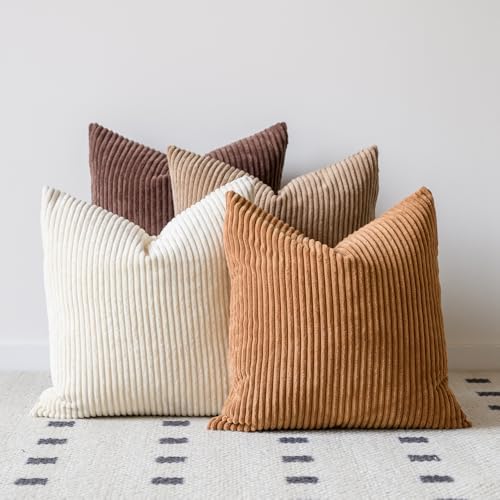
Choose either a throw, pillow cover, or rug—not all three automatically. A removable pillow cover is a low-storage way to change the season. Verify care instructions, allergies, shedding, and whether the item fits your cleaning process.


3. Choose One Seasonal Focal Point
A simple wreath, branch arrangement, or bowl of pinecones can acknowledge winter without distributing decor across every shelf. Keep the focal piece stable, easy to clean around, and away from exits, signs, sprinklers, and child-accessible edges.

4. Use One Additional Light Source
Instead of adding several decorative lights, identify the darkest functional zone and place one shaded table or floor lamp there. Maintain adequate general lighting, prevent glare, secure cords, and avoid open flames. Cordless lamps require a documented charging routine.


5. Bring in One Natural Element
A small plant, faux evergreen, or unscented branch display can add shape and color. Check live-plant toxicity, drainage, pests, and light needs. Dried materials may shed or smell; faux greenery still needs dusting. Treat nature as decor, not a therapeutic tool.
6. Limit the Palette to One Accent Color
Select deep green, navy, burgundy, or another single accent, then repeat it no more than two or three times. This creates continuity without turning every object into a seasonal purchase. Use an item you already own before shopping for a match.

7. Protect Clear Surfaces
Assign each surface a job. The coffee table may hold one tray; the check-in counter needs space for forms; the desk needs room for notes and devices. Closed storage prevents useful materials from becoming visual clutter while keeping confidential information out of view.


8. Rotate One Piece of Art
Swap one framed print for a winter landscape, restrained abstract, or nature photograph. Reuse the same frame to reduce storage. Mount it securely, check reflections, and avoid slogans that imply guaranteed clinical results or assume a shared holiday tradition.
9. Use a Rug Only When It Solves a Problem
A low-pile rug may define seating and add warmth, but it also introduces edges, cleaning, and accessibility considerations. Use an appropriate non-slip pad and preserve mobility-device routes. A rug does not soundproof a room or guarantee privacy.


10. Keep the Office Fragrance-Free by Default
Scent is not required for coziness. Candles, diffusers, dried eucalyptus, and sprays can create problems for visitors with allergies, migraines, asthma, or sensory sensitivities. Use lighting and visual texture instead, and follow workplace policy.
11. Make Optional Tools Clearly Functional
If you keep tissues, blank note cards, fidgets, or stones available, label their purpose and limit the selection. Do not turn every decorative object into a mindfulness exercise. Shared items need appropriate cleaning, and small or fragile pieces may not suit unsupervised areas.
12. Follow the One-In, One-Out Rule
For every seasonal object added, remove or store one existing object from the same zone. At the end of winter, keep only items that proved useful, durable, and easy to maintain. This stops the minimalist look from becoming another collection to manage.
A Three-Budget Minimalist Plan
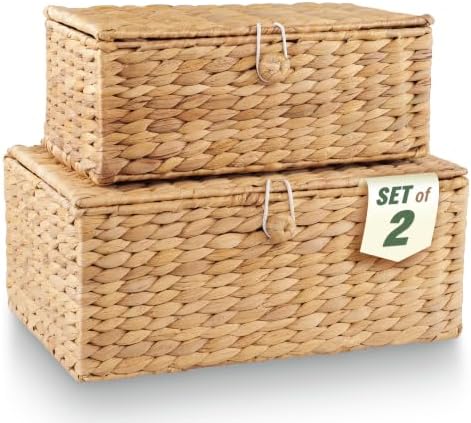
No-spend: declutter, rearrange lamps, rotate art, and group existing objects by color. Small update: add one washable cover or closed storage box. Functional investment: replace an inadequate task lamp or buy a durable rug only after measuring and checking safety. Verify current dimensions, materials, care instructions, and return terms before purchasing.
Safety, Access, and Professional Boundaries
Keep walkways, exits, signs, and controls clear. Avoid open flames, unstable furniture, overloaded outlets, unsecured cords, and strong fragrance. Consider varied bodies, mobility, vision, culture, age, and sensory preferences. Minimalism may simplify the room’s appearance, but it cannot guarantee calm, regulation, focus, emotional safety, trust, or therapeutic outcomes.
How This Guide Differs From Other Winter Decor Styles
This article focuses on reducing and controlling the number of objects. For a more layered look, see hygge winter therapy office decor or cozy winter therapy office ideas. For specific systems, use the guides to winter lighting, winter plant decor, and winter waiting rooms.
Minimalist Winter Office FAQ
Does minimalist decor mean an empty office?
No. It means each visible item has a clear functional or visual role and the room preserves space for access and work.
How many winter accents should I use?
Start with one focal accent and one supporting textile or light. Add more only if a specific zone still needs something.
Can neutral colors regulate the nervous system?
No color palette guarantees a physiological or therapeutic response. Preferences and access needs vary, so observe the room and invite practical feedback.
Minimalism Is a Maintenance System
The most successful minimalist winter office is not the one with the fewest objects; it is the one that remains functional through a busy season. Subtract first, add selectively, preserve clear zones, and review what actually worked before storing anything for next year.

About the Author
Hi, I’m Eve, a former school counselor with a master’s degree in School Psychology and a passionate advocate for children and families navigating sensory challenges. As a mom of children with sensory sensitivities, I deeply understand the journey special-needs parents face, and I dedicate myself to researching and sharing practical solutions to help children thrive and feel comfortable in their bodies. My goal is also to empower counselors, therapists, and psychologists with creative strategies and supportive resources to enrich their everyday practice. When I’m not writing or exploring new therapeutic approaches, you’ll find me spending quality time with my family and continually seeking inspiration from everyday moments.

