
Winter plant decor can add color, height, and natural texture to a therapy office when outdoor views feel gray or bare. The best choices fit the room’s actual light, maintenance schedule, and safety needs. Real plants are not automatically better than faux greenery, and no plant should be presented as a treatment or a guarantee of calm.
Affiliate disclosure: This article contains Amazon affiliate links. As an Amazon Associate, Eveyou may earn from qualifying purchases at no additional cost to you.
Choose Real, Dried, or Faux Greenery
| Type | Best for | Check first |
|---|---|---|
| Real plants | Rooms with suitable light and consistent care | Toxicity, drainage, pests, allergies |
| Dried botanicals | Low-maintenance seasonal texture | Fragrance, shedding, dust |
| Faux greenery | Dark rooms or strict maintenance limits | Cleanability, stability, realistic scale |
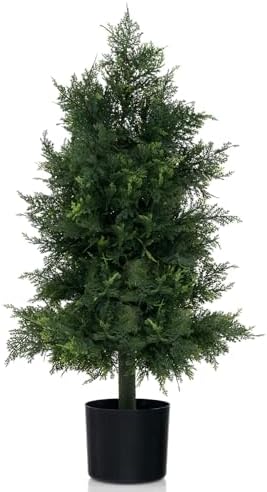
1. Small Evergreen Tabletop Trees
A compact evergreen can create a winter look without using holiday-specific ornaments. Confirm that a live specimen can tolerate the room’s light and temperature. Place it in a waterproof saucer or cachepot and keep soil, needles, and water away from forms and electronics.



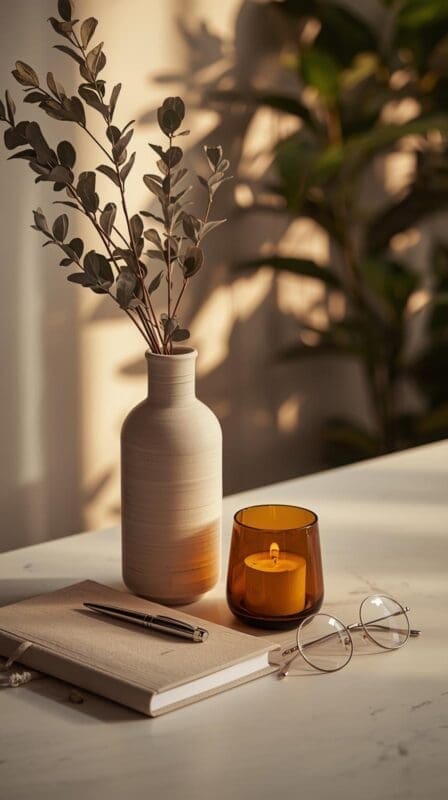
2. Dried Greenery in a Neutral Vase
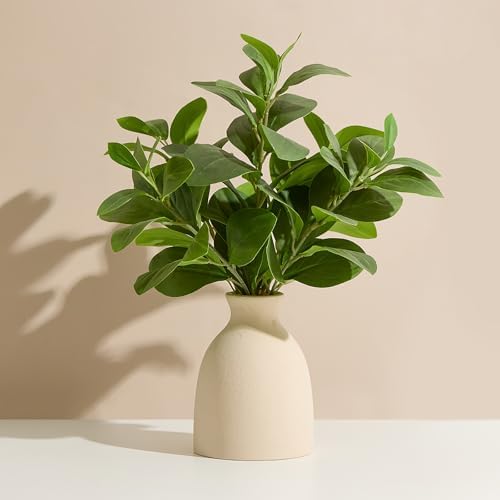
Dried eucalyptus or other branches offer shape without watering, but they can still collect dust, shed, or carry a noticeable scent. Choose unscented materials when sensitivities are possible, use a stable non-breakable vessel in child-focused spaces, and keep arrangements below important sight lines.


3. One Upright Floor Plant
An upright plant can fill an empty corner with less visual spread than a trailing variety. Do not assume that a species will thrive in “low light”; check its specific care needs. Verify toxicity for children and animals who may enter the space, and use a broad, stable planter.
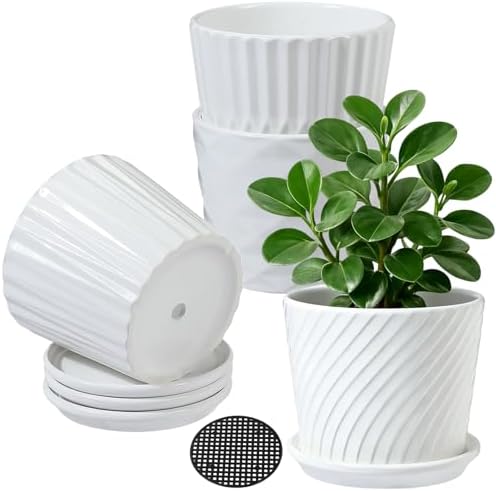
4. White Planters for Winter Contrast
A cream or white planter can brighten dark foliage and coordinate with a neutral winter palette. Choose the planter for function first: correct size, drainage strategy, waterproof protection, and a surface that can be cleaned. Peace lilies and many other common houseplants can be harmful if chewed, so species selection matters more than symbolism.


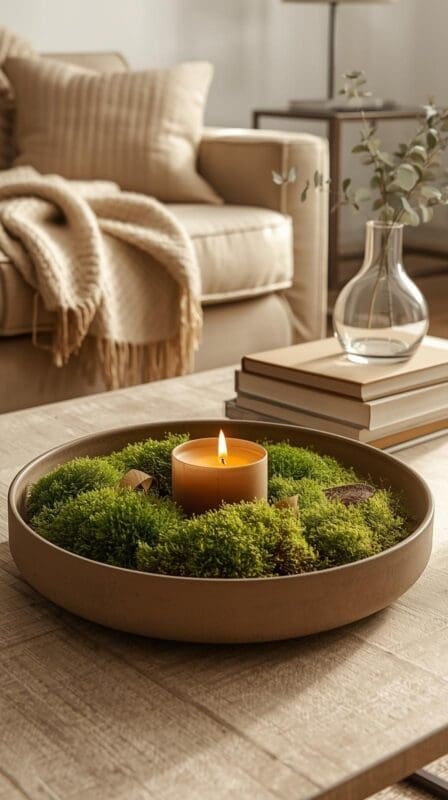
5. A Preserved Moss Display
A sealed or clearly decorative preserved-moss arrangement can add green texture to a coffee table or shelf. Treat it as visual decor, not a universal sensory or grounding tool. Prevent handling if the material sheds, and clean around it according to the supplier’s guidance.
6. A Minimal Evergreen Wreath
A simple wreath can work on a wall or interior door when building policy allows it. Mount it securely and do not obstruct windows, handles, signs, exits, sprinklers, or fire equipment. Faux greenery may be easier to reuse and clean than fresh branches.
7. Winter Bulbs in an Opaque Container
Seasonal bulbs add visible growth and color, but glass forcing jars can introduce breakage and standing-water risks. An opaque, stable container with a protected surface may suit a shared office better. Check the plant’s toxicity and dispose of spent material safely.
8. A Small Windowsill Herb Pot
Herbs can look fresh and useful near a genuinely bright window, but indoor success depends on light, watering, and temperature. Skip aromatic herbs when fragrance sensitivities are possible. Avoid promising that the scent will soothe or ground visitors.
9. Hanging Planters Without Pathway Risk
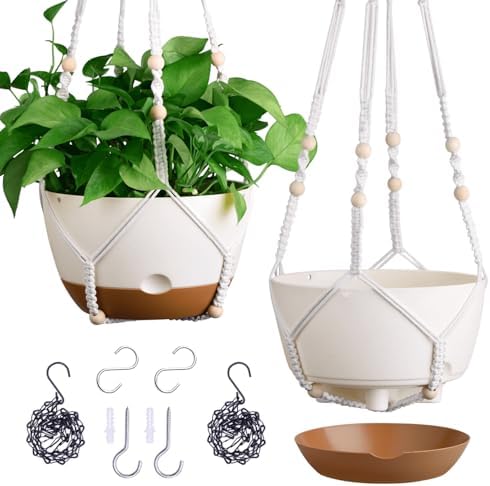
Hanging planters preserve floor space, but only when ceilings, hooks, and installation rules support them. Use properly rated hardware and professional installation where required. Keep plants away from heads, doors, sprinklers, vents, and emergency equipment, and plan how staff will water them without climbing unsafely.


10. Realistic Faux Greenery
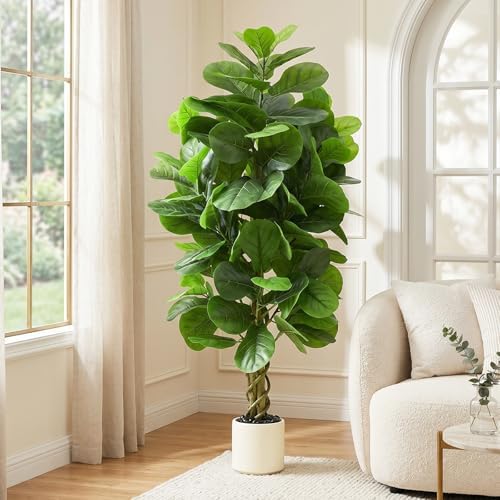
Faux plants are practical in windowless rooms or offices with inconsistent care. Select a scale that matches the location, reshape leaves after unpacking, and place the plant in a weighted container. Dust it regularly; artificial does not mean maintenance-free.

11. One Small Desk Plant
A single compact plant can add color without taking over the desk. Keep enough room for confidential paperwork, devices, and cleaning. A faux succulent may be a better choice when the desk lacks light or is frequently rearranged.
12. A Layered Plant Corner
Combine one tall plant with one or two smaller pots at different heights. Keep the group restrained so it does not narrow the walking route or hide outlets. Use stands and baskets only when they are stable, cleanable, and appropriate for the people using the room.

Do You Need a Grow Light?
A grow light may help when a chosen plant lacks suitable daylight, but it introduces another electrical device, cord, timer, and bright light source. Follow manufacturer instructions, avoid glare into seating, keep the setup away from water, and confirm that your workplace allows it. In many offices, choosing a faux plant is simpler.
Plant Safety and Maintenance Checklist
Identify every live plant; check toxicity for children and animals who may visit; monitor for pests and mold; prevent standing water; protect furniture; avoid strong scent; remove fallen leaves; and clean containers regularly. Keep soil, fertilizer, tools, and watering containers inaccessible where required. Follow workplace cleaning and infection-control policies.
Where to Spend and Where to Save
Spend on a stable planter, waterproof protection, and secure hanging hardware when applicable. Save by using one focal plant instead of many, moving existing greenery into a better location, or choosing a convincing faux stem rather than maintaining a difficult species. Verify current product dimensions and materials before buying.
Related Therapy Office Decor
Pair greenery with minimalist winter therapy office decor, winter lighting ideas, dark winter office decor, cozy winter therapy office decor, or winter waiting-room ideas.
Winter Plant Decor FAQ
Do indoor plants clean therapy-office air?
Do not rely on a few decorative plants as an air-quality solution. Follow appropriate ventilation, filtration, and building-maintenance guidance instead.
Are faux plants suitable for professional offices?
Yes, when their scale and style suit the room and they are kept clean. They can be the more practical option in low light.
Which plant is safest for a therapy office?
There is no universal answer. Consider who visits, whether pets are present, light, maintenance, allergies, toxicity, and local workplace policies before selecting a species.
Add Greenery Without Making Clinical Claims
Plants can make a winter office look more colorful, textured, and intentional. They cannot guarantee calm, grounding, focus, safety, resilience, improved air quality, or therapeutic progress. Choose greenery as a design and maintenance decision, then observe whether it works for your actual space.

About the Author
Hi, I’m Eve, a former school counselor with a master’s degree in School Psychology and a passionate advocate for children and families navigating sensory challenges. As a mom of children with sensory sensitivities, I deeply understand the journey special-needs parents face, and I dedicate myself to researching and sharing practical solutions to help children thrive and feel comfortable in their bodies. My goal is also to empower counselors, therapists, and psychologists with creative strategies and supportive resources to enrich their everyday practice. When I’m not writing or exploring new therapeutic approaches, you’ll find me spending quality time with my family and continually seeking inspiration from everyday moments.

