
Short winter days can expose every weakness in an office lighting plan: harsh overhead glare, dim paperwork areas, distracting reflections, and cords crossing walkways. The best therapy office winter lighting combines practical visibility with a warm, professional atmosphere—and remains adjustable for different tasks and preferences.
Affiliate disclosure: This article contains Amazon affiliate links. As an Amazon Associate, Eveyou may earn from qualifying purchases at no additional cost to you. Product selection, specifications, availability, and prices can change; check the current listing before ordering.

Start With a Winter Lighting Audit
View the room in daylight, on a cloudy afternoon, and after dark. Check the entrance, client seating, your note-taking area, shelves, and the path to the door. Note glare on screens or framed art, deep shadows, exposed bulbs, and outlets that tempt you to stretch cords across traffic routes.
| Lighting layer | Main job | Useful features |
|---|---|---|
| Ambient | General visibility | Dimmable or separately switched |
| Task | Reading and notes | Adjustable head, focused beam |
| Accent | Visual warmth | Low output, shaded or diffused |
1. Layer Ambient, Task, and Accent Light
Instead of asking one ceiling fixture to do everything, give each light a clear role. Keep enough ambient light for safe movement, add a task lamp where paperwork happens, and use one restrained accent light to soften an otherwise flat room. Separate switches or dimmers make the setup easier to adapt.
2. Use Cordless Lamps Where Outlets Are Limited
A rechargeable lamp can add light to a shelf or side table without creating a cord across a walkway. Before buying, verify the current listing for dimensions, charging method, runtime claims, brightness controls, bulb replacement options, and cleaning instructions. Recharge it outside appointments so it is dependable when needed.


3. Add a Shaded Floor Lamp to a Dark Corner
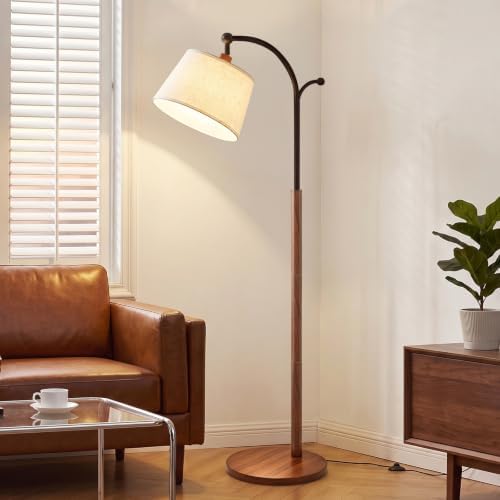
A floor lamp can improve general visibility and balance a room that feels bright on one side and shadowy on the other. Choose a stable base, a shade that hides direct glare, and proportions that fit the corner without narrowing the route around furniture.


4. Create a Reliable Note-Taking Zone
An adjustable desk lamp gives you focused light for forms and notes without increasing brightness everywhere. Position it to avoid screen reflections and to keep the bulb out of the client’s direct line of sight. A simple lamp with intuitive controls is often more useful than a feature-heavy model.


5. Choose Bulbs by Function, Not Mood Alone
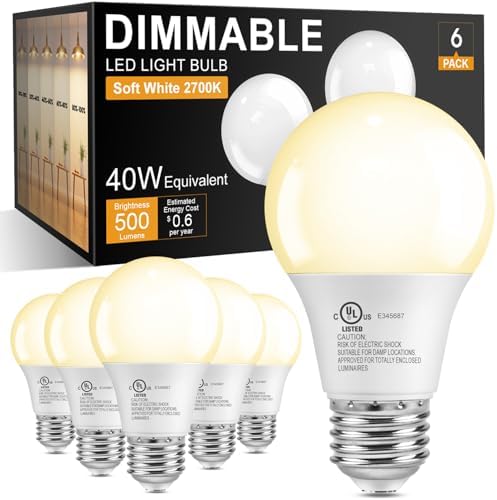
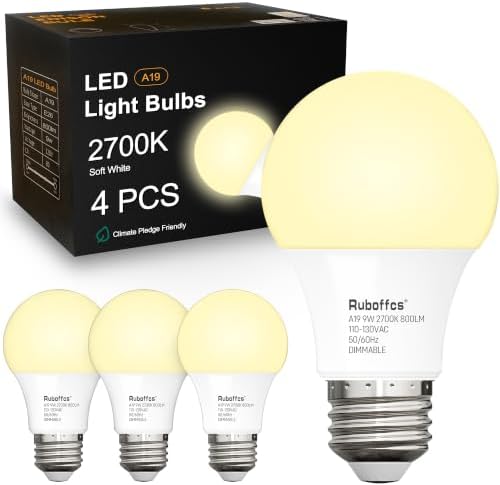
Color temperature affects appearance, while brightness determines how much light reaches the space. Warm-white light often suits lounge-like areas, but accurate paperwork and cleaning checks may require clearer task illumination. Match every bulb to the fixture’s stated base, wattage limits, and dimmer compatibility rather than relying on a decorative label.

6. Use Flameless Accent Lighting Carefully
Battery-operated candles or lantern-style lights can provide a seasonal detail where workplace policy permits them. Avoid open flames. Keep battery compartments secure, place small items away from children and edges, and do not let accent lighting replace adequate room illumination.
7. Treat String Lights as Decor, Not Task Lighting
Warm-white string lights can outline a shelf or small display, but flashing modes and dense installations may be distracting. Secure them properly, keep exits and signs visible, and confirm that the product and installation method are allowed in your building.
What About Light-Therapy Lamps?
A light-therapy device is not simply an office decor lamp. It should not be positioned for incidental client exposure or presented as a general mood-enhancing accessory. If you are considering one for personal use, review manufacturer directions and seek appropriate healthcare guidance, especially when medications, eye conditions, bipolar disorder, or other individual factors may matter.
Safety and Accessibility Checklist
Keep pathways clear; secure cords without creating raised edges; use stable lamps; follow fixture ratings; avoid overloaded outlets; keep lights away from curtains and heaters; and maintain enough illumination for entry, exit, and cleaning. Consider glare, flicker, sound from switches, and whether controls are reachable. Follow your landlord, employer, fire-safety, and electrical policies.
Where to Spend and Where to Save
Spend first on a stable task lamp and reliable general lighting. Save by repositioning existing lamps, changing a compatible bulb, or moving reflective artwork before buying decorative pieces. Product availability and specifications change, so verify the retailer’s current listing rather than relying on a roundup alone.
Related Therapy Office Ideas
Continue planning with cozy winter therapy office decor ideas, hygge winter office decor, dark aesthetic winter office decor, and winter waiting-room ideas.
Winter Office Lighting FAQ
Should every therapy office use warm light?
No single color temperature suits every room, task, or person. Balance atmosphere with visibility and provide adjustment where practical.
Are cordless lamps better than corded lamps?
They can solve placement and cord-management problems, but they require charging and may provide less consistent output. Choose according to the location and daily routine.
Can lighting make clients feel safe?
Lighting can affect visibility and the room’s presentation, but it cannot guarantee emotional safety, regulation, comfort, or a therapeutic outcome. Client preferences, accessibility, clinical practice, and the wider environment matter.
Build a Flexible Lighting Plan
Begin with function: safe movement, readable notes, manageable glare, and accessible controls. Then add warmth through one or two carefully placed lamps. A flexible, uncluttered setup is more useful than a room filled with decorative light sources.

About the Author
Hi, I’m Eve, a former school counselor with a master’s degree in School Psychology and a passionate advocate for children and families navigating sensory challenges. As a mom of children with sensory sensitivities, I deeply understand the journey special-needs parents face, and I dedicate myself to researching and sharing practical solutions to help children thrive and feel comfortable in their bodies. My goal is also to empower counselors, therapists, and psychologists with creative strategies and supportive resources to enrich their everyday practice. When I’m not writing or exploring new therapeutic approaches, you’ll find me spending quality time with my family and continually seeking inspiration from everyday moments.

