
A winter waiting room should work well before it looks seasonal. Visitors need a clear route, suitable seating, practical lighting, privacy-conscious sound management, and a place for wet coats or umbrellas. Once those basics are covered, soft textiles, natural colors, and a few restrained accents can make the space feel warmer and more polished.
Affiliate disclosure: This article contains Amazon affiliate links. As an Amazon Associate, Eveyou may earn from qualifying purchases at no additional cost to you.

Audit the Waiting Room Before Decorating
Visit the room during its busiest period and after sunset. Check whether chairs block movement, lighting creates glare, conversations carry from treatment rooms, or winter gear collects near the entrance. Ask whether each new item will improve function, support maintenance, or simply add clutter.
| Priority | Check | Practical response |
|---|---|---|
| Access | Clear paths and varied seating | Reposition furniture before adding decor |
| Light | Glare, dark corners, readable forms | Layer ambient and task lighting |
| Winter mess | Wet shoes, coats, umbrellas | Add stable, washable storage |
| Privacy | Audible conversations | Review layout and professional sound masking |
1. Add Washable Textiles, Not Loose Clutter
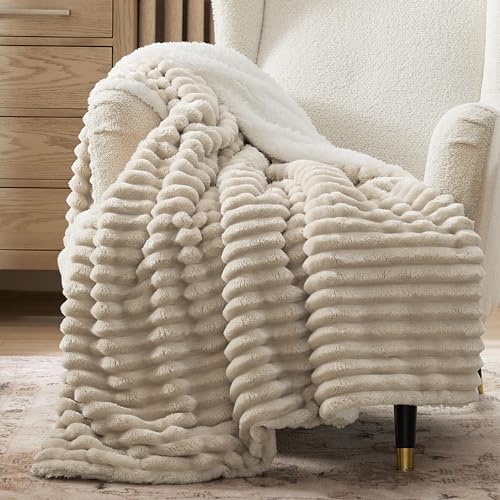
Use one washable throw or a pair of removable pillow covers to introduce winter texture. Keep textiles optional rather than placing them on every seat. Check laundering instructions, allergies, shedding, and your infection-control routine. A low-pile rug may define the seating zone, but it needs flat edges and an appropriate non-slip pad.


2. Layer Lighting for Dark Afternoons
Combine adequate general illumination with a shaded table or floor lamp where the room feels uneven. Choose controls that staff can adjust easily. Keep bulbs within the fixture’s stated limits, manage cords away from walkways, and avoid flashing or rapidly changing effects.


3. Use Simple Winter Greenery
A small evergreen arrangement, branch display, or easy-care plant can add seasonal color without relying on a particular holiday. Choose non-toxic options when children or pets may be present, avoid shedding materials near equipment, and skip fragrance when sensitivities are possible.
4. Build a Safer Beverage Station
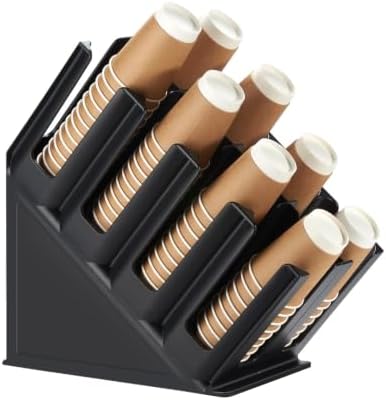
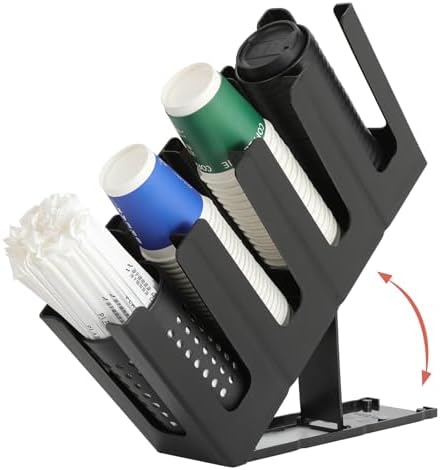
If your practice offers drinks, begin with water and a tidy disposal area. Before adding a kettle or hot beverages, consider burns, spills, electrical policy, child access, allergens, cleaning, and staff responsibility. A supervised or staff-operated setup may be more suitable than an unattended self-service station.

5. Rotate Inclusive Seasonal Art
Winter landscapes, botanical prints, or quiet abstract art can create a seasonal update without assuming that every visitor celebrates the same holiday. Rotate one or two framed pieces rather than covering every wall. Mount frames securely and check reflections from windows and lamps.
6. Offer Low-Maintenance Waiting Activities
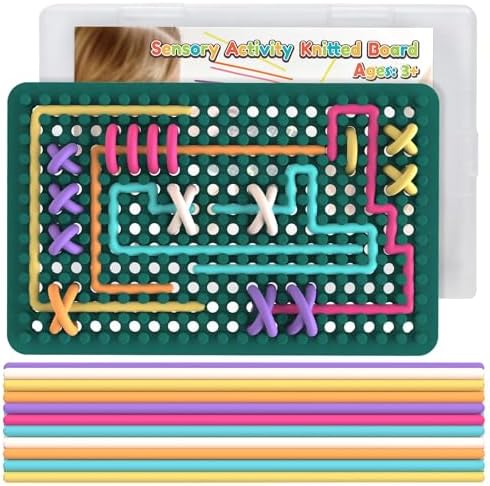
Choose a small range for different ages: current magazines, a visual puzzle book, an activity pad, or a few wipe-clean fidgets. Avoid items with tiny loose parts in unsupervised pediatric areas. Remove damaged items and use a documented cleaning routine rather than promising that an activity will reduce anxiety.


7. Manage Air Without Adding Fragrance
Stale air, damp coats, and overheated rooms can make winter waiting uncomfortable. Follow your building’s ventilation plan and equipment instructions. Avoid scented products unless you have a clear, sensitivity-aware policy. Humidifiers require careful cleaning and are not appropriate for every building or clinical setting.
8. Improve Flow and Privacy
Keep a direct route from the entrance to reception, seating, restrooms, and exits. Offer at least one firm, higher seat with arms where possible, and leave usable space for mobility devices. Decorative dividers do not guarantee confidentiality; if conversations carry, review sound transmission and masking with an appropriate professional.
9. Make Optional Comfort Tools Easy to Understand
A small tray may hold tissues, blank note cards, or a clearly labeled optional activity. Avoid presenting objects as universal grounding tools. Keep personal or clinical information out of view, sanitize shared items, and do not place fragile objects where they may fall.
10. Create a Winter-Ready Entrance
Use a commercial-quality entrance mat with flat edges, a stable coat solution, and an umbrella stand that will not tip. Keep meltwater away from outlets and walking routes. Store tissues and cleaning supplies where staff can reach them without creating an unsupervised hazard.
A Budget Plan That Starts With Function
Begin with free changes: remove clutter, reposition lamps, clarify coat storage, and rotate existing art. Next, prioritize durable items that solve daily problems—safe lighting, washable textiles, stable storage, or accessible seating. Decorative accents come last. Verify dimensions, materials, care instructions, and current retailer information before purchasing.
Safety, Inclusion, and Professional Boundaries
Keep exits, signage, and accessibility features visible. Avoid open flames, unsecured cords, unstable furniture, and strong scent. Consider varied bodies, mobility, vision, hearing, age, culture, and sensory preferences. A thoughtful waiting room can improve usability and presentation, but decor cannot guarantee safety, emotional regulation, calm, trust, or therapeutic outcomes.
Related Therapy Office Guides
Continue with winter therapy office lighting ideas, cozy winter therapy office decor, hygge winter office decor, dark winter office decor, and cordless lamp ideas for therapy offices.
Winter Waiting Room FAQ
Should a counseling waiting room provide drinks?
It is optional. Consider supervision, hot-liquid risk, allergies, spills, cleaning, and workplace policy before offering more than water.
How do I make a windowless room feel less harsh?
Use adequate layered lighting, a light wall or textile, and one nature-inspired focal point. Test the space at the times clients actually arrive.
Can a rug or white-noise machine guarantee privacy?
No. They may change sound in the room, but confidentiality problems require a proper assessment of layout, doors, walls, and sound transmission.
How can I keep winter decor from becoming cluttered?
Use one functional item and one decorative accent per zone, then leave open surfaces for forms, mobility, and cleaning.
Create Warmth Without Overpromising
A strong winter waiting room is easy to navigate, maintain, and adapt. Start with access, light, privacy, and weather-related needs; then add a small number of attractive seasonal details. The result can feel considered and welcoming while remaining honest about what decor can—and cannot—do.

About the Author
Hi, I’m Eve, a former school counselor with a master’s degree in School Psychology and a passionate advocate for children and families navigating sensory challenges. As a mom of children with sensory sensitivities, I deeply understand the journey special-needs parents face, and I dedicate myself to researching and sharing practical solutions to help children thrive and feel comfortable in their bodies. My goal is also to empower counselors, therapists, and psychologists with creative strategies and supportive resources to enrich their everyday practice. When I’m not writing or exploring new therapeutic approaches, you’ll find me spending quality time with my family and continually seeking inspiration from everyday moments.

