
Storytelling is one of the oldest ways humans make sense of the world. Long before children learn to write essays or share complex feelings, they tell stories through play, imagination, and the objects around them.
A stick becomes a magic wand. A cardboard box becomes a spaceship. And a painted rock can become a brave explorer, a worried child, a magical dragon, or a hidden treasure waiting to be found.
That is why story stones are much more than a craft project.
Story stones combine creativity, storytelling, emotional learning, language development, and imaginative play into one simple activity. They are inexpensive to make, highly engaging for children, and incredibly versatile for parents, teachers, school counselors, therapists, and homeschool families.
In this guide, you’ll learn how to make DIY story stones, why they support social-emotional learning, and dozens of ways to use them for meaningful conversations, emotional growth, and creative storytelling.

What Are Story Stones?
Story stones are smooth rocks painted with simple pictures, symbols, characters, emotions, or objects. Children use these images as prompts to create stories, solve problems, explore feelings, and engage in imaginative play.
Unlike toys that have only one purpose, story stones can become almost anything.
A painted tree might become:
- a hiding place
- a meeting spot
- a magical forest
- a symbol of home
A painted child could become:
- the main character
- a friend
- a helper
- someone facing a challenge
The beauty of story stones is that every child can interpret them differently.
That flexibility makes them a powerful tool for creativity and emotional development.
Why Storytelling Is So Important for Social-Emotional Learning
When adults want to understand themselves, they often tell stories.
They talk about what happened at work, what upset them, what they hope for, or what they are worried about. Stories help us organize experiences and make meaning from them.
Children are no different.
The difference is that many children do not yet have the language skills or emotional awareness to explain complex feelings directly.
Storytelling gives them another path.
Instead of saying:
“I felt left out at recess.”
A child might create a story about a lonely rabbit who couldn’t find a friend.
Instead of saying:
“I’m worried about starting school.”
They might tell a story about a nervous bear entering a new forest.
Through storytelling, children can safely explore emotions without feeling exposed or pressured.
Storytelling activities help children develop:
- emotional awareness
- empathy
- communication skills
- problem-solving abilities
- imagination
- perspective-taking
These skills form the foundation of social-emotional learning.
How Story Stones Support Emotional Development
One reason story stones work so well is that they create emotional distance.
Talking directly about feelings can feel uncomfortable for some children. Talking about a character’s feelings often feels much safer.
A child may not want to discuss their own worries.
But they might eagerly explain:
“The fox is scared because he doesn’t know anyone.”
This allows adults to gently explore emotions through the story itself.
Story stones can help children:
- identify feelings
- understand other people’s perspectives
- practice coping skills
- develop emotional vocabulary
- explore solutions to challenges
For school counselors and therapists, this indirect approach can often provide valuable insight into a child’s emotional world.
Supplies You’ll Need
One of the best things about story stones is how simple they are to make.
Materials:
- smooth rocks
- acrylic paint
- paint pens
- small brushes
- pencil for sketching
- clear sealant (optional)
You don’t need artistic skills to create effective story stones. Simple images often work best because they leave more room for imagination.
How to Make DIY Story Stones
Step 1: Collect or Purchase Smooth Rocks
Choose rocks that are large enough for children to easily see the designs.
Step 2: Choose Your Categories
Think about the types of stories you want children to create.
You might include:
- characters
- emotions
- settings
- objects
- animals
- weather
- challenges
Step 3: Sketch Simple Designs
Keep images clear and recognizable.
Avoid overly detailed artwork.
Step 4: Paint the Images
Use bright colors and simple shapes.
Remember that the goal is storytelling—not perfection.
Step 5: Seal the Stones
If the stones will be used outdoors or frequently handled, a clear sealant can help them last longer.
25 Easy Story Stone Ideas to Paint
Character Story Stones
- child
- parent
- grandparent
- teacher
- friend
Animal Story Stones
- dog
- cat
- rabbit
- bird
- fox
Nature Story Stones
- sun
- moon
- tree
- flower
- rainbow
Adventure Story Stones
- boat
- mountain
- bridge
- castle
- treasure chest
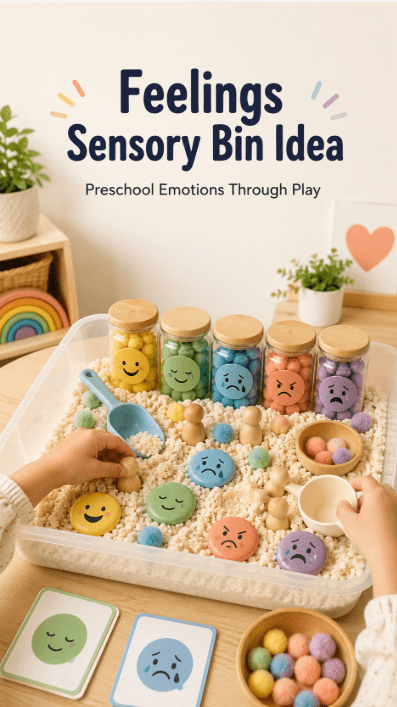
Emotion Story Stones
- happy
- sad
- worried
- angry
- excited
Problem-Solving Story Stones
- locked door
- storm cloud
- broken bridge
- question mark
- helping hand
Story Stone Games for Families
One Stone at a Time
Each person selects a stone and adds one sentence to a growing story.
This game encourages creativity, listening skills, and collaboration.
The Surprise Ending Game
Children select three random stones and create a story that must include all three.
This promotes flexible thinking and creative problem-solving.
Family Story Night
Place all story stones in a basket and use them as prompts for bedtime storytelling.
Many children enjoy this more than traditional storytelling because they actively participate.
Story Stone Activities for Classrooms

Story stones are an excellent addition to literacy centers, SEL lessons, and morning meetings.
Teachers can use them for:
- creative writing prompts
- partner storytelling
- group story building
- speaking and listening activities
- SEL discussions
Because they are hands-on, they often engage children who are reluctant writers or speakers.
Story Stone Activities for School Counseling
This is where story stones become especially powerful.
School counselors can use them to explore emotions, friendships, problem-solving, and coping skills in a way that feels playful rather than intimidating.
How Is My Character Feeling?
Invite the child to choose:
- one character stone
- one emotion stone
- one setting stone
Ask:
“What is happening to this character?”
Children often project real-life experiences into the story.
The Coping Skills Story
Choose:
- a challenge stone
- a feeling stone
- a coping skill stone
Ask:
“How does the character solve the problem?”
This helps children practice emotional regulation and problem-solving skills.
Friendship Stories
Use friendship-themed stones to explore:
- conflict resolution
- empathy
- kindness
- cooperation
Reflection Questions to Deepen Learning
After storytelling activities, consider asking:
- How do you think the character felt?
- Have you ever felt that way?
- What helped the character?
- What would you do in that situation?
- What happened at the end of the story?
- What did the character learn?
These questions help children connect stories to real-life experiences.
You May Also Enjoy
If you’re interested in creative SEL activities, you may also enjoy:
- Creative Craft Ideas to Help Children Express Anger
- Empathy Activities for Kids
- Building Emotional Resilience Brick by Brick: How to Use a Building Brick Wall in Therapy and at Home
- Rock Painting Ideas for Kids: Easy, Cute & Meaningful Designs That Support Calm, Creativity & Emotional Growth
- Easy Rock Painting Ideas for Kids (That Actually Look Cute and Feel Good to Create)
Final Thoughts
Story stones are a wonderful reminder that powerful learning tools do not have to be complicated.
A handful of painted rocks can spark creativity, build emotional awareness, strengthen communication skills, and open the door to meaningful conversations.
Most importantly, story stones allow children to explore their thoughts, feelings, and experiences through play.
And when learning feels like play, children are often willing to go much deeper than we expect.

About the Author
Hi, I’m Eve, a former school counselor with a master’s degree in School Psychology and a passionate advocate for children and families navigating sensory challenges. As a mom of children with sensory sensitivities, I deeply understand the journey special-needs parents face, and I dedicate myself to researching and sharing practical solutions to help children thrive and feel comfortable in their bodies. My goal is also to empower counselors, therapists, and psychologists with creative strategies and supportive resources to enrich their everyday practice. When I’m not writing or exploring new therapeutic approaches, you’ll find me spending quality time with my family and continually seeking inspiration from everyday moments.

