
Elementary classrooms are full of energy — and with that comes impulsivity. Students may call out answers, struggle to wait their turn, or act before thinking. While some impulsivity is age-appropriate, consistent challenges can disrupt learning and social interactions.
The good news? With the right strategies, teachers and school counselors can create a classroom environment that supports impulse control and emotional regulation.
Here are effective classroom strategies for managing impulsivity in elementary students.
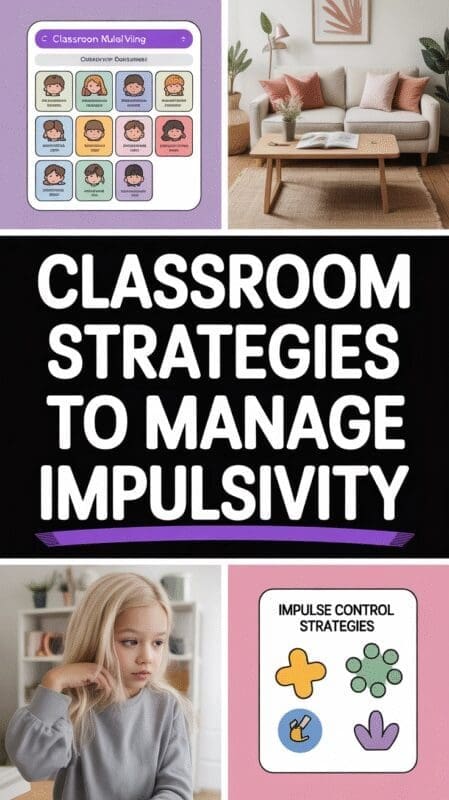
1. Use Visual Cues and Reminders
How it works:
- Post simple visuals like stop signs, traffic lights, or “Think First” posters.
- Use hand signals to remind students to pause before speaking.
Why it helps: Kids benefit from concrete, consistent reminders in the moment.
2. Build Predictable Routines
How it works:
- Keep daily schedules visible on the board.
- Use consistent cues for transitions (bells, songs, or claps).
Why it helps: Structure reduces uncertainty, which lowers impulsive reactions.
3. Practice Waiting Games
How it works:
- Incorporate games like Red Light, Green Light or Freeze Dance during transitions.
- Practice turn-taking with group activities.
Why it helps: Builds inhibition skills while keeping learning fun.
4. Teach Self-Regulation Skills
How it works:
- Introduce calming strategies like breathing exercises, “count to 5,” or tracing a shape with a finger.
- Provide quiet corners for students who need to reset.
Why it helps: Kids learn to recognize impulses and choose healthier responses.
5. Offer Positive Reinforcement
How it works:
- Praise students for moments of self-control: “I noticed you waited your turn—that was respectful.”
- Use token systems or sticker charts for consistent reinforcement.
Why it helps: Encouragement motivates students to repeat desired behaviors.
6. Provide Movement Breaks
How it works:
- Schedule short brain breaks with stretching, jumping jacks, or mindful movement.
- Offer fidgets or stress balls during seated work.
Why it helps: Physical outlets reduce restlessness and improve focus.
7. Partner With Parents
How it works:
- Share classroom strategies so parents can use similar cues at home.
- Communicate progress regularly through positive notes or meetings.
Why it helps: Consistency across settings strengthens self-control skills.
Final Thoughts
Managing impulsivity in elementary classrooms takes patience, creativity, and consistency. By combining visual cues, routines, waiting games, and self-regulation tools, teachers and counselors can support students in building impulse control that lasts far beyond the classroom.
Explore more ideas in my guides on Therapy Games That Teach Kids to Pause and Think.

About the Author
Hi, I’m Eve, a former school counselor with a master’s degree in School Psychology and a passionate advocate for children and families navigating sensory challenges. As a mom of children with sensory sensitivities, I deeply understand the journey special-needs parents face, and I dedicate myself to researching and sharing practical solutions to help children thrive and feel comfortable in their bodies. My goal is also to empower counselors, therapists, and psychologists with creative strategies and supportive resources to enrich their everyday practice. When I’m not writing or exploring new therapeutic approaches, you’ll find me spending quality time with my family and continually seeking inspiration from everyday moments.