
Understanding Mental Health: Why It Matters
Mental health is an integral component of overall well-being, particularly for upper elementary school students who are navigating both academic demands and social development. At this crucial stage, children are not only absorbing academic knowledge but also forming the foundations of their emotional and social competencies. As such, cultivating mental health awareness is essential to ensure they thrive in various aspects of life.
Research indicates that mental health significantly influences students’ academic performance. Children who struggle with mental health issues often experience difficulties in concentration, motivation, and their ability to perform academically. Conversely, students who feel mentally supported are more likely to engage in their studies, participate in class discussions, and express themselves creatively. By promoting an understanding of mental health, educators and caregivers can empower students to recognize and address their emotional challenges, ultimately leading to improved academic outcomes.
This article contains affiliate links. If you make a purchase through these links, I may earn a small commission at no extra cost to you. I only recommend products I believe are helpful, high-quality, and a good fit for creating meaningful activities with kids and families.
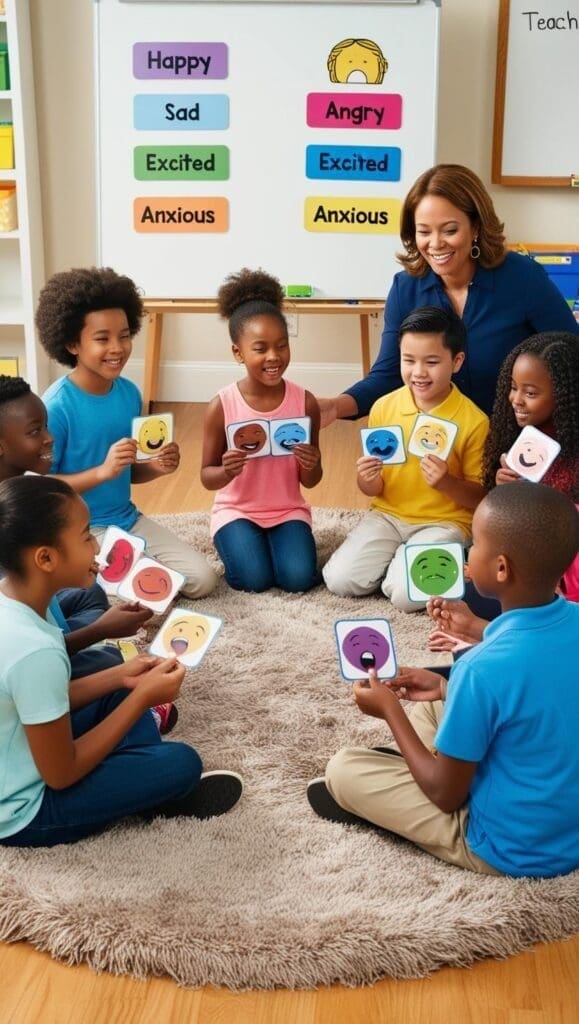
Moreover, mental health profoundly impacts social interactions among peers. Developing emotional intelligence and resilience during upper elementary years is critical, as these skills foster healthier relationships and improved communication. Children who understand their emotions and learn to articulate their feelings are better equipped to navigate friendships, empathize with others, and handle conflicts constructively. Awareness initiatives can create an environment where discussing feelings is normalized, reducing the stigma surrounding mental health issues.
Additionally, addressing mental health early on has long-term benefits, laying the groundwork for healthy coping mechanisms and resilience as children transition into adolescence and adulthood. By promoting open conversations about mental health, upper elementary schools can create supportive environments that encourage students to seek help when needed, equipping them with vital tools to face future challenges. Fostering this awareness is not just beneficial but essential for nurturing well-rounded, emotionally intelligent students.
Interactive Activities for Building Awareness
Creating an engaging atmosphere for upper elementary students to explore mental health can significantly enhance their emotional literacy and empathy. Here are several interactive activities designed to foster understanding and discussion around mental health concepts.
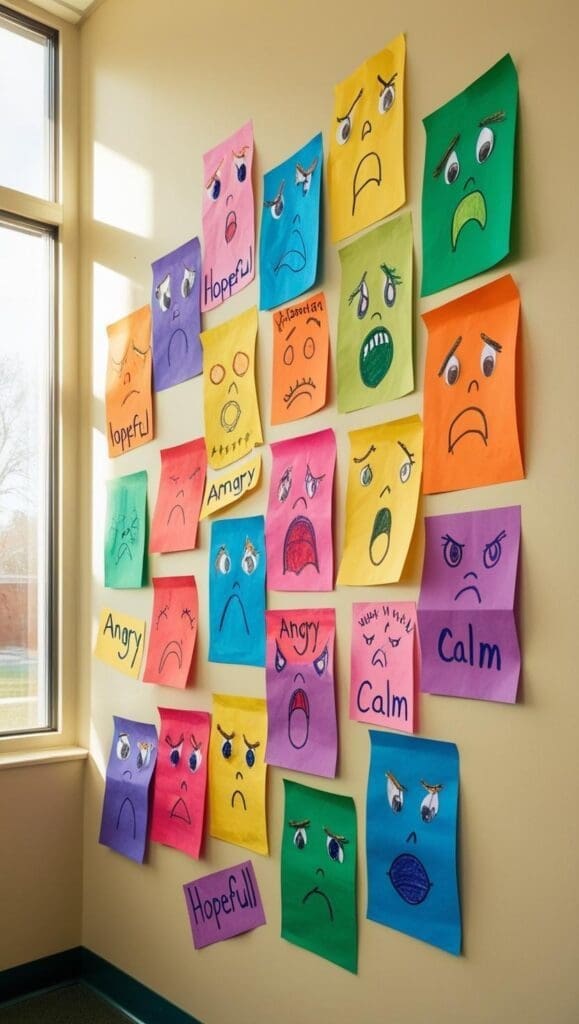
One effective activity is a group discussion centered on emotions. This can begin with students identifying different feelings through flashcards that display various emotions. Following this, the class can engage in a structured discussion where students share experiences related to each emotion. This activity helps students recognize feelings in themselves and others, thereby promoting a deeper understanding of emotional states and mental health.
Another engaging approach is role-playing scenarios. In small groups, students can act out different situations that involve various mental health issues, such as stress or anxiety. For example, one group might portray a character dealing with test anxiety, while another portrays supportive peers. After each performance, a guided discussion can help students reflect on the emotions expressed and consider constructive responses. This exercise not only builds empathy but also enables students to practice supporting one another.
Art projects also serve as an effective medium for expression. Students can create a “feelings wall” by drawing or writing their feelings on individual pieces of paper, which are then displayed in the classroom. This visual representation encourages students to articulate their emotions creatively and fosters an open dialogue about mental health.
Lastly, mindfulness exercises such as guided meditation or deep-breathing sessions can provide students with tools to manage stress. By integrating these practices into the school day, educators can help students cultivate a sense of calm and awareness of their mental well-being. Each of these activities aims to create a safe and supportive environment where students can express their feelings and learn about mental health effectively.

- 【CREATE YOUR OWN CALM CORNER】Transform any space into a serene retreat where children can relax, reflect, and regain the…
- 【RELIEVE & ENHANCE FOCUS】The calming corner kit set includes posters, sensory tools, and calming toys to provide sensory…
- 【SUPPORT EMOTIONAL AWARENESS】Empower children to express their feelings in a positive and constructive way. Our Solution…
Incorporating Mental Health into the Curriculum
Integrating mental health topics into the existing curriculum in upper elementary schools is essential for fostering an understanding and awareness of this crucial aspect of well-being among students. Educators can adopt various strategies to weave mental health discussions into subjects like science, literature, and social studies, thereby promoting a holistic approach to learning.
For instance, in a science class, teachers can explore the biological aspects of mental health, including the impact of stress on the body and the brain. Incorporating lessons on the importance of physical health and its correlation with mental well-being can help students recognize the interconnectedness of their mental and physical states. Activities could include experiments that simulate the effects of stress or mindfulness exercises aimed at reducing anxiety, allowing students to experience firsthand the benefits of mental health practices.
In literature classes, educators can select texts that delve into themes of emotional resilience, character struggles, and personal growth. As students read novels or short stories, discussions can be facilitated around the characters’ mental health challenges, enabling them to empathize with different perspectives. This approach not only enhances literary analysis skills but also serves to normalize conversations about feelings and mental health struggles.
Social studies lessons can be enriched by focusing on the role of community and social support systems in mental health. Projects can revolve around exploring how historical figures or movements have influenced mental health awareness within society. Collaborative activities, such as creating awareness campaigns or community service initiatives, can empower students to take action, fostering a supportive classroom environment that prioritizes emotional well-being.
Encouraging ongoing discussions around mental health within the classroom helps create a safe space where students can feel comfortable expressing their thoughts and emotions. Consistent engagement with these topics not only promotes awareness but also equips students with tools to manage their mental health effectively, leading to a more informed and compassionate generation.

- Calm Down Corner Felt Board is a versatile educational tool designed to help kids manage their emotions and learn calmin…
- Package Included:1 Calm Down Corner Felt Board,21 Feeling Cards, 21 Calming Strategies Cards, 1 Pinwheel, 42 Velcro dots…
- Social Emotional Learning Activities: This visual choice board is great for special education or inclusion classroom. Pr…
Engaging Parents and the Community
Engaging parents and the community is crucial in fostering mental health awareness among upper elementary school students. Parents play an integral role in shaping their children’s understanding and attitudes towards mental health. Hosting workshops and information sessions can empower parents with the knowledge and skills they need to support their children’s mental well-being. These workshops can cover topics such as recognizing signs of stress, promoting resilience, and effective communication strategies. Providing parents with resources, such as pamphlets or access to online materials, equips them to create a supportive environment at home.
Moreover, schools can enhance mental health awareness by forming partnerships with local mental health professionals and community organizations. Collaborating with these experts allows schools to offer valuable insights and resources that can aid both parents and students in understanding mental health issues. These partnerships can lead to joint programs, such as community health fairs, guest speaker events, or informational webinars that highlight the significance of mental health in children’s development.
An open line of communication between schools and families is essential for fostering a community-centric approach to mental health awareness. Schools can facilitate regular newsletters or updates that inform parents about mental health initiatives, local resources, and upcoming workshops. Additionally, creating feedback mechanisms, such as surveys or parent forums, can ensure that parents feel involved and valued in the process, allowing them to voice their concerns and suggestions. Schools can also encourage parental involvement in activities that raise mental health awareness, such as organizing awareness weeks or events that engage students, families, and community members alike. Building a strong support network fosters a collective responsibility towards nurturing the mental health of children, ultimately leading to a healthier school community.
5 Engaging Mental Health Exercises for Upper Elementary Students
1. “Mood Monsters” Drawing & Storytelling
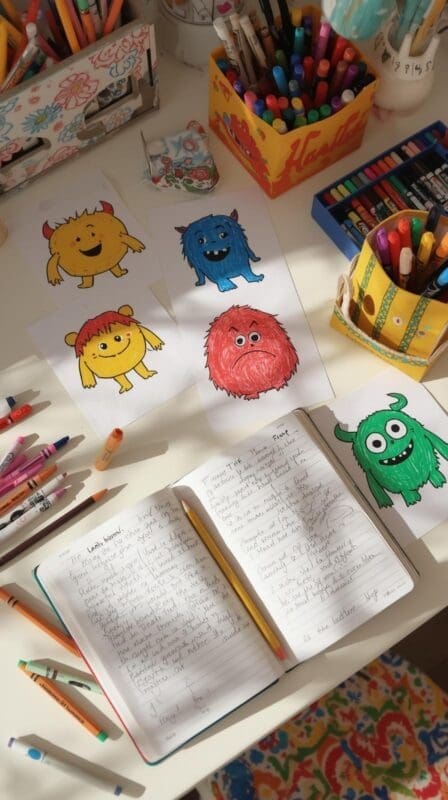
What it is: Students draw a monster that represents a specific feeling (anger, worry, excitement, loneliness). Then, they write a short story about a time they felt that way and how they managed it.
How to prepare:
- Provide paper, markers, colored pencils, or crayons.
- Optionally, give a list of “feelings words” to help students choose a mood to illustrate.
- For younger students, keep the writing part short and allow them to verbally share their story.
How much time it takes: 25–40 minutes (10–15 minutes drawing, 10–15 minutes writing, 5–10 minutes sharing).
How to do it:
- Introduce the activity by talking about how emotions can feel big and hard to describe.
- Model by drawing your own “mood monster” (e.g., an “anxiety monster” with shaky hands).
- Give students time to create their monster and write a short story.
- Invite volunteers to share with the group (optional, respect privacy).
- Wrap up by discussing how naming emotions helps us better understand and handle them.
Why it works: Makes abstract feelings concrete and approachable. Kids practice both creativity and emotional literacy.
2. “Feelings Forecast” Morning Check-In
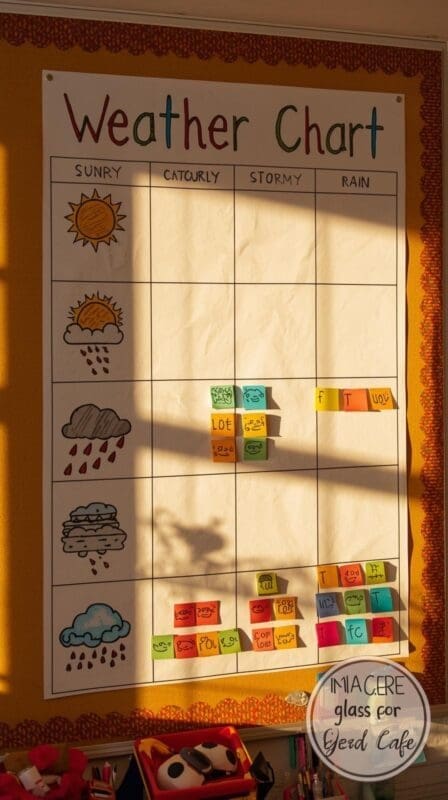
What it is: Students use weather metaphors to describe how they feel: sunny = happy, cloudy = confused, stormy = angry, rainy = sad, etc.
How to prepare:
- Make a poster or chart with weather icons.
- Provide sticky notes or magnets for students to place under their “forecast.”
- Optionally, print out individual “feelings forecast cards” for students to use at their desks.
How much time it takes: 5–10 minutes daily.
How to do it:
- Begin the day with a quick class check-in.
- Ask students to choose a weather symbol that matches their mood.
- Allow space for volunteers to share why they chose their forecast (no pressure for everyone to explain).
- Circle back at the end of the day to ask: “Has your forecast changed? Why?”
Why it works: Builds a habit of self-awareness. Encourages compassion as students notice that moods shift, and everyone has cloudy days sometimes.
3. “Coping Strategy Toolbox” Craft
What it is: A personalized box filled with coping cards that remind students of healthy ways to regulate their emotions.
How to prepare:
- Gather small boxes (shoeboxes, tissue boxes, or printable paper templates).
- Provide art supplies for decorating.
- Prepare coping strategy cards (printable or blank for student brainstorming).
How much time it takes: 45–60 minutes (can be split into two sessions: crafting + filling).
How to do it:
- Introduce the idea of coping strategies and why they’re important.
- Give each student a box to decorate with colors, stickers, or drawings.
- Provide cards with coping prompts (e.g., “Take 3 deep breaths,” “Talk to a friend,” “Go for a walk”) and let students add their own.
- Fill the toolbox together and discuss which strategies work best for different feelings.
- Encourage students to keep their box at school or home as a resource.
Why it works: Students create a personal, tangible reminder of healthy strategies, giving them a sense of control when emotions feel overwhelming.

4. “Emotion Charades” Game
What it is: A fun, interactive version of charades where students act out emotions for others to guess.
How to prepare:
- Write a list of emotions on slips of paper (anger, pride, embarrassment, excitement, disappointment).
- Place slips in a bowl or container.
How much time it takes: 15–20 minutes.
How to do it:
- Divide students into teams or play as a whole class.
- One student draws a slip and silently acts out the emotion.
- Classmates guess the emotion within a set time (30–60 seconds).
- Rotate until everyone has had a turn.
Variations:
- Cooperative: Students work together as one group instead of competing.
- Advanced: Add “situations” (e.g., “Act out how you feel when you lose a game”).
Why it works: Improves nonverbal recognition of emotions, strengthens empathy, and creates laughter—a natural stress reliever.

5. “Gratitude Garden” Wall Display
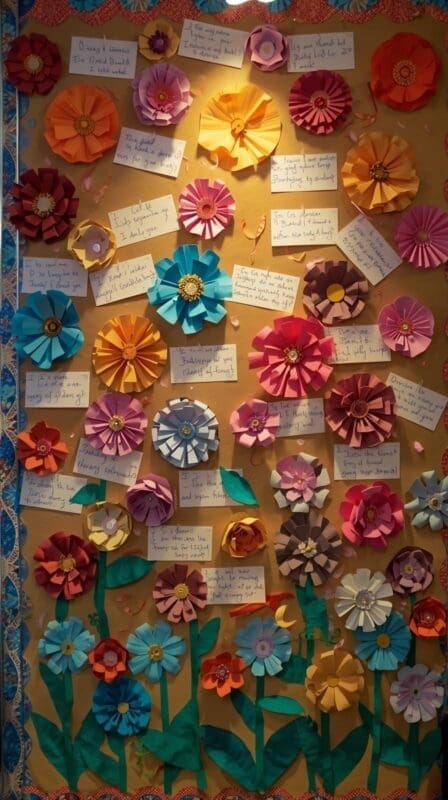
What it is: A bulletin board garden where each flower represents something a student is thankful for.
How to prepare:
- Create a large bulletin board with a garden background (stems, grass, sky).
- Cut out paper flowers in advance or let students create their own.
- Provide markers for writing gratitude statements.
How much time it takes: 30 minutes to start, then 5–10 minutes weekly to maintain.
How to do it:
- Introduce the concept of gratitude and its benefits for mental health.
- Give each student a flower cutout to decorate and write one thing they’re thankful for.
- Add flowers to the board, creating a “growing” garden.
- Each week, invite students to add new flowers.
- Revisit the garden during tough days as a visual reminder of positivity.
Why it works: Encourages an ongoing habit of gratitude, shifting focus from challenges to small joys. Builds resilience and fosters a supportive classroom culture.

About the Author
Hi, I’m Eve, a former school counselor with a master’s degree in School Psychology and a passionate advocate for children and families navigating sensory challenges. As a mom of children with sensory sensitivities, I deeply understand the journey special-needs parents face, and I dedicate myself to researching and sharing practical solutions to help children thrive and feel comfortable in their bodies. My goal is also to empower counselors, therapists, and psychologists with creative strategies and supportive resources to enrich their everyday practice. When I’m not writing or exploring new therapeutic approaches, you’ll find me spending quality time with my family and continually seeking inspiration from everyday moments.