Halloween isn’t just about costumes and candy — it can also be a meaningful opportunity for kids, teens, or even adults in counseling groups to practice social skills, teamwork, and emotional regulation. A well-planned Halloween gathering in a group counseling setting combines fun with therapeutic value, creating memories that also support mental health.
Here are 10 Halloween party ideas designed with group counseling in mind — activities that encourage self-expression, collaboration, and a sense of belonging.
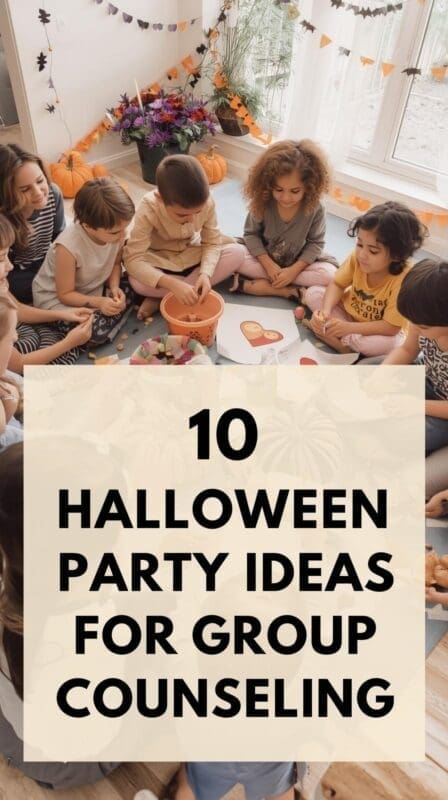
1. Pumpkin Gratitude Circle
What to do: Give each participant a small pumpkin (real or paper). Everyone writes one thing they’re grateful for on their pumpkin and shares it with the group.
Therapeutic benefit: Encourages positive reflection and builds community.
Image Prompt: Group of kids holding mini pumpkins with handwritten gratitude words like “friends” and “family.”
2. Costume Confidence Show
What to do: Invite kids to wear costumes (or provide masks/props). Instead of judging, focus on what each costume represents about identity or strengths.
Therapeutic benefit: Boosts self-esteem and validates self-expression.
Image Prompt: Children in friendly, creative Halloween costumes smiling in a safe, decorated counseling room.
3. Spider Web Connection Game
What to do: Use a ball of yarn to form a “web.” Each person shares a positive trait about themselves or others before passing the yarn.
Therapeutic benefit: Builds connection, teamwork, and self-awareness.
Image Prompt: Counseling circle with kids holding yarn, forming a giant spider web across the room.
4. Haunted Feelings Charades
What to do: Write emotions (happy, scared, worried, excited) on slips of paper. Kids act them out in a Halloween-themed charades game.
Therapeutic benefit: Helps kids recognize and express emotions through play.
Image Prompt: A child acting out a “scared” face while others guess in a festive classroom.
5. Calm-Down Potion Station
What to do: Set up a table with jars, glitter, water, and food coloring. Kids create their own “calm-down potions” (glitter jars).
Therapeutic benefit: Teaches grounding strategies and provides a take-home regulation tool.
Image Prompt: Kids pouring glitter into jars labeled “Bravery Brew” and “Potion of Peace.”
6. Monster Affirmation Wall
What to do: Create paper monsters on a wall. Each participant adds a sticky note with a kind word about themselves or a peer.
Therapeutic benefit: Builds confidence and strengthens group relationships.
Image Prompt: Wall decorated with colorful monster cutouts covered in positive affirmation sticky notes.
7. Trick-or-Trust Candy Exchange
What to do: Kids work in pairs or small groups to share candy or small treats, practicing asking politely and respecting boundaries.
Therapeutic benefit: Encourages empathy, turn-taking, and respectful communication.
Image Prompt: Kids trading wrapped candy with smiles during a group session.
8. Ghostly Breathing Game
What to do: Draw ghost faces on balloons. The group works together to keep the “ghosts” floating in the air using controlled breaths.
Therapeutic benefit: Teaches pacing, teamwork, and breath awareness.
Image Prompt: Group of kids blowing ghost balloons gently in a circle.
9. Halloween Storytelling Circle
What to do: Use story starters like “One spooky night I learned…” and let participants build a story together. Keep themes friendly, not scary.
Therapeutic benefit: Encourages creativity, listening, and cooperative problem-solving.
Image Prompt: Children sitting in a cozy circle, passing a story card with a pumpkin on it.
10. Mindful Candy Tasting
What to do: Choose a few Halloween treats (like candy corn, chocolate, pretzels). Guide kids to observe texture, smell, and taste slowly.
Therapeutic benefit: Teaches mindfulness and savoring experiences with awareness.
Image Prompt: Kids sitting calmly at a decorated table, slowly tasting candy with smiles.
Final Thoughts
Halloween in counseling doesn’t have to be overwhelming — it can be a chance to build community, reinforce coping skills, and create joy. With the right activities, a simple group party becomes a safe space where kids learn, connect, and feel included.
Looking for more activity ideas? Explore our Kids’ Mental Health Activities for seasonal projects you can bring into your counseling sessions.

About the Author
Hi, I’m Eve, a former school counselor with a master’s degree in School Psychology and a passionate advocate for children and families navigating sensory challenges. As a mom of children with sensory sensitivities, I deeply understand the journey special-needs parents face, and I dedicate myself to researching and sharing practical solutions to help children thrive and feel comfortable in their bodies. My goal is also to empower counselors, therapists, and psychologists with creative strategies and supportive resources to enrich their everyday practice. When I’m not writing or exploring new therapeutic approaches, you’ll find me spending quality time with my family and continually seeking inspiration from everyday moments.