
This post contains Amazon affiliate links. If you make a purchase through a qualifying link, I may earn a small commission at no extra cost to you.
Use Your Soothing Voice to Build a Thoughtful Digital Audio Project
As a therapist, you already have a calming presence and a soothing voice that helps clients feel at ease. If audio creation fits your professional boundaries and available time, you can test ASMR or relaxation content as a small digital-product project without assuming it will become easy or passive income.
ASMR and relaxation audio has an established online audience across video, podcast, and meditation platforms. People use gentle speech, ambient sounds, and guided practices for personal relaxation, but creators should avoid presenting general wellness content as treatment for anxiety, insomnia, or other health conditions. Whether you create guided sleep meditations, self-care affirmations, or soothing ASMR triggers, there are plenty of ways to monetize this relaxing side hustle.
A finished recording can continue attracting listeners after publication, but income is never automatic. Results depend on content quality, licensing, platform rules, audience development, and consistent promotion.

Why Creating ASMR & Relaxation Content Is a Great Side Hustle for Therapists
✔ Your Voice Is Your Asset – If you already lead guided meditations or mindfulness exercises in therapy, this will feel natural.
✔ Reusable digital catalog – A polished recording can remain available while you build new content, although continued discovery usually requires marketing and updates.
✔ Scalable startup – You can begin with a quiet room, a suitable microphone, headphones, and editing software, then upgrade only when the project earns enough to justify it.
✔ Several distribution options – Audio and video can be tested on creator platforms, podcast services, meditation apps, or your own storefront, subject to each platform’s current rules.
✔ Helps More People – You can reach a global audience looking for stress relief and better sleep.
Now, let’s go step by step on how to create, upload, and sell your ASMR & relaxation content successfully.
Step 1: Choose Your Niche & Type of Relaxation Content
Before recording, decide what type of content you want to create.
Best ASMR & Relaxation Niches for Therapists:
🎧 Guided Meditations for Anxiety & Sleep – Perfect for those who struggle with relaxation.
🧘 Self-Care Affirmations & Positive Mindset Audios – Short, uplifting messages for daily use.
💤 Bedtime Stories for Adults – Calm, slow storytelling to help listeners fall asleep.
📖 Whispered Therapy Insights & Soft Spoken Advice – ASMR-style talks on emotional well-being.
🔊 Calming Nature Sounds & White Noise – Gentle rain, ocean waves, or soft breathing exercises.
💆 Progressive Muscle Relaxation Exercises – Helping listeners release physical tension.
How to Choose Your Niche:
✅ Pick a theme that aligns with your therapy expertise (mindfulness, self-care, sleep support).
✅ Research trending ASMR & relaxation content on YouTube, Spotify, and Insight Timer.
✅ Start with a short 5-10 minute recording before creating a full-length session.
📌 Pro Tip: Search interest changes by platform and season. Validate a topic with current platform search suggestions and a small pilot before producing a large series.
Step 2: Get the Right Equipment for High-Quality Sound
You don’t need a full recording studio, but good sound quality is key for ASMR and relaxation content.
Essential Equipment for Recording Relaxation Content:
🎤 Microphone:
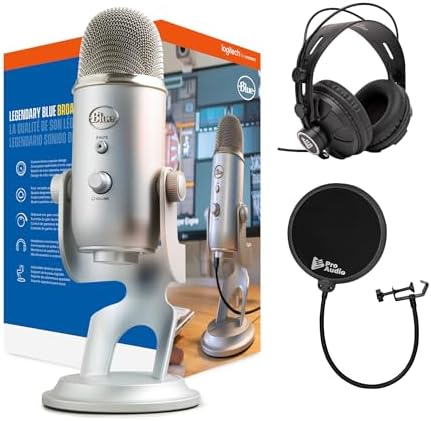
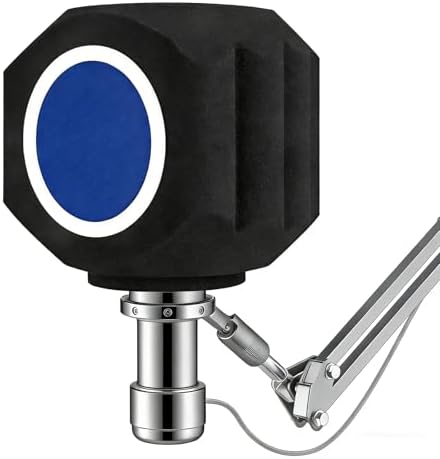
For a first setup, compare a simple USB condenser microphone with a compatible stand and pop filter. An XLR microphone can offer more upgrade options, but it also requires an audio interface and adds cost and complexity. Check the pickup pattern, connection type, device compatibility, included accessories, and return policy before buying.
🎧 Headphones:
Closed-back monitoring headphones can help you notice background noise, mouth sounds, and uneven volume without sound leaking back into the microphone. Comfort matters if you edit longer recordings.
🖥️ Editing Software:
Choose software that lets you trim mistakes, adjust levels, export common audio formats, and make gentle noise corrections. Confirm current pricing, operating-system compatibility, licensing, and export options on the provider’s website.
🎶 Optional Background Music & Sound Effects:
Use only audio you created yourself or have permission to use commercially. Read the exact license for every track or sound effect and retain a copy of the license record for your files.
📌 Pro Tip: Avoid recording in echoey or noisy rooms—soft furniture, carpets, and blankets help absorb background noise.
Compare beginner recording equipment: These automatic bestseller results can help you compare formats and accessories. A bestseller label does not guarantee that an item suits your room, computer, or workflow.



Step 3: Record & Edit Your ASMR & Relaxation Content
How to Record a Relaxing Audio (Step-by-Step):
1️⃣ Find a Quiet Space – A small room with soft furnishings reduces echo.
2️⃣ Speak Slowly & Softly – Imagine guiding a client through deep relaxation.
3️⃣ Use Pauses & Breathwork – Allow space for listeners to fully absorb the experience.
4️⃣ Experiment with Sound Triggers – Gentle tapping, page-turning, soft breathing, or whispering.
5️⃣ Edit for a Clean, Seamless Experience – Remove background noise & balance volume.
Example: Guided Sleep Meditation Script Opening
“Close your eyes… take a deep breath in… and slowly exhale. Imagine a soft wave of relaxation washing over your body, releasing any tension from the day…”
📌 Pro Tip: Test different voice tones & microphone distances to see what sounds most soothing.
Step 4: Publish & Monetize Your ASMR & Relaxation Content
Once your audio is ready, choose one distribution route and test it before expanding. Review the platform’s current content rules, fees, monetization eligibility, music licensing requirements, tax obligations, and policies for health-related claims.
Best Platforms to Sell & Stream ASMR & Relaxation Content:
Possible routes include video platforms, podcast services, meditation platforms, digital-download storefronts, memberships, and your own website. Availability and monetization programs change, and some services restrict wellness claims or licensed audio. Check the official terms before building your workflow around any one platform.
Pricing Strategy for ASMR & Relaxation Content:
Instead of copying a fixed price range, calculate your production time, editing costs, platform fees, taxes, licensing expenses, and customer-support workload. Compare genuinely similar offers, choose a small test price, and evaluate conversion, refund requests, and listener feedback before creating a larger bundle or membership.
📌 Pro Tip: Offer a free sample track to build your audience and encourage future sales.
Step 5: Market Your ASMR & Relaxation Content for More Sales
To attract listeners & increase sales, focus on SEO, social media, and collaborations.
Best Marketing Strategies for ASMR & Relaxation Content:
✅ Pinterest & Instagram SEO: Create aesthetic graphics with keywords like “Sleep Meditation for Anxiety.”
✅ TikTok & YouTube Shorts: Share 30-second relaxation snippets to attract listeners.
✅ Collaborate with Mindfulness Bloggers & Influencers: Offer them free access for reviews.
✅ Offer a Free Relaxation Track on Your Website: Capture emails for future sales & course launches.
✅ Optimize for YouTube & Spotify SEO: Use high-ranking keywords in titles & descriptions.
📌 Pro Tip: If uploading to YouTube, use soft visuals like candles, ocean waves, or dim lighting to enhance the experience.
Create Relaxation Content That Helps Others While Building a Digital Product Catalog
Recording ASMR and relaxation content can be a flexible creative business experiment, but it requires production, ethical marketing, audience building, and ongoing administration. It may allow therapists to:
✔ Use their soothing voice to help others relax.
✔ Test several revenue models, including downloads, memberships, and eligible platform monetization.
✔ Reach a global audience searching for stress relief.
With a suitable microphone, monitoring headphones, editing software, and a quiet room, you can produce a small pilot recording and collect feedback before investing further.
Start with one clearly scoped recording, transparent wellness language, proper audio licensing, and a realistic plan for testing demand. Do not use client material or imply that general relaxation content replaces individualized mental-health care.
What’s Next?
Would you like a free guided meditation script to help you get started? Drop a comment, and I’ll send one to you! 😊

About the Author
Hi, I’m Eve, a former school counselor with a master’s degree in School Psychology and a passionate advocate for children and families navigating sensory challenges. As a mom of children with sensory sensitivities, I deeply understand the journey special-needs parents face, and I dedicate myself to researching and sharing practical solutions to help children thrive and feel comfortable in their bodies. My goal is also to empower counselors, therapists, and psychologists with creative strategies and supportive resources to enrich their everyday practice. When I’m not writing or exploring new therapeutic approaches, you’ll find me spending quality time with my family and continually seeking inspiration from everyday moments.

