
This post contains Amazon affiliate links. If you make a purchase through a qualifying link, I may earn a small commission at no extra cost to you.
Turn Your Guided Meditation Skills Into a Digital Audio Project
Therapists may already understand pacing, grounding, body awareness, and clear verbal guidance. A separate educational audio project can draw on those communication skills, provided it respects professional boundaries, client privacy, content licensing, and the difference between general wellness material and individualized care.
Recording guided meditations requires scripting, performance, editing, accessibility work, platform administration, marketing, and customer support. It can be a flexible creative business experiment, but neither income nor a low workload is guaranteed.
Meditation and relaxation audio has an established online audience, but interest, competition, and monetization vary by platform. General wellness recordings should not promise to treat anxiety, trauma, grief, insomnia, or other health conditions.

Why Guided Meditations Can Be a Flexible Creative Project
✔ Your voice is your asset – No need for complex skills; you already guide people through relaxation.
✔ Reusable digital catalog – A recording can remain available after launch, while discovery, support, corrections, and marketing continue.
✔ Scalable setup – Begin with a quiet room and compatible equipment, then upgrade only after validating the project.
✔ Flexible & time-efficient – Record at your own pace with no scheduling stress.
✔ Shares general wellness education – Reach listeners with clearly scoped content that does not replace therapy or emergency support.
Now, let’s dive into how you can start, record, and sell your guided meditations successfully.
Step 1: Choose Your Niche & Meditation Type
First, decide what kind of guided meditations you want to create. Choose a clearly defined audience and use case, then validate interest with current search suggestions, competitor reviews, and a small pilot before producing a full series.
Popular Meditation Niches:
🧘 Stress & Anxiety Relief – Breathing techniques, progressive muscle relaxation.
💤 Sleep Meditations – Bedtime stories, deep relaxation scripts.
🎧 Morning Positivity & Affirmations – Set intentions for the day.
🌿 Mindfulness & Grounding Exercises – Present-moment awareness.
💛 Gentle emotional reflection – Non-clinical prompts for self-compassion, transitions, or everyday grounding without trauma-treatment claims.
✨ Spiritual or Manifestation Meditations – Law of attraction, energy healing.
How to Choose Your Niche:
✅ Pick a niche that aligns with your therapy style.
✅ Check what’s trending by searching YouTube, Insight Timer, or Spotify.
✅ Start with a short 5-10 minute meditation before creating longer ones.
Professional boundary check: Do not reuse client stories, session language, recordings, or identifiable examples. Avoid individualized clinical advice and clarify that general meditation audio is educational or wellness content, not diagnosis, treatment, crisis care, or a substitute for a licensed professional. Review the rules of your licensing board, insurer, jurisdiction, and chosen platform.
📌 Pro Tip: Search demand changes. Test one clearly scoped recording and measure listening completion, saves, email signups, or purchases before expanding.
Step 2: Write Your Meditation Script
A great meditation script should feel calming, structured, and immersive. Follow this simple formula:
Guided Meditation Script Structure:
1️⃣ Opening: Introduce the practice and encourage deep breathing.
2️⃣ Body Relaxation: Guide the listener through a progressive body scan.
3️⃣ Visualization or Affirmations: Paint a mental picture or use repeated calming phrases.
4️⃣ Closing: Gently bring the listener back to the present.
Example: Sleep Meditation Opening
“Find a comfortable position and take a deep breath in… hold… and exhale slowly. Allow your body to sink into relaxation as you close your eyes…”
Where to Find Inspiration for Scripts:
✅ Write an original script based on broadly applicable educational concepts, not client material.
✅ Do not copy proprietary worksheets, branded protocols, books, courses, or other creators’ scripts without permission.
✅ Verify that a source is genuinely in the public domain or commercially licensed for your intended use, and retain documentation.
📌 Pro Tip: Keep sentences slow and easy to follow—your listeners should feel relaxed, not rushed.
Step 3: Record Your Guided Meditation (Even Without a Studio!)
The biggest myth about recording meditations? You don’t need a professional studio—a quiet room and a good microphone are enough.
What You’ll Need:
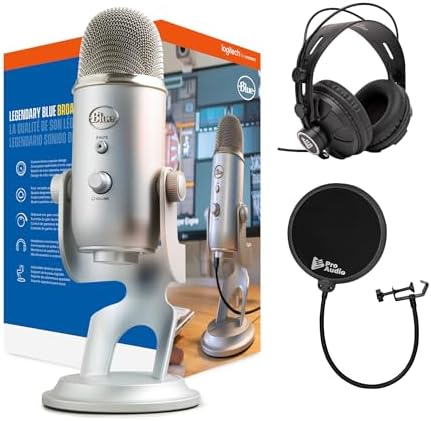
🎤 Microphone: Compare a compatible USB microphone for a simple setup or an XLR microphone plus audio interface if you need an upgrade path.
🎧 Headphones: Closed-back monitoring headphones help reveal background noise and uneven volume without leaking sound into the microphone.
🖥️ Recording software: Choose software that supports trimming, level adjustment, common export formats, and your operating system; verify current pricing and licensing.
🎶 Background music: Use only music and sound effects you created or are licensed to use commercially, and keep the license record.
How to Record High-Quality Audio at Home:
✅ Find a quiet space – A closet or room with carpets absorbs noise well.
✅ Speak slowly and softly – Imagine you’re guiding a client in session.
✅ Record multiple takes – Read your script a few times for clarity.
✅ Use music only when it improves the recording – Keep it subtle, verify commercial rights, and test whether it competes with speech.
📌 Pro Tip: Record 2-3 versions of your script to test which one sounds best!
Optional Recording Tools to Compare
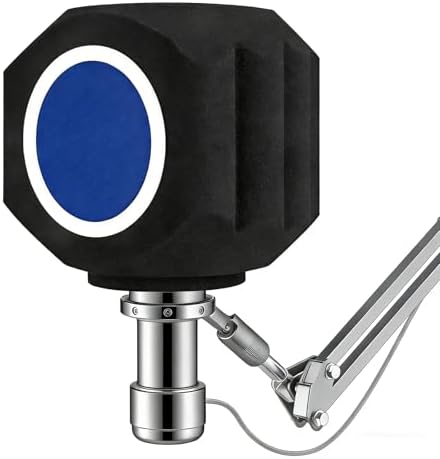
These automatic bestseller results can help you compare practical formats for a small pilot setup. Check connection type, device compatibility, pickup pattern, included accessories, comfort, replacement costs, safety guidance, and return terms. A bestseller label does not guarantee suitability.




Step 4: Edit & Enhance Your Meditation for a Professional Sound
Editing helps remove distractions and create a seamless, polished meditation.
Basic Editing Steps in Audacity or GarageBand:
✅ Remove background noise – Use the “Noise Reduction” tool.
✅ Trim long pauses – Keep it smooth and flowing.
✅ Adjust volume levels – Ensure your voice is clear but not overpowering.
✅ Add soft background music – Lower the volume so it doesn’t overpower your voice.
📌 Pro Tip: If you don’t want to edit yourself, hire an affordable freelancer on Fiverr to do it for you!
Step 5: Publish & Sell Your Meditation
Once your meditation is polished, it’s time to sell it and reach listeners!
Where to Sell Your Guided Meditations:
Possible routes include a digital-download storefront, video or podcast distribution, a meditation platform, a membership, or your own website. Monetization eligibility, fees, acceptable claims, audio specifications, tax handling, and content rules change. Verify the current official terms before building a workflow around any platform.
Pricing Strategy:
Build a test price from scripting and recording time, editing or contractor costs, music licensing, cover design, platform and payment fees, taxes, refunds, customer support, and expected sales volume. Compare genuinely similar offers and evaluate conversion and profit after fees before creating a larger bundle or membership.
📌 Pro Tip: A bundle is useful only when the recordings solve related needs and buyers understand the difference between them. Test a single recording first.
Step 6: Market Your Meditations and Measure Demand
The key to success? Getting your meditations in front of the right audience!
Best Marketing Strategies for Guided Meditations:
✅ Pinterest SEO: Create aesthetic pins with “Free Guided Sleep Meditation” to attract clicks.
✅ YouTube Shorts & TikTok Clips: Post 30-second previews of your recordings.
✅ Affiliate Collaborations: Partner with mental health bloggers or influencers.
✅ Offer a Freebie: A 5-minute meditation as a lead magnet builds your email list.
📌 Pro Tip: YouTube + Pinterest = a powerhouse combo for passive traffic & sales!
Create Carefully, Test Demand, and Improve
Recording guided meditations can be a meaningful creative business experiment, but it involves production, ethical marketing, platform administration, and ongoing improvement. It may allow therapists to:
✔ Use their calm and soothing voice to help more people.
✔ Test digital product revenue without adding clinical sessions, while still budgeting time for support and marketing.
✔ Enjoy a flexible creative process that fits their schedule.
Begin with one original, clearly scoped pilot recording, compatible equipment, licensed audio, careful editing, and honest wellness language. Collect feedback before investing in a larger catalog.
Do not use client material or promise treatment outcomes. Publish only after checking professional boundaries, accessibility, audio licensing, platform rules, and the true cost of each sale.
What’s Next? Would you like a free meditation script template to get started? Drop a comment, and I’ll send one to you! 😊

About the Author
Hi, I’m Eve, a former school counselor with a master’s degree in School Psychology and a passionate advocate for children and families navigating sensory challenges. As a mom of children with sensory sensitivities, I deeply understand the journey special-needs parents face, and I dedicate myself to researching and sharing practical solutions to help children thrive and feel comfortable in their bodies. My goal is also to empower counselors, therapists, and psychologists with creative strategies and supportive resources to enrich their everyday practice. When I’m not writing or exploring new therapeutic approaches, you’ll find me spending quality time with my family and continually seeking inspiration from everyday moments.

