Some memories fade quietly.
Not because they weren’t important—but because life keeps moving. Children grow. Seasons change. Small moments disappear into routines before we realize how meaningful they were.
That’s why memory boxes are becoming popular again.
At first glance, they look like simple keepsake containers filled with photos, drawings, notes, or childhood treasures. But emotionally, they often become something much deeper:
- a sense of continuity
- a reminder of connection
- a physical space for meaningful moments
In a world where so much of life now exists digitally, memory boxes bring something tangible back into emotional life. They help children, parents, and even adults revisit experiences in a way that feels grounding and deeply personal.
In this guide, you’ll find beautiful and easy memory box ideas, along with the mental health benefits behind creating them and practical ways to make them meaningful rather than just decorative.
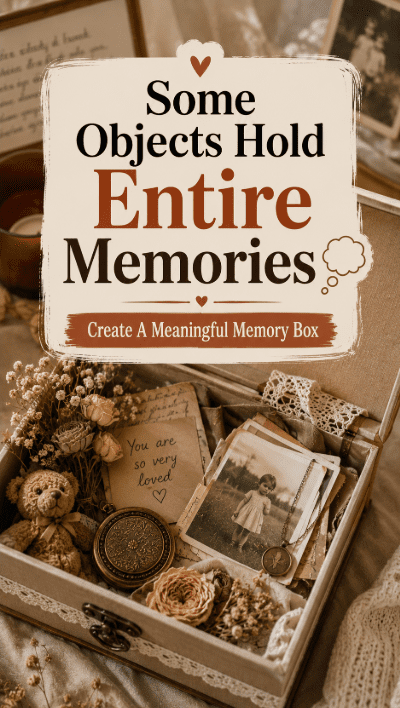
Why Memory Boxes Matter Emotionally (Not Just Creatively)
A memory box is more than storage.
Psychologically, it becomes a container for identity and emotional experience. When children collect objects connected to meaningful moments, they begin building a narrative about their lives:
“This mattered.”
“This was part of my story.”
“I want to remember this.”
This process supports emotional development in subtle but powerful ways.
For children especially, memories are often tied to physical objects:
- a drawing
- a small toy
- a ticket stub
- a note from someone important
These objects help anchor emotional experiences and create a stronger sense of continuity over time.
Memory boxes can also become emotional regulation tools during difficult periods. Revisiting positive memories can help children reconnect with feelings of safety, belonging, and connection.
What memory boxes can support emotionally:
- emotional security
- identity development
- family connection
- reflection and gratitude
- emotional grounding during stressful periods
1. Childhood Memory Boxes (Capturing Everyday Moments)
One of the most meaningful approaches is creating a memory box that grows alongside a child over time.
Instead of saving only “big milestones,” include ordinary moments too:
- favorite drawings
- birthday invitations
- tiny handwritten notes
- school projects
- photos from everyday life
These small details often become the most emotionally powerful later.
Children benefit from seeing that their experiences are valued and worth remembering. It reinforces the idea that their life and emotions matter.
This type of box can also become a beautiful emotional bridge between parent and child.
What this supports:
- sense of belonging
- emotional validation
- stronger family connection
2. Memory Box Ideas for Emotional Regulation
Memory boxes can also be intentionally therapeutic.
Some families, counselors, or teachers create boxes designed specifically to support emotional wellbeing during difficult moments.
These boxes may include:
- calming photos
- encouraging notes
- grounding objects
- favorite scents
- small comfort items
The purpose is not distraction—it’s emotional reconnection.
When children feel overwhelmed, anxious, or emotionally dysregulated, positive sensory and emotional reminders can help bring them back into a calmer emotional state.
This works especially well for:
- anxious children
- children experiencing transitions
- grief support
- emotional coping routines
What this supports:
- nervous system regulation
- emotional safety
- coping skills
3. DIY Memory Box Ideas (Why Handmade Feels More Meaningful)
There’s something emotionally different about creating a memory box by hand.
Decorating it, choosing colors, adding small details—these actions create emotional investment in the process itself.
The box becomes personal long before anything is placed inside.
DIY memory boxes are especially powerful because they combine:
- creativity
- storytelling
- emotional reflection
This turns the activity into something deeper than crafting.
And unlike highly structured activities, memory boxes evolve naturally over time.
What this supports:
- creative expression
- emotional reflection
- ownership and identity
4. Memory Boxes for School Years (Helping Children Process Growth)
School years move quickly, and children often struggle to notice their own growth over time.
A school memory box can help make progress visible.
Include:
- favorite assignments
- kind teacher notes
- artwork
- friendship memories
- “first day” photos
When children revisit these later, they begin recognizing:
- how much they’ve changed
- what they’ve overcome
- what mattered to them emotionally
This can become especially meaningful during difficult school transitions or periods of low confidence.
What this supports:
- self-esteem
- resilience
- positive self-reflection
5. Grief & Remembrance Memory Boxes (Gentle Emotional Support)
Memory boxes are often used naturally during grief because they create a safe place for emotional connection.
A remembrance box may include:
- photos
- letters
- meaningful objects
- favorite memories written down
For children especially, grief can feel confusing because memories become abstract and hard to hold onto emotionally.
A physical memory space makes those connections feel more accessible and less frightening.
The goal is not to “hold onto sadness,” but to create a safe way to remember love and connection.
What this supports:
- grief processing
- emotional connection
- safe remembrance
6. Friendship & Relationship Memory Boxes
Memory boxes don’t need to focus only on childhood.
Friendship memory boxes are becoming increasingly popular, especially among teens and young adults.
These may include:
- photos
- concert tickets
- notes
- travel memories
- shared inside jokes
In a fast-moving digital world, physical reminders of connection often feel more emotionally meaningful than online memories alone.
These boxes reinforce feelings of:
- belonging
- social connection
- emotional closeness
What this supports:
- connection and belonging
- emotional warmth
- positive nostalgia
7. Seasonal Memory Boxes (Creating Family Rituals)
One beautiful idea is creating seasonal or yearly memory boxes.
For example:
- summer memory box
- holiday memory box
- “best moments of the year” box
This transforms memory keeping into a ritual rather than a one-time activity.
Rituals create emotional stability. They help families slow down and intentionally notice meaningful moments instead of rushing through them.
Over time, these traditions become memories themselves.
What this supports:
- family bonding
- gratitude
- emotional continuity
How to Make a Memory Box Feel Meaningful (Not Just Aesthetic)
The most meaningful memory boxes are not the most perfect ones.
They are the most personal.
You don’t need expensive supplies or flawless organization. In fact, overly curated memory boxes can sometimes feel emotionally distant.
Instead:
- include imperfect moments
- let children choose what matters
- allow the box to evolve naturally
The emotional value comes from authenticity—not perfection.
Optional Supplies That Make DIY Memory Boxes Easier
Helpful supplies may include:
- wooden keepsake boxes
- scrapbook paper
- photo printers
- stickers and labels
- acid-free storage envelopes
This post may contain affiliate links, including Amazon and selected partner links. If you make a purchase through these links, I may earn a small commission at no extra cost to you.
Final Thoughts
Memory boxes are not really about objects.
They’re about emotional preservation.
They help children and adults hold onto moments that might otherwise disappear into time too quickly. They create space for reflection, connection, and emotional grounding in a world that often moves too fast.
And sometimes, simply opening a small box filled with meaningful reminders is enough to reconnect someone with a part of themselves they needed to remember.
You May Also Enjoy
If you love meaningful creative activities that support emotional wellbeing, reflection, and connection, these articles may inspire you next:
- Creative Craft Ideas to Help Children Express Anger
https://eveyou.eu/creative-craft-ideas-to-help-children-express-anger/ - Summer Camp Activities for Kids: Fun, Engaging & Unforgettable Ideas for Outdoor Adventures
https://eveyou.eu/summer-camp-activities-for-kids-fun-engaging-unforgettable-ideas-for-outdoor-adventures/ - Building Emotional Resilience Brick by Brick: How to Use a Lego Wall in Therapy and at Home
https://eveyou.eu/building-emotional-resilience-brick-by-brick-how-to-use-a-lego-wall-in-therapy-and-at-home/ - Empathy Activities for Kids
https://eveyou.eu/empathy-activities-for-kids/ - Fostering Mental Health Awareness: Engaging Activities for Upper Elementary School Students
https://eveyou.eu/fostering-mental-health-awareness-engaging-activities-for-upper-elementary-school-students/ - New Year Reflection Crafts for Kids
https://eveyou.eu/new-year-reflection-crafts-for-kids-2/

About the Author
Hi, I’m Eve, a former school counselor with a master’s degree in School Psychology and a passionate advocate for children and families navigating sensory challenges. As a mom of children with sensory sensitivities, I deeply understand the journey special-needs parents face, and I dedicate myself to researching and sharing practical solutions to help children thrive and feel comfortable in their bodies. My goal is also to empower counselors, therapists, and psychologists with creative strategies and supportive resources to enrich their everyday practice. When I’m not writing or exploring new therapeutic approaches, you’ll find me spending quality time with my family and continually seeking inspiration from everyday moments.