This post may contain affiliate links, including Amazon Associate links. If you make a purchase through these links, I may earn a small commission at no extra cost to you.
There is a reason work feels different when it begins with something living.
A morning spent watering seedlings, tying dried lavender bundles, pressing petals, or photographing herbs on a windowsill moves at a gentler pace. It asks something different from the nervous system. Instead of urgency, it invites attention. Instead of constant output, it offers rhythm. For many people, that shift matters just as much as the extra income.
That is what makes nature-based side hustles so appealing. They do not just offer a way to earn. They offer a way to create, move, notice, and build something beautiful without the sharp energy that often comes with typical hustle culture.
If you have ever wished work could feel more grounded, more seasonal, or more connected to the senses, this kind of side hustle may be worth exploring. Gardening, herbs, flowers, natural textures, and handmade botanical goods all open the door to business ideas that can feel soft, creative, and emotionally nourishing.
And in a world where so much work happens on screens, there is something deeply refreshing about making income from things you can touch, grow, arrange, dry, photograph, or share.
Why Nature-Based Side Hustles Feel So Different
Not every side hustle feels good in real life.
Some sound exciting at first, but quickly turn into one more thing to manage. Another app to check. Another content plan. Another pressure loop.
Nature-based work can feel different because it often contains its own built-in regulation. There is repetition. There is texture. There is natural color. There is movement that feels calmer and slower. There is satisfaction in seeing something unfold over time instead of forcing constant results.
When your side hustle involves herbs, flowers, seeds, garden materials, or natural handmade items, the work often becomes more sensory and less abstract. You are not only producing something. You are tending to a process.
That process can feel surprisingly restorative.
Many people already notice this intuitively. They feel better after planting. Calmer after arranging flowers. More present after drying herbs or walking outside to gather inspiration. A nature-based side hustle builds on that feeling and gives it structure.
The Emotional Appeal of Therapeutic Entrepreneurship
One of the most beautiful things about nature-based side hustles is that they can feel emotionally aligned.
You are not only trying to make money. You are creating something that may also support calm, beauty, ritual, or care in someone else’s life. A packet of seeds, a pressed flower bookmark, a handmade lavender sachet, or a nature-inspired candle can all carry more than function. They carry feeling.
That is why these ideas work so well for people who want income that feels more meaningful.
Nature-based entrepreneurship often supports:
- slow, mindful work
- more time with natural light and fresh air
- a deeper sense of seasonality
- sensory grounding through smell, touch, color, and movement
- creative satisfaction without constant digital pressure
- a gentler pace of growth
It does not mean the work is effortless. Packaging, selling, photographing, planning, and fulfilling orders still take energy. But the source material itself often feels softer and more life-giving.
What Makes a Good Nature-Based Side Hustle?
The best nature-based side hustles are usually simple, giftable, and emotionally clear.
Simple means you can start small.
Giftable means people instantly understand why they would buy it.
Emotionally clear means the product or service creates a feeling someone wants more of.
That feeling might be calm. Beauty. Freshness. Slow living. Natural self-care. Seasonal joy. A return to basics.
If your idea offers one of those clearly, it becomes much easier to build around.
A good side hustle in this space does not need to be complicated. In fact, the most appealing ones are often the most focused.
Instead of trying to sell “natural lifestyle products,” it is usually better to sell something very specific:
- calming herb bundles
- pressed flower bookmarks
- self-care seed kits
- botanical cards
- garden-inspired candles
- handmade seasonal wreaths
- nature journaling workshops
That kind of clarity helps both you and your audience.
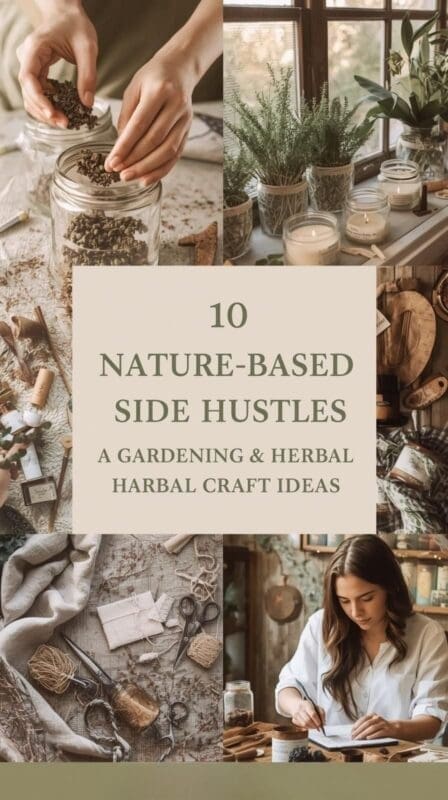
1. Grow and Sell Herbal Crafts
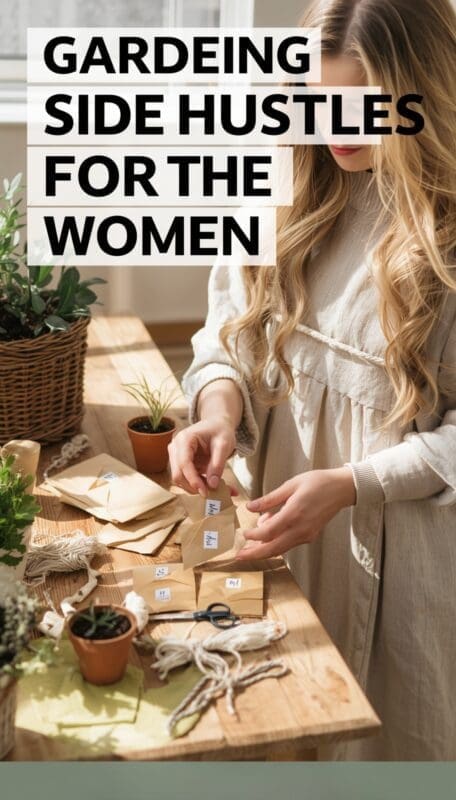
Herbal crafts are one of the most natural starting points because they combine wellbeing, beauty, and practicality.
They also work beautifully for Pinterest, gift buyers, and Etsy-style audiences because they photograph well and feel personal.
You could create:
- dried lavender bundles
- rosemary or eucalyptus bunches
- herbal bath blends
- herbal tea samplers
- linen sachets
- drawer fresheners
- “wellness jars” with herbs and small affirmations
- mini rest or focus gift sets
The strongest offers in this category usually center on a theme. That makes them feel more thoughtful and easier to buy.
For example:
- a sleep bundle with lavender and chamomile
- a kitchen herb gift set with rosemary, thyme, and basil
- a reset box with mint, eucalyptus, and a calming note
- a teacher appreciation sachet with simple natural packaging
- or find more ideas in this book
If you like the idea of products that feel calming and tactile, herbal crafts are one of the best ways to start.
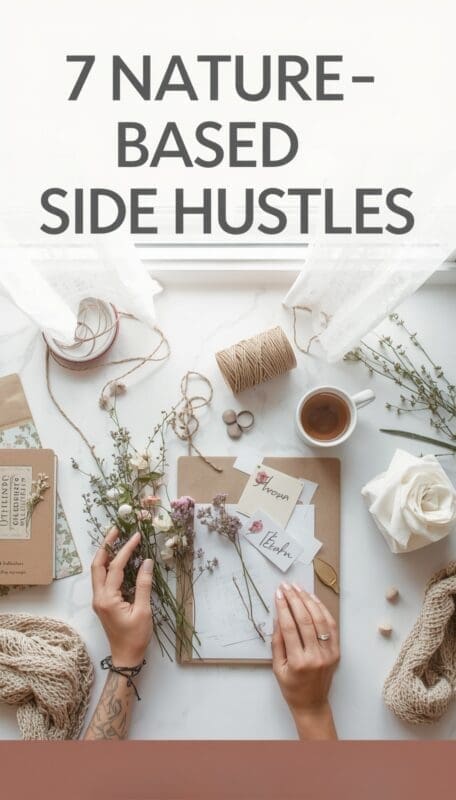
2. Create Pressed Flower and Botanical Art
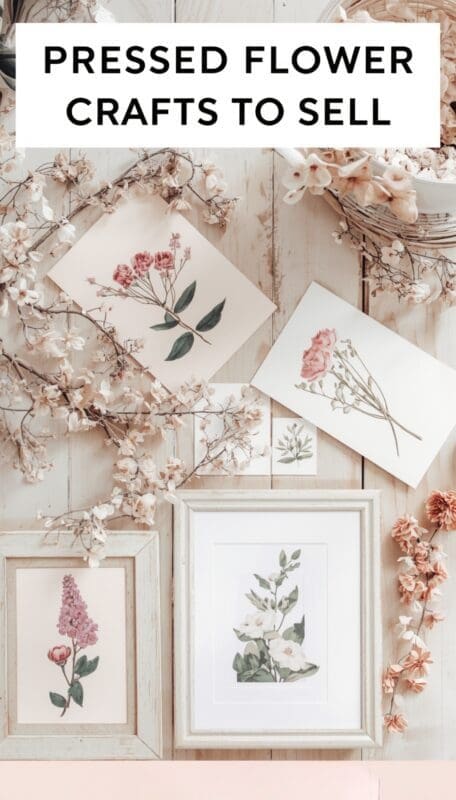
Pressed flower work is delicate, elegant, and full of emotional meaning.
That is part of what makes it so appealing. People are not only buying petals in a frame. They are buying softness, symbolism, and a way to hold onto a fleeting season.
This side hustle can grow into many different product types:
- framed pressed flower art
- bookmarks
- greeting cards
- affirmation cards
- wedding flower keepsakes
- botanical resin pieces
- gift tags
- journal inserts
- wall decor for calming spaces
One lovely angle is to work with flower meaning. Lavender can represent calm, eucalyptus renewal, chamomile rest, fern resilience, and daisy lightness. That gives the product more depth and makes it easier to market as something intentional rather than simply decorative.
Pressed flower work also suits a slower business model. It rewards patience and attention to detail, which can make it especially fulfilling for someone who enjoys quiet, careful creative time.
3. Sell Seed Kits and Garden Starter Boxes
A seed kit is such a hopeful product.
It is small, but it carries possibility. It gives someone a future ritual, a reason to water, notice, wait, and celebrate small signs of growth. That is why seed kits feel so emotionally appealing, especially as gifts.
You could create:
- herb garden starter kits
- windowsill garden boxes
- beginner flower seed sets
- calming herb kits
- tea garden kits
- Mother’s Day seed gift boxes
- children’s planting kits
- “mindful gardening” sets with simple reflection cards
These work especially well when they feel curated rather than random. A bundle of basil, mint, and lavender with one thoughtful card feels more special than loose packets in a plain envelope.
You can also make them audience-specific. A seed kit for mothers, teachers, wellness lovers, or beginner gardeners gives the product a much clearer identity.

- PAINT & PLANT YOUR OWN SMALL GARDEN: Paint the planter and plant markers, and sow the Marigold, Cosmos, and Zinnia flowe…
- MAKE IT UNIQUE: When it comes to the design, the sky is the limit! Feel free to express your creativity on the planter a…
- KIT INCLUDES: Tin Planter (12×4.5×4 in), plastic liner, soil, 3 seed packets, 6-color paint strip, 2 paint brushes, pain…
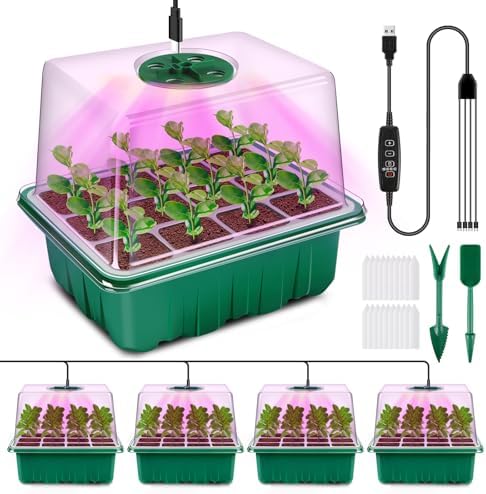
- Full Spectrum LED Plant Lights: Each seed starter tray has 16 LED grow lights that provide full-spectrum light that acts…
- Smart Adjustable Light with Auto Timer: Unlike standard seed trays with fixed lighting, our upgraded controller lets you…
- Upgraded Higher Cover & Adjustable Humidity: The raised dome provides more room for seedlings to grow, further increasin…
4. Make Nature-Inspired Candles and Botanical Scent Products
Nature and scent belong together.
A side hustle built around botanical candles, wax melts, room sprays, or essential oil rollers can be beautiful if the branding feels calm and intentional. This kind of business works best when the scent names and visual identity create an experience, not just a product.
Instead of generic labels, think in feelings:
- Quiet Greenhouse
- Lavender Dusk
- Forest Table
- Herb Garden Morning
- Rain on Cedar
- Soft Earth
- Stillness
You could sell:
- soy candles with herbal or woodland-inspired scents
- wax melts
- essential oil rollers
- room sprays
- linen mists
- small gift sets for rest or focus
This category is especially appealing if you enjoy the emotional side of branding. Color palette, naming, packaging, and product photography all matter here.
5. Turn Your Love of Gardens into Photography, Prints, or Digital Products
Not every nature-based side hustle has to involve physical making.
If you naturally notice beauty in leaves, petals, garden corners, seasonal light, seed packets, old clay pots, or morning dew, you may be better suited to a visual product business.
You could create:
- botanical wall prints
- seasonal garden photography sets
- nature quote posters
- printable journaling pages
- digital phone wallpapers
- printable seed labels
- herb-drying guides
- garden-inspired affirmation cards
This is a lovely option for someone who loves nature but wants lower-inventory income. It can also pair beautifully with blogging, Pinterest, or digital downloads.
A calm photo of herbs on linen, a soft floral close-up, or a printable with a thoughtful line about growth can become a product people genuinely want in their homes, journals, or workspaces.
6. Offer Nature Workshops or Seasonal Creative Experiences
Some people would rather gather people than ship products.
If that sounds like you, workshops may be the most fulfilling route. Nature-based workshops combine teaching, creativity, and community, which can make them feel especially meaningful.
Ideas include:
- pressed flower workshops
- herb bundle making classes
- nature journaling afternoons
- seasonal wreath-making sessions
- beginner herb gardening classes
- sensory garden craft sessions for kids
- botanical gift-making workshops
- slow creativity circles with natural materials
These can be hosted in person or online, depending on your audience and energy. They can also work well through collaborations with local cafés, schools, garden centers, wellness studios, or community spaces.
Workshops often create a strong sense of connection, which can be just as valuable as the income itself.
7. Create Giftable Nature Crafts That Feel Calm and Handmade
This is one of the most flexible categories because it leaves room for both artistry and practicality.
Nature crafts can be sold as gifts, decor, seasonal items, or small self-care pieces. They are ideal for readers who love handmade work but do not want to manage large-scale gardening or complicated production.
Ideas include:
- botanical bookmarks
- hand-painted terracotta pots
- dried floral wall hangings
- herbal sachets
- flower confetti for gifts or journals
- leaf-print art kits
- handmade natural ornaments
- calming desk decor
- small “slow living” gift baskets
This category works especially well when you think about who the item is for. Teachers, therapists, mothers, brides, plant lovers, and gift buyers all respond to different angles.
That makes it a good space to experiment.
How to Keep a Nature-Based Side Hustle Gentle
A calm business can still become exhausting if you build it in a frantic way.
That is why it helps to think not only about what you want to sell, but how you want the business to feel in your life.
A few good rules:
Start with one category, not five.
Choose a pace you can actually sustain.
Let the seasons shape your rhythm.
Batch simple tasks like labeling, photographing, or packaging.
Keep your product line smaller and clearer than you think it should be.
Leave room for slower seasons without seeing them as failure.
Nature itself offers a better model than hustle culture.
Winter can be for planning, reflecting, designing, writing, or preparing.
Spring can be for planting, creating, and launching.
Summer can be for photographing, markets, and harvesting.
Autumn can be for drying, bundling, packaging, and refining.
That rhythm is not lazy. It is intelligent. It protects both energy and creativity.
Where to Sell Nature-Based Side Hustles
Once you have one clear idea, start with the easiest selling path rather than trying to build everything at once.
Good starting places include:
- Etsy for handmade or giftable products
- Pinterest for visual traffic
- local markets and seasonal fairs
- Instagram for behind-the-scenes storytelling
- collaborations with cafés, florists, schools, or wellness spaces
- a simple Shopify store
- workshops through community centers or small local venues
- downloadable products through your own site or Etsy
The goal at first is not to look big. It is to test what resonates.
A simple offer with thoughtful photos and clear messaging is usually far more effective than an oversized brand plan with no real product behind it.
Final Thoughts
Nature-based side hustles remind us that success does not have to feel loud to be real.
It can feel slow, sensory, seasonal, and beautifully grounded. It can begin with a handful of seeds, a basket of herbs, a stack of pressed flowers, or a camera pointed toward the garden light. It can grow in quiet ways before it grows in visible ones.
That is part of its beauty.
If you are craving work that feels more creative, more peaceful, and more connected to the real world, this may be exactly the kind of direction worth exploring.
Your side hustle does not have to feel like a grind.
It can grow like a garden: slowly, beautifully, and in its own time.
Related articles you may also like
If you enjoy calm, creative, and supportive ideas, you might also like these articles on EveYou:
Summer Camp Activities for Kids: Fun, Engaging, Unforgettable Ideas for Outdoor Adventures
Simple DIY Sensory Tools and Techniques for Adults
Creative Craft Ideas to Help Children Express Anger
Building Emotional Resilience Brick by Brick: How to Use a Lego Wall in Therapy and at Home

About the Author
Hi, I’m Eve, a former school counselor with a master’s degree in School Psychology and a passionate advocate for children and families navigating sensory challenges. As a mom of children with sensory sensitivities, I deeply understand the journey special-needs parents face, and I dedicate myself to researching and sharing practical solutions to help children thrive and feel comfortable in their bodies. My goal is also to empower counselors, therapists, and psychologists with creative strategies and supportive resources to enrich their everyday practice. When I’m not writing or exploring new therapeutic approaches, you’ll find me spending quality time with my family and continually seeking inspiration from everyday moments.