
A school counselor office can become cluttered so quickly.
One moment, everything feels calm and organized. Then the first week of school begins, and suddenly there are emotion cards on the desk, fidgets in three different baskets, friendship games stacked beside your chair, half-finished student drawings, permission slips, sticky notes, calm-down tools, classroom lesson materials, and a mysterious pile of “I’ll put this away later” supplies.
And the truth is, school counseling work does require a lot of materials.
You may need games for rapport-building, art supplies for emotional expression, calm-down tools for regulation, group materials for SEL lessons, confidential files, parent handouts, crisis resources, seasonal bulletin board pieces, and small items that help students feel comfortable enough to talk.
The goal is not to make your office look empty. The goal is to create school counselor office storage that helps the room feel calm, student-friendly, and easy to reset between sessions.
With a few thoughtful systems, your office can hold everything you need without making students—or you—feel overwhelmed when they walk in.
This post may contain affiliate links, including Amazon and selected partner links. If you make a purchase through these links, I may earn a small commission at no extra cost to you.

If you are planning the whole room rather than storage alone, pair this guide with these school counselor office decor ideas.
Why Storage Matters in a School Counselor Office
Storage is not only about making a room look nice.
In a school counselor office, storage affects how the space feels and how easily you can do your work.
When everything is visible at once, students may feel distracted by too many choices. A child who is already anxious or dysregulated may not know where to look, what to touch, or what they are allowed to use.
For you, clutter can make sessions harder to begin. Searching for the right feelings card, coping worksheet, or friendship game takes time and mental energy you may not have during a busy school day.
Good storage helps you:
- find materials quickly
- reset your office between students
- keep confidential papers private
- offer students clear choices
- reduce visual overwhelm
- protect small items from getting lost
- keep calm-down tools accessible
- make a small office feel more spacious
A well-organized counselor office does not need to be perfectly styled. It simply needs to make your daily routines easier.
Start With Zones, Not Random Bins

Before buying storage containers, divide your office into simple zones.
This helps you decide what should be visible, what should be hidden, and what should be easy for students to access.
Helpful school counselor office zones include:
- conversation area
- calm-down area
- art and expression area
- games and activities area
- small-group materials area
- paperwork and confidential records area
- seasonal and bulletin board storage area
- personal desk area
Once you know the purpose of each zone, storage becomes much easier.
For example, fidgets and breathing cards belong near the calm-down area. Games belong near the activity table or shelf. Confidential student notes belong in a locked drawer or secure file system, not in a cute open basket.
A beautiful office can still feel stressful if the storage does not match how you actually use the room.
Choose Storage by Access Level
| Access level | Best for | Storage style |
|---|---|---|
| Student self-service | Pre-taught calm-down tools, pencils, blank paper, selected feelings cards | Open bin, labeled basket, shallow drawer, or picture-labeled container |
| Counselor-supervised | Games with small pieces, art materials, specialty SEL tools, items needing setup | Clear lidded box, labeled drawer, rolling cart, or cabinet shelf |
| Staff-only or confidential | Records, identifying paperwork, sharp tools, medication-related items, sensitive materials | Locked cabinet or approved secure storage that follows school policy |
| Seasonal or occasional | Bulletin-board sets, holiday decor, extra supplies, backup materials | High shelf or archive bin labeled by season and contents |
What to Keep Visible and What to Hide
One of the most helpful school counselor office organization rules is this:
Keep student-friendly tools visible. Hide the overflow.
Visible items might include:
- a small calm-down basket
- a few fidgets
- emotion cards
- one or two games
- drawing paper and markers
- a feelings check-in board
- a basket of books
- a few conversation cards
Hidden or closed storage should hold:
- extra games
- duplicate fidgets
- seasonal materials
- confidential paperwork
- backup art supplies
- bulk craft supplies
- parent handouts
- assessment forms
- classroom lesson materials
- items you use only occasionally
This creates a calm visual balance. Students still see that the room has tools they can use, but they are not surrounded by every material you own.

- Spacious File Storage Solution:Keep your documents, office supplies, and daily essentials organized with this multifunct…
- Lockable Drawer for Private Documents:The lower filing drawer includes a lock system to help keep important paperwork, p…
- Multi-Level Organization Design:Designed with multiple storage areas, the cabinet combines open shelving with enclosed d…

- Large Capacity Storage: The lateral mobile file cabinet comes with 3 drawers — 2 top drawers for storing office supplies…
- High-quality wood: This filing cabinet is made from eco-friendly wood panels, ensuring long-lasting durability and can s…
- Elegant and Durable: Crafted with robust materials and a timeless wood finish, the file cabinet combines strength with s…
Rolling Cart Ideas for Daily Counseling Supplies
A rolling cart is one of the most useful storage tools for a school counselor office, especially if your space is small or shared.
Use a rolling cart for materials you reach for every day.

Top Tier: Quick-Access Tools
Keep the top tier for items you use constantly:
- pens
- sticky notes
- timer
- emotion cards
- conversation cards
- small notepad
- breathing cards
- student passes
- hand sanitizer
Middle Tier: Session Materials
Use the middle tier for counseling activities:
- drawing paper
- markers
- crayons
- coping skill cards
- social skills prompts
- feelings worksheets
- small group lesson materials
Bottom Tier: Reset and Backup Items
Use the bottom tier for things that help you reset the room:
- extra folders
- cleaning wipes
- tissue boxes
- spare fidgets
- empty zipper pouches
- calm-down kit refills
- small storage bags
A rolling cart is especially helpful if you move between classrooms or share your office with other staff. You can prepare one cart for the day and avoid carrying piles of materials from room to room.

- Reinforced All-Metal Construction, Ultra-Sturdy: Our patent-pending frame geometry combines optimized weight distributio…
- Larger Storage Capacity, Multifunctional Storage: Featuring 3 spacious metal baskets, 2 hanging cups, and 3 hooks, this …
- High-Quality Coating, Stylish and Durable: Elevate your space with the rolling storage cart on wheels that masters both …
How to Organize School Counseling Games
Counseling games are wonderful, but they can quickly take over your shelves.
Start by sorting your games into categories:
- rapport-building games
- friendship and social skills games
- emotion identification games
- coping skills games
- problem-solving games
- small-group games
- quick five-minute games
- games for older students
Keep your most-used games at eye level or within easy reach. Store rarely used games higher up, in closed cabinets, or in labeled bins.
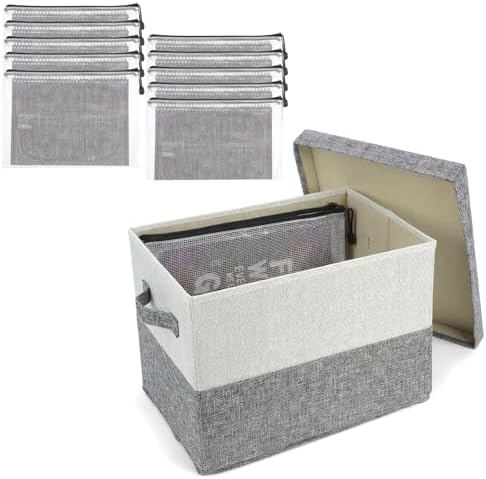
If game boxes are bulky or damaged, you can move cards and pieces into zipper pouches or photo boxes. Add a label with the game name and age group so you do not forget what belongs inside.
For games with many small pieces, use clear containers or zippered bags inside the box. This saves time when students are cleaning up and reduces missing parts.
A small “today’s choices” basket can also help. Instead of letting students scan an entire shelf, place two or three appropriate games in a basket before the session begins.
Space-saving alternative: Zippered board-game storage bags can replace damaged boxes and make vertically stored games easier to label. The best-seller list below updates automatically so readers can compare current options.


Calm-Down Tool Storage Students Can Use Independently
Storage works best after students have been taught how and when to use each item. This calm-down kit guide can help you choose, introduce, and maintain a small set of regulation tools.

Calm-down tools should be easy to access but not chaotic.
A calm-down basket or small shelf works best when it offers limited, clear choices.
Include items such as:
- visual breathing cards
- quiet fidgets
- texture strips
- smooth stones
- small timer
- feelings chart
- noise-reducing headphones
- weighted lap pad
- drawing pad
- grounding cards
Avoid filling one large bin with every sensory item you own. Too many options can make it harder for a child to choose.
Instead, try rotating tools every few weeks. Keep five to eight options available and store extras in a labeled backup bin.
You can label the calm-down basket with simple categories:
- breathe
- move
- squeeze
- draw
- listen
- ask for help
For younger students, use picture labels. For older students, keep the design more subtle and less childish.

- Natural Beige Decoration: Enhance your décor with the stylish woven baskets for storage, crafted from natural cotton rop…
- Organize with Elegance: Upgrade every space with ZICOTOs’ set of 5 organizing baskets. Ideal for nursery organization, b…
- Perfect Sizes for Every Need: The storage basket set features five different sizes – all with leather handle. Ideal as b…
Art Supply Storage for Quick Counseling Activities

Art supplies are often used in counseling because drawing, coloring, and creating can help children express what they cannot yet say directly.
But art supplies can easily become messy.
A simple art caddy can hold:
Keep this caddy portable so you can bring it to the table, floor, or small-group space.
Store extra supplies separately. You do not need every marker, glue stick, or paper option visible all the time.
For paper, use vertical file holders or labeled trays:
- blank paper
- feelings worksheets
- coping templates
- drawing prompts
- reflection sheets
- parent handouts
This keeps your materials easy to grab without creating a paper mountain on your desk.

- 【CLASSIFIED STORAGE】Our rolling cart comes with 4 drawers that are frequently used to store paints, art supplies, craft …
- 【DIY DIVIDERS】Our art supply organizer is designed with dividers on the top, the dividers can be adjusted in size as nee…
- 【360° MOBILE WHEELS】Our rolling storage cart is equipped with 4 movable casters, easy to move art supply cart from one r…

- 【ENOUGH CAPACITY】: This desk organizer set of 6 tilt compartments, 4 flat bottom compartments slots, 1 tray compartment,…
- 【UNIQUE DESIGN】: Exclusive structure design, this mesh desktop organizer is all-in-one construction giving it a more-fun…
- 【VERSATILE & PRACTICAL 】: This desk caddy is not only perfect for storing your desktop stationery such as pens, pencils,…
SEL Cards, Printables, and Small Materials
SEL cards and printables are some of the easiest materials to lose.
Use small containers that match the size of the resource.
Helpful options include:
- photo storage boxes
- recipe card boxes
- zipper pouches
- binder rings
- small drawer organizers
- labeled envelopes
- accordion folders
- mini file boxes
Organize cards by theme:
- feelings
- coping skills
- friendship
- empathy
- problem-solving
- anger
- anxiety
- self-esteem
- grief
- transitions
If you use printable resources often, create a master binder with tabs. Keep one clean original copy in the binder and store student copies separately.
For laminated cards, punch a hole in the corner and place them on binder rings. This works beautifully for coping cards, breathing visuals, conversation prompts, and calm-corner tools.
Confidential Paperwork and Student Folder Storage
This is the least Pinterest-pretty part of school counselor office storage, but it is one of the most important.
Confidential materials should not be stored in open baskets, visible trays, or decorative folders where students, families, or other staff could see them.
Use secure storage for:
- counseling notes
- referral forms
- parent communication records
- student plans
- sensitive documentation
- assessment materials
- private student work
Depending on your school policies, this may mean a locked filing cabinet, locked drawer, secure digital system, or designated confidential storage area.

- Ample capacity: Provides spacious space to organize books, printer, documents, and collectibles to maintain a tidy, orde…
- Thoughtful design: Equipped with wheels to ensure household safety and prevent floor damage. Because its multifunctional…
- Interlock System: One lock with 2 keys secures all 3 drawers, add security to your home and office.
For non-confidential paperwork, use labeled folders or trays:
- to file
- to copy
- to send home
- parent handouts
- teacher resources
- small-group forms
- classroom lesson materials
A simple paper system can reduce the stress of ending the day with a desk full of mystery piles.
Seasonal Bulletin Board and Decor Storage
Store reusable components by function as well as season. The templates and interactive pieces in these school counselor bulletin board ideas can help you decide which pockets, labels, cards, and display pieces are worth keeping accessible.
If you create bulletin boards, SEL displays, or seasonal office decor, save yourself from remaking everything each year.
Store seasonal materials in labeled folders, envelopes, or plastic bins.
Categories might include:
- back-to-school
- fall
- gratitude
- winter
- kindness
- spring
- testing season
- end of year
For paper pieces like leaves, clouds, hearts, flowers, or prompt cards, use large zipper folders or flat document boxes. Label each set clearly.

- Unique Acrylic & Bamboo Design: This hanging file folder organizer combines acrylic and bamboo materials. The main body …
- Multifunctional Acrylic Box: the desk organizer can not only store all your letter-size / A4-sized documents, and file f…
- Hanging Letter Size File Boxs: The document organizer is designed for any letter-size files, documents, or paper. You ca…
If you have a “You Belong Here” tree or interactive bulletin board, keep extra leaves, prompt cards, and title letters together in one folder. That way, you can refresh the display without searching through multiple bins.
This type of storage is not just about neatness. It protects the time and emotional energy you already invested in creating meaningful displays.
Small School Counselor Office Storage Ideas
For layout and furniture decisions beyond storage, continue with these small school counselor office ideas.
A small office can still feel calm and functional.
The key is to use vertical space and reduce what stays visible.
Try these small-space ideas:
- wall file holders for papers
- rolling cart instead of wide shelves
- over-the-door organizer for supplies
- fabric cubes on a narrow shelf
- under-desk drawers
- lidded baskets
- stackable clear bins
- clipboard wall for rotating activities
- slim book bin for counseling books
- small calm-down tray instead of a full corner
In a tiny office, every item needs a job. If a supply is not used often, store it somewhere else if possible.

- The wall file organizer with 5 vertical pockets for filing and organizing, can hold all the papers, folders, mail, magaz…
- Wall file holder organizer is made of high-quality metal materials, and has a strong metal construction and durable powd…
- Wall mounted file holder comes with mounting screws that it can be easily mounted on the wall, board or door cabinet, et…

- EASY TO USE: Our Under Desk Drawer Organizer Sliding Out Storage 2 Drawers Can Be Installed On The Table In Just 2 Steps…
- GOOD QUALITY: Our Office Desk Drawer Is Made Of High Carbon Steel, Which Is Lightweight And Not Easy To Deform While Mai…
- FREE UP YOUR DESKTOP SPACE: Our Under Desk OrganizerCan Not Only Be Mounted Under The Desk Using Clamp, But Can Also Be …
Also consider creating portable kits. Instead of storing everything in one room, make smaller pouches or bins for specific activities:
- friendship group kit
- anxiety tools kit
- anger expression kit
- art activity kit
- calm-down kit
- classroom lesson kit
Portable kits are especially helpful if you work in multiple spaces.
Budget-Friendly Storage Solutions
You do not need expensive organization systems to create a calm office.
Budget-friendly options include:
- shoe boxes covered with paper
- reused jars for pencils
- zipper pouches
- dollar-store baskets
- binder clips
- recycled containers
- paper folders
- cardboard magazine holders
- plastic pencil boxes
- small trays
- labeled envelopes
- thrifted baskets
The most important part is not the container. It is the label and the routine.
A simple basket labeled “fidgets” will work better than a beautiful unlabeled bin that becomes a mystery storage hole by October.
Choose a few storage styles and repeat them. Matching or coordinated containers can make even budget supplies feel intentional.
Shop the Storage Tools
A few practical storage tools can make a school counselor office easier to reset and calmer for students.
Best for Daily Supplies
Best for Games and Activities
Best for Calm-Down Tools
Best for Paperwork
- locking file cabinet or drawer
- portable file box
- accordion folder
- binder with tabs
- wall file holder for non-confidential papers
Best for Seasonal Materials
- flat document boxes
- large zipper folders
- labeled plastic bins
- clear envelopes
- storage folders for bulletin board pieces
Choose storage based on the problem you are solving. If your biggest issue is game clutter, start with game bins. If your desk is buried in paper, start with a paper system. If students struggle to choose calm-down tools, start with a smaller, clearer calm-down basket.
First-Week Office Reset Checklist
Before students return, take 30 minutes to reset your storage systems.
Check that:
- calm-down tools are clean and easy to access
- fidgets are sorted and not overflowing
- art supplies are working and sharpened
- games have all major pieces
- confidential paperwork is secure
- student-friendly materials are visible
- extra supplies are hidden or stored
- seasonal bulletin board pieces are together
- your desk has a clear work surface
- your rolling cart is ready for daily use
You do not need a perfect office to begin the year. But a few calm, organized systems can help you feel more prepared when the first “Can I talk to you?” note arrives.
Final Thoughts
School counselor office storage is not about creating a perfect room.
It is about making your space easier to use on real school days.
A calm basket for regulation tools, a labeled shelf for games, a rolling cart for daily supplies, and a secure system for paperwork can make your office feel more peaceful and more professional.
Most importantly, good storage helps your office stay emotionally available. When the room is easier to reset, you have more attention for the student sitting across from you.
Start with one messy area. Give it a clear purpose. Choose a simple container. Label it. Use it for a week.
Little by little, your school counselor office can become both beautiful and workable—the kind of space that supports students and supports you, too.

About the Author
Hi, I’m Eve, a former school counselor with a master’s degree in School Psychology and a passionate advocate for children and families navigating sensory challenges. As a mom of children with sensory sensitivities, I deeply understand the journey special-needs parents face, and I dedicate myself to researching and sharing practical solutions to help children thrive and feel comfortable in their bodies. My goal is also to empower counselors, therapists, and psychologists with creative strategies and supportive resources to enrich their everyday practice. When I’m not writing or exploring new therapeutic approaches, you’ll find me spending quality time with my family and continually seeking inspiration from everyday moments.

