
It’s important to disclose that this blog post contains affiliate links. This means that if you make a purchase through these links, we may earn a commission at no additional cost to you.
Why I Love My Therapy Chair
Each morning, I sink into my therapy chair with a quiet ritual — a breath, a sip of coffee, and a moment to ground before the first client arrives. The fabric is soft against my palms; the seat has just enough give to feel welcoming and just enough structure to keep me present. It’s not just a seat. It’s an anchor.
Over time I realized what many therapists eventually do: furniture is more than décor. It’s containment, comfort, and nonverbal communication all in one. A good chair invites openness without pressure. It signals safety before a single word is spoken. It supports me through long days and holds the story that unfolds between us.
This guide blends design psychology with practical picks so you can choose the best therapy chairs for your space — chairs that look beautiful, feel grounded, and quietly help the work go deeper.

Best Therapy Chairs: Why Your Armchair Matters More Than You Think
“The right chair is where stillness meets story.”
The Psychology of Therapist Seating
Seating shapes the relational field. Before clients hear your voice, their nervous systems read the room — height, angle, softness, distance. Your chair subtly communicates:
- Hierarchy & safety. Lower, softer seating can feel egalitarian and approachable; a too-tall, imposing chair can read as evaluative.
- Regulation. Slightly structured cushions and supportive backs promote a grounded posture, which clients co-regulate with (mirroring).
- Attunement. When your body feels stable and at ease, you can breathe more slowly, maintain warm eye contact, and track the room’s energy without physical strain.
Think of your chair as a co-therapist: it holds your posture so you can hold the process.
Why Every Therapy Office Needs an Accent Armchair
A thoughtfully chosen accent chair is both clinical tool and aesthetic center. Here’s how it serves your room — and your work.
1) Encourages Relaxation & Emotional Safety
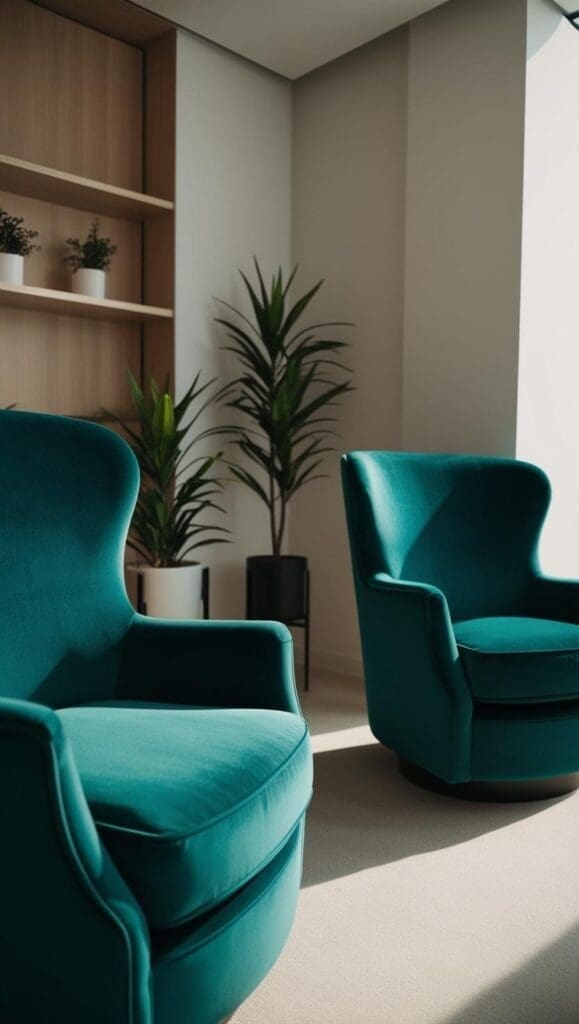
A plush but lightly structured chair cues, “You’re safe here.” Softer arms, rounded edges, and a supportive back help anxious bodies settle and let exhalations lengthen.
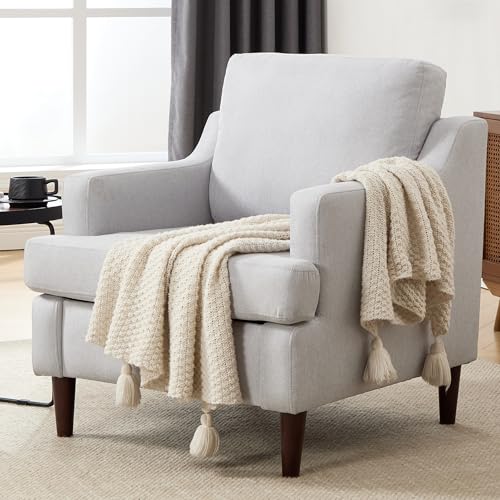
- Timeless Mid-Century Style – With its clean silhouette and gently curved arms, this accent chair adds understated charm …
- Sit Back in Comfort – Sink into the generously padded seat and enjoy full-body support with a perfectly angled backrest.
- Soft Yet Durable – Upholstered in a breathable, textured fabric that’s as gentle on the skin as it is resilient to every…
2) Defines Personality & Style
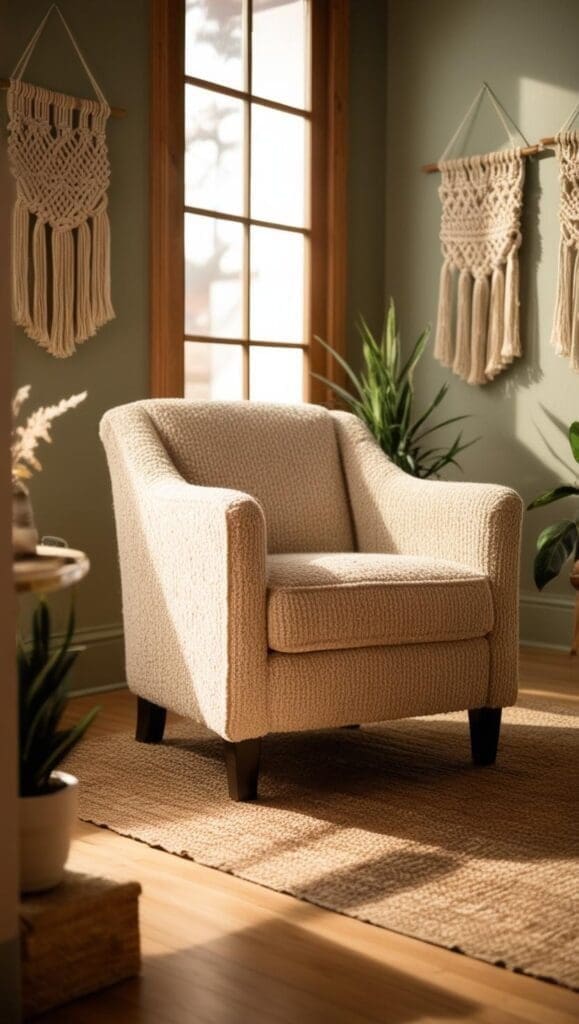
Your chair sets the visual tone: boucle for nurturing warmth, leather for quiet strength, linen for breezy calm. This is where brand and being meet.
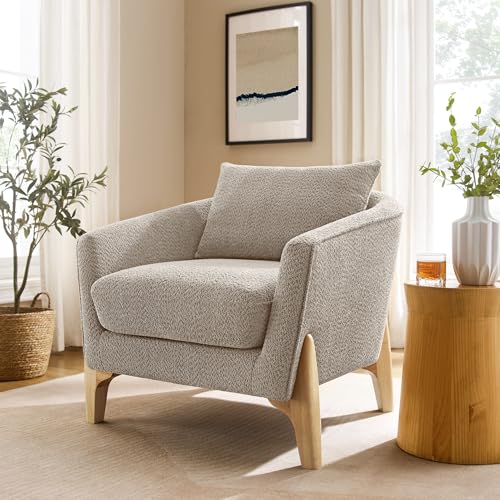
- Boucle Fabric: The VANOMi Living Room Chair features a soft boucle fabric that adds elegance and warmth, enhancing your …
- Ergonomic Comfort: Equipped with a supportive surround-back and a spacious seat cushion, this accent chair allows you to…
- Robust Design: Built with sturdy solid wood legs, this armchair not only ensures stability with a weight capacity of 350…
3) Creates a Designated “Client Spot”
Consistency calms. A recognizable seat becomes a ritual: clients know where to land. In small rooms, two similar chairs create symmetry; in larger rooms, a slightly different therapist chair can signal steady containment.
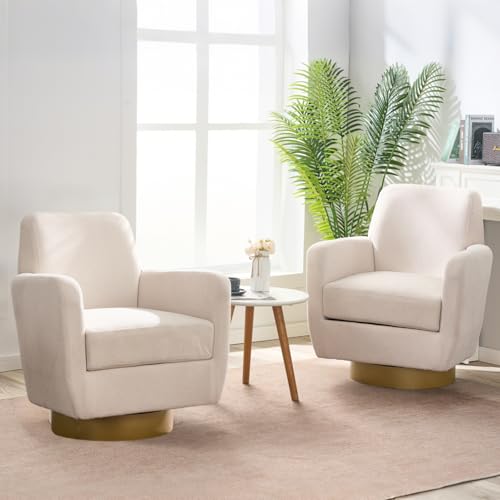
- 360° SWIVEL: Seamlessly turn to join a conversation, grab your drink, or gaze out the window without ever leaving your s…
- HIDDEN STORAGE: A clever storage compartment is hidden beneath the seat cushion, perfect for stashing remotes, magazines…
- SINK INTO COMFORT: The thick, high-density foam cushion provides soft yet supportive seating, wrapped in a breathable li…
4) Lifts Mood Through Sensory Styling
Add a breathable throw, a tactile cushion, or a grounding element (wood side table, small plant). Micro-sensory comforts lower visual noise and increase perceived warmth.
5) Supports Longer Sessions (Without Fatigue)
Therapy is stillness-heavy work. High backs, gentle lumbar, and supportive seat pans reduce fidgeting and help you remain present.
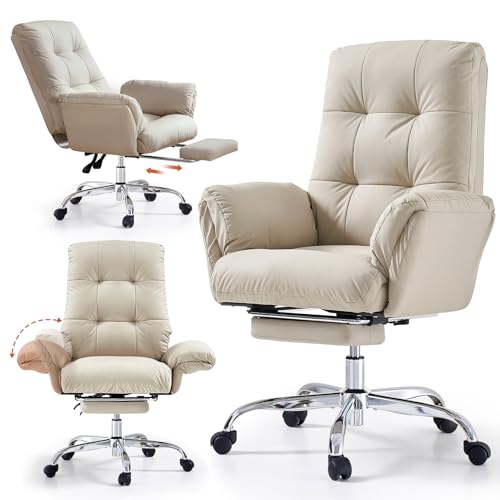
- Adjustable Armrests for Optimal Comfort: The home office desk chairs features adjustable flip – up arms. You can easily …
- Criss Cross Design with Wheels: This is a unique cross legged office chair, which not only adds a stylish look to your w…
- Reclining Function with Foot Rest: Enjoy the luxury of reclining with a built – in foot rest. This desk chair with foot …
Therapy Chair Ergonomics 101
Great therapy chairs balance plushness and postural support:
- Seat height: 17–19 in (43–48 cm) lets most feet land flat for stability.
- Seat depth: 18–22 in (46–56 cm). If you’re petite, choose shallower depth or add a lumbar pillow.
- Back angle: ~100–110° encourages an open chest and relaxed shoulders without slouching.
- Armrest height: ~7–9 in (18–23 cm) above seat keeps elbows neutral and jaw unclenched.
- Cushion feel: Medium-firm foam/foam-down blend; avoid over-plush cushions that collapse (leads to back strain).
- Lower-back “hug.” A slight lumbar curve or slim pillow mimics containment — many anxious clients find this soothing.
Pro tip: Sit in the chair the way you actually work (legs grounded, notebook in lap). Hold the posture for 3–5 minutes. Your body will tell you the truth.
Choosing the Perfect Therapy Armchair
Comfort Is Key
Your chair should feel inviting yet upright. Look for medium-firm cushions, supportive back, and arms you can rest on without hunching.
Starter picks to explore:
- Rivet “Aiden”-style tufted accent chair (supportive, modern).
- Compact barrel chair for small rooms.
- Ashley Furniture classic armchair (budget-friendly comfort).
Color Psychology (with Palette Ideas)
- Warm neutrals (beige, taupe, cream): safety, approachability, lightness.
- Sage & muted greens: grounding, renewal, nature-linked calm.
- Dusty blues/soft grays: clarity, trust, reflective tone.
- Terracotta/clay: warmth, earth, embodied presence.
- Blush/rose-beige: compassion, softness (use as accent if clients are sensory-sensitive).
Design tip: Coordinate the chair with wall and rug tones (one step deeper or lighter than the wall to avoid “visual sink”). Keep contrast gentle for trauma-sensitive spaces.
Material & Texture (choose the mood)
| Material | Mood it Signals | When to Choose | Example Idea |
|---|---|---|---|
| Boucle | Nurturing, cozy | Child/trauma work, winter hygge | “Cozy Boucle” lounge (West Elm style) |
| Linen | Airy, breathable | Minimalist/Scandi calm, summer light | Stone & Beam–style oversized linen |
| Performance fabric | Practical, low-maintenance | High-traffic offices | Crypton-like upholstery |
| Leather (matte) | Quiet strength, durable | Modern offices, easy cleaning | Rivet “Andrews”-style |
| Microfiber | Soft, budget-friendly | Starter offices | Stain-resistant microfiber chair |

Size & Space
- Small rooms: slim arms, open legs (visually lighter), compact barrel chairs, armless accent chairs.
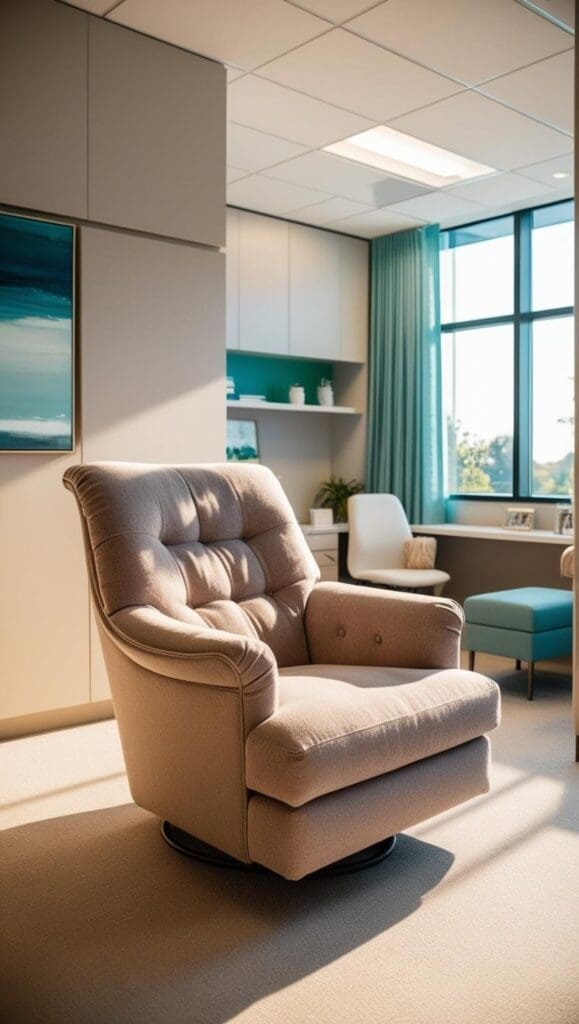
- Larger rooms: deeper seats, wingbacks, or swivel lounges to pivot between desk and client zone.
Practicality & Maintenance
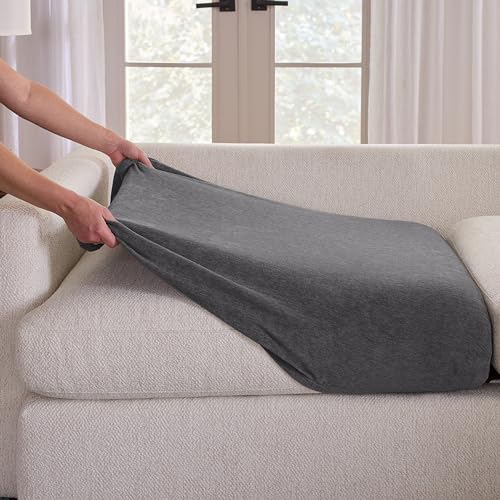
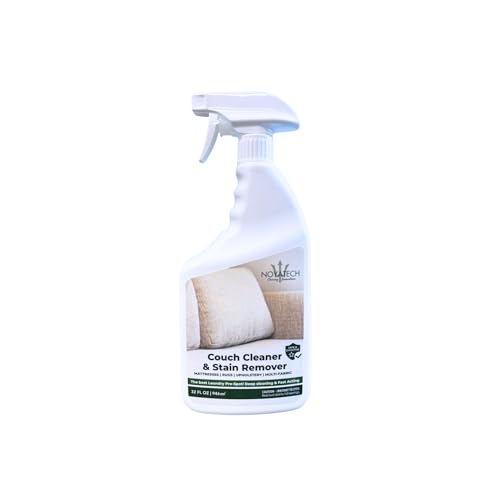
Choose performance fabrics, removable cushion covers, and wipeable side tables. Keep a tiny fabric care kit in your drawer for spills.
Pairing Your Therapy Chair with the Right Accessories
Build a conversation vignette that whispers calm:
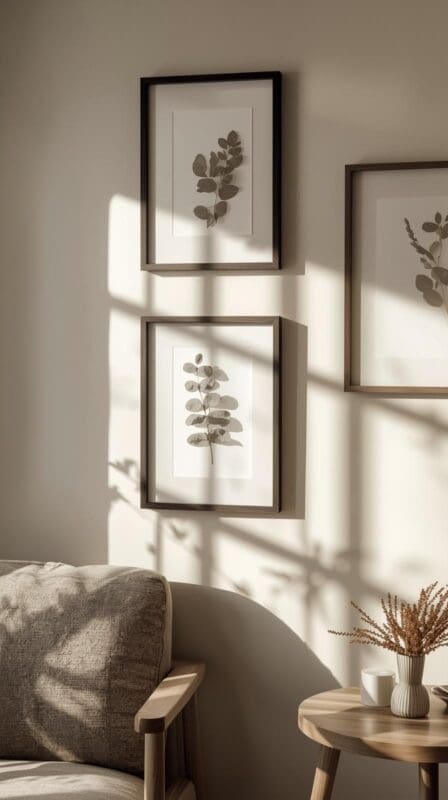
- Throws & pillows: one breathable throw + one textured cushion (linen/boucle) adds warmth without clutter.
- Lighting: cordless or dimmable lamps at ~2700K create parasympathetic cues. (Link to your cordless lighting post.)
- Side table: soft-edged/nesting table for tissues, a sand timer, or tea — a gentle boundary object between chairs.
- Rug: neutral, textured 5×7 or 4×6 to define the zone and dampen sound; washable is a plus.
- Greenery: one medium plant (zz plant/peace lily) for biophilic calm.
Therapy Chair Layout Ideas
- Diagonal Dialogue: Two chairs angled ~100–120° with a round table between. Invites conversation, reduces intensity.
- Parallel Reflective: Chairs parallel with a small offset; good for deeper work and silence-friendly sessions.
- Asymmetric Containment: Therapist chair slightly more structured, client chair a touch softer — subtle cue of steady holding.
- Desk + Lounge Hybrid: Swivel therapist chair pivots between notes and client, maintaining presence without visual clutter.
FAQs
What’s the best therapy chair for small offices?
A slim-arm, medium-firm accent chair with visible legs (lighter look). Compact barrel or armless designs save space.
Which colors promote emotional calm?
Warm neutrals, sage, clay/terracotta, and dusty blues. Keep contrasts soft for trauma-informed rooms.
Swivel or fixed?
Fixed often feels more stable for clients. A quiet swivel can work if you pivot between desk and seating — ensure the base is heavy and movement minimal.
Where should the therapist sit relative to light?
Aim for side-lit or back-diagonal light (never harsh overhead). Keep both faces evenly illuminated to reduce visual strain and increase connection.
Can I mix styles?
Yes. Minimalist + cozy is ideal: clean lines, soft textures, warm wood. Let every object earn its place.
Reflective Conclusion
Each session asks us to hold space for someone’s story — to stay steady, present, human. The right armchair supports that work quietly: a soft back that meets your spine; arms that invite the shoulders to drop; a posture that lets the breath deepen. This is where stillness meets story.
If you’re choosing now, choose with intention. Sit, exhale, and notice how your body responds. Then build your corner — the one that holds you, so you can hold the work.
Explore next: Minimalist Color Palettes · Cordless Lamps for Therapy Offices · The Best Sofas for Therapy Offices
Explore More Therapy Office Ideas:
How to Incorporate Cordless Lamps in Your Therapy Office
Layer in soft lighting that supports regulation and ambiance—without wiring stress
Budget-Friendly Minimalist Therapy Office
Affordable ways to create a warm, minimalist space that feels intentional

About the Author
Hi, I’m Eve, a former school counselor with a master’s degree in School Psychology and a passionate advocate for children and families navigating sensory challenges. As a mom of children with sensory sensitivities, I deeply understand the journey special-needs parents face, and I dedicate myself to researching and sharing practical solutions to help children thrive and feel comfortable in their bodies. My goal is also to empower counselors, therapists, and psychologists with creative strategies and supportive resources to enrich their everyday practice. When I’m not writing or exploring new therapeutic approaches, you’ll find me spending quality time with my family and continually seeking inspiration from everyday moments.