
Therapists and counselors spend most of the holiday season caring for others — but often forget to nurture themselves. Advent is the perfect time to flip that narrative. Instead of rushing through December, imagine having a daily reminder to pause, breathe, and take care of you.
This Therapist’s Advent Calendar offers 24 simple, realistic self-care practices that fit even the busiest schedule. Each small act becomes a moment of grounding, helping you stay centered while you support clients and prepare for the holidays.
This post contains affiliate links. If you purchase through them, we may earn a commission at no extra cost to you.

How to Set Up the Calendar in 15 Minutes
- Copy the 24 activities onto cards, notes, or a digital calendar.
- Mark five activities as “two-minute options” for overloaded days.
- Move longer practices to weekends, supervision days, or lighter workdays.
- Place the calendar where it prompts a pause without displaying private reflections to clients or coworkers.
- Decide now that skipping, replacing, or repeating a day still counts.
Optional Reusable Calendar Supplies
Numbered envelopes, small boxes, or a refillable calendar make the ritual visible without creating daily setup work. Choose a neutral design if it will remain in a professional office.



Week 1: Rest & Grounding
(Focus: slowing down, creating short pauses, and reconnecting with the present.)
1. Light a Candle at Your Desk
Pause for one minute of silence before starting the day.
Flameless Lighting for Office Settings
If open flames are not allowed—or simply add another task—battery-operated candles provide a similar visual cue without a burning wick. Check battery access and keep small batteries away from children.



Before opening your inbox or starting your first session, pause to light a candle. Let that small flame mark the start of your workday — a reminder that your presence matters as much as your productivity.
Take one quiet minute to breathe and set an intention like, “I can begin this day with attention and clear priorities.”
2. Journal for Five Minutes
Write one word that captures your current mood and expand on it.
You don’t need pages — just one honest paragraph. Write a word that describes how you feel today (“tired,” “hopeful,” “stretched”) and expand on it. Naming the feeling may help you decide what support, boundary, or next step would be useful.
3. Enjoy Your Coffee or Tea Mindfully
No phone, no emails — just sip and savor.
Tea Options for a Five-Minute Pause
A sampler can add variety without requiring a full beverage station. Check caffeine, ingredients, allergies, and workplace rules before sharing tea with anyone else.

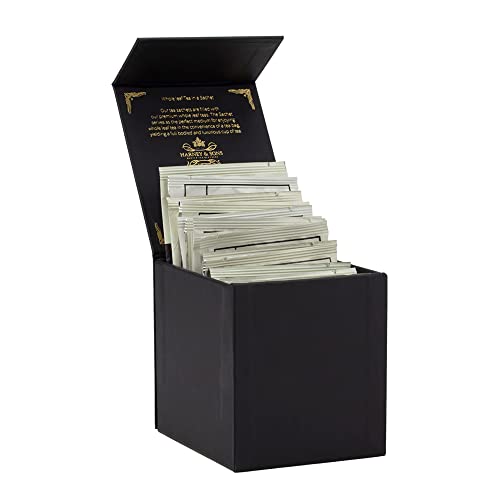

Instead of gulping caffeine between notes, turn it into a mini-ritual. Sit near a window, notice the warmth in your hands, inhale the aroma, and take three deep breaths.
Treat it as a brief transition between tasks rather than another activity you must perform perfectly.
4. Stretch Between Sessions
Two minutes of shoulder rolls or yoga poses make a difference.
Compact Movement Tools
A light resistance band can fit in a desk drawer for optional stretching. Follow the product instructions, inspect it for damage, and choose movements appropriate to your body and workspace.



Two minutes of gentle movement can interrupt a long period of sitting. Choose a comfortable shoulder roll, stretch, or brief walk and stop if anything hurts.
Consider keeping a yoga mat or resistance band behind your chair — a visual reminder that your body deserves the same care you encourage in others.
5. Leave Work on Time
Protect your boundaries for one day this week.
Choose one day this week to protect your boundaries — no extra notes, no late calls. Let the end of your workday be the end.
When you close your office door, consciously switch roles: from caregiver to human being. Give yourself permission to rest without guilt.
6. Declutter One Small Space
Tidy a drawer or shelf in your office for calm energy.
You don’t need a full office makeover — just clear one drawer, shelf, or surface. A cleared surface can make frequently used items easier to find.
Keep only what feels purposeful or inspiring within sight; everything else can wait. Stop after one small area so the task does not expand into an office overhaul.
7. Write Down Three Wins from This Week
They don’t have to be big — progress counts.
Progress isn’t only measured by breakthroughs — it’s in every small act of compassion. Write down three moments you felt effective, connected, or proud.
Use the list as a record of what went adequately or meaningfully this week, without treating gratitude as a solution to compassion fatigue.
Week 2: Nurturing Body & Mind
8. Take a Walk Outside
Notice seasonal details—cold air, leaves, light, or snow. Choose a familiar, well-lit route and use the time as a genuine break rather than taking calls while walking.
9. Drink an Extra Glass of Water
Keep water somewhere permitted and easy to reach. Hydration needs vary, so the aim is simply to notice whether you have been ignoring thirst during a full schedule.
10. Practice Box Breathing
Try four comfortable counts in, hold, out, and hold. Shorten the count, breathe normally, or skip the exercise if breath-holding feels unpleasant or medically inappropriate.
11. Enjoy a Comforting Meal Slowly
Move away from documentation for one meal or snack when possible. Choose food that suits your dietary needs and available time rather than making the meal another performance.
12. Write a Thank-You Note
Thank a colleague, supervisor, or mentor for something specific. When writing to a client, consider boundaries, documentation, organizational policy, and whether the message serves the client rather than your own emotional needs.
13. Try a Short Meditation
Choose a brief guided or silent practice and treat it as an experiment. If stillness increases discomfort, use walking, stretching, music, or another transition instead.
14. Wear Something Cozy to Work
Choose one comfortable, workplace-appropriate layer that does not interfere with movement, safety, or professional expectations.
Week 3: Connection & Reflection
15. Share a Laugh
Share a short, appropriate moment of humor with someone you trust. Protect client privacy and avoid humor that targets a client, colleague, identity, or clinical concern.
16. Call Someone Who Energizes You
Contact someone whose company usually feels mutual and restorative. A text asking whether they have time to talk can respect both people’s capacity.
17. Journal About Your Values
Choose one professional or personal value and note a recent action that reflected it. Then name one small action that would align with it next week.
18. Read for Pleasure
Choose something unrelated to clinical work and stop after ten minutes if that is all the space available. The aim is pleasure or curiosity, not finishing a chapter.
19. Play Calming Music Between Sessions
Create a short instrumental playlist at a volume that does not affect privacy or neighboring rooms. Silence remains a valid option.
20. Treat Yourself to Something Small
A useful notebook, favorite snack, borrowed book, walk, or protected break can all satisfy this prompt. Decide on a budget before browsing.
Small Practical Self-Care Picks
If your “something small” is a purchase, choose an item that solves a real need—a notebook, insulated mug, hand cream, or desk organizer—rather than buying a novelty simply to complete the prompt.

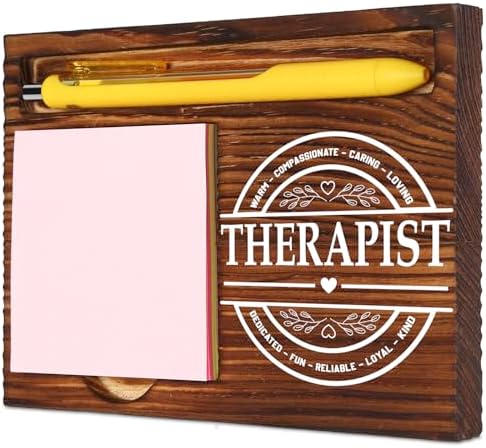

21. Write One Positive Affirmation on a Sticky Note
Write a believable statement such as “I can ask for consultation” or “Good-enough documentation is still documentation,” and place it somewhere private.
Week 4: Peace & Renewal
22. Take a Tech-Free Evening
Choose a realistic boundary, such as no work email after a set time or keeping one room device-free. Plan how urgent responsibilities will be handled first.
23. Light a Memory Candle
Use a flameless candle or another private ritual to remember a mentor or loved one. Avoid identifying clients or turning confidential clinical experiences into a public memorial.
24. End the Year with Gratitude
List up to ten things you appreciate about work or life, but do not force positivity. You may also name what was difficult and one boundary or support you want next year.
Self-Care Is Not a Substitute for Workplace Change
A brief ritual may offer a useful pause, but it cannot fix an unsafe workload, inadequate supervision, poor compensation, harassment, chronic understaffing, or organizational practices that conflict with ethical care. When the problem is structural, pair personal routines with appropriate consultation, documentation, boundaries, leave, workplace processes, or professional support.
- Do not use calendar completion as a measure of wellness, professionalism, or clinical competence.
- Keep client details out of journals, gratitude notes, photos, and publicly visible displays.
- Choose flameless lighting where open flames are restricted and adapt movement, breathwork, food, and sensory activities to health needs.
- Sharing these ideas with clients requires clinical judgment; keep participation optional and within your professional role.
Tips for Therapists Using a Self-Care Advent Calendar
- Keep the activities short and doable.
- Use a visible display (envelopes, cards, or jars) as a reminder.
- Share an idea with clients only when it is clinically appropriate, optional, and relevant to their goals.
- Don’t treat it like homework. This is about joy and renewal, not another task.
Related Resources for a Sustainable Holiday Season
- Use the broader Mindful Advent Calendar for family or personal activities.
- Plan boundaries with these holiday stress management tips for therapists.
- Create a comfortable workspace with professional Christmas therapy office decor ideas.
- Find practical presents in Christmas gifts for therapists who have everything.
Final Thoughts
This holiday season, give yourself the gift of care. A Therapist’s Advent Calendar offers daily reminders that you matter, too. Small practices may create useful transitions or moments of enjoyment, while meaningful recovery also depends on rest, boundaries, support, and workable conditions.
Choose the practices that fit your actual capacity and leave the rest. The calendar should reduce friction, not become another standard you have to meet.

About the Author
Hi, I’m Eve, a former school counselor with a master’s degree in School Psychology and a passionate advocate for children and families navigating sensory challenges. As a mom of children with sensory sensitivities, I deeply understand the journey special-needs parents face, and I dedicate myself to researching and sharing practical solutions to help children thrive and feel comfortable in their bodies. My goal is also to empower counselors, therapists, and psychologists with creative strategies and supportive resources to enrich their everyday practice. When I’m not writing or exploring new therapeutic approaches, you’ll find me spending quality time with my family and continually seeking inspiration from everyday moments.

