
Therapy dogs bring warmth, comfort, and connection into the counseling space. For many clients — especially children and teens — the presence of a calm, well-trained dog makes the office feel more welcoming. But creating a therapy dog-friendly office requires thoughtful planning. You want your space to remain professional while also being safe, clean, and comfortable for both clients and the dog.
This guide covers everything you need to know about setting up a pet-friendly counseling office, from cozy resting spots to practical accessories, so your therapy dog can thrive while supporting your clients.

Why Therapy Dogs Belong in Counseling Spaces
Therapy dogs do more than comfort — they help clients regulate emotions, build trust, and feel grounded. Simply being near a calm, gentle animal can reduce anxiety and create a sense of safety. For many clients, that soft nudge from a therapy dog becomes an anchor during difficult moments.
Therapeutic insight:
Research shows that interacting with animals lowers cortisol levels and supports oxytocin release — the hormone connected to bonding and calm. That’s why designing a space that feels welcoming to your therapy dog isn’t just practical — it’s part of the healing environment itself.
1. Designate a Calming Resting Area
Give your therapy dog their own “grounding space.” Place a soft bed, basket, or mat in a quiet corner of the office. Add a toy or small blanket that smells like home — it helps your dog relax between sessions.
Therapeutic benefit:
When your therapy dog feels secure, clients feel secure too. The dog’s calm presence mirrors safety and attunement in the space.
Why it matters: Therapy dogs need a safe spot to retreat when not engaging with clients. A defined resting area ensures the dog doesn’t feel overwhelmed and communicates professionalism to clients.
Tip: Place a comfortable dog bed or mat in a low-traffic area of the office. Choose washable covers in neutral colors to blend with your decor.

2. Choose Durable, Washable Fabrics
Why it matters: Accidents and shedding are inevitable. Fabrics that are easy to clean help maintain a polished look and keep the office hygienic.
Tip: Opt for slipcovers or machine-washable throws for sofas and chairs. Stick to darker tones or patterned fabrics that hide fur between cleanings.
3. Keep Water & Treat Stations Subtle
Why it matters: Therapy dogs should always have access to fresh water. Treats may be used as rewards but should be handled discreetly in professional spaces.
Tip: Use a stylish ceramic or stainless-steel water bowl tucked in a corner. Store treats in a sealed jar inside a cabinet, not on visible surfaces.
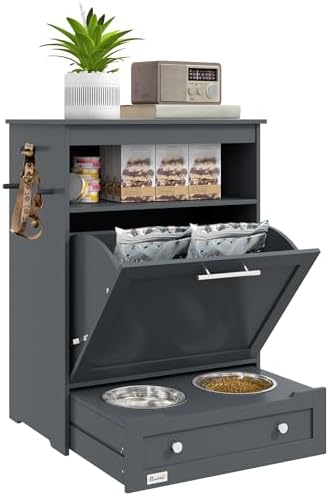
- Pet Feeder: When it’s time to eat, pull out the bottom drawer to reveal a food and water bowl. When feeding time is over…
- Store Pet Supplies: Store all your pet supplies in a single spot with this pet feeder station. The three hooks on the si…
- Use Around the House: You can use this pet food storage cupboard as an end table in the living room or a side table in y…
4. Use Calming Accessories
Why it matters: Therapy dogs need tools that support their own regulation. Calming accessories ensure they remain grounded, which directly influences the atmosphere in the room.
Tip: Weighted blankets for dogs, anti-anxiety vests, or a favorite chew toy can help maintain calm during longer sessions.
5. Consider Allergy-Friendly Solutions
Why it matters: Some clients may have allergies or sensitivities. Taking precautions shows care and professionalism.
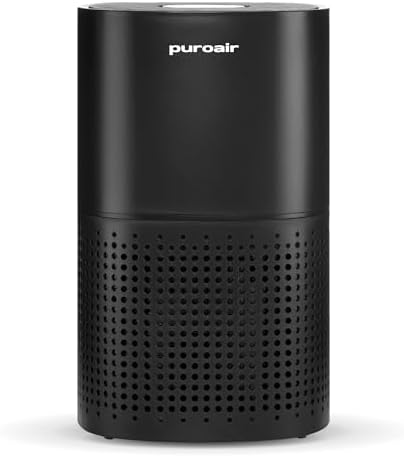
Tip: Use a high-quality air purifier in the office. Keep lint rollers handy. Let clients know in advance that a therapy dog is present, so they can make informed choices.
6. Maintain Clear Boundaries
Why it matters: Therapy dogs should enhance the session, not dominate it. Boundaries help clients feel comfortable whether they want to engage with the dog or not.
Tip: Use commands to cue when the dog should greet a client or rest. Have a designated spot where the dog stays during sessions unless invited closer.
7. Incorporate Pet-Friendly Decor Thoughtfully
Why it matters: Your therapy office should still feel professional and inviting, even with a dog present. Small touches ensure everything blends seamlessly.
Tip: Choose beds, mats, and bowls that match your office color palette. Add subtle dog-friendly art or calming nature prints to reinforce the theme without overwhelming the decor.
8. Keep Hygiene a Priority
Pet hair happens — but with a few intentional habits, your space can stay spotless and professional. Use a quiet vacuum or handheld device between sessions, and keep lint rollers handy. Diffuse pet-safe essential oils like lavender or chamomile to neutralize odors.
Therapist Tip:
Check in with new clients about allergies before introducing your dog. Having a backup plan (like a dog-free waiting area) keeps everyone comfortable.
Why it matters: Cleanliness reassures clients and maintains a professional reputation.
Tip: Vacuum and wipe down surfaces daily. Wash dog bedding frequently. Schedule regular grooming for the dog to minimize shedding.


9. Choose Comfortable Pet-Safe Flooring
Carpets can trap fur and allergens, while hardwood or vinyl flooring makes cleanup easier. Add washable area rugs that feel cozy underfoot — for both humans and paws.
Tip for Therapists:
Opt for rugs made of wool or cotton blends with natural fibers. They’re durable, easy to clean, and give your space a welcoming feel.


Final Thoughts
A therapy dog-friendly office creates a unique environment where clients feel safe, supported, and comforted. With thoughtful design choices — from cozy resting areas to allergy-friendly solutions — you can seamlessly integrate your therapy dog into the counseling space.
The result is an office that feels professional yet welcoming, where clients benefit not only from your guidance but also from the calm presence of your four-legged co-therapist.
For more ideas, explore my posts on Therapy Office Winter Lighting Ideas and Dark Aesthetic Winter Decor to create a space that feels both professional and nurturing.

About the Author
Hi, I’m Eve, a former school counselor with a master’s degree in School Psychology and a passionate advocate for children and families navigating sensory challenges. As a mom of children with sensory sensitivities, I deeply understand the journey special-needs parents face, and I dedicate myself to researching and sharing practical solutions to help children thrive and feel comfortable in their bodies. My goal is also to empower counselors, therapists, and psychologists with creative strategies and supportive resources to enrich their everyday practice. When I’m not writing or exploring new therapeutic approaches, you’ll find me spending quality time with my family and continually seeking inspiration from everyday moments.