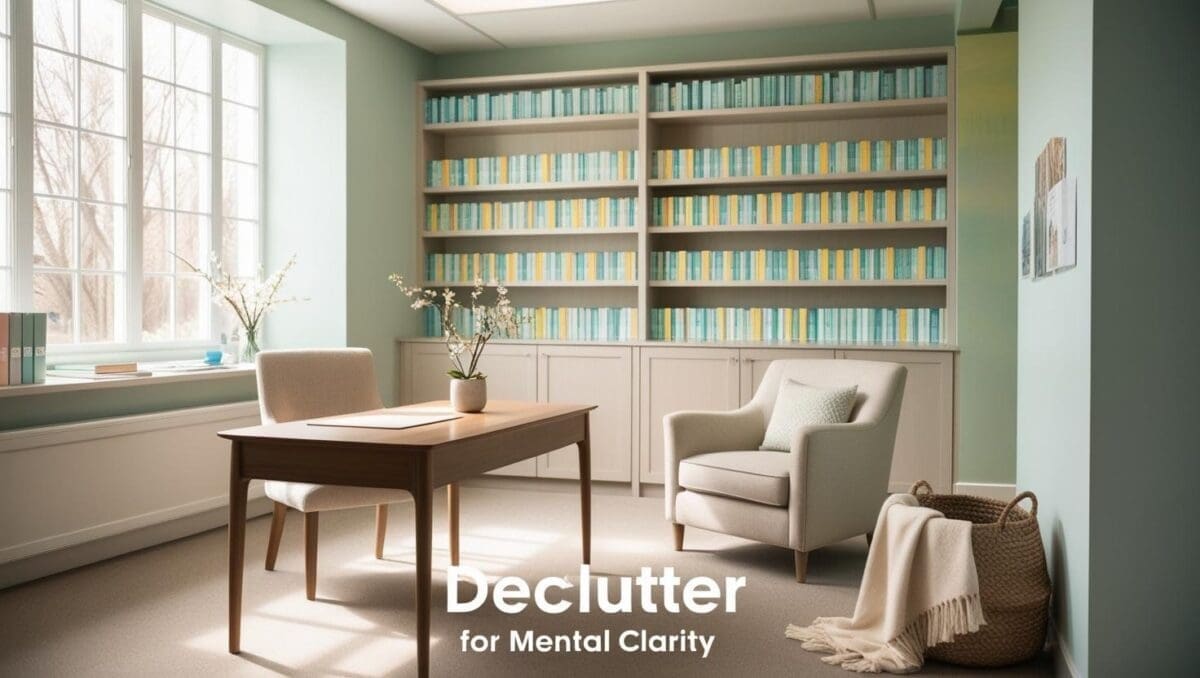
On a gray afternoon, I unlocked my office, clicked on the small table lamp, and watched the room change. The light warmed the corners, a wool throw softened the chair, and the faint scent of vanilla made the air feel kind. Before the first client even arrived, the room had started doing its quiet work—offering safety.
In winter, the waiting room is more than a hallway between the door and the session. It is the nervous system’s first impression. Shorter days, cold air, and holiday pressure make clients more sensitive to light, sound, and temperature. A thoughtful winter setup supports regulation before a single word is spoken.
This guide blends therapeutic intention with simple design so your waiting area feels warm, professional, and genuinely welcoming.
Why the environment matters in winter
- Polyvagal perspective: Warm light, predictable layout, and soft textures are “social safety” cues that invite the ventral vagal system (calm connection) rather than fight/flight or shutdown.
- Occupational therapy lens: Texture, temperature, and gentle scent provide organizing sensory input. Fewer visual distractions reduce cognitive load.
- Therapist reflection: Your waiting room co-regulates with you. When the space breathes, people do too.
1) Layer soft textiles
Why it works
Textiles dampen sound, stabilize temperature, and offer grounding touch—especially helpful for anxious clients who arrive overstimulated.
How to implement
- Add a washable throw on each chair; keep a spare folded in a basket.
- Place a low-pile rug under seating to soften acoustics and define the zone.
- Keep textures mixed but quiet: linen, cotton knit, wool blend, or boucle.
Therapist tip
Choose neutral winter tones (cream, oatmeal, charcoal, deep green) to avoid visual clutter.
Safety & care
Prioritize machine-washable covers. If allergies are common, avoid feather fills and choose hypoallergenic inserts.
2) Use layered, warm lighting
Why it works
Overhead fluorescents spike arousal. Layered, warm lighting (2700K LEDs) calms eyes and nervous systems.
How to implement
- Combine a floor lamp with one or two cordless or plug-in table lamps for zones of light rather than a single glare source.
- Use lampshades in linen or parchment for diffuse glow.
- Add a dimmer or low-setting bulbs for late afternoons.
Therapist tip
Place a small lamp near the check-in surface and another low lamp in a corner to remove shadows that can feel “cold.”
Safety & accessibility
Avoid flickering bulbs; they can trigger headaches or dysregulation in sensitive clients. For shared buildings, choose flameless candles.
3) Bring in nature (real or styled)
Why it works
Biophilic elements signal safety and renewal. Nature tones (wood, stone, greenery) reduce perceived stress.
How to implement
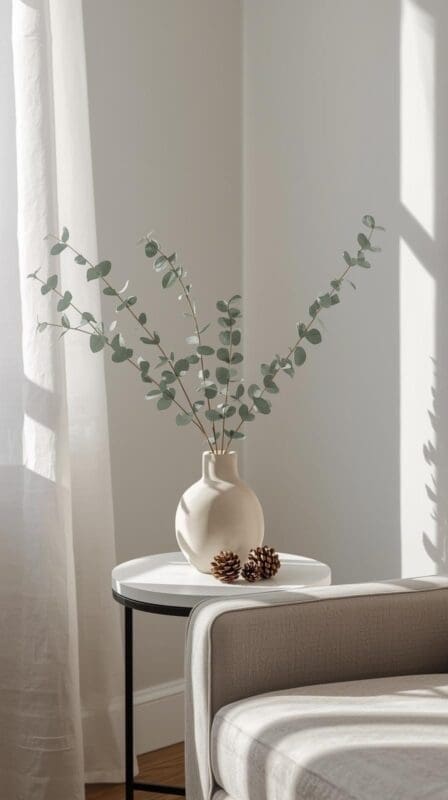
- Style a low arrangement: pinecones, evergreen clippings, or eucalyptus in a ceramic vase.
- Add one easy plant (aspidistra, snake plant, or pothos) in a woven basket.
- A bowl of smooth river stones on the table doubles as a grounding touchpoint.
Therapist tip
Invite children to spot “three winter things” (cone, branch, stone). Micro-scavenger hunts support orientation and calm.
Safety & accessibility
Choose non-shedding plants if allergies are a concern. Skip strong floral scents.
4) Offer a simple coffee and tea station
Why it works
A warm drink is a small ritual that slows breath and increases comfort. It also lengthens the exhale—good for vagal tone.
How to implement
- Keep a compact tray with electric kettle, mugs, stir sticks, and napkins.
- Stock caffeine-free options for late sessions: chamomile, peppermint, rooibos, and decaf black tea.
- Add a discreet sign: “Please help yourself.”
Therapist tip
Place a small waste bin and a microfiber cloth nearby to make quick tidying effortless.
Safety & accessibility
Choose lidded paper cups for pediatric or high-traffic areas. Post an allergy note if you offer milk alternatives.
5) Curate calming seasonal art
Why it works
Art directs attention. Quiet winter imagery (soft landscape, minimal abstract, photography of light on snow) reduces arousal and sets tone without holiday specificity.
How to implement
- Swap two frames seasonally rather than adding more decor.
- Use natural wood or black frames for cohesion.
- Position one piece at seated eye level.
Therapist tip
Add a single grounding quote in small typography near the check-in surface. Keep language inclusive and non-clinical.
6) Provide intentional reading and activities
Why it works
Meaningful engagement shortens perceived wait time and improves first-session anxiety.
How to implement
- Create three stacks: a mindful magazine, a short poetry or nature book, and a neutral interior/design magazine.
- For families: one calm activity pad, a small puzzle cube, and a feelings chart card ring.
Therapist tip
Avoid heavy news content and controversial topics. Keep covers visually soft.
Safety & care
Rotate and sanitize weekly. Offer a small pencil cup for activity pads—no markers.
7) Keep air fresh and comfortable
Why it works
Dry, stale air undermines the cozy effect. Clean air and gentle humidity improve comfort and reduce headaches.
How to implement
- Use a quiet air purifier rated for your room size.
- In very dry climates, add a cool-mist humidifier and keep levels around 40–45%.
- If you use scent, keep it subtle: vanilla, cedarwood, or a light “fresh linen.”
Therapist tip
Create “scent-free hours” on your schedule if you work with clients who have sensitivities.
Safety & accessibility
Avoid strong peppermint or cinnamon blends; they can overstimulate or irritate airways. Clean filters monthly.
8) Define flow and privacy with layout
Why it works
Predictable flow lowers anxiety. Clear sight lines and subtle boundaries communicate safety before intake begins.
How to implement
- Position seating to face warm light or art, not the door directly.
- Use a slim console table or planter to create a gentle divider between the door and seating.
- Keep a clear path to restrooms and exits.
Therapist tip
If sound carries, place a soft white-noise machine near the door frame to protect privacy in the hallway.
9) Add a tiny grounding station
Why it works
A visible “you are welcome to regulate here” cue empowers clients to care for themselves while waiting.
How to implement
- Fill a small tray with a sand timer, two worry stones, and a card with a 4-4-6 breathing pattern.
- For children: add a mini calm-down glitter bottle.
Therapist tip
Model it once: “If you ever want a grounding pause, this tray is here for you.”
Safety & accessibility
Avoid glass bottles in pediatric spaces—use plastic.
10) Maintain winter-ready comfort
Why it works
Comfort details reduce friction and signal care.
How to implement
- Place a shoe mat at the entrance on snowy days.
- Keep a discreet coat tree and a small umbrella stand.
- Store extra tissues and hand cream on a side table.
Therapist tip
Choose a closed lidded trash bin near the tissues. It keeps the room visually calm.
Quick planner: budget and setup
| Element | Cost range | Setup time | Sensory impact | Note |
|---|---|---|---|---|
| Cordless/table lamp + 2700K bulb | €25–€80 | 5–10 min | Visual warmth | Ideal for rentals |
| Knit throw + pillow | €20–€50 | 2 min | Tactile grounding | Washable covers |
| Small plant or evergreen stems | €10–€30 | 2–5 min | Biophilic calm | Low-maintenance |
| Tea tray (kettle + herbal set) | €25–€60 | 10 min | Ritual + warmth | Caffeine-free options |
| HEPA air purifier | €60–€150 | 5 min | Air quality | Replace filters |
Trauma-sensitive and inclusive choices
- Avoid flashing or color-changing lights.
- Keep holiday symbolism neutral; lean into winter nature.
- Offer scent-free hours or no-scent policy if needed.
- Ensure at least one firm, higher-seat chair for mobility support.
- Keep pathways wide and surfaces uncluttered for accessibility.
FAQs
Is it ethical to offer beverages in a waiting room?
Yes, when simple and voluntary. Provide water and caffeine-free options, label allergens, and keep the area tidy.
How do I warm a windowless waiting space?
Rely on layered warm lighting, natural textures (wood, woven baskets), and winter art. Add a small white-noise machine to soften acoustics.
What if I rent and can’t hang art?
Use adhesive frame strips, a picture ledge, or a large leaning frame on a console table.
How do I keep it cozy but not cluttered?
Limit decor to one item per surface: a lamp, a vase, a single book stack. Store extras in a closed cabinet.
Are candles okay?
Open flame often violates building policy. Choose flameless candles or dimmable lamps for the same effect.
Final reflection
Your waiting room is part of the clinical team. In winter especially, it can greet clients with warmth, help them settle their breath, and offer a moment of kindness before the work begins. With soft light, quiet textures, and a few intentional rituals, the space itself becomes a gentle invitation: you are safe here.
Read next:
Minimalist Color Palettes for Therapy Offices
Cordless Lighting for Therapy Offices
Hygge-Inspired Winter Therapy Office Decor

About the Author
Hi, I’m Eve, a former school counselor with a master’s degree in School Psychology and a passionate advocate for children and families navigating sensory challenges. As a mom of children with sensory sensitivities, I deeply understand the journey special-needs parents face, and I dedicate myself to researching and sharing practical solutions to help children thrive and feel comfortable in their bodies. My goal is also to empower counselors, therapists, and psychologists with creative strategies and supportive resources to enrich their everyday practice. When I’m not writing or exploring new therapeutic approaches, you’ll find me spending quality time with my family and continually seeking inspiration from everyday moments.