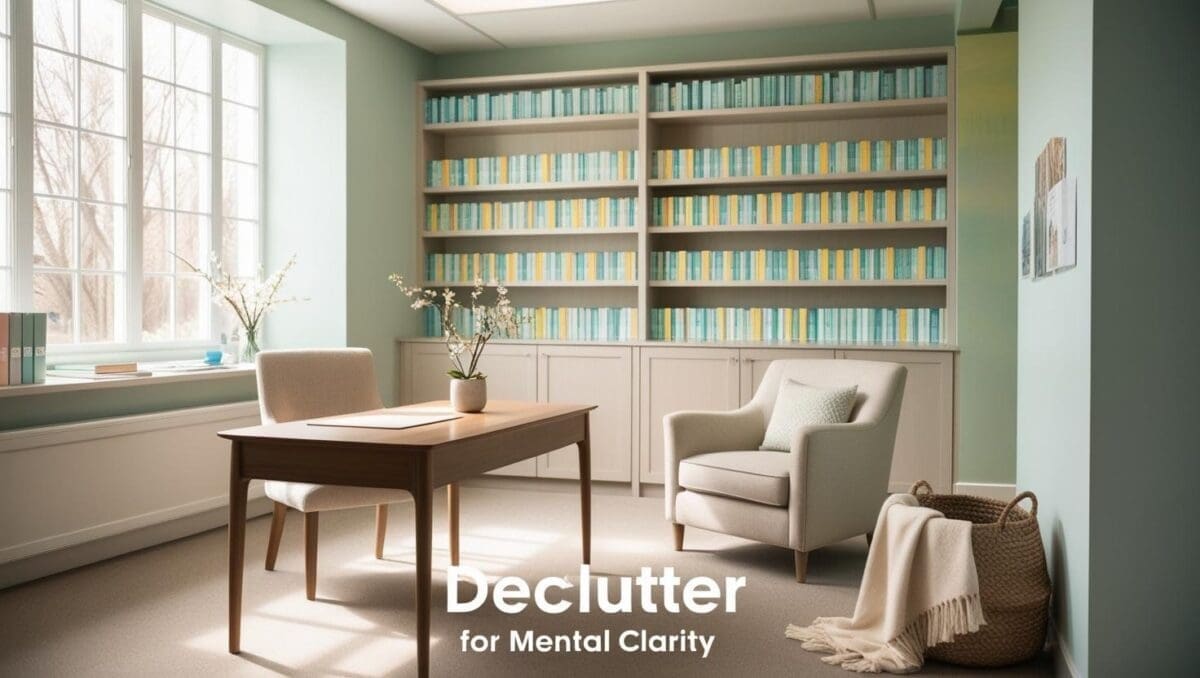
A school counselor’s office is often one of the first places a student goes when school feels a little too big.
Maybe they arrive after a friendship problem at recess. Maybe they are new to the school and do not yet know where they belong. Maybe they have been holding in a worry all morning and finally need a quiet place to land.
Before a student says a word, your office is already communicating something.
It may say, “This is a safe place to sit for a minute.” It may say, “You are not in trouble.” It may say, “There is room here for big feelings, quiet feelings, and hard days.”
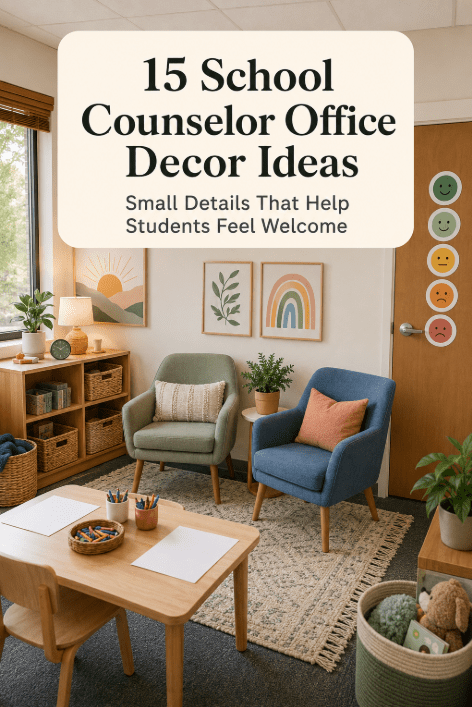
That does not require a huge budget or a perfectly styled room. The best school counselor office decor ideas are not only pretty. They help students feel welcome, make the space easier to use, and give your office a calm, approachable personality.
Whether you have a tiny office, a shared counseling room, or one small corner inside another school space, these ideas can help you create a room that feels supportive from the moment students walk in.
This post may contain affiliate links, including Amazon and selected partner links. If you make a purchase through these links, I may earn a small commission at no extra cost to you.
What Makes School Counselor Office Decor Feel Welcoming?
A welcoming counseling office does not need to look like a classroom, a principal’s office, or a perfectly staged home.
It should feel clear, calm, and gently personal.
Students often notice small details more than we expect: whether there is a soft place to sit, whether the lighting feels harsh, whether they can see something familiar to do with their hands, or whether the room feels too crowded to relax.
When choosing decor, ask yourself three simple questions:
- Does this help students feel more comfortable?
- Does this help me use the room more easily?
- Does this add warmth without adding clutter?
If the answer is no to all three, it may be beautiful, but it may not need to take up space in your office.
For a complete room-planning guide, link this article to your Back-to-School School Counselor Office Setup: Calm Decor Without Overspending post.
1. Create a Simple “You Belong Here” Welcome Wall
A welcome wall is one of the easiest school counselor office decor ideas because it immediately tells students what kind of space they are entering.
This does not need to be a huge bulletin board. It can be a small framed print, a letter board, a peel-and-stick wall decal, or a calming poster near the door.
Try warm, student-friendly phrases such as:
- You belong here.
- You are welcome here.
- Let’s figure it out together.
- Your feelings matter.
- It is okay to ask for help.
- You do not have to do hard things alone.
- This is a place to pause, talk, and try again.
Choose one or two messages instead of covering the wall with quotes. A single clear statement can feel much more meaningful than a crowded wall full of words.
For younger students, pair the message with simple, friendly illustrations. For older students, choose something that feels calm and respectful rather than overly childish.
2. Use a Calm, Cohesive Color Palette
A school counselor office can be playful without becoming visually overwhelming.
One of the easiest ways to make mismatched furniture and budget supplies feel more intentional is to choose a simple color palette. You do not need to replace everything. Just repeat a few colors through storage bins, pillows, bulletin board borders, posters, and small decor items.
Try one of these combinations:
- Sage green, cream, and natural wood
- Soft blue, warm beige, and muted mustard
- Dusty pink, oatmeal, and warm gray
- Terracotta, cream, and olive green
- Navy, soft gray, and pale yellow
- Warm white, light wood, and soft peach
A calm palette can help the room feel less chaotic, especially when students are surrounded by bright visual stimulation in classrooms and hallways all day.
Avoid choosing too many bold colors at once. You can still include cheerful details, but give the eye a few quiet places to rest.
3. Add Soft Seating That Feels Less Formal
Students may open up more easily when they do not feel like they are sitting in an interview.
A large desk between you and a child can make the room feel formal, even when you are warm and approachable. A small conversation area with softer seating can help change the mood.
You might use:
- two compact accent chairs
- a small loveseat and one chair
- floor cushions for younger students
- a beanbag or soft reading chair
- a small side table between seats
- a washable throw pillow
- a soft blanket for older students who appreciate comfort items
You do not need matching furniture. A simple chair with one comfortable pillow and a small lamp nearby can feel much more welcoming than a full set of office furniture.
When possible, position chairs slightly angled instead of directly facing each other. This can make conversations feel more natural, especially for students who find eye contact or direct questions uncomfortable.
4. Define the Conversation Area With a Washable Rug
A rug can make a small counselor office feel more grounded and organized.
It visually separates the conversation area from your desk, storage, or activity supplies. It can also make older furniture feel more cohesive.
Choose a rug that is:
- easy to clean
- low pile or flat woven
- large enough to define the seating zone
- calm enough not to compete with the room
- safe and secure on the floor
A simple neutral rug with subtle texture often works best. If you want more color, choose a muted pattern rather than something very busy.
For smaller offices, even a compact rug can help create the feeling of a dedicated “talking space.” That visual boundary can be especially helpful when your office has to serve many purposes throughout the day.
5. Make Harsh Lighting Feel Softer
Many school offices rely on bright overhead lighting, and sometimes there is not much you can do about it.
Still, adding one warm light source can make a noticeable difference.
Consider:
- a warm-toned table lamp
- a cordless rechargeable lamp
- a small floor lamp
- battery-operated wall lights where permitted
- a soft light near your seating area
- a low-glare reading light in a quiet corner
The goal is not to make the office dark. Students still need to see clearly, and safety always comes first. Instead, think of adding a softer layer of light that makes the room feel less clinical.
Choose stable lamps, secure all cords, and follow your school’s safety policies. In spaces used by younger children, keep fragile decor and electrical items out of reach.
For more ideas on creating cozy but professional spaces, link this section to your Cozy Therapy Office article.
6. Use Nature-Inspired Decor to Add Warmth
Nature-inspired decor is one of the easiest ways to make a counselor office feel calmer without filling it with unnecessary items.
You might include:
- one easy-care plant
- faux greenery if real plants are not practical
- botanical wall prints
- a small wooden tray
- woven baskets
- natural-fiber storage bins
- warm wood picture frames
- a landscape photo or calming nature art
Choose plants carefully in child-centered spaces. Avoid plants that may be unsafe if touched or eaten, and make sure they are placed securely.
You do not need a full “plant wall” for the room to feel softer. One small plant near a window or one botanical print can bring warmth into a room full of school furniture and practical supplies.
Nature details also work beautifully with a simple neutral color palette, making the office feel intentional without requiring a complete makeover.
7. Turn a Feelings Check-In Into Useful Decor
A feelings check-in board can become one of the most useful visual features in your office.
Instead of treating it as a worksheet on the wall, style it as a simple, inviting part of the space. Use a framed poster, felt board, magnetic board, dry-erase board, or small wall-mounted organizer.
Your feelings check-in could include:
- emotion faces
- color-coded mood choices
- “How am I arriving today?” cards
- a clip system with student names
- a small “weather report” for feelings
- a “what does my body need?” prompt
- calm, tired, worried, angry, excited, sad, and proud options
Keep it optional. Students should never feel pressured to announce or explain their emotions in front of others.
The purpose is to give children a simple way to notice what is happening inside them. It can also help you begin a conversation more gently: “I noticed you chose tired today. Has it been a long morning?”
Link this section to Back-to-School Counseling Activities: 25 Easy Ways to Help Kids Feel Safe for more emotion check-ins, coping activities, and first-week counseling ideas.
8. Display Student Artwork in a Thoughtful Way
Student artwork can be some of the most meaningful decor in a counseling office.
It makes the room feel lived in, personal, and connected to the children you support. It can also help students feel proud when they see their work displayed respectfully.
Create a small rotating display with:
- clipboards
- a wire photo display
- a cork strip
- framed art holders
- a magnetic board
- a simple gallery wall
- a shelf for small 3D projects
You might display anonymous group artwork, seasonal counseling projects, kindness reflections, coping-skills collages, or drawings that students have given permission to share.
Keep privacy in mind. Do not display anything personal, emotionally sensitive, or identifiable without clear permission and appropriate school guidelines.
A small rotating art display is enough. It should feel like a celebration of student creativity, not another crowded bulletin board.
9. Style a Calm-Down Basket So Students Can Actually Use It

A calm-down basket can be both practical and visually appealing.
Instead of hiding regulation tools in a drawer, create a simple, intentional basket or tray that students can recognize. Use a natural basket, fabric bin, handled tray, or clear container with a calm label.
Include only a few choices at a time, such as:
- visual breathing cards
- a small timer
- quiet fidgets
- a smooth worry stone
- texture strips
- a soft fabric square
- a grounding card
- noise-reducing headphones
- a small notepad and pencil
- a weighted lap pad
Do not overfill the basket. Too many choices can make a student feel more overwhelmed rather than supported.
Introduce these tools during a calm moment. Explain what each item is for, where it belongs, and how students can ask to use it. A calm-down basket should feel like a supportive resource, not a reward or punishment.
For more child-friendly tools and waiting-area ideas, link to Waiting Room SEL Tools.
10. Choose Wall Art That Supports Students
School counselor office wall decor can do more than make the room look nice.
Choose art and visuals that gently support emotional vocabulary, coping, belonging, and self-reflection.
Helpful ideas include:
- a “What Can I Do When I Feel…” poster
- a coping-skills menu
- an emotion vocabulary chart
- a growth mindset print
- a kindness visual
- a problem-solving steps poster
- a “Who Can Help Me?” school support map
- a simple breathing visual
- a school counselor introduction poster
- a “You Are More Than One Hard Moment” reminder
Avoid turning every wall into an educational display. Choose a few visuals that are genuinely useful and leave some wall space empty.
A room with breathing space often feels calmer than a room where every surface is filled.
For a deeper look at choosing purposeful visuals, link this section to Therapeutic Wall Art: How Visuals Impact Client Mood.
11. Use Baskets and Closed Storage to Hide Everyday Clutter
A warm office can quickly feel stressful when every supply is visible.
Baskets, lidded bins, fabric cubes, drawers, and storage cabinets are not just organizational tools. They are part of the decor.
Use them to hide:
- extra art supplies
- duplicate games
- seasonal materials
- backup fidgets
- small-group resources
- cleaning supplies
- printer paper
- office paperwork
- items waiting to be put away
Choose a few storage styles and repeat them throughout the room. For example, use matching cream bins, natural woven baskets, or soft blue fabric cubes.
For small offices, vertical storage can help free up floor space. Wall-mounted file holders, floating shelves, over-the-door organizers, and slim rolling carts can provide function without making the room feel crowded.
Save your most-used, student-friendly supplies for open shelves. Store the rest away.
12. Create a Tiny Reading or Reflection Corner
You do not need a full library corner to give students a quiet place to pause.
A small reflection corner can include:
- one comfortable chair or floor cushion
- a small basket of books
- journals or drawing paper
- one soft lamp
- a simple sign such as “Take a Breath”
- a few conversation cards
- calm coloring pages
- one or two grounding tools
Choose books and resources that match the age group you serve. Elementary students may enjoy picture books about friendship, worry, change, and feelings. Older students may prefer journals, reflection cards, poetry, or quiet drawing prompts.
Keep the selection small and rotate it seasonally. A few carefully chosen items feel more thoughtful than a packed shelf full of random books.
13. Make Your Bulletin Board Feel Like Part of the Room
A bulletin board does not have to look like a classroom assignment board.
It can become a warm, changing feature in your school counselor office decor.
Try themes such as:
- “Ways We Can Be Kind”
- “What Helps Me Feel Calm”
- “Friendship Starts With…”
- “Things I Am Proud Of”
- “My Hopes for This School Year”
- “How I Can Ask for Help”
- “Small Steps Count”
- “What Does Belonging Feel Like?”
Use a calm background color and avoid overcrowding the board with too much text. Let student contributions be the heart of the display.
You can also keep one section blank and invite students to add a small response over time. This makes the office feel active and connected to the school year rather than permanently decorated and untouched.
14. Keep Your Desk Area Professional but Approachable
Your desk area needs to work for you, but it can still feel warm.
A desk piled with papers may unintentionally tell students that you are too busy. A completely empty desk can feel cold or impersonal. Aim for a middle ground.
Try including:
- one small lamp
- a framed photo or meaningful print
- a simple pencil holder
- one small plant
- a document tray
- a calendar or planner
- a tray for frequently used supplies
- a small “welcome” sign visible from the student side of the desk
Store confidential documents securely and keep private notes out of view.
You do not need to hide your work completely. A well-organized desk quietly communicates that you are prepared, while a few warm details help students see you as a real person rather than another authority figure.
15. Add Seasonal Details Without Redecorating Everything
Seasonal decor can help your office feel fresh, but it does not need to take over the room.
Choose one small area to update throughout the year. This might be a bulletin board, a shelf, a basket, or a framed print near the entrance.
For back-to-school season, try:
- a “New Year, New Beginnings” board
- a first-week feelings check-in
- a school-themed story prompt tray
- a “Who Can Help Me?” visual
- a friendship activity display
- a small bowl of encouraging note cards
Later in the year, you can switch to gratitude, winter coping skills, kindness, spring growth, exam support, or end-of-year reflection.
Keeping seasonal decor contained makes it easier to update without creating visual clutter or adding another large task to your already busy schedule.
Shop This School Counselor Office Decor Look
A few well-chosen items can make your office feel more calm and useful without turning it into a shopping project.
For a Softer Conversation Area
- compact accent chair
- washable area rug
- lumbar pillow or soft throw pillow
- small side table
- warm-toned table lamp
- floor cushion for younger students
For Practical, Beautiful Storage
- rolling utility cart
- woven storage baskets
- fabric storage cubes
- labeled bins
- wall file holders
- stackable drawers
- lidded containers for small supplies
For Calm-Down and Reflection Tools
- visual breathing cards
- quiet fidgets
- weighted lap pad
- noise-reducing headphones
- card deck with coping prompts
- small timer
- student journals
- soft sensory textures
For Purposeful Wall Decor
- emotion vocabulary posters
- kindness or belonging prints
- small cork board
- framed coping-skills visuals
- dry-erase feelings check-in board
- clipboards for student artwork
Choose products slowly. Start with the items that solve a real problem in your room, then add the aesthetic details that make the space feel more like you.
School Counselor Office Decor Ideas for Small Spaces
Small counselor offices can still feel beautiful and useful. The goal is not to squeeze in everything. It is to make the space feel clear and intentional.
In a small office, prioritize:
- vertical storage instead of wide furniture
- one compact seating area
- a small rolling cart instead of several bins
- wall-mounted decor instead of large tabletop items
- one calm-down basket instead of multiple activity stations
- a small rug to define the conversation zone
- closed storage for anything that does not need to be visible
- a limited color palette to reduce visual clutter
A tiny office can feel more calming than a large room when it is arranged with care. Students do not need endless choices. They need to know where to sit, what they can do, and that the adult in the room is ready to listen.
For more small-space planning ideas, link readers to your Therapy Office Setup Guide and Minimalist Decor With a Cozy Touch articles.
Frequently Asked Questions About School Counselor Office Decor
What should be in a school counselor’s office?
A school counselor office should include comfortable seating, a simple feelings check-in, secure storage for confidential materials, a few quiet activities, basic counseling tools, and a small calm-down area or regulation basket. The room does not need to contain every possible resource. It should offer clear, manageable choices for students.
How can I decorate my school counselor office on a budget?
Start with what you already have. Use one consistent color palette, add affordable baskets or fabric bins, display student artwork, use printable wall visuals, bring in one warm lamp, and create a small calm-down basket. Thrift stores, teacher swaps, school surplus rooms, and community donation groups can also be helpful places to find furniture and storage.
How do I make my counselor office feel less intimidating?
Use softer seating, warm lighting, welcoming signs, a small activity tray, and visuals that tell students what they can do in the room. Keep your desk from becoming the main barrier between you and students. Avoid overly formal signs, crowded behavior charts, or a room that feels like a place students only visit when they are in trouble.
What colors are best for a school counselor office?
Soft, warm colors often work well, including sage green, soft blue, cream, warm beige, muted coral, dusty pink, terracotta, and natural wood tones. Choose colors that feel calm but still friendly and age-appropriate for the students you serve.
Final Thoughts
The most beautiful school counselor office decor ideas are not about making your room look perfect for a photo.
They are about helping students feel that they can walk in, take a breath, sit down, and be themselves.
A welcoming sign, one soft chair, a calm-down basket, a thoughtful wall visual, and a few organized supplies can transform an ordinary office into a place children remember as safe.
Start with one corner. Add what makes the room more useful. Let student needs guide the rest.
Over time, your office can become more than a room students are sent to. It can become a space they trust.

About the Author
Hi, I’m Eve, a former school counselor with a master’s degree in School Psychology and a passionate advocate for children and families navigating sensory challenges. As a mom of children with sensory sensitivities, I deeply understand the journey special-needs parents face, and I dedicate myself to researching and sharing practical solutions to help children thrive and feel comfortable in their bodies. My goal is also to empower counselors, therapists, and psychologists with creative strategies and supportive resources to enrich their everyday practice. When I’m not writing or exploring new therapeutic approaches, you’ll find me spending quality time with my family and continually seeking inspiration from everyday moments.