
This post may contain affiliate links, including Amazon Associate links. If you make a purchase through these links, I may earn a small commission at no extra cost to you.
Search for Christmas gifts for autistic kids, and you will quickly find lists filled with fidgets, weighted products, sensory bins, timers, and toys marketed specifically for autism.
Some of those products may be wonderful for a particular child.
Others may be completely irrelevant.
Autism does not tell you whether a child wants LEGO, a microscope, a soft blanket, a train set, art supplies, a camera, another book about sharks, or absolutely nothing involving sensory putty.
Autistic children can have strong or focused interests, different sensory responses, preferences for routines, and different ways of playing and communicating—but individual children vary enormously.
That is why the best Christmas gift usually begins with a much simpler question:
What does this child already love?
This guide includes 25 thoughtful gift ideas organized around strong interests, predictable play, individual sensory preferences, creativity, and low-pressure connection. None of these products is intended to treat autism, and there is no universal “autism toy” every autistic child needs.
The goal is simply to choose a gift that feels like it was selected for the child—not for a diagnostic label.

Before You Buy: Start With the Child, Not the Autism Label
Before scrolling through products, notice what you already know.
What Are They Deeply Interested In?
Maybe it is:
- dinosaurs
- trains
- weather
- space
- animals
- rocks
- maps
- Minecraft
- vehicles
- insects
- numbers
- a particular character
- music
- art
- cooking
A strong interest can be one of your best Christmas-shopping clues.
Instead of trying to move the child toward something more conventional or “educational,” think about how you could give them another way to enjoy what they already love.
What Kind of Sensory Experiences Do They Seek—or Avoid?
Autistic people may experience sensory input differently, including sensitivity or reduced sensitivity to sound, light, textures, temperature, and other sensations.
That means a gift described as “sensory-friendly” is not automatically suitable.
One child may love:
soft fuzzy fabrics.
Another may hate them.
One may actively seek movement.
Another may dislike unpredictable movement.
One may love bright visual toys.
Another may prefer a quiet, visually simple room.
Buy for the child’s known preferences, not for the sensory label on the packaging.
Do They Like Familiar, Repeatable Play or Constant Novelty?

Some children enjoy doing the same activity in familiar ways.
Others constantly rebuild, experiment, invent, or change the rules.
Both are valid.
The best gift should support the style of play the child actually chooses.
How Much Setup Does the Gift Require?
A beautiful kit can become disappointing if the child needs an adult to spend 45 minutes assembling it before anything interesting happens.
Look carefully at:
- setup
- instructions
- required adult help
- batteries
- apps
- additional supplies
- storage
Does This Child Actually Like Surprises?
Christmas gifts do not have to remain secret.
More on this later, because for some families this can completely change the holiday experience.
25 Christmas Gifts for Autistic Kids

Gifts That Expand a Strong Interest
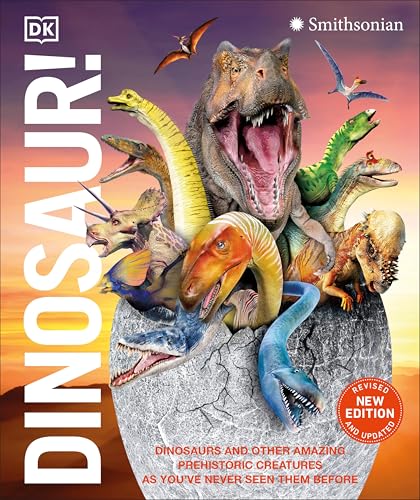
1. A Detailed Book About Their Favorite Subject
If a child already spends hours learning about a particular topic, give them somewhere deeper to go.
That might mean:
- a dinosaur encyclopedia
- detailed train book
- animal atlas
- space reference book
- rock and mineral guide
- map collection
- weather book
- illustrated book about machines
Do not automatically choose by chronological age alone.
Look at the child’s interest level and reading needs. A child who knows the names of dozens of prehistoric animals may find a very basic dinosaur picture book boring even if the age recommendation appears appropriate.
Best for: children who enjoy facts, details, collections, or repeated reading.
Simpler alternative: borrow several related books from the library and gift one favorite afterward.
2. Figurines or Collectibles Connected to a Favorite Interest
For a child who loves animals, characters, vehicles, dinosaurs, or another collectible category, adding to an existing set may be much more exciting than introducing something unrelated.
Figurines can be:
- arranged
- categorized
- displayed
- incorporated into stories
- combined with building toys
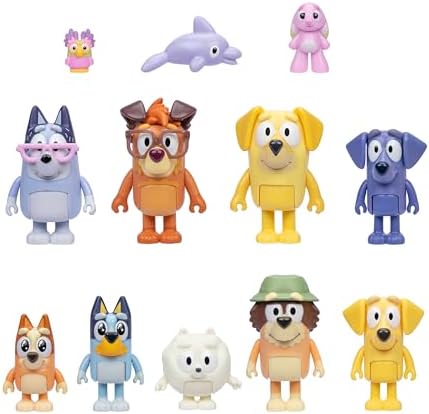
- For Little Hands: Each of these Bluey toys for toddlers is just the right size for preschoolers to hold & move with ease…
- Ultimate Bluey Collection: This 11-piece Bluey figures set brings your child’s favorite characters to life, including Bl…
- Includes Exclusive Figures: Features two exclusive toy figures and playsets you won’t find anywhere else, Joff and Pom P…
Check age and small-parts guidance carefully.
Best for: collectors and children who return repeatedly to a specific theme.
3. A Building Set Based on Their Favorite Topic
Building toys become especially appealing when the theme itself matters.
Think:
spacecraft for a space-loving child.
A train station for a train enthusiast.
Animals and habitats for a wildlife lover.
A recognizable game or movie world for a child who loves that franchise.
Some children will want to follow the instructions exactly. Others will immediately dismantle the finished build and create something different.
Both approaches count as play.
For more building-based ideas, Eveyou’s Building Emotional Resilience Brick by Brick article explores play in home and helping-professional settings.

- 110PCS All-in-One Wooden Train Set Perfect for Family & Party Time: This 110-piece set comes with wooden train tracks, s…
- Puzzles & Fishing: A new addition in the train set – puzzles, allows kids to leverage their intelligence to “build” a fi…
- Use Blocks To Create Your Own Town: Hot themes to play: hospital, fire station, police station, school and heliport. Ric…
4. A Display or Storage System for Their Collection
This may sound suspiciously like organization disguised as a present.
But when the storage is for something a child genuinely treasures, it can feel very different.
Consider:
- figure display shelves
- trading-card binders
- rock specimen boxes
- small drawer organizers
- display cases
- book shelving
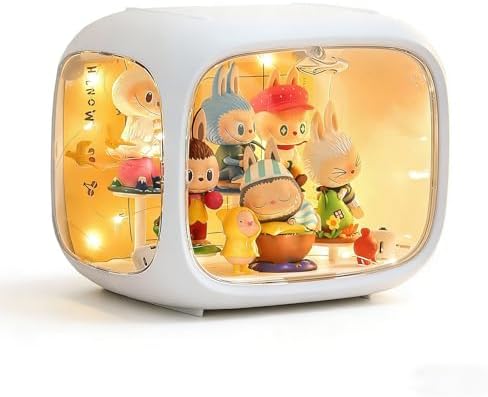
- Abs
- ✅ BRIGHT LED LIGHT – Adjustable light bar illuminates your collectibles perfectly, day or night. Battery-powered for eas…
- ✅ PERFECT SIZE – 9.5 × 6 × 7.5 inches. Fits most standard Lego figures, Pop Mart blind boxes, action figures, and small …
The goal is not to make the child more organized.
It is to give an important collection a place where it can be enjoyed.
Best for: children who love collecting, sorting, arranging, or displaying.
5. An Experience Connected to Their Favorite Interest
Not every Christmas gift needs to fit inside wrapping paper.
Depending on the child, consider:
- science museum
- railway museum
- aquarium
- zoo
- planetarium
- nature center
- vehicle show
- favorite movie
- craft workshop
- bookstore trip
If uncertainty makes outings difficult, preview the experience rather than presenting it as a completely mysterious surprise.
Gifts for Predictable and Repeatable Play
6. A Puzzle in a Favorite Theme
A puzzle offers a clear beginning, process, and finished result.
For a child who enjoys repeating familiar activities, the same puzzle may be completed many times—and that is perfectly fine.
Choose difficulty carefully.
Consider:
- number of pieces
- size of pieces
- image complexity
- favorite theme
- whether the child enjoys doing puzzles alone or with someone

- 【100 Piece Puzzles for Kids】Our 4-Pack Kids Puzzles Set includes four cool themes: Solar System, Dinosaur World, Jungle …
- 【Exceptional Workmanship】Our jigsaw puzzles for kids are made of thickened cardboard. The pieces fit flawlessly by preci…
- 【Kids Jigsaw Puzzles】Our kids puzzles ages 4-6 are designed for young minds to improve memory and stimulate imagination….
Skip it if: puzzles consistently cause frustration.
7. LEGO or Open-Ended Building Bricks
A good brick collection can support many different play styles.
A child can:
- follow instructions
- sort pieces
- recreate the same design
- invent new structures
- build worlds around a favorite interest

- 3 vehicle toy sets in 1 box – Boys and girls ages 7+ can build and rebuild 3 different sets using the same bricks with t…
- Endless play possibilities – Kids can play out action and races with 3 different vehicle sets: a truck toy and helicopte…
- Moving vehicle toys – Each model has movable features, including the wheels on the toy cars, the propellers on the plane…
If they already have a large collection, consider adding a specific set or useful storage rather than buying another enormous mixed box.
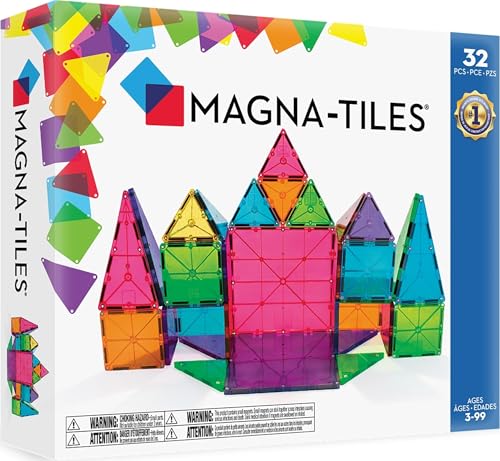
8. Magnetic Construction Tiles
Magnetic tiles can be especially appealing when a child enjoys visual patterns, structures, color, or fast construction.
They allow the child to begin building with very little setup.
Before buying, check:
- manufacturer age guidance
- product condition and construction quality
- how pieces are stored
- whether younger siblings have access
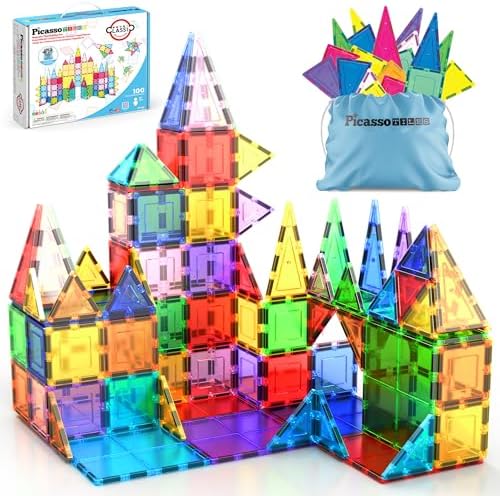
- DREAM BIG & BUILD BIG – No limitations, scalable to build as big as desired by adding more pieces to create the master p…
- LEARNING BY PLAYING – Never too early to start developing kids creativity. Children can acquire strong sense of color, g…
- BONDING BY PLAYING – Entertaining for single or multiple parties and feel the sense of achievement together. Suitable fo…
Small magnets can be hazardous if swallowed, so follow product safety guidance closely.
9. A Marble Run
Marble runs combine repetition with experimentation.
A child can build the same route repeatedly or change one piece at a time to see what happens.
Choose a set whose complexity matches the child’s preferences.
A giant set is not automatically better.
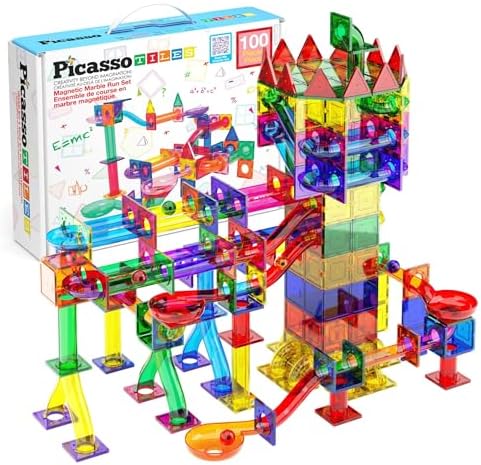
- STEM LEARNING MADE FUN: This 100-piece picasso tiles marble run turns playtime into hands-on STEM exploration, building …
- SAFE, DURABLE DESIGN: Made from BPA-free, non-toxic, lead-free materials, this magnetic marble run set is CPC certified …
- COMPATIBLE, EXPANDABLE PLAY: These picasso magnetic tiles feature standard sizing compatible with other PicassoTiles set…
Best for: children who enjoy movement patterns, construction, cause-and-effect play, or repeating experiments.
10. A Sorting, Matching, or Arrangement-Based Activity
Some children genuinely enjoy putting things into categories, creating patterns, matching details, or arranging objects.
Gift ideas might include:
- pattern blocks
- mosaic sets
- matching games
- sorting collections
- peg designs
- sticker mosaics
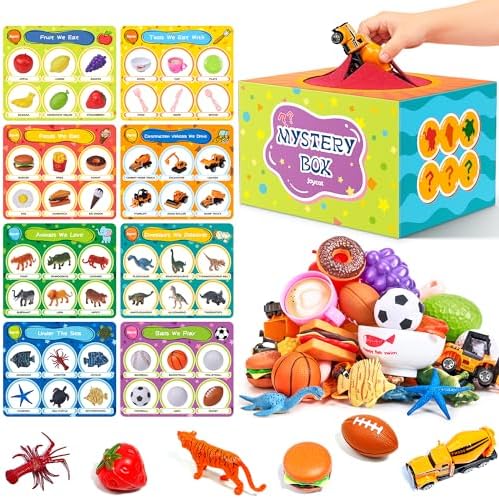
- Sensory Sorting Toy for Early Learning: Designed as a hands-on sensory sorting toy, this play set helps toddlers explore…
- Supports Speech & Language Development Through Play: Sorting, naming, and matching the objects encourage toddlers to pra…
- Ideal for Preschool & At-Home Learning: With 8 double-sided activity mats, children can follow visual prompts to classif…
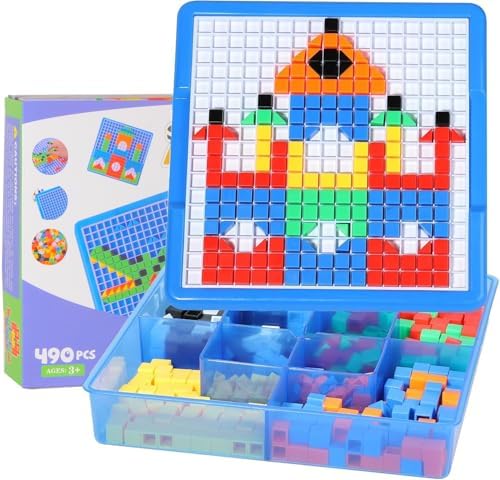
- 【Mosaic jigsaw puzzle set】Mosaic jigsaw puzzle set contains 490 Pcs blocks of various colors and shapes,1 storage box, a…
- 【Learning while Playing】Educational toy comes with an idea booklet for many patterns, kids can also create their own. ST…
- 【Develop Cognition】:Challenge their minds and imagination with our educational Mosaic Puzzle set for kids. This will cha…
The important distinction is that this should be something the child enjoys, not an activity adults are assigning because it looks educational.
Sensory-Aware Christmas Gifts


Sensory and Comfort Gifts That Respect Preferences
11. Sensory Putty or a Preferred Tactile Material
Putty can be a lovely small gift for a child who already seeks out squishing, stretching, rolling, or tactile play.
But texture matters enormously.
Consider:
- stickiness
- firmness
- scent
- residue
- temperature
- included small pieces
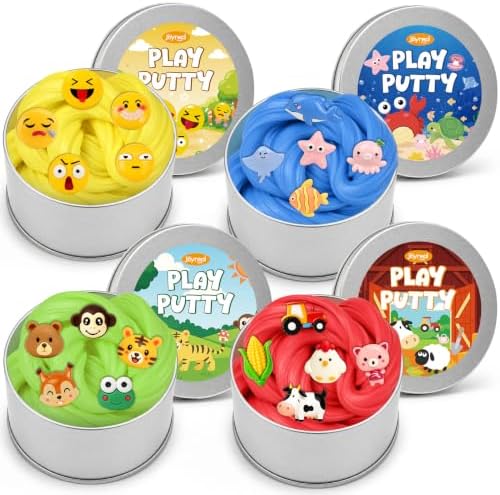
- [Therapy Putty for Kids] Explore four fun themes in one set—Farm, Forset, Emotions, and Ocean. Each tin includes themed …
- [Support Hand Exercise & Recovery] Designed as a playful therapy putty activity for kids, this set can be used for hand …
- [Fun“Find It”Sensory Play] Each tin is filled with cute themed charms for kids to squeeze, dig, and search, adding an ex…
Do not assume putty will feel soothing.
Best for: children who have already shown that they enjoy this type of tactile material.
Skip it if: sticky or resistant textures are disliked.
12. One Familiar Type of Fidget
You do not need a 30-piece “autism sensory kit.”
If the child already loves a particular kind of fidget, upgrading or replacing it may make far more sense.
Possibilities include:
- smooth turning objects
- quiet squeezable items
- twistable fidgets
- tactile rings
- small hand manipulatives

- 【Transformable Finger Gyros】4 colors (red yellow blue purple) finger spinners included,crafted from eco-friendly ABS pla…
- 【Cool Fidget Spinners】 Each of fingertip gyro has a a high speed bearing in the center to ensure the smoothest rotation …
- 【Stress Relief Toys】These fidget spinners can effectively reduce stress, anxiety and can increase focus and attention by…
Choose based on what the child actually reaches for.
13. A Blanket in a Texture They Love
This is one gift where texture matters more than appearance.
Some children love:
- fleece
- sherpa
- smooth cotton
- knitted texture
Others cannot tolerate one or more of those materials.
If you already know what blanket the child repeatedly chooses at home, use that information.
A familiar-feeling blanket may make a better gift than a novelty product marketed specifically for sensory needs.

- Wearable Blanket: The Minky Couture Huggable Dino is a snuggle blanket in a child-friendly size designed for everyday us…
- Extra Plush Fabric: Crafted with soft material and a stretchable design, this plush cuddle blanket delivers a smooth, lu…
- Durable Cozy Companion: Built for versatile use, this warm huggable blanket maintains its softness wash after wash, offe…
14. Noise-Reducing Headphones or Ear Protection
If the child already uses hearing protection in loud environments, a comfortable, well-fitting pair can be an excellent practical gift.
Consider:
- fit
- age sizing
- pressure around the head
- portability
- how much sound reduction the child prefers
This is not something I would introduce simply because a child is autistic.
It makes sense when the child already finds certain environments uncomfortably loud or has shown that hearing protection is useful to them.

- Foam
- Made in the USA or Imported
- 🦊【Outstanding Noise Cancelling Performance】The Kids Noise Cancelling Sensory Earmuffs boast an exceptional SNR (Signal-t…
15. A Small Movement Gift They Already Enjoy
Sensory preferences can involve movement as well as touch, light, and sound.
If a child actively enjoys movement, consider something like:
- stepping stones
- a simple balance toy
- jump rope
- outdoor movement equipment
- age-appropriate riding toy
This should be based on demonstrated enjoyment, available space, and safety—not a stereotype that autistic children universally need more movement.
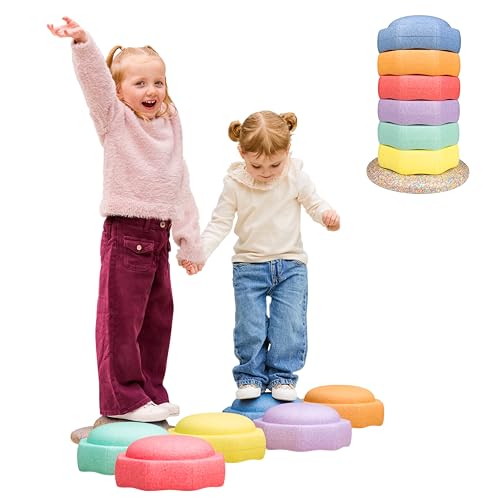
- MONTESSORI-INSPIRED PLAY FOR CHILDREN: Nuby’s Step Pebbles are inspired by the tenets of Montessori-inspired interactive…
- ENGAGES IMAGINATION AND MOTOR SKILLS: Helps little ones’ cognitive development and fine motor skills using movements tha…
- SAFE FOR YOUR HOME: Made of durable EPP foam; Material is lightweight, soft, and safe for furniture and your family
Creative Gifts Without One Correct Outcome


Creative Gifts for Self-Expression
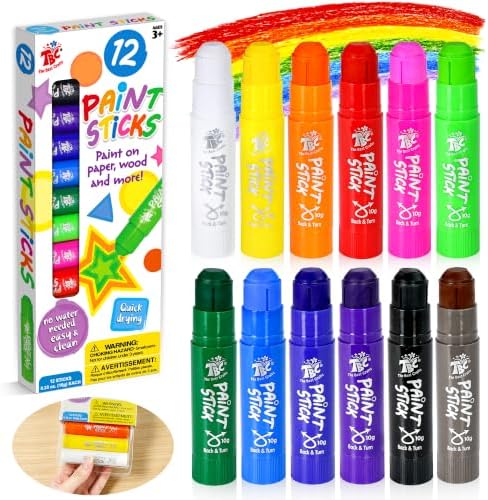
16. A Quality Art Set
Art supplies allow a child to decide what happens next.
Instead of buying the biggest set, choose materials they already enjoy:
- markers
- colored pencils
- watercolor
- paint
- sketching supplies
- stamps
- collage materials
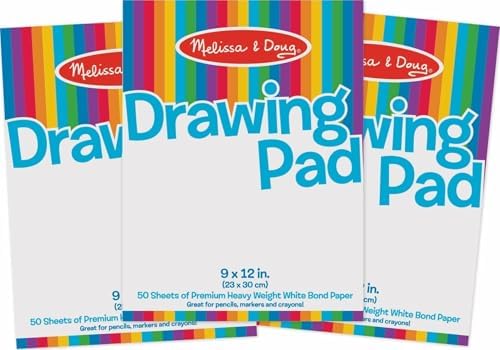
Pairing a smaller set with a good sketchbook often creates a more usable gift than a huge case filled with unfamiliar tools.
Best for: children who draw repeatedly without being prompted.
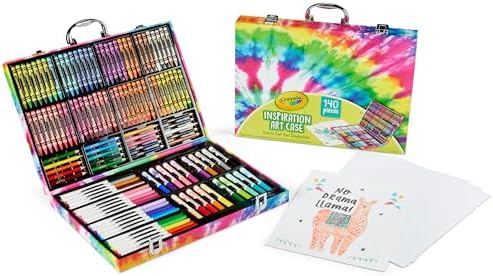
- CRAYOLA KIDS ART KIT: This 140-piece drawing kit includes 1 Crayola Inspiration Art Case, 40 Washable Markers, 20 Short …
- PORTABLE ART STUDIO: The compact and durable tie-dye art case lets kids take their art supplies wherever they go. The st…
- VERSATILE ART SUPPLIES: These safe and nontoxic art supplies are ideal for art class, creative projects at home, or holi…
17. Modeling Clay
Clay supports repetitive tactile play, sculpture, pretend worlds, detailed miniatures, or complete improvisation.
A child can make the same object repeatedly or change direction halfway through.
Choose reusable modeling clay or air-dry clay depending on what they prefer.
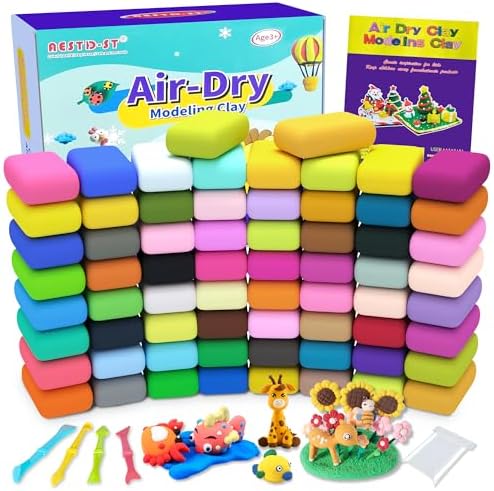
- Multicolor & More Fun: The air dry clay set contains 66 colors,with 1 instruction booklet, 4 sculpting tools and extra z…
- Diy Gifts for Kids: Our air dry modeling clay is easy to shape, non-stick, soft and brightly colored to stimulate childr…
- Boost Creativity & Imagination:Our air dried modeling clay comes in 66 vibrant colors to enhance children’s color recogn…
18. A Beginner Camera
A camera can extend almost any strong interest.
A child interested in:
trains can photograph trains.
Insects can become a nature-photo project.
A fascination with buildings can become an architecture collection.
A child who loves family events can document Christmas itself.
For some children, a straightforward camera may be more appealing than a toy covered in games and sound effects.
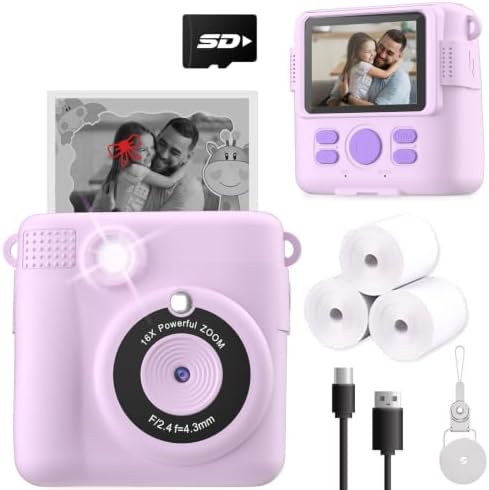
- Funny Instant Print Camera : This kids digital camera with an instant printing function can have a black and white paper…
- Multifunctional Kids Digital Camera :This mini camera with instant print,2.4 inch large screen,1080P video,16X the digit…
- Safe Print Paper : Kids instant camera materials are safe, use high -quality soft plastic and advanced thermal printing …
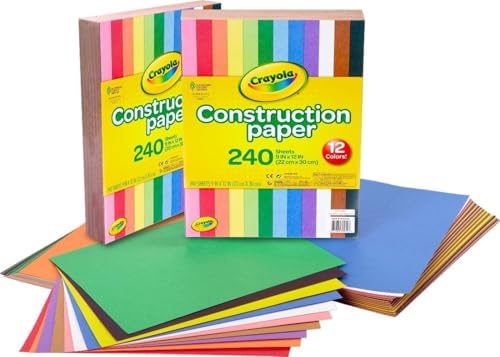
19. Open-Ended Craft Materials
Rather than a kit where the finished craft must look exactly like the picture, try a collection that supports experimentation.
For example:
- paper
- stickers
- yarn
- glue
- markers
- craft sticks
- tape
- beads
- cardboard pieces
Keep the assortment manageable.
More choice is not always better.

- 【Fun kids Activities】:This wood slice painting kit is designed to ignite creativity and provide hours of fun-filled acti…
- 【High-Quality Kit】:Our wood slices are made of natural wood, they are cut, dried, polished and sanded for a smooth surfa…
- 【Everything You Needed】:Crafted with care, this kit includes all the necessary art supplies to get started right away.Fr…
20. A Music-Making Gift
For a child who already enjoys music, consider:
- simple keyboard
- percussion instrument
- beginner instrument
- music software appropriate to age
- headphones
- music player
Sound sensitivity varies, so this category obviously will not suit everyone.
Best for: a child who already actively seeks out music.

- EASY TO PLAY: Dylan’s Dream Drum features a simple low-to-high, 1–8 note layout. Included color-coded stickers match the…
Gifts for Shared Play Without Forcing Social Interaction
Gifts for Connection and Shared Time
21. A Familiar Cooperative Game
A cooperative game can create an opportunity to play together without requiring one person to win.
But do not assume cooperative automatically means easier.
Check:
- number of rules
- playing time
- turn length
- level of unpredictability
- whether the child actually enjoys games
Best for: families where games are already a successful shared activity.

- Winner of four awards including Oppenheim Toy Portfolio Platinum Award and Dr.Toy 10 Best Educational Toys Award
22. A Two-Person Building Project
Choose something the child can work on alongside a parent, sibling, grandparent, or friend.
For example:
- construction set
- model
- large puzzle
- marble run
- miniature building project
The goal is not to force interaction.
One person may build one section while the other works nearby.
Connection can happen without constant conversation.

- ✱Fun & educational preschool toys : Sensory toys for 3 – 5 6 – 8 years old boys and girls,the imaginative kindergarten t…
- ✱600pcs straws STEM building toy : Upgraded accessories in 2026 colorful straw connectors toys. adding wheels and multi-…
- ✱Stem bins toy with storage box: This straw building block with storage box is most suitable for outdoor or indoor multi…
23. A Baking or Cooking Gift Based on Something They Like
If the child enjoys food preparation, put together a simple gift around an already-loved recipe.
That could include:
- apron
- measuring tools
- cookie cutters
- decorating supplies
- recipe book
Consider food preferences and sensory sensitivities rather than choosing a complicated “kids cooking kit” simply because it looks festive.

- The Ultimate Premium Christmas & Birthday Gift for Kids– Tovla Jr. kids real cooking and baking gift set includes apron,…
- Complete Kids Cooking Set with Real Tools – Montessori-inspired kitchen kit features kid-safe knives, apron, timer, whis…
- Educational & Montessori-Inspired Learning – Visual recipe cookbook plus color-coded measuring cups and spoons teach fra…
24. A Shared Experience With a Clear Plan
Experiences can make wonderful gifts when the child enjoys the destination.
But “SURPRISE! Everyone get in the car!” does not need to be part of the experience.
You can show:
- where you are going
- pictures of the venue
- who is coming
- how long you expect to stay
- what will happen first
and still make the outing special.
25. A Choose-Together Gift
Sometimes the most thoughtful gift is letting the child participate.
Try:
“Would you rather have the train set or the train book?”
or:
“I want to get you something for your rock collection. Do you want a display box or a new guide?”
For older children, a gift card tied to a favorite interest can work beautifully.
Choosing together does not make the present less meaningful.
It may make it much more likely that the gift is genuinely wanted.
What Not to Assume When Buying Christmas Gifts for Autistic Kids
One of the easiest ways to improve gift shopping is to stop assuming that autism predicts preferences.
Common Gift Assumptions to Avoid
Not Every Autistic Child Likes Fidgets
Some love them.
Some ignore them.
Some actively dislike them.
Not Every Autistic Child Likes Weighted or Heavy Products
I would not buy weighted products simply because they appear on autism gift lists.
Sensory preferences are individual, and specialized products deserve more thought than an ordinary toy purchase.
Not Every Autistic Child Dislikes Noise
Some children seek music, sound effects, or noisy play.
Others find particular sounds intensely uncomfortable.
Watch the child rather than the stereotype.
Not Every Autistic Child Wants Quiet Independent Play
Some autistic children love active games, siblings, group activities, or being in the middle of family life.
Others prefer more independent play.
Neither preference can be predicted from the diagnosis alone.
Not Every Autistic Child Wants Social-Skills Toys
Christmas does not need to become a professional-development session.
A child is allowed to receive something purely because it is fun.
Not Every Product Labeled “Autism Toy” Is Useful
Turn the box around.
Ignore the marketing words.
Ask:
What does this toy actually do, and does this child enjoy that kind of activity?
That is a much better buying test.
Should You Keep an Autistic Child’s Christmas Gift a Surprise?
For some children, absolutely.
They love anticipation and surprise.
For others, uncertainty may be much harder.
Difficulty with changes and transitions can be part of autism for some people, though it does not apply in the same way to every autistic child.
If you already know that uncertainty creates distress, consider adjusting the tradition.
You could:
- show a photograph of the gift
- let the child choose between two options
- tell them the category but not the exact item
- shop together
- wrap something they already selected
- explain how Christmas morning will work
A present does not become less loving because the recipient knows what is inside.
Sometimes predictability is part of what makes the experience enjoyable.
What About Age Recommendations?
There are really two separate questions.
What is the child interested in?
and:
What is safe for the child to use?
Those are not the same thing.
There is no need to reject a favorite character, collection, puzzle style, or play activity simply because adults think the interest belongs to another age group.
But manufacturer age and safety guidance still matters.
The U.S. Consumer Product Safety Commission recommends choosing toys that match a child’s interests and abilities while following age and safety information on packaging. Small parts, magnets, batteries, riding equipment, and other hazards deserve particular attention.
So:
Follow safety age guidance.
Do not use a generic gift guide to decide what a child is socially “too old” to enjoy.
How to Choose Between Two Good Gift Ideas
If you have narrowed your options down, use this quick comparison.
Choose the Gift With Less Setup If…
The child wants to begin immediately and tends to abandon activities that require lengthy preparation.
Choose the More Repeatable Gift If…
They love returning to familiar activities over and over.
Choose the Interest-Based Gift If…
They have a strong current fascination and you know the product fits it.
This is usually one of the safest bets.
Choose the Sensory Gift If…
You already know they seek that specific sensation.
Not because the product page says “autism.”
Choose the Shared Gift If…
The child regularly enjoys doing that activity with another person.
Choose Together If…
Both options are expensive, highly specific, sensory-heavy, or simply difficult to predict.
Christmas Morning Can Be Adapted Too
Sometimes adults put enormous effort into finding the right gift while overlooking the sensory and predictability demands of Christmas morning itself.
Depending on the child, it may help to consider:
- opening gifts more slowly
- reducing background television or music
- keeping familiar foods available
- allowing breaks
- leaving some gifts wrapped until later
- explaining who will visit
- letting the child play with one gift before moving on
- keeping a familiar part of the morning routine
This is not an autism-specific Christmas rule.
It is simply permission to build the celebration around the family you actually have.
If your family enjoys gentle daily rituals in December, Eveyou’s Mindful Advent Calendar can also provide a quieter seasonal activity option.
Shop Christmas Gifts for Autistic Kids by Preference
Use this section as a quick shortlist, then confirm the child’s interests, sensory preferences, age guidance, and the space available at home before buying.
Deep current interest: detailed book, collectible, themed building set, related experience.
Loves repeating familiar activities: puzzle, building bricks, marble run, sorting activity.
Enjoys tactile play: preferred putty, clay, familiar fidget.
Sensitive to loud environments: appropriate hearing protection if already useful.
Enjoys movement: stepping stones, balance toy, outdoor activity.
Creative: art set, clay, craft materials, camera.
Loves music: age-appropriate music-making gift.
Enjoys shared activities: cooperative game, building project, baking activity.
Does not like surprises: choose the gift together.
Gifts I Would Be Careful About Buying Without Knowing the Child Well
Some products require more information than an ordinary book or building set.
Be cautious with:
- weighted products
- highly scented sensory products
- very loud electronic toys
- flashing-light toys
- large movement equipment
- complicated therapy-style tools
- products requiring permanent installation
- expensive communication or specialist equipment
- products marketed as treating autism
These may be useful in specific situations, but they are poor generic Christmas recommendations.
A Note About Safety
Ordinary toy-safety principles still apply.
Check manufacturer guidance for:
- age
- small parts
- magnets
- button or coin batteries
- weight limits
- charging
- riding equipment
- required supervision
The CPSC specifically recommends choosing toys according to a child’s interests and abilities while also following age labeling and safety warnings; it also recommends properly fitted helmets and other safety equipment for scooters and riding toys.
If younger siblings live in the home, consider whether pieces from an older child’s gift could become accessible to them.
Related Christmas Gift Guides
If you are comparing ideas for more than one child, these guides offer additional interest-led and practical options:
- Christmas gifts for kids with big feelings
- Christmas gifts for kids with ADHD
- Christmas gifts for anxious kids
- Christmas counseling activities for kids
Final Thoughts
The best Christmas gifts for autistic kids are rarely found by searching for the most therapeutic-looking product.
They come from knowing the child.
Maybe that means another train.
Not a different educational toy because adults think they already have enough trains.
Maybe it means a detailed book about weather because they have read every beginner weather book you can find.
Maybe it is a camera, a box for a rock collection, a new building set, a particular texture of blanket, or tickets to somewhere connected to an interest they have loved for years.
Maybe the child wants to know exactly what they are getting.
That is okay too.
A thoughtful Christmas gift does not need to challenge an interest, increase social interaction, change sensory preferences, or look therapeutic.
It simply needs to say:
“I noticed what matters to you.”
So when you are choosing between a product labeled “for autism” and something connected to what the child actually loves, start with the child.
Their interests.
Their sensory preferences.
Their style of play.
Their comfort with surprise.
Their definition of fun.
Those details will tell you far more about the right Christmas gift than a diagnosis ever could.

About the Author
Hi, I’m Eve, a former school counselor with a master’s degree in School Psychology and a passionate advocate for children and families navigating sensory challenges. As a mom of children with sensory sensitivities, I deeply understand the journey special-needs parents face, and I dedicate myself to researching and sharing practical solutions to help children thrive and feel comfortable in their bodies. My goal is also to empower counselors, therapists, and psychologists with creative strategies and supportive resources to enrich their everyday practice. When I’m not writing or exploring new therapeutic approaches, you’ll find me spending quality time with my family and continually seeking inspiration from everyday moments.

