
Fall workwear for counselors needs to do more than look polished. A typical day may include walking long hallways, sitting beside a student, leading a group, meeting with parents, completing documentation, and moving between rooms with completely different temperatures.
The most useful fall outfits combine comfortable movement, adjustable layers, practical footwear, and enough structure to suit your workplace. The ideas below are designed as flexible formulas rather than strict rules. Adapt them to your dress code, body, sensory preferences, climate, professional setting, and personal style.
Affiliate disclosure: This post contains affiliate links. If you purchase through them, I may earn a small commission at no extra cost to you. As an Amazon Associate, Eveyou earns from qualifying purchases.
Quick Fall Outfit Guide for Counselors
| If your day includes… | Prioritize… | Useful outfit starting point |
|---|---|---|
| Classroom visits and hallway duty | Layers, pockets, supportive shoes | Ponte pants + knit top + cardigan |
| Floor-based work with children | Coverage, stretch, tops that stay in place | Straight-leg pants + long knit top |
| Parent or staff meetings | Soft structure and simple layers | Trousers + knit shell + relaxed blazer |
| Private-practice sessions | Polished comfort and temperature control | Midi dress + cardigan + loafers |
| A casual dress code | Washable pieces and easy movement | Dark jeans + elevated tee + jacket |
| A cold commute and warm office | Removable outer and indoor layers | Fine knit + trousers + coat + indoor shoes |
Before building an outfit, check your employer’s dress, footwear, identification, and safety requirements. Expectations can differ significantly between schools, hospitals, community clinics, and private practices.
1. Ponte Pants, Fine-Knit Sweater, and Loafers

Best for: School counseling, documentation days, and staff meetings
Start with straight-leg or gently tapered ponte pants, then add a fine-knit sweater and cushioned loafers. A longer cardigan or relaxed blazer can make the same outfit work in a more formal meeting.
Ponte offers the appearance of a structured trouser with more flexibility than rigid suiting. Check that the waistband remains comfortable while seated and that the sweater stays in place when you bend or reach.
Practical adjustment: Choose a washable knit and keep a second lightweight layer in your office for temperature changes.
Alternative: Replace loafers with neutral sneakers if your workplace permits them.
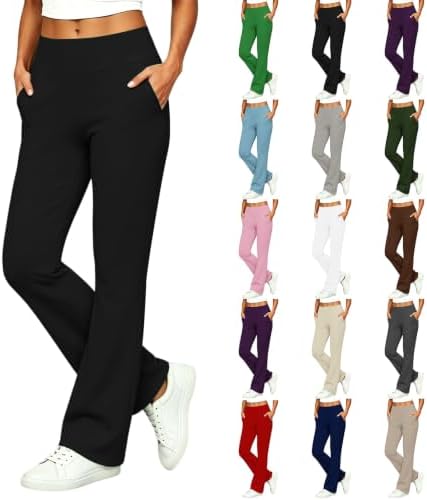
Ponte work pants can be a useful starting point when you want trouser structure with more flexibility.


2. Midi Dress, Long Cardigan, and Ankle Boots

Best for: Private practice, parent meetings, and days with limited floor work
A soft midi dress paired with a long cardigan creates an easy fall outfit that still looks intentional. Flat or low-heel ankle boots add warmth without requiring a highly formal shoe.
Look for a dress that allows comfortable sitting and walking without needing frequent adjustment. If you work with young children, test the outfit at home by sitting, bending, and reaching before wearing it to work.
Practical adjustment: Add opaque tights or leggings when appropriate for your workplace and climate.
Alternative: Choose a knit column skirt and matching top if you prefer separates.
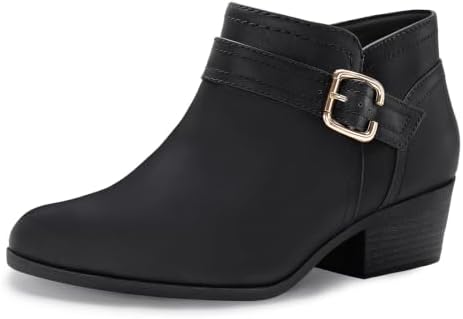
Low-heel ankle boots can complete several fall formulas, but always compare them with your workplace footwear requirements.


3. Wide-Leg Trousers, Knit Shell, and Soft Blazer

Best for: Workshops, supervision, presentations, and administrative days
Pair fluid wide-leg trousers with a simple knit shell and an unstructured blazer. The outfit has a professional silhouette without relying on stiff fabric or a tightly fitted jacket.
Make sure the trouser hem clears the floor and does not catch under your shoes when using stairs. A blazer with stretch through the shoulders is easier to wear through a full day of typing, writing, and movement.
Practical adjustment: Keep the colors within one tonal family—such as olive, cream, and camel—to simplify coordination.
Alternative: Swap the blazer for a structured cardigan in a more casual counseling environment.
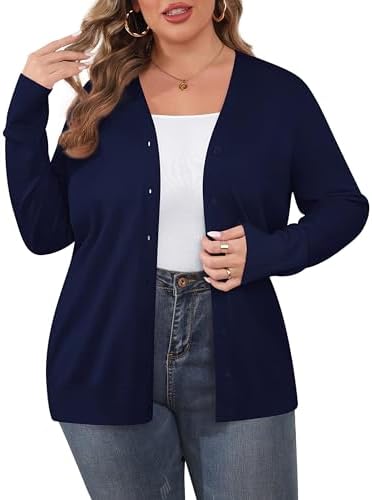
A structured work cardigan can provide an adjustable layer without the stiffness of traditional suiting.


4. Dark Jeans, Elevated Tee, and Structured Cardigan

Best for: Casual Fridays, community programs, and relaxed school dress codes
When jeans are permitted, choose a comfortable dark wash without heavy distressing. Add a substantial cotton tee or knit top and a cardigan with a clean edge, collar, or jacket-like shape.
The polished layer keeps the outfit from feeling like weekend clothing, while the jeans remain practical for movement and frequent washing.
Dress-code note: Denim policies vary. Check your workplace expectations rather than assuming jeans or sneakers are acceptable.
Alternative: Use navy or charcoal chinos for a similar look without denim.
5. Straight-Leg Pants, Long Tunic Knit, and Slip-On Shoes

Best for: Play-based sessions and floor-level work
Combine flexible straight-leg pants with a long knit top that stays securely in place when you sit, kneel, or reach. Finish with supportive slip-on shoes or simple indoor sneakers if allowed.
Avoid tops with loose ties, trailing scarves, or wide sleeves when working around floor materials and active children. Clothing should let you participate without repeatedly pulling, tucking, or adjusting it.
Practical adjustment: Look for useful pockets that close securely enough to hold keys or a small notepad.
Alternative: Try a longline button-front shirt over a fitted knit top.
6. Corduroy Trousers, Cotton Blouse, and Cropped Cardigan

Best for: Everyday school or office counseling
Fine-wale corduroy trousers bring visible fall texture without requiring a heavy sweater. Pair them with a washable cotton blouse and a cropped cardigan that meets the waistband.
Choose a corduroy weight that suits the building temperature. Heavy fabric may feel cozy during a commute but become uncomfortable in an overheated office.
Practical adjustment: Rust, olive, navy, burgundy, and warm brown all pair easily with cream or pale blue.
Alternative: Replace corduroy with brushed cotton or twill if textured fabric feels uncomfortable.
7. Jersey Wrap-Style Dress, Tights, and Loafers
Best for: Private practice and professional meetings
A jersey wrap-style dress offers a polished shape with flexible fabric. Choose a secure neckline and a skirt length that works when seated. Pair it with tights and loafers or low boots.
True wrap dresses can shift throughout the day, so a faux-wrap design, discreet snap, or camisole may feel more secure. Always test movement and coverage in the positions your work requires.
Practical adjustment: Add a neutral cardigan that can be removed when the room warms up.
Alternative: A jersey shirt dress can offer a similar balance of structure and movement.
8. Sweater Skirt, Tucked Knit Top, and Flats
Best for: Office-based work and days without frequent floor sitting
Pair a softly structured midi sweater skirt with a lightweight knit top. A partial tuck or coordinated tonal colors can define the outfit without a restrictive belt.
Check that the skirt allows a comfortable walking stride and does not become transparent under strong lighting. A slip or tights may add coverage if appropriate.
Practical adjustment: Keep jewelry simple if you wear an ID badge or lanyard.
Alternative: Choose knit trousers in the same color palette for greater mobility.
9. Monochrome Olive Layers

Best for: Busy mornings and capsule wardrobes
Combine olive trousers, a sage or deep-green knit, and a cardigan or jacket in a nearby tone. Using one color family reduces matching decisions while still creating a visually intentional outfit.
Monochrome does not require identical shades. Mixing light, medium, and dark versions of one color adds depth without introducing a busy pattern.
Practical adjustment: Add cream, camel, or brown shoes and a simple bag.
Alternative: Try the same formula in navy, burgundy, charcoal, or warm brown.
10. Plaid Trousers, Cream Sweater, and Low Boots

Best for: Professional school settings and seasonal office wear
Choose subtle plaid trousers and keep the rest of the outfit simple with a cream sweater and low ankle boots. Small-scale patterns are usually easier to combine with existing capsule pieces than bold seasonal prints.
Check pattern alignment, fabric care requirements, and whether the trousers feel comfortable through a full seated workday.
Practical adjustment: Use a machine-washable knit when the trousers require more careful laundering.
Alternative: Wear solid trousers with a plaid scarf or overshirt if you prefer pattern away from the lower body.
11. Comfortable Jumpsuit and Layered Cardigan
Best for: Creative workplaces, workshops, and community-based roles
A softly tailored jumpsuit can replace the usual blouse-and-trouser combination. Add a cardigan or relaxed jacket to adjust the formality and temperature.
The most important consideration is practicality: test the closures, restroom access, torso length, neckline, and ease of sitting. A jumpsuit that looks good while standing may not remain comfortable during a long session.
Practical adjustment: Choose a style with secure pockets and a washable fabric.
Alternative: Create a similar effect with matching trousers and a top in the same color.
12. Utility Pants, Soft Sweater, and Supportive Sneakers
Best for: High-movement school days, classroom visits, and community programs
Pair clean, softly structured utility pants with a simple sweater and supportive sneakers if your dress code allows. The pockets can be useful, but avoid filling them with objects that become bulky or distracting when you sit.
Choose utility details that look intentional rather than overly casual: a straight silhouette, muted color, minimal hardware, and a tidy hem.
Practical adjustment: Add a soft blazer or jacket for meetings.
Alternative: Use stretch chinos for a more traditional workplace.
A Practical Fall Capsule Wardrobe

You do not need 12 completely separate outfits. A small set of repeatable pieces can create most of the formulas above.
- Two pairs of comfortable work trousers
- One floor-sitting-friendly pant
- Two fine-knit sweaters
- One washable blouse or knit shell
- One structured cardigan
- One relaxed blazer or jacket
- One midi dress or coordinated set
- One pair of loafers or flats
- One weather-appropriate boot
- One permitted supportive sneaker
Before buying something new, identify what is actually missing. A second comfortable trouser may be more useful than another statement sweater that coordinates with only one outfit.
For a broader year-round foundation, see the professional outfit ideas for therapists style guide.
Choosing Shoes for Counseling Work
Footwear needs depend on the workplace. School counselors may walk between buildings, while hospital or community roles may require closed toes, slip resistance, or easily cleaned materials.
Consider:
- Cushioning and support appropriate for your feet
- A stable sole and secure fit
- Enough toe room for a long workday
- Weather protection during the commute
- Workplace safety and infection-control requirements
- Whether you need a separate pair of indoor shoes
Do not assume that sneakers, open shoes, or indoor footwear are accepted everywhere. Review local policy first.
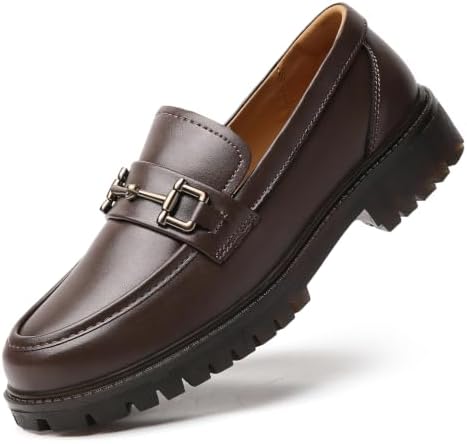
When loafers suit your setting, prioritize a secure fit and support appropriate for your own feet rather than appearance alone.


Fabrics, Layers, and Sensory Comfort
Fall outfits often rely on texture, but wool, stiff seams, tags, tight waistbands, or heavy layers can become distracting. Choose fabrics based on how they feel over several hours—not only how they look in a mirror.
Machine-washable cotton blends, ponte, soft twill, jersey, and fine knits can be practical starting points. Fabric composition alone does not guarantee comfort or durability, so check the care label and try the garment in seated and moving positions.
Layering works best when every layer can function independently. The top underneath a cardigan or blazer should still feel appropriate if the room becomes warm.
Using Fall Colors Without Making Claims About Clients
Burgundy, olive, camel, rust, navy, cream, and warm brown create an autumnal palette and generally coordinate well with one another. Choose them because they suit your wardrobe, workplace, and personal style—not because a particular color can be expected to change a client’s emotional state.
If you want to understand the more nuanced relationship between professional clothing and first impressions, read how therapist clothing may affect client perception.
For a more specific seasonal aesthetic, explore these dark academia outfits for counselors. When temperatures drop further, the winter work dresses for counselors guide offers colder-weather options.
Accessories, Identification, and Safety
Accessories can add personality, but they should work with the practical requirements of your role. Long necklaces, large earrings, loose scarves, and breakable pieces may be unsuitable in some child-facing or medical environments.
Consider simple studs, small hoops, a watch, a short necklace, or one textured scarf when appropriate. If you wear an ID badge, radio, keys, or safety device, make sure every layer accommodates it comfortably and keeps required identification visible.
Frequently Asked Questions
Can counselors wear sneakers to work?
Sometimes. Neutral supportive sneakers may suit schools and community programs, but footwear policies vary. Hospitals, clinics, and formal workplaces may have more specific requirements. Check your employer’s policy.
What should a counselor wear when sitting on the floor?
Choose flexible pants, secure waistbands, tops that stay in place, and necklines that remain comfortable when bending. Test the complete outfit by sitting, kneeling, reaching, and standing before wearing it to work.
How can I stay warm without wearing a bulky outfit?
Use several lighter layers: a breathable base, fine-knit sweater or shell, cardigan or blazer, and weather-appropriate outerwear. This allows you to adjust when indoor temperatures change.
Are dresses practical for school counselors?
They can be, depending on the day’s activities and workplace expectations. Consider length, neckline, fabric stretch, tights or leggings, and how the dress behaves while sitting or bending. Keep a trouser-based alternative for highly active days.
Which fall colors are easiest to mix?
Olive, burgundy, camel, rust, cream, navy, charcoal, and warm brown usually work well together. Start with two neutrals and add one seasonal accent rather than buying an entirely new color palette.
Dressing for the Work You Actually Do
The best fall counselor outfit is not the one that looks most impressive in a photograph. It is the one that supports the actual responsibilities of your day, respects your workplace, and allows you to move without constant adjustment.
Start with one reliable trouser, one comfortable layer, and shoes that suit your setting. Repeat the pieces that work, adapt the formulas to your preferences, and let professionalism include physical comfort as well as appearance.

About the Author
Hi, I’m Eve, a former school counselor with a master’s degree in School Psychology and a passionate advocate for children and families navigating sensory challenges. As a mom of children with sensory sensitivities, I deeply understand the journey special-needs parents face, and I dedicate myself to researching and sharing practical solutions to help children thrive and feel comfortable in their bodies. My goal is also to empower counselors, therapists, and psychologists with creative strategies and supportive resources to enrich their everyday practice. When I’m not writing or exploring new therapeutic approaches, you’ll find me spending quality time with my family and continually seeking inspiration from everyday moments.

