
Professional therapist clothing should make the workday easier, not create another performance standard. The right outfit depends on your setting, dress code, climate, movement needs, personal style, and sensory preferences. A school counselor working on the floor with children needs something different from a clinician presenting at a hospital meeting or a therapist seeing clients through telehealth.
This guide offers realistic professional outfit ideas for therapists, plus repeatable formulas, wardrobe-building priorities, and shopping checks. The goal is a small group of comfortable pieces you can combine confidently—not a prescriptive uniform or the suggestion that clothing determines therapeutic trust.
This post may contain affiliate links. If you make a purchase through these links, I may earn a small commission at no extra cost to you.

Start With Your Setting and Workday
Before choosing colors or trends, list the practical demands of an ordinary day. Consider how often you sit, stand, kneel, travel, appear on camera, carry materials, or move between temperatures. Review any written employer policy, identification requirements, safety rules, and footwear restrictions.
- Movement: Can you sit, reach, walk, and use stairs without adjusting the outfit?
- Coverage: Does the neckline, hem, and waistband remain comfortable in your usual positions?
- Temperature: Can you add or remove a layer?
- Care: Is the fabric realistic for your laundry routine and workplace activities?
- Footwear: Does it match the walking, standing, weather, and floor surfaces you encounter?
- Personal comfort: Are seams, tags, waistbands, and textures tolerable for a full day?
Quick Therapist Outfit Formulas
| Setting | Reliable formula | Prioritize |
|---|---|---|
| Private practice | Soft blazer + knit top + straight trousers + loafers | Comfortable polish and adjustable layers |
| School counseling | Cardigan + washable top + relaxed trousers + flat shoes | Movement, easy care, practical pockets |
| Hospital or clinic | Structured knit + tailored trousers + closed-toe shoes | Employer policy, safety, mobility |
| Play-based work | Long cardigan + tucked knit + flexible trousers + flat footwear | Floor-level movement and washable fabrics |
| Telehealth | Camera-ready top + cardigan or blazer + comfortable bottoms | Framing, lighting, microphone contact |
12 Professional Outfit Ideas for Therapists
1. Soft Blazer With Stretch Trousers
Formula: Unstructured blazer + knit shell or tee + straight stretch trousers + loafers.
Best for: Clinical days, consultations, supervision, and presentations.
Practical check: Raise and cross your arms; the blazer should not pull across the shoulders or restrict writing and reaching.


2. Wrap or A-Line Midi Dress
Formula: Secure wrap or A-line midi dress + cardigan + flats or low boots.
Best for: A one-piece base for meetings and regular sessions.
Practical check: Check neckline, overlap, hem, and opacity while seated and bending; add a camisole or slip if useful.

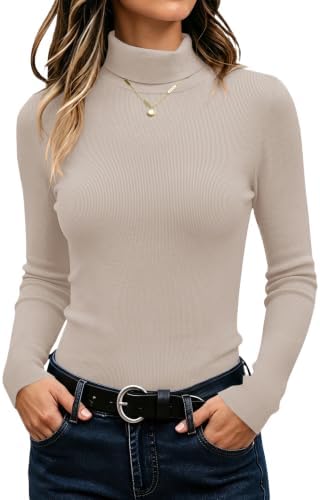
3. Fine-Knit Sweater With Tailored Pants
Formula: Fine-gauge crewneck or mock neck + ankle or full-length trousers + simple belt + loafers.
Best for: A repeatable everyday formula across many workplaces.
Practical check: Choose a neckline and waistband you can tolerate all day and confirm the knit is not sheer.



4. Blouse With Wide-Leg Trousers
Formula: Draped blouse + moderate-width trousers + cropped cardigan or blazer + flat shoes.
Best for: Private practice, office work, and days with more seated sessions.
Practical check: Make sure hems clear the floor and chair wheels; test the blouse for gaping and static.

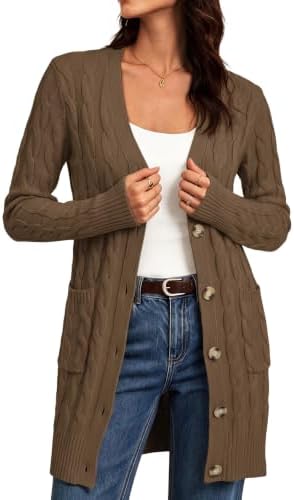
5. Cardigan With a Simple Base
Formula: Long or hip-length cardigan + solid top + straight trousers or midi skirt.
Best for: Variable office temperatures and less formal settings.
Practical check: Avoid sleeves or hems that catch on supplies, wheels, or door handles.



6. Collared Shirt Under a Soft Knit
Formula: Cotton shirt + relaxed sweater or knit vest + trousers + loafers.
Best for: A layered look for schools, campuses, and cooler offices.
Practical check: Check collar and cuff bunching, then sit long enough to test warmth.

7. Monochrome Neutral Outfit
Formula: Top and trousers in related shades + contrasting shoe or scarf.
Best for: Simplifying coordination and repeating basics.
Practical check: Vary texture to add definition; check light fabrics for opacity and dark knits for lint.

8. Midi Skirt With a Tucked Knit
Formula: A-line or softly pleated midi skirt + fitted knit + cardigan + boots or flats.
Best for: Professionals who prefer skirts but still need movement.
Practical check: Test stride, stairs, floor-level work, and the waistband after sitting.

9. Statement Blazer With Quiet Basics
Formula: Colored or textured blazer + plain blouse + neutral trousers + understated shoes.
Best for: Adding personality without rebuilding the wardrobe.
Practical check: Keep the remaining pieces simple and confirm the fabric and color work under workplace lighting.

10. Relaxed Suit Separates
Formula: Softly tailored jacket + coordinating, not necessarily matching, trousers + knit top.
Best for: Professional events, interviews, and days requiring more formality.
Practical check: Buy separates for individual fit and check whether each piece also works alone.


11. Child-Friendly Washable Layers
Formula: Washable top + comfortable trousers + soft cardigan + flat closed-toe shoes.
Best for: School counseling, play-based work, and art or sensory activities.
Practical check: Prioritize easy care, secure accessories, movement, and employer safety rules.

12. Personality Through One Accessory
Formula: Simple outfit + one scarf, brooch, necklace, colorful earring, or printed layer.
Best for: Expressing personal style while keeping the outfit easy to repeat.
Practical check: Avoid noisy, sharp, fragile, or easily grabbed accessories when the setting makes them impractical.


Core Wardrobe Pieces Worth Repeating
A useful therapist wardrobe is built from combinations, not a long list of isolated purchases. Start with the category that currently causes the most difficulty.
- Two or three comfortable trousers in coordinating neutrals
- Several tops that work alone and under layers
- One soft blazer and one cardigan
- One dress or skirt if you genuinely enjoy wearing them
- One dependable indoor shoe and climate-appropriate outdoor footwear
- A coat or outer layer suited to local weather
For a step-by-step system, use the professional capsule wardrobe guide for psychologists and counselors.


How to Add Personality Professionally
Personal style can come from color, texture, shape, jewelry, prints, or shoes. You do not need to assume that therapists must dress in muted colors or soft fabrics to influence a client’s emotional state. Instead, use ordinary professional judgment: follow workplace expectations, avoid distracting or unsafe elements for the task, and choose clothing that lets you focus on the session.
- Repeat a favorite accent color across scarves, tops, or jewelry.
- Use one print with otherwise solid pieces.
- Choose a recognizable silhouette, such as wide-leg trousers or structured cardigans.
- Use meaningful accessories only when they are safe and appropriate for the setting.
- Keep cultural, religious, identity-related, and accessibility needs part of the wardrobe—not exceptions to it.
Shopping Checklist Before You Buy
- Compare body and garment measurements with the current size chart.
- Check fiber content, stretch, lining, opacity, pockets, closures, and care instructions.
- Confirm that the item coordinates with at least three pieces you own.
- Review recent feedback for fit patterns, shrinkage, pilling, and color accuracy while remembering experiences vary.
- Check delivery timing, return terms, and possible return costs.
- Do not rely on product titles alone; listings, materials, prices, and availability can change.


Therapist Outfits by Season
Use this article as the evergreen hub, then move to a seasonal guide when weather changes the practical problem.
- Fall outfit ideas for counselors for light layers and transitional weather
- Cozy winter work outfits for counselors for indoor-outdoor layering
- Winter work dresses for counselors for dress-specific formulas
- Professional winter boots for psychologists for commute and footwear choices
- Spring therapist outfit ideas for lighter layers
- Summer outfit ideas for women therapists for warm-weather workwear
Professional Therapist Outfit FAQ
What should a therapist wear to work?
Wear clothing that meets the setting’s policy, supports the day’s movement and safety needs, and feels comfortable enough that it does not require repeated adjustment. A simple top, trousers, removable layer, and practical shoes is a reliable starting point.
Can therapists wear jeans?
That depends on the employer and setting. If jeans are permitted, choose a clean, intact pair and combine it with an intentional top, cardigan or blazer, and workplace-appropriate shoes.
What should a therapist wear for telehealth?
Choose a top that fits comfortably within the camera frame, does not interfere with the microphone, and remains clear under your lighting. The full outfit should still be comfortable and appropriate if you need to stand.
How many work outfits do I need?
There is no universal number. Plan around the number of workdays, laundry frequency, climate, and how often you repeat pieces. A small coordinated wardrobe can create many more outfits than the item count suggests.
Can therapists wear bold colors or prints?
Yes, when they meet workplace expectations and do not interfere with the practical task. Personal style does not need to disappear; use proportion and repeatability rather than rigid color rules.
Build a Wardrobe Around the Work You Actually Do
The strongest therapist wardrobe is specific to the person wearing it. Begin with one dependable outfit formula, repeat it in pieces you already own, and note what creates friction. Buy only when a new item solves a repeated problem such as temperature changes, movement, footwear, or coordination.
Professionalism comes from appropriate judgment, preparation, conduct, and care—not from owning a particular blazer or dressing in a prescribed aesthetic. Clothing can support the workday, but it does not replace clinical skill or the therapeutic relationship.

About the Author
Hi, I’m Eve, a former school counselor with a master’s degree in School Psychology and a passionate advocate for children and families navigating sensory challenges. As a mom of children with sensory sensitivities, I deeply understand the journey special-needs parents face, and I dedicate myself to researching and sharing practical solutions to help children thrive and feel comfortable in their bodies. My goal is also to empower counselors, therapists, and psychologists with creative strategies and supportive resources to enrich their everyday practice. When I’m not writing or exploring new therapeutic approaches, you’ll find me spending quality time with my family and continually seeking inspiration from everyday moments.


Pingback: The Ultimate Style Guide for Mental Health Professionals: Fashion Tips for Every Setting – EveYou
Pingback: Psychologist Outfit Guide: Professional, Comfortable & Stylish
Pingback: A-Line Dresses for Therapists: Professional & Feminine
Pingback: Spring Outfits for Therapists: 10 Elegant, Comfy Looks