
Why Hygge Belongs in Counseling Spaces
Winter can be a difficult season for many clients. Shorter days, gray skies, and holiday stress often bring extra weight into the counseling room. That’s where hygge comes in.
Hygge (pronounced hoo-gah) is a Danish concept that describes a feeling of coziness, comfort, and contentment. It’s about creating spaces that nurture the soul — places where you can exhale, feel grounded, and experience warmth.
For counselors, bringing hygge into the therapy office isn’t just about pretty decor. It’s about crafting an environment where clients feel safe, welcomed, and cared for during the darkest months of the year.
Here’s how to design a hygge-inspired therapy office this winter that supports both your clients and your own wellbeing.
This article contains affiliate links. If you make a purchase through these links, I may earn a small commission at no extra cost to you. I only recommend products I believe are helpful, high-quality, and a good fit.

1. Soften the Lighting
Harsh overhead lighting can feel cold and clinical. Swap it for warm, layered lighting that creates a softer atmosphere. Think cordless table lamps, floor lamps with linen shades, salt lamps, or even fairy lights woven subtly across a bookshelf.
Therapeutic benefit: Soft lighting calms the nervous system and reduces overstimulation, helping clients feel more at ease.

Why Himalayan Salt Lamps Are a Good Fit
Salt lamps give off a soft, amber glow that naturally warms the room. Unlike bright white bulbs, their gentle color temperature mimics candlelight, which signals safety and comfort to the nervous system.
For clients, this can:
- Reduce overstimulation — the glow is subtle, which is especially helpful for anxious or neurodivergent clients who may be sensitive to bright lights.
- Create grounding focal points — the warm light helps clients feel anchored and present in the room.
- Support relaxation rituals — some therapists use salt lamps in waiting areas or near chairs to signal the transition into a calm, reflective space.
- Enhance the hygge aesthetic — their natural, earthy look pairs beautifully with cozy textures and winter decor, making the office feel less clinical and more like a safe haven.
While research on health claims (like ionization) is limited, the real benefit lies in the psychological effect: warm light lowers stress responses, supports emotional regulation, and fosters a sense of intimacy and trust.
Therapeutic Benefit
Soft, layered lighting helps calm the nervous system, reduce overstimulation, and signal to clients that this space is safe for slowing down. For many, simply entering a warmly lit therapy room can begin the process of regulation before the session even starts.
Everyday Life Application
Therapists (and clients) can carry this idea home: dimming overhead lights in the evening and replacing them with salt lamps or warm-toned lamps encourages rest, improves mood, and helps prepare the mind for sleep.

- Authentic Himalayan Salt Lamp: Crafted from 100% natural Himalayan salt crystals, delivering the genuine glow and air-pu…
- USB Powered with Touch Dimmer Control: Easily adjust the brightness with the convenient touch dimmer feature, offering c…
- Elegant Wooden Base: Features a high-quality, sturdy wooden base that enhances the natural beauty of the salt crystal, a…
2. Bring in Cozy Textiles
Blankets and pillows are at the heart of hygge, transforming any therapy office from functional into welcoming and nurturing. The textures you choose matter — soft knits, faux furs, and velvets all add tactile warmth while maintaining a professional look. Stick with warm neutrals like cream, beige, soft gray, or muted earth tones so the space feels soothing without distraction.
How to Incorporate Textiles in a Therapy Office
- Client Seating: Drape a chunky knit throw over the back of an armchair or keep a soft folded blanket in a basket nearby. This small touch signals care and gives clients the option to self-soothe by using it during session.
- Pillows for Support: Add decorative pillows in varied textures to your client sofa. Choose firm pillows for lumbar support and softer ones for comfort. Avoid overly busy patterns, which can be distracting.
- Seasonal Rotation: In winter, lean toward heavier knits and faux fur. In spring and summer, switch to lighter fabrics like cotton or linen in brighter tones. This subtly mirrors nature’s cycles and helps clients feel more attuned to seasonal rhythms.
- Therapist’s Corner: Don’t forget your own chair or desk. A cozy cushion or small lap blanket can help regulate your nervous system as you hold space for others.
Therapeutic Benefit
Textiles add both physical comfort (softness, warmth) and visual comfort (inviting, home-like cues). For clients, the presence of cozy textures signals safety, which is especially important for those navigating anxiety, grief, or trauma. Offering a blanket can also provide a sense of agency and grounding — a way for clients to meet their own comfort needs in session.
Everyday Life Application
Encourage clients to bring the idea of cozy textiles into their own homes as part of self-care. Suggest keeping a “comfort basket” with a blanket, soft socks, and maybe a journal or calming object. This becomes a ritual for slowing down and creating personal safety outside of therapy.

- 100% Handmade Chunky Knit Blanket: Our knit blanket throw is made from 100% hand-woven fabric with 100% Polyester, excel…
- Long-Lasting: Soft chenille throw blanket has been pulled and tested many times to ensure that is not easy to shed, pill…
- Chenille Chunky Knit Blanket: Our cable knit blanket offers a variety of sizes and colors for you to choose from. The sm…
3. Add Natural Elements
Hygge isn’t just about coziness — it’s also about connection to the natural world, especially in the darker months when time outdoors is limited. Bringing nature into your therapy office is a simple way to refresh the space and invite calm energy. Think beyond flowers: eucalyptus sprigs in a vase, evergreen branches, pinecones arranged on a tray, or hardy potted plants can all create a soothing winter atmosphere.

How to Incorporate Natural Elements
- Eucalyptus & Evergreens: Place a few sprigs in a ceramic vase or glass jar. Their subtle scent and fresh look bring life to a therapy office in winter.
- Seasonal Greenery: Evergreen branches or holly sprigs can be displayed in water jars or woven into a simple wreath. Rotate with seasonal finds for variety.
- Pinecones & Natural Accents: Gather pinecones, acorns, or driftwood and arrange them in a bowl or tray on your coffee table. These tactile elements add grounding texture.
- Low-Light Plants: Choose indoor plants like snake plants, pothos, or ZZ plants — all thrive with minimal care and add a steady touch of green during darker months.
- Nature Textures: Beyond plants, try woven baskets, wood trays, or rattan accents to echo natural warmth.
Therapeutic Benefit
Incorporating plants and natural textures is part of biophilic design, which research links to reduced stress, improved mood, and better focus. For clients, seeing greenery indoors provides a small but powerful reminder of connection and renewal — especially helpful during winter when many feel isolated or low-energy.
Everyday Life Application
Encourage clients to bring nature into their routines:
- Keeping a small potted plant at their desk
- Collecting pinecones or leaves on a walk and displaying them at home
- Using nature-based rituals (like lighting a candle next to a sprig of greenery) to anchor moments of mindfulness
Even small touches of nature at home can become grounding rituals that support emotional regulation and resilience.

- [Everyday Greenery Door Wreath] You will found the leaves we used for this everyday wreath has two colors. One is a ligh…
- [24 Inch Boxwood Wreath] The outer diameter of this green boxwood doors wreath measures 24 Inch, this size is really sui…
- [Soft Touch Leaves Wreath For Home Decor] The artificial boxwood leaves are touched very soft, and the wreath is used as…
4. Choose a Calm Color Palette
Stick with soft, muted colors: warm whites, creamy beiges, earthy browns, soft greens, or deep blues. These tones feel grounded and timeless, creating a backdrop that soothes instead of stimulates.
Counselor tip: If you want a festive touch, choose subtle holiday accents in ivory or metallics rather than bright red and green.
5. Create a Warm Welcome at the Door
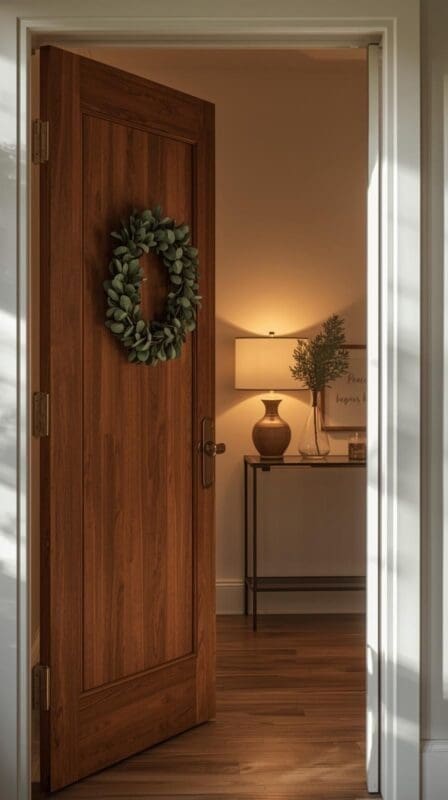
First impressions matter. Add a simple neutral wreath, a small evergreen by the door, or a seasonal doormat. Inside, a console table with a candle, soft lamp, or gratitude quote sets a calming tone from the moment clients arrive.
Therapeutic benefit: A welcoming entrance signals safety and readiness for connection.
6. Layer in Gentle Scents
Scent is one of the most powerful triggers for memory and mood. A therapy office that smells warm and inviting can instantly set the tone for calm and connection. In hygge-inspired spaces, scents like lavender, cedarwood, vanilla, or cinnamon bring a sense of comfort without being overpowering.
How to Incorporate Gentle Scents
- Reed Diffusers: A safe, low-maintenance option for a steady background scent. Choose calming blends like lavender-vanilla or cedarwood.
- Essential Oil Diffusers: Add a few drops of essential oil to a water-based diffuser for a soft, consistent aroma. Go for grounding oils (cedar, sandalwood) or calming oils (lavender, chamomile).
- Beeswax or Soy Candles: These give both scent and a warm glow, perfect for hygge. Use LED flameless candles if you prefer a safer option.
- Seasonal Touches: In winter, consider subtle holiday-inspired blends like orange-clove or cinnamon-vanilla for cozy associations.
Counselor Tip
Keep scents light and optional. Some clients may be sensitive to strong aromas or have allergies. Place diffusers away from seating areas, and always make sure scents don’t linger too heavily. Having an unscented option or scent-free sessions shows attentiveness to client comfort.

Therapeutic Benefit
Gentle scents can support emotional regulation and reduce stress by creating multisensory comfort. Lavender and chamomile are linked to relaxation, while cedar and vanilla evoke feelings of warmth and safety. Pleasant aromas also help anchor positive memories of the therapy space, making clients feel more at ease returning each week.
Everyday Life Application
Encourage clients to build a “scent ritual” at home — lighting a candle before journaling, diffusing lavender before bed, or using a vanilla-scented hand cream during stressful moments. Associating a soothing scent with calm activities helps the brain build lasting relaxation cues.
Counselor tip: Keep scents light to avoid overwhelming sensitive clients.

- 5-IN-1 DEVICE: This ultrasonic essential oil diffuser is an amazing multifunction aromatherapy device unlike any other y…
- PREMIUM QUALITY MATERIALS: When it comes to our premium essential oil diffusers, we make a point of using nothing but th…
- Essential Oil Blends: Introduce the long-lasting, pleasant, and relaxing aroma to your home with our “Zen Breeze Serenit…
7. Offer Cozy Comforts
Small gestures make a big difference. Keep a basket of fuzzy socks (new, wrapped pairs for clients), a stack of soft blankets, or a tray of herbal teas. Even a simple jar of peppermint candies can add hygge charm.
Therapeutic benefit: Comfort items create sensory grounding, especially for anxious or dysregulated clients.
8. Style a Seasonal Coffee or Tea Station
If your therapy office has room, a small beverage station can be a beautiful and functional hygge touch. A tray with mugs, a teapot, calming teas, and honey instantly communicates: “You are welcome here, and your comfort matters.” Even if clients don’t take a drink every time, the simple presence of the station conveys warmth and thoughtfulness.
How to Style a Tea & Coffee Station
- Choose a Base: Use a wooden tray, small side table, or bar cart. A rustic or natural surface adds to the hygge feel.
- Offer Gentle Options: Calming teas such as chamomile, peppermint, rooibos, or decaf green tea work well. If you add coffee, keep a decaf option too.
- Include Comfort Additions: Honey, sugar, or cinnamon sticks in small jars make the setup feel curated. Keep a small jar of spoons or stir sticks handy.
- Personal Touches: Add a seasonal sprig of greenery, a small vase with evergreens, or a candle (real or LED) for cozy vibes.
- Keep It Clean & Simple: Less is more — avoid clutter so it feels inviting, not overwhelming.

- Kitchen Upgrade: Give your kitchen an upgrade that’s as charming as it is practical; the mix of romantic rustic brown an…
- Durable & Stable: Made of durable particleboard, the surface of this trolley is water- and wear-resistant. The sturdy st…
- Large Capacity: The 3-tier serving trolley offers plenty of storage space while saving a lot of floor space; a great sol…


- Calming Tea Sampler: Help support mild tension and aid relaxation with these Yogi Tea favorites; each of these calming t…
- Organic Tea Variety Pack: The organic teas in this relaxing tea sampler are are purposefully blended with traditional Ay…
- Tea Bag Instructions: To get the most out of every cup, view the Brewing Suggestions located on the back of each individ…
Therapist Insight
Offering a warm beverage communicates hospitality and care. In therapeutic relationships, small gestures like this create psychological safety — clients sense they are in a nurturing, intentional space. Even when clients decline, the station itself still signals warmth and comfort.
Therapeutic Benefit
Shared rituals like making tea or pouring coffee slow down the pace of a session and provide a transitional moment of grounding. The warmth of holding a cup can help anxious clients regulate their nervous systems. This tactile, sensory experience embodies hygge — cozy, slow, and intentional.
Everyday Life Application
Encourage clients (and yourself) to create a mini tea ritual at home. Even a single mug of tea with honey before bed can become a grounding practice for mindfulness, signaling the body it’s time to rest.
9. Display Meaningful Books or Journals

9. Display Meaningful Books or Journals
Books are more than decor — they’re silent invitations to reflection and connection. A carefully chosen stack of journals, mindfulness guides, or poetry collections can soften your therapy office while sparking curiosity. In hygge-inspired design, books add warmth and depth, especially when displayed with covers in neutral or winter-inspired tones.
How to Curate a Book & Journal Display
- Choose Themes with Care: Mindfulness, seasonal self-care, gratitude, or simple living pair well with the hygge aesthetic. Poetry and nature writing also invite quiet reflection.
- Think About Color Palette: Select covers in creams, grays, muted blues, or deep earthy tones to blend with winter décor.
- Layer & Stack: Place a small stack on a coffee table with a candle or evergreen sprig on top. Display a few upright on a shelf for easy browsing.
- Include Journals: Blank journals with textured covers invite clients to think about writing as a self-care practice. Some may ask for recommendations or begin journaling between sessions.
- Rotate Seasonally: In winter, try books on holiday gratitude, slowing down, or mindful celebrations. Swap them in spring for books on growth and renewal.
Counselor Tip
Keep the display organic — these aren’t “assignments” but gentle touchpoints. Clients may naturally ask, “What’s this book?” which opens a doorway for therapeutic conversation about mindfulness, gratitude, or creative expression.
Therapeutic Benefit
Books in the therapy room serve as symbolic co-therapists — they remind clients that wisdom and comfort can be found in reflection and stories. Simply seeing journals and poetry creates an environment that values inner life and emotional depth. For some clients, browsing a page or two during downtime can lower anxiety and foster curiosity.
Everyday Life Application
Encourage clients to create a personal reading ritual at home. Suggest they keep one meaningful book or journal near their favorite chair or bedside table, so reflection becomes woven into daily routines. Even a single poem or gratitude entry can serve as a small act of mindfulness.
10. Create Small Seasonal Rituals
Hygge isn’t just about objects — it’s about experiences. Think of small rituals: offering a warm drink, lighting an LED candle at the start of a session, or inviting clients to write one gratitude note on a paper snowflake to hang on a wall tree.
Therapeutic benefit: Rituals create safety, rhythm, and moments of calm that clients look forward to.
11. Use Texture-Rich Rugs
A soft rug underfoot makes any room feel instantly cozier. Choose natural fibers like wool or jute, or go for plush textures in muted winter tones.
Why it works: Rugs ground the space, absorb sound, and add tactile comfort.
12. Add Personal but Professional Touches
A framed quote that resonates with your counseling philosophy, a family photo in muted tones, or artwork from a client (with permission) can make the space more personal without losing professionalism.
Why it works: Hygge celebrates authenticity — your presence in the space matters too.
Wrapping It Up: Hygge as Therapeutic Practice
Hygge isn’t just a decor trend. It’s a mindset: slowing down, savoring the present, and creating spaces that nurture. By weaving hygge into your therapy office this winter, you offer clients not just a room to talk, but a sanctuary to rest.
Soft lighting, cozy textiles, natural elements, gentle scents — together, these details transform a therapy office into a place where clients feel both cared for and grounded.
Next step: Pair your hygge-inspired decor with Cozy Winter Work Outfits for Counselors to align your environment and your wardrobe with the season.

About the Author
Hi, I’m Eve, a former school counselor with a master’s degree in School Psychology and a passionate advocate for children and families navigating sensory challenges. As a mom of children with sensory sensitivities, I deeply understand the journey special-needs parents face, and I dedicate myself to researching and sharing practical solutions to help children thrive and feel comfortable in their bodies. My goal is also to empower counselors, therapists, and psychologists with creative strategies and supportive resources to enrich their everyday practice. When I’m not writing or exploring new therapeutic approaches, you’ll find me spending quality time with my family and continually seeking inspiration from everyday moments.

