
A practical school counselor office setup should make the room easier to enter, understand, use, and reset. Before buying decor, decide where students will arrive, sit, talk, use an activity, and access optional calming tools.
Students may notice where to place a backpack, whether seating fits their body, what materials are available, and whether the room feels visually confusing. Clear zones and predictable choices can make the space easier to navigate without requiring an expensive makeover.
A school counselor office does not need coordinated furniture or trend-driven decor. Start with function, privacy, accessibility, supervision, school policies, and the ages of students you serve; then use color, lighting, and a few visual details to make the practical setup feel intentional.
This back-to-school guide focuses on layout, storage, lighting, and student-use systems for tiny offices, shared rooms, counseling corners, and larger student-support spaces. If you are mainly choosing the visual style, see these school counselor office decor ideas.
Affiliate disclosure: This post contains affiliate links, including Amazon links. If you purchase through them, I may earn a commission at no additional cost to you.
Before You Buy: Measure, Check Policies, and Prioritize
Before ordering furniture, lighting, rugs, storage, or sensory tools, confirm:
- Room measurements: door swing, walking paths, outlets, vents, windows, and usable wall space;
- School requirements: purchasing approval, fire and electrical rules, cleaning procedures, accessibility, supervision, and permitted wall attachments;
- Student fit: age range, mobility, sensory preferences, body sizes, and whether tools can be offered safely and voluntarily;
- Maintenance: washable surfaces, replacement parts, storage needs, and the time required to reset the item;
- Existing inventory: furniture, bins, lamps, games, and supplies already available elsewhere in the school.
| Buy or source first | Add only after observing use |
|---|---|
| Appropriate seating and clear walkways | Extra floor cushions or alternate seating |
| Secure confidential storage | Additional open display storage |
| One student activity or check-in option | Multiple duplicate games or card decks |
| One small, choice-based tool basket | Specialized sensory products for unspecified needs |
| Safe task lighting if permitted | Decorative lighting that adds cords or maintenance |

Start With the Feeling You Want Students to Have
Before buying a single basket, lamp, or piece of wall decor, think about the feeling you want students to experience when they walk in.
For most school counselor offices, that feeling is not “impressed.”
It is usually something closer to:
- welcomed
- safe
- calm
- understood
- curious
- comfortable
- not in trouble
- not alone
This matters because students may come to your office for very different reasons. One child may be excited to join a lunch bunch group. Another may be worried about a friendship problem. Another may arrive after a difficult moment in class and need a few quiet minutes before they can talk.
Your office does not need to solve every emotional need through decor. But it can make your support feel easier to access.
A helpful rule is this: choose items that either make the room more comfortable, make your work easier, or help students understand what they can do in the space.
If an item only adds visual clutter, it may not deserve valuable room in a small office.
Create a Simple School Counselor Office Layout
Even the smallest school counselor office can feel more organized when it has clear zones.
You do not need a large room or expensive furniture. You simply need to give each area a purpose.
1. The Welcome Zone

The welcome zone is the first area a student sees when they enter.
It may include:
- a small welcome sign
- a simple feelings check-in
- a basket for backpacks or comfort items
- a visual showing what students can do while they wait
- a small plant or soft lamp
- a clipboard with a low-pressure activity
The goal is to make the first few seconds easier.
Instead of walking into a silent room and wondering what to do, students can immediately see a familiar option: choose a feeling card, draw something, take a seat, or pick up a fidget.
A welcome zone can be very small. A narrow shelf, side table, wall pocket, or rolling cart near the door may be enough.


2. The Conversation Zone

This is the area where you sit and talk with students.
Try to create a setup that feels comfortable but still practical for your daily work. You may use:
- two soft chairs
- a small couch and chair
- floor cushions for younger students
- a child-sized table for drawing or games
- a small round table between chairs
- a washable rug that visually defines the space
You do not need matching furniture for the room to feel intentional.
A soft chair beside a simple side table can look much warmer than a full set of bulky office furniture. If you are working with older hand-me-down pieces, try updating them with a washable throw pillow, neutral blanket, or small lamp nearby.
Think about sight lines, too. When possible, position chairs so students are not forced to sit directly in front of your desk like they are being called in for a formal meeting.
A side-by-side or slightly angled seating arrangement often feels more relaxed, especially for younger students or children who talk more easily while drawing, building, or using a fidget.

- Ergonomic & Spacious Backrest: Indulge in ultimate relaxation with the armchair’s backrest, featuring a 105-degree angle…
- Thicken Cushion for Comfy Seating: Experience unparalleled comfort with the upholstered accent chair’s 5″ thick seat cus…
- Sturdy Wooden Frame: Crafted with a solid rubber wood frame and ladder-shaped armrest, this modern leisure chair ensures…
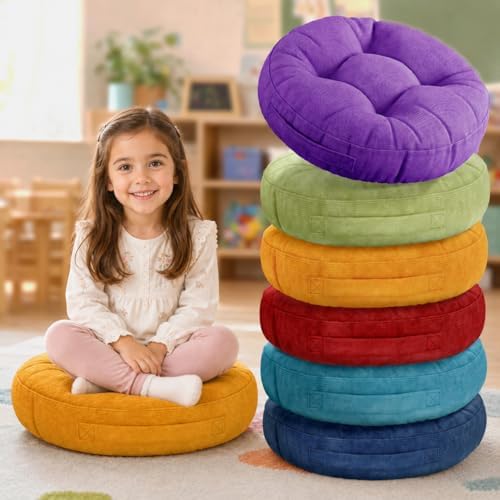
- SAFE FOR CLASSROOM: Our seating passed the smolder resistance test, is difficult to ignite, and will even slow the sprea…
- PORTABLE SEATING: Lightweight and handle-equipped cushions that kids can easily carry anywhere. Versatile and suitable f…
- EASY TO MAINTAIN: Surface fabric is water-resistant, keeping the foam inside the sitting pillow dry and mold-free, so it…
3. The Activity Zone

Your activity zone is where students can create, play, reflect, or practice coping skills.
Depending on your space, this might be:
- one low shelf with games and art supplies
- a small table with crayons and paper
- a rolling cart with counseling materials
- a tray with conversation cards and sensory tools
- a small floor area with building materials
- a calm activity bin for waiting students
Keep the most-used activities visible and easy to reach. Store backstock, seasonal materials, and extra supplies out of sight whenever possible.
Students do not need to see every resource you own. A few clear choices can feel more inviting than overflowing shelves.
For child-centered spaces, you may also enjoy this guide to child therapy room decor ideas, especially if you want your office to support both conversation and play.

- Reinforced All-Metal Construction, Ultra-Sturdy: Our patent-pending frame geometry combines optimized weight distributio…
- Larger Storage Capacity, Multifunctional Storage: Featuring 3 spacious metal baskets, 2 hanging cups, and 3 hooks, this …
- High-Quality Coating, Stylish and Durable: Elevate your space with the rolling storage cart on wheels that masters both …
4. The Calm-Down Zone
Safety and access: Choose tools appropriate for student age and individual needs, follow manufacturer guidance, supervise weighted or small sensory items when necessary, and use a routine for cleaning shared objects. Offer tools as choices rather than presenting them as treatments.

A calm-down area does not need to be large, fancy, or separate from the rest of the office.
It may simply include:
- a small soft rug
- a comfortable floor cushion or beanbag
- a sensory basket
- a breathing card
- a visual coping-skills poster
- noise-reducing headphones
- a weighted lap pad
- a few quiet fidgets
- a small timer
The key is to introduce this space before a student is overwhelmed.
During the first weeks of school, show students what the calm-down tools are for and how they can use them. Explain that the area is not a punishment space. It is a place to pause, reset, and choose what support might help next.
For more ideas that work in counseling rooms, waiting areas, and student-support spaces, see school counselor office storage ideas.

- 85% Tourmaline balls
- 【HELP YOUR CHILD STAY CALM & RELAXED】This sensory weighted animal will always provide emotional support and a sense of s…
- 【RECOMMENDED BY OCCUPATIONAL THERAPISTS】The weighted lap pad provides deep pressure and sensory input, also known as Dee…
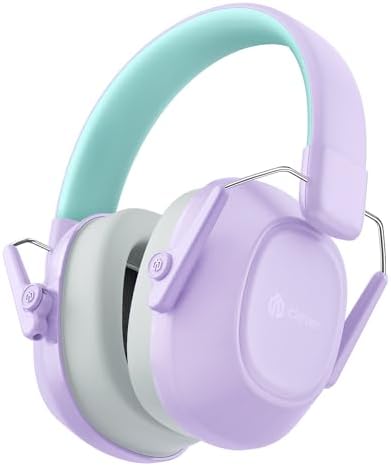
- PU Leather
- Imported
- 【Exceptional Noise Cancellation】After myriad tests by iClever engineers, we combined the 22mm porous sound-absorbing spo…

- [Machine Washable] Tired of constant cleaning? OLANLY rugs make life easier with their machine washable design. Unlike t…
- [Thicker Sponge and High-Density Faux Fur] The OLANLY Machine Washable Area Rug features a 0.4-inch thick sponge padding…
- [Sturdy Non-Slip Base] OLANLY Round Bedroom Rugs come with a robust non-slip base, featuring high-density, small, and st…
Choose a Calm Color Palette That Still Feels Kid-Friendly
A counseling office does not need to be beige to feel calm.
Students often respond well to spaces that feel warm and cheerful without becoming visually loud. A simple palette can make the office feel more cohesive, especially when you are working with budget-friendly items from different stores.
Try choosing two to four main colors, such as:
- sage green, cream, and natural wood
- soft blue, warm beige, and muted coral
- dusty pink, oatmeal, and light wood
- navy, soft gray, and warm yellow
- terracotta, cream, and olive green
You can bring the palette into the office through small details:
- storage bins
- throw pillows
- posters
- basket liners
- folders
- calm-down cards
- table trays
- small rugs
- bulletin board borders
Avoid trying to match every item perfectly. Instead, aim for a room that feels visually peaceful overall.
A few repeated colors can make even basic storage bins and school supplies look more intentional.
Use Soft Lighting Whenever You Can
Harsh overhead lighting can make even a thoughtfully designed office feel clinical.
You may not be able to control the main lighting in your school, but you can often soften the atmosphere with one or two smaller light sources.
Consider adding:
- a warm-toned table lamp
- a rechargeable cordless lamp
- a soft floor lamp
- battery-operated wall lights
- string lights used safely and according to school policies
- a small light near the conversation area
A lamp can make a major difference in how a room feels during individual check-ins, especially in the afternoon when students may be tired, overstimulated, or emotionally worn out.
For safety and practicality, choose options that are stable, easy to clean, and appropriate for the ages of students you serve. Keep cords secured and out of pathways.
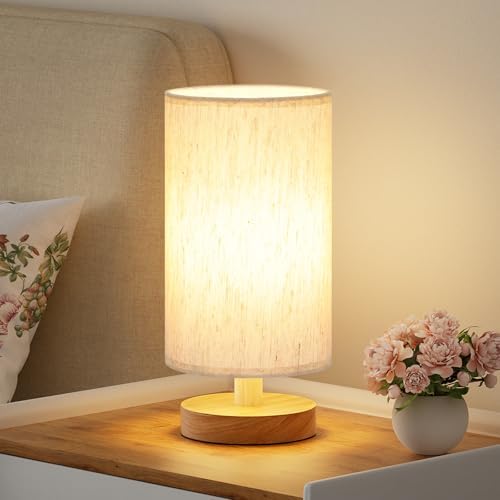
- 1. 3000K Warm Light – Enjoy soft warm light from the included A15 LED bulb (3000K), creating a cozy ambiance for reading…
- 2. Minimalist Design – Perfect as a bedside lamp, and this 9in height small table lamp very suitable for small space. Th…
- 3. Easy to Use – Unbox and use in under a minute! Simply attach the lampshade to the base, screw in the pre-included LED…
Build a Counselor Office That Is Easy to Reset

The first weeks of school are busy enough without having to reorganize your office after every student visit.
A useful counseling office is not only beautiful when photographed. It is easy to reset between meetings.
Create “homes” for the items you use every day.
For example:
- one basket for fidgets
- one tray for drawing supplies
- one shelf for frequently used games
- one bin for feelings tools
- one drawer for confidential paperwork
- one rolling cart for small-group supplies
- one basket for items that need to be put away later
This kind of organization protects your energy. Instead of spending five minutes looking for emotion cards, scissors, or your favorite conversation game, you know exactly where things belong.
A Helpful Storage Rule
Keep your office materials in three categories:
Visible and student-friendly:
Items students may choose or use often, such as crayons, conversation cards, fidgets, sensory tools, and a few games.
Easy to grab but not always visible:
Materials for counseling sessions, groups, and classroom lessons.
Stored away:
Seasonal supplies, duplicates, backstock, office paperwork, confidential materials, and resources that are not currently needed.
This keeps your office looking calmer without requiring you to own less.
Add a Back-to-School Feelings Check-In
A feelings check-in is one of the easiest ways to make your office immediately useful during the first weeks back.

You can use:
- emotion-face cards
- a magnetic feelings board
- a “How Are You Today?” poster
- a color-coded mood chart
- small clips with student names
- a dry-erase check-in board
- a simple paper sign with feeling words
Keep it optional.
A child might point to a feeling, move a clip, choose a color, or simply look at the board while you greet them. The value is not in making every child explain their answer. The value is in helping children notice that emotions are welcome in the room.
You can connect this to your broader back-to-school support plan by linking to Back-to-School Counseling Activities: 25 Easy Ways to Help Kids Feel Safe.
Make Space for Hands-Busy Conversations
Many children find it easier to talk when their hands are occupied.
That does not mean every counseling session needs a structured activity. But having a few simple, quiet options available can help a student settle into the room.

Keep a small “hands-busy” tray with options such as:
- coloring pages
- blank paper and markers
- modeling dough
- a simple card game
- building bricks
- sticker sheets
- patterned drawing prompts
- worry stones
- sensory fidgets
- conversation cards
Use materials that are durable, easy to clean, and easy to put away.
You can also include seasonal tools during back-to-school season, such as school-themed story stones, friendship cards, calming pocket hugs, or a “new school year hopes” drawing prompt.
The goal is not to distract from feelings. It is to give children a comfortable way to approach them.
Add a Small Calm-Down Kit for Students
A ready-to-use calm-down kit can be especially helpful during the first few weeks of school.
You might keep it in a handled basket, zipper pouch, clear bin, or small drawer.
Include practical items such as:
- visual breathing cards
- a small timer
- a quiet fidget
- a soft fabric square
- a feelings chart
- a coping-skills card ring
- a notepad for drawing or writing
- a small stuffed animal
- a grounding object
- noise-reducing headphones
- a simple “What could help me right now?” card
Avoid overfilling the kit. A small, well-chosen collection is easier for students to use than a large bin full of random objects.
You may also create different versions for elementary, middle school, and high school students. Older students may prefer journals, grounding cards, quiet sensory tools, or a small deck of reflection prompts rather than childlike visuals.
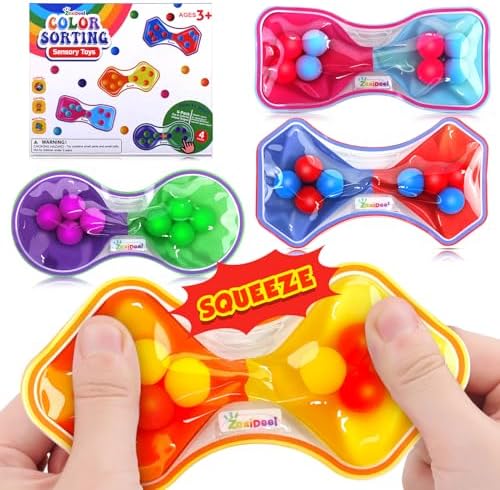
- 【Quiet Squeeze to Relax Mood】These Fidget sensory toys are filled with gel and super soft marble beads, providing an ext…
- 【Toddler Travel Toy Set】This set includes four hourglass-shaped sensory toys. By squeezing the beads on both sides to th…
- 【Durable fidget sensory toys】 These sensory toys are designed to withstand the intense use of kids and are durable. They…
Use Wall Decor That Helps Students, Not Just the Room

Wall decor can make a counselor office feel warm, but it can also become overwhelming when every inch of wall space is covered.
Choose a few visuals that offer real value.
Helpful options include:
- emotion vocabulary posters
- coping skills visuals
- growth mindset reminders
- a “What can I do when I feel…” chart
- a school counselor introduction poster
- student artwork
- a seasonal reflection board
- a kindness challenge
- a simple visual schedule
- a “You Belong Here” sign
One meaningful poster is often more helpful than ten random quotes.
You can also rotate wall decor throughout the year. Back-to-school season might include welcoming messages, a new-school-year reflection board, and a “Who Can Help Me at School?” visual. Later, you can switch to friendship, coping skills, gratitude, conflict resolution, or test-anxiety supports.
For more inspiration on creating a warm but professional room, read Cozy Therapy Office.
A Budget-Friendly School Counselor Office Setup Plan
You do not need to buy everything before the first day of school.
Try building your office in layers.
Start With These Five Essentials
If your budget is limited, begin with:
- one comfortable place to sit
- one clear student activity or check-in option
- one calm-down basket
- one practical storage solution
- one warm lighting source or comforting visual
This creates a functional first version of the room. Observe how students and staff actually use it before buying additional furniture or sensory tools.
Add More Over Time
Once your basics are in place, gradually add:
- a washable rug
- better storage bins
- a rolling cart
- a small table for activities
- sensory tools
- wall visuals
- a second seating option
- seasonal materials
- a display space for student art or reflections
You may also find useful items through school surplus rooms, local buy-nothing groups, thrift stores, teacher swaps, or community donations.
A school counselor office can become beautiful slowly. It does not need to be finished all at once. If floor space is limited, use these small school counselor office ideas to prioritize circulation and vertical storage before buying more decor.
What to Avoid in a School Counselor Office
A warm office does not mean filling every corner.
Try to avoid:
- too many visual choices at once
- overcrowded shelves
- fragile decor within easy reach of young children
- cluttered work surfaces
- overly bright or flashing lights
- strong scents that may bother students
- too many toys available at the same time
- confidential documents left visible
- decor that makes students feel like they are entering a “problem room”
Students should not walk into your office and wonder whether they are in trouble.
Use welcoming language whenever possible. A simple sign that says “You Belong Here” or “Let’s Figure It Out Together” can feel much more supportive than a room full of behavior charts.
A First-Week Back-to-School Counselor Office Checklist
Before students return, check that you have:
- a clear path from the door to seating
- a welcoming visual near the entrance
- a student feelings check-in option
- a few quiet activities ready to use
- a small calm-down kit
- a place for backpacks or belongings
- clean surfaces and organized supplies
- visible but limited student choices
- confidential materials stored securely
- a plan for how students can use the space
You may also want to make a short office introduction plan for classroom visits. Show students where they can sit, what they may do while they wait, how they can use calm-down tools, and how they can ask to see you.
The more predictable your space feels, the easier it may be for children to use it when they truly need support.
Final Thoughts
A functional school counselor office is not defined by new furniture, a perfect color palette, or a large collection of supplies.
It should support clear routines, confidential work, comfortable conversation, appropriate choice, and efficient resetting between students.
A suitable chair, a simple check-in option, a small collection of quiet tools, and a counselor ready to listen may be more useful than a heavily styled room.
Start with what you have. Choose a few changes that make the room feel calmer and easier to use. Then let the space grow alongside your students throughout the school year.

About the Author
Hi, I’m Eve, a former school counselor with a master’s degree in School Psychology and a passionate advocate for children and families navigating sensory challenges. As a mom of children with sensory sensitivities, I deeply understand the journey special-needs parents face, and I dedicate myself to researching and sharing practical solutions to help children thrive and feel comfortable in their bodies. My goal is also to empower counselors, therapists, and psychologists with creative strategies and supportive resources to enrich their everyday practice. When I’m not writing or exploring new therapeutic approaches, you’ll find me spending quality time with my family and continually seeking inspiration from everyday moments.

