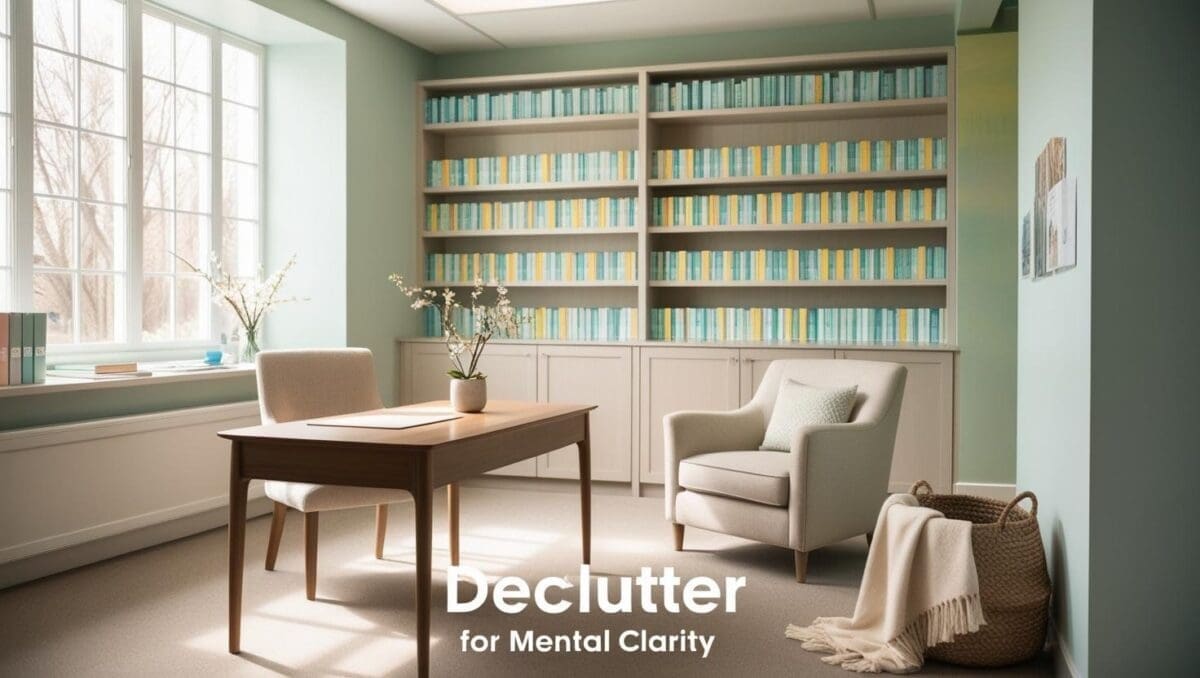
There’s a subtle but powerful moment when a client first walks into your office.
Before a single word is spoken, their eyes scan the room.
They notice the walls.
And without realizing it, they begin forming a feeling about the space:
Is this safe?
Is this overwhelming?
Is this a place where I can relax?
This is why boho wall decor for therapy offices matters more than just aesthetics.

Done well, it creates warmth, softness, and emotional openness.
Done poorly, it can feel busy, distracting, or even overstimulating.
The difference isn’t in how much you add—but in how intentionally you choose what goes on your walls.
In this guide, you’ll learn how to create a boho-inspired therapy space that feels calm, grounded, and visually supportive, without tipping into clutter.
Why Wall Decor Has a Strong Psychological Impact in Therapy Spaces
Walls are not just background elements—they shape how a space is experienced.
In therapy settings, visual input matters more than we often realize. Clients are already processing thoughts, emotions, and internal experiences. If the environment adds too much visual noise, it can increase cognitive load and make it harder to focus.
On the other hand, thoughtfully chosen decor can do the opposite. It can anchor attention, soften the space, and create subtle emotional cues that support openness.
Boho design works particularly well because it introduces warmth and personality—but it must be balanced carefully.
A calm wall doesn’t mean an empty wall.
It means a visually supportive wall.
What this supports:
- reduced overstimulation
- improved focus during sessions
- emotional comfort and safety
1. Large Statement Art (Instead of Many Small Pieces)
One of the easiest ways to avoid clutter is to go bigger—not busier.
A single large piece of art creates a focal point without overwhelming the space. It gives the eye somewhere to rest, instead of forcing it to jump between multiple small elements.
Boho-style statement art often includes:
- abstract shapes
- soft earthy tones
- nature-inspired imagery
This creates presence without chaos.
From a psychological perspective, fewer visual elements reduce decision-making and allow the mind to settle more easily.
What this supports:
- visual clarity
- reduced mental load
- grounded atmosphere
2. Neutral Boho Color Palettes (Soft Over Stimulating)
Color plays a direct role in how a space feels.
While traditional boho design can be colorful, therapy spaces benefit from a more muted approach:
- warm beige
- soft terracotta
- olive green
- dusty neutrals
These tones still carry the boho aesthetic but avoid overstimulation.
Bright, high-contrast colors can feel energizing—but in therapy, calm is often more important than energy.
The goal is not to impress visually, but to support emotional regulation.
What this supports:
- calm emotional state
- reduced visual stress
- easier focus
3. Woven Wall Hangings (Texture Without Visual Noise)
Texture is one of the defining elements of boho decor—but not all texture needs to be visually complex.
Woven wall hangings introduce softness without adding too much detail. Unlike busy prints, they don’t demand attention—they gently exist in the background.
This is ideal for therapy spaces.
They create warmth and depth while allowing clients to stay focused on the conversation rather than the environment.
What this supports:
- softness in the space
- sensory comfort
- subtle visual interest
4. Minimal Gallery Walls (Carefully Curated, Not Crowded)
Gallery walls can work—but only when they are intentional.
Instead of filling a wall with many unrelated pieces, choose:
- 3–5 cohesive artworks
- similar color tones
- consistent spacing
This keeps the aesthetic balanced.
In therapy spaces, cluttered gallery walls can feel overwhelming, especially for anxious clients or children.
A curated gallery wall should feel like a story—not noise.
If you want deeper insight into how visuals affect clients, this article is a strong complement:
https://eveyou.eu/therapeutic-wall-art-how-visuals-impact-client-mood
What this supports:
- structured visual environment
- reduced overwhelm
- aesthetic consistency
5. Nature-Inspired Wall Elements (Grounding Without Words)
Nature has a calming effect that doesn’t require explanation.
Wall decor inspired by nature—such as:
- botanical prints
- landscape art
- organic shapes
helps create a sense of grounding.
Even subtle references to nature can lower stress levels and make the environment feel more open and breathable.
This is especially valuable in urban or enclosed office spaces.
What this supports:
- grounding
- stress reduction
- emotional balance
6. Mirrors (Light, Space, and Soft Expansion)
Mirrors are often overlooked in therapy office design, but they can be incredibly effective.
In boho decor, mirrors are usually:
- rounded
- framed in wood or rattan
- soft in shape
They reflect light and visually expand the space without adding clutter.
However, placement matters.
Avoid placing mirrors where clients feel observed or exposed. Instead, use them to reflect light or soften darker corners.
What this supports:
- openness
- light distribution
- reduced visual heaviness
7. Intentional Empty Space (The Most Underrated Element)
One of the most important design choices is knowing when to stop.
Empty space is not “unfinished”—it’s necessary.
It allows the eyes and mind to rest.
In therapy settings, this is especially important because clients are already processing a lot internally. A visually dense space can feel overwhelming, even if it looks beautiful.
Boho decor should feel natural and effortless—not crowded.
What this supports:
- mental clarity
- reduced overstimulation
- emotional breathing room
8. Personal but Neutral Details (Human, Not Intrusive)
Adding personal elements makes a space feel real—but too much personal detail can shift focus away from the client.
The balance is subtle.
Choose items that feel human and warm, but not overly specific or emotionally charged.
For example:
- ceramics
- simple objects
- soft handmade pieces
These create a sense of presence without imposing a narrative.
If you’re building your space from the ground up, this guide can help:
https://eveyou.eu/therapy-office-setup-guide
What this supports:
- relatability
- warmth
- professional balance
How to Avoid the “Cluttered Boho” Mistake
Boho decor is often misunderstood.
It’s not about adding more—it’s about layering intentionally.
If your walls feel overwhelming, ask:
- Is there too much variation in color?
- Are there too many small elements?
- Is there enough empty space?
Simplifying doesn’t remove the boho feel—it strengthens it.
The most effective therapy spaces feel:
- calm
- breathable
- grounded
Not busy.
Optional: Shop This Style (Boho Wall Decor Essentials)
If you want to recreate this look more easily, focus on:
- large neutral wall art
- woven wall hangings
- rattan or wood mirrors
- soft botanical prints
- minimal frame sets
This post may contain affiliate links, including Amazon and selected partner links. If you make a purchase through these links, I may earn a small commission at no extra cost to you.
Final Thoughts
Boho wall decor is not about filling space.
It’s about shaping how a space feels.
In a therapy office, every visual element sends a message—whether intentional or not.
When your walls feel calm, grounded, and thoughtfully curated, they quietly support the work happening in the room.
And often, that quiet support makes more difference than we realize.
About the Author
Hi, I’m Eve, a former school counselor with a master’s degree in School Psychology and a passionate advocate for children and families navigating sensory challenges. As a mom of children with sensory sensitivities, I deeply understand the journey special-needs parents face, and I dedicate myself to researching and sharing practical solutions to help children thrive and feel comfortable in their bodies. My goal is also to empower counselors, therapists, and psychologists with creative strategies and supportive resources to enrich their everyday practice. When I’m not writing or exploring new therapeutic approaches, you’ll find me spending quality time with my family and continually seeking inspiration from everyday moments.