The Healing Power of Nature in Therapy Spaces
This post may contain affiliate links, including Amazon and selected partner links. If you make a purchase through these links, I may earn a small commission at no extra cost to you.
There is something quietly powerful about walking into a therapy office that feels connected to nature.
Not in a dramatic way.
Not with plants covering every shelf or a room that looks more like a greenhouse than a professional counseling space.
But in the softer details.
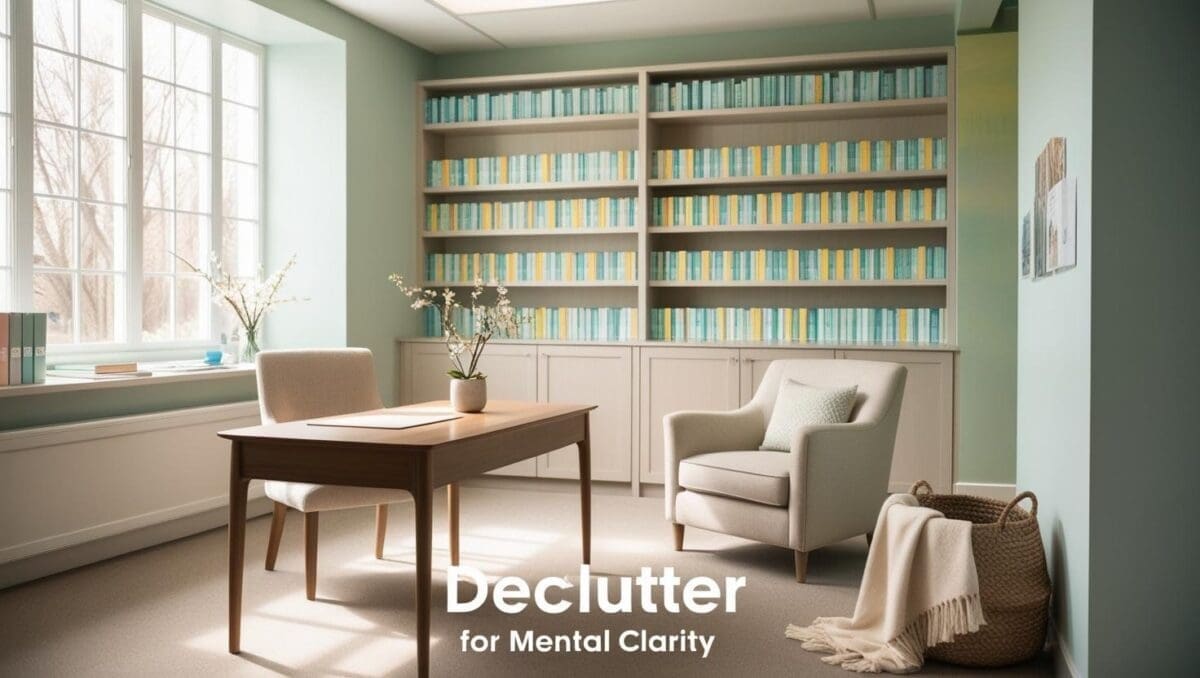
A potted plant beside the window. A wooden side table next to a comfortable chair. A woven basket holding blankets or sensory tools. Linen curtains filtering the daylight. A botanical print on the wall. A soft green cushion that makes the space feel just a little more grounded.
These small natural touches can change how a therapy office feels.
A minimalist therapy office can sometimes become too plain, too clinical, or too visually cold if it focuses only on empty space. Nature softens minimalism. It adds warmth without creating clutter. It brings life into the room without overwhelming the client.
This is where biophilic therapy office design becomes so helpful.
Biophilic design is the practice of bringing natural elements into indoor spaces. In a therapy office, that might include plants, natural light, wood tones, stone textures, soft earth colors, organic shapes, botanical artwork, or even subtle nature-inspired scents.
Research continues to connect nature exposure with benefits for mental health, stress reduction, cognitive function, blood pressure, and emotional wellbeing. One major review found associations between nature exposure and improved mental health, cognitive function, brain activity, blood pressure, sleep, and physical activity.
For therapists, counselors, psychologists, and school counselors, this matters because the office is not just a room.
It is part of the therapeutic experience.

Why Nature Belongs in Therapy Office Decor
A therapy office should help the nervous system soften.
Clients often enter the room carrying stress, grief, anxiety, conflict, overstimulation, fear, or emotional exhaustion. The design of the space cannot replace clinical skill, attunement, or therapeutic relationship, but it can support the tone of the work.
Nature-inspired therapy office decor helps create a sense of groundedness.
A plant can give the eye a gentle place to rest. Natural textures can make the room feel less sterile. Soft earth colors can reduce visual intensity. Warm wood can make a professional space feel more human.
A 2020 study on biophilic indoor environments found that participants exposed to biophilic interiors showed better recovery after a stressor, including lower stress and anxiety responses compared with non-biophilic environments.
That does not mean every therapy office needs to be redesigned around plants and greenery.
It means that small, intentional natural elements can support the emotional atmosphere of the room.

The Difference Between Natural and Cluttered
Nature can be calming, but too much decor can still become overstimulating.
This is especially important in therapy spaces.
A shelf full of plants, crystals, dried florals, candles, baskets, art pieces, books, and therapy tools may look beautiful in a photograph, but in real life it can feel visually busy. Clients who are anxious, neurodivergent, traumatized, or sensory-sensitive may notice every detail.
The goal is not to add nature everywhere.
The goal is to create a room that feels alive, but still spacious.
A good rule for a minimalist therapy office is to choose one natural focal point per zone.
For example:
One large plant near the window.
One wooden table beside the client chair.
One woven basket for blankets.
One botanical print above the sofa.
One ceramic vase on a shelf.
This approach keeps the room calm while still adding warmth.
Think of nature-inspired decor as a grounding layer, not a theme that needs to cover the entire office.
Best Plants for a Therapy Office
Plants are one of the simplest ways to make a therapy office feel softer and more welcoming.
But the best plants for therapy offices are not always the trendiest ones. They are the plants that survive real office conditions: changing light, inconsistent watering, weekends away, school breaks, heating systems, air conditioning, and busy schedules.
Snake Plant
A snake plant is one of the easiest plants for a therapy office because it tolerates low light and irregular watering.
Its upright shape also works beautifully in minimalist spaces. It adds structure without looking messy or sprawling.
Place it in a simple ceramic pot near a window, beside a cabinet, or in an empty corner that needs softness.
ZZ Plant
The ZZ plant is another excellent low-maintenance option.
It has glossy leaves, a sculptural shape, and a calm modern look. It can tolerate lower light and does not need frequent watering, which makes it ideal for therapists who do not want plant care to become another task.
A ZZ plant works especially well in private practice offices, waiting rooms, and minimalist counseling spaces.
Pothos
Pothos is forgiving, adaptable, and beautiful on a shelf or hanging planter.
Its trailing leaves can soften straight lines and make a room feel more organic. However, in a minimalist office, keep it trimmed so it does not become visually wild.
Pothos is lovely for bookshelves, floating shelves, or cabinets.
Peace Lily
A peace lily has a softer, more elegant feeling.
Its dark leaves and white flowers can look beautiful in a calming therapy room, especially if your office uses cream, beige, wood, and muted green tones.
However, peace lilies need a little more attention than snake plants or ZZ plants, and they are toxic to pets, so they may not be the best choice if animals are present.
Small Succulents
Succulents can work well on desks, shelves, and side tables, but they need enough light.
They are best used sparingly. One small succulent in a simple pot can be charming. Ten tiny succulents scattered around the room can quickly feel cluttered.
Faux Plants
A high-quality faux plant can be completely appropriate in a therapy office.
This is especially true in windowless rooms, school buildings, rented offices, or spaces where plant care is unrealistic. A realistic faux olive tree, eucalyptus stems, or small faux potted plant can create the visual effect of greenery without maintenance.
The key is choosing realistic textures and avoiding overly shiny plastic leaves.
A Note About Plants and Air Quality
Many articles say plants “purify the air,” but this claim needs to be handled carefully.
Indoor plants may offer psychological benefits, visual calm, and a sense of connection to nature. Systematic reviews have found that indoor plants can support psychological wellbeing, though results vary depending on context and study design.
But houseplants should not be treated as a replacement for ventilation, cleaning, or an air purifier. The American Lung Association notes that houseplants do not meaningfully improve indoor air quality in typical real-world indoor spaces.
For a therapy office, it is more accurate to say:
Plants can support the emotional atmosphere of the room.
They can make the space feel calmer, warmer, and more alive.
But if indoor air quality is a concern, use proper ventilation, regular cleaning, and a true air purifier.
This is especially important if you work with children, clients with allergies, or clients sensitive to dust, mold, fragrance, or pollen.
How to Arrange Plants in a Minimalist Therapy Office
Plant placement matters as much as plant choice.
A therapy office should feel calm from the client’s point of view. Before placing plants, sit where your client sits and look around.
What does the eye notice first?
Is the greenery soft and grounding?
Or does it compete with therapy tools, wall art, books, and supplies?
Place One Larger Plant in an Empty Corner
A large plant can anchor a therapy room beautifully.
A snake plant, rubber plant, olive tree, fiddle leaf fig, or faux tree can soften an empty corner and make the room feel complete. This works especially well beside a sofa, near a window, or next to a bookshelf.
A single statement plant often looks calmer than several small plants scattered around.
Use Shelves Carefully
Plants on shelves can look beautiful, but only if there is breathing room.
Instead of filling every shelf, try placing one trailing plant beside a few carefully chosen books or one ceramic object. Leave empty space around it.
This keeps the shelf looking intentional instead of crowded.
Keep Desk Plants Small
Your desk should support focus.
A small plant can make the desk feel warm, but avoid anything too large, messy, scented, or visually distracting. A small pothos, succulent, or faux plant in a neutral pot can work well.
Avoid Blocking Light or Movement
Plants should never make the office harder to use.
Avoid placing plants where clients may brush against them, trip over pots, or feel crowded. In child therapy rooms, avoid fragile planters or plants with sharp leaves.
The most beautiful therapy office decor is still practical.
Natural Materials That Make a Therapy Office Feel Warmer
Plants are only one part of biophilic design.
Natural materials can have just as much impact.
In a minimalist therapy office, wood, rattan, linen, cotton, ceramic, stone, clay, wool, and jute can make the room feel grounded and comforting.
Wood Tones
Wood brings instant warmth to a therapy office.
A wooden side table, oak desk, walnut bookshelf, light wood frame, or natural wood tray can soften a professional space. If your office feels too clinical, adding wood is one of the quickest ways to make it feel more human.
Light oak feels airy and Scandinavian.
Walnut feels rich, grounded, and elegant.
Natural pine feels soft and simple.
Choose one or two wood tones and repeat them gently throughout the room.
Woven Textures
Woven baskets are both beautiful and practical.
They can hold blankets, sensory tools, children’s therapy materials, extra pillows, or office supplies. A woven texture gives the room warmth without adding visual clutter.
This is also a natural affiliate opportunity because readers often want easy ways to recreate the look.
Good product categories include:
woven storage baskets
rattan organizers
jute rugs
seagrass bins
linen storage boxes
soft cotton baskets
Keep the recommendations practical and connected to real therapy office use.
Linen and Cotton
Soft fabrics matter in therapy spaces.
Linen curtains, cotton pillow covers, a washable throw blanket, or a textured cushion can make the space feel more emotionally comfortable.
These materials also photograph beautifully for Pinterest because they create softness without looking overly decorated.
Stone, Clay, and Ceramic
Stone and ceramic accents add quiet elegance.
A ceramic lamp, clay vase, stone coaster, small marble tray, or handmade pottery piece can give a minimalist office a more grounded feeling.
The trick is restraint.
One ceramic vase on a shelf can feel calming.
Too many small objects can become visual noise.
Nature-Inspired Color Palettes for Therapy Offices
Color is one of the easiest ways to bring nature into a room.
You do not need bright green walls or botanical wallpaper. A nature-inspired palette can be subtle, mature, and professional.
Soft Earth Palette
This palette works beautifully for cozy therapy offices:
warm white
beige
taupe
camel
soft brown
cream
light oak
It feels calm, neutral, and easy to layer with plants.
Sage and Stone Palette
This is ideal for minimalist or modern therapy offices:
sage green
stone gray
warm white
mushroom beige
natural wood
soft black accents
It feels grounded without being dark.
Forest and Walnut Palette
This palette works well for deeper, elegant office decor:
forest green
walnut wood
cream
charcoal
brass
warm brown
It feels sophisticated, calming, and mature.
Coastal Nature Palette
This palette is softer and lighter:
soft blue
sand
white
driftwood
light gray
muted green
It works well for therapists who want the office to feel airy, gentle, and emotionally spacious.
When choosing colors, think about the kind of emotional tone you want to create.
Soft greens can feel restorative.
Warm neutrals can feel safe.
Blue tones can feel peaceful.
Wood and brown tones can feel grounding.
Biophilic Design Ideas for Small Therapy Offices
Small therapy offices can still use nature beautifully.
In fact, natural elements can make a small office feel more intentional if they are used carefully.
The biggest mistake is adding too many little pieces.
In a small therapy office, choose fewer, larger, calmer elements.
Try:
one tall plant instead of five small plants
one botanical print instead of a busy gallery wall
one woven basket instead of several mismatched bins
one wooden side table instead of multiple decor surfaces
one soft rug in a natural fiber or neutral tone
Use vertical space when needed. A wall-mounted shelf with one plant and one framed print can add warmth without taking floor space.
If your office has no window, use nature-inspired artwork, warm lighting, faux greenery, and natural textures. A windowless therapy office can still feel connected to nature if the materials and colors are chosen thoughtfully.
Nature-Inspired Decor Ideas That Do Not Create Clutter
A therapy office can feel natural without becoming crowded.
Here are some subtle decor ideas that add warmth while keeping the room professional.
Botanical Wall Art
Botanical prints are perfect for therapy offices because they are calming, simple, and not emotionally demanding.
Choose soft watercolor leaves, abstract landscapes, line drawings of plants, or muted floral artwork.
Avoid very busy, high-contrast, or overly dramatic nature prints if your goal is calm.
Landscape Art
A quiet landscape can create a sense of spaciousness.
Research on nature imagery in healthcare environments suggests that nature-based visual art may help reduce stress and anxiety in some healthcare contexts.
For therapy offices, this can be especially useful when there is no window or natural view.
Choose art that feels open, gentle, and emotionally neutral.
Natural Fiber Rugs
A rug can change the entire feeling of a therapy office.
Jute, wool, cotton, or neutral woven rugs create softness and define the seating area. For therapy spaces, make sure the rug is comfortable, safe, and easy to clean.
If clients remove shoes, sit on the floor, or bring children into the room, texture matters.
Wooden Trays
A wooden tray can make small items look intentional.
Use it for tissues, a small plant, a candle warmer, fidgets, a notebook, or a small grounding object. Trays help contain visual clutter while adding natural texture.
Dried Florals
Dried florals can be beautiful, but use them carefully.
Pampas grass, dried eucalyptus, or dried lavender can add softness, but they may collect dust or trigger scent sensitivities. In therapy spaces, avoid strong fragrance unless you know it is appropriate for your clients.
For many offices, unscented dried stems or realistic faux greenery may be safer.
Should Therapy Offices Use Scent?
Natural scents can feel calming, but therapy offices need extra caution.
Lavender, eucalyptus, sandalwood, cedarwood, and citrus are often associated with relaxation or freshness. However, clients may have allergies, asthma, sensory sensitivities, migraine triggers, trauma associations, pregnancy-related nausea, or personal dislikes.
A scent that feels peaceful to one person may feel overwhelming to another.
For this reason, scent should be optional, subtle, and never overpowering.
If you use essential oils, candles, wax warmers, or diffusers, consider asking clients about sensitivity first. In many professional therapy spaces, it may be better to rely on visual nature elements rather than fragrance.
A plant, lamp, wood texture, or soft green palette can create calm without affecting the air.
How Nature-Inspired Design Supports Therapist Wellbeing
Therapy office design is not only for clients.
It also affects the therapist.
A room that feels chaotic, sterile, dark, or disconnected can contribute to mental fatigue over time. A room with soft light, natural materials, and visual calm can support your own regulation between sessions.
A 2023 systematic review of nature elements in office environments found that biophilic design elements in workplaces can influence stress responses, although outcomes depend on the type of element and study context.
For therapists and counselors, this is important because the work requires sustained emotional presence.
You need a space that helps you return to yourself between clients.
Small natural rituals can help:
watering a plant before your first session
opening curtains for natural light
touching a smooth stone before a difficult meeting
resetting a blanket in a woven basket
looking at a landscape print while taking a breath
placing fresh greenery on your desk at the start of the week
These details may seem small, but they can become part of your own professional grounding routine.
How to Create a Biophilic Therapy Office on a Budget
You do not need expensive furniture or a full room redesign.
A nature-inspired therapy office can begin with small, affordable changes.
Start with what you already have.
Move your desk closer to natural light if possible. Clear the windowsill. Rearrange seating so the client has a calmer view. Remove decor that feels visually heavy. Add one plant. Replace a plastic storage bin with a woven basket. Change one harsh print for a softer botanical image.
Budget-friendly ideas include:
propagating a pothos plant
buying one low-maintenance plant
using thrifted ceramic pots
adding a secondhand wooden side table
choosing printable botanical art
using a woven basket for blankets
switching to linen-look curtains
adding a neutral cushion cover
collecting a smooth grounding stone
using a wooden tray to organize small items
The most important design principle is not cost.
It is intention.
A simple plant in a beautiful pot can do more than a room full of random decor.
Shop This Post: Natural Therapy Office Decor Ideas
This article has natural affiliate potential because readers may want help recreating the look.
Keep the product section useful and focused. A good “shop this post” box could include:
low-maintenance indoor plant or realistic faux plant
ceramic planter in cream, beige, or terracotta
woven storage basket for blankets or therapy tools
wooden side table
linen curtains
botanical wall art
jute or wool rug
ceramic lamp
wooden tray
neutral pillow covers
small bookshelf with natural wood finish
air purifier for offices where air quality matters
Product note: If you mention plants and air quality, it is better to recommend a true air purifier separately rather than suggesting plants as the main air-cleaning solution.
This keeps the article trustworthy while still supporting affiliate income.
Common Mistakes to Avoid With Plants in Therapy Offices
Nature-inspired design should support therapy, not distract from it.
Avoid these common mistakes.
Too Many Plants
Too many plants can make the room feel cluttered or high-maintenance.
Choose a few intentional plants instead of filling every surface.
Strong Scents
Avoid heavy fragrance, especially in enclosed offices. Clients may have sensitivities.
Messy Soil or Leaking Pots
Use saucers, stable planters, and clean surfaces. A therapy office should feel cared for and hygienic.
Toxic Plants Around Children or Pets
Some plants are toxic if ingested. If children, therapy dogs, or pets may access the space, choose plants carefully or place them out of reach.
Plants That Require Too Much Care
If the plant wilts, drops leaves, or looks neglected, it can subtly affect the feeling of the room. Choose easy-care plants or realistic faux alternatives.
Overly Trendy Decor
Trends can look beautiful online, but therapy spaces need longevity. Choose nature-inspired pieces that feel calm, professional, and timeless.
A Simple 5-Step Nature Refresh for Your Therapy Office
If you want to update your space without overwhelming yourself, start with this simple plan.
Step 1: Choose One Natural Focal Point
Pick one main element: a tall plant, wooden table, botanical print, or woven basket.
Let that piece set the tone.
Step 2: Clear Visual Clutter First
Before adding anything new, remove what no longer serves the room.
Nature feels calmer when it has space around it.
Step 3: Add One Plant or Green Element
Choose a real or faux plant that fits your light, schedule, and client population.
Step 4: Add One Natural Texture
Bring in wood, linen, cotton, jute, rattan, ceramic, or stone.
Texture makes minimalist spaces feel warm.
Step 5: Repeat the Palette Gently
Use the same tones in two or three places.
For example, a sage cushion, a botanical print, and a plant create a calm green thread through the room.
This keeps the office cohesive without making it look overly designed.
Final Thoughts: A Therapy Office That Feels Grounded and Alive
A therapy office does not need to be filled with decor to feel healing.
Sometimes one plant is enough.
One wooden table.
One soft rug.
One framed landscape.
One woven basket.
One window left uncluttered so the light can come in.
Nature-inspired therapy office design is not about creating a perfect Pinterest room. It is about helping the space feel more regulated, more human, and more connected to life outside the walls.
For clients, these details may offer a quiet sense of safety.
For therapists, they may offer a small moment of grounding between emotionally demanding sessions.
A minimalist therapy office can still feel warm.
A professional office can still feel alive.
And a few thoughtful natural elements can make the room feel less like a place where people are expected to perform healing, and more like a place where healing is gently allowed to unfold.
Frequently Asked Questions About Nature-Inspired Therapy Office Design
What is biophilic design in a therapy office?
Biophilic design means bringing natural elements into an indoor space. In a therapy office, this can include plants, natural light, wood furniture, woven baskets, stone textures, botanical artwork, earth-tone colors, and nature-inspired materials.
Are plants good for therapy offices?
Plants can be a beautiful addition to therapy offices because they add warmth, softness, and a connection to nature. They may support a calmer emotional atmosphere, especially when used intentionally and not excessively.
Do office plants clean the air?
Plants may remove some pollutants in controlled settings, but they should not be relied on as an air-cleaning solution in real therapy offices. For air quality concerns, ventilation, cleaning, and a true air purifier are more reliable.
What are the best low-maintenance plants for therapists?
Snake plants, ZZ plants, pothos, and some succulents are good low-maintenance options. Faux plants can also work well in windowless offices or busy school counseling spaces.
How many plants should I put in a minimalist therapy office?
For a minimalist therapy office, two or three intentional plants are usually enough. One larger plant and one smaller shelf or desk plant can create a natural feeling without clutter.
What natural materials work best in counseling office decor?
Wood, rattan, jute, linen, cotton, wool, ceramic, clay, and stone all work well. These materials add warmth and texture while keeping the space calm and professional.
Can I use essential oils in a therapy office?
Use essential oils carefully. Some clients may have allergies, asthma, migraines, sensory sensitivities, or negative associations with certain scents. Visual nature elements are usually safer than strong fragrance.
How can I make a windowless therapy office feel natural?
Use botanical artwork, realistic faux plants, warm lamps, natural wood furniture, woven baskets, soft green or earth-tone accents, and nature-inspired textures. Even without daylight, the room can still feel grounded.

About the Author
Hi, I’m Eve, a former school counselor with a master’s degree in School Psychology and a passionate advocate for children and families navigating sensory challenges. As a mom of children with sensory sensitivities, I deeply understand the journey special-needs parents face, and I dedicate myself to researching and sharing practical solutions to help children thrive and feel comfortable in their bodies. My goal is also to empower counselors, therapists, and psychologists with creative strategies and supportive resources to enrich their everyday practice. When I’m not writing or exploring new therapeutic approaches, you’ll find me spending quality time with my family and continually seeking inspiration from everyday moments.