
This post contains Amazon affiliate links. If you make a purchase through one of these links, I may earn a small commission at no extra cost to you.
Turn Your Expertise Into a Responsible Online Course
Therapists often create educational material for clients, caregivers, colleagues, or the public. A carefully scoped online course can organize that knowledge into a reusable learning experience—but it still requires instructional design, ethical boundaries, accessibility, marketing, learner support, and ongoing updates.
An online course can complement clinical or educational work when it is clearly presented as education rather than individualized therapy. Start small, test demand with real learners, and expand only when the content is useful and the costs are sustainable.

Why an Online Course Can Be a Flexible Educational Product
✔ Reusable delivery: Core lessons can serve more than one learner, although support, marketing, platform fees, and updates remain ongoing work.
✔ Flexible format: Video, audio, workbooks, and live sessions can be combined around the learner’s needs and your available time.
✔ Reach More People: Help individuals who may not have access to therapy or who prefer self-paced learning.
✔ Flexible & Creative: You can teach in a way that suits you best—video, audio, workbooks, or interactive content.
Now, let’s go step by step on how you can create, launch, and sell your first online course successfully.
Step 1: Choose a Viable, Ethical Course Topic
Before you start building your course, you need to identify a niche that’s in demand.
Best Course Topics for Therapists:
🧠 General coping-skills education – Everyday stress-management and emotional-literacy practices.
💆♀️ Mindfulness foundations – Introductory exercises with clear limits and safety guidance.
📖 Professional education – Training for counselors, teachers, or caregivers within your qualifications.
👩⚕️ Practice systems – Ethical, non-clinical organization or communication skills for helping professionals.
How to Choose Your Course Topic:
✅ Pick a subject you’re passionate about and comfortable teaching.
✅ Identify a specific problem your audience needs help with.
✅ Research what’s already selling (check Udemy, Teachable, or Thinkific for top-rated courses).
✅ Start small—a short, focused course is easier to sell than an overwhelming one.
📌 Professional boundary check: Never use identifiable client stories, recordings, session notes, or worksheets without appropriate rights and consent. Use original material, stay within your professional scope, and avoid promises that a self-guided course will treat trauma, anxiety, insomnia, or another health condition. Make an honest educational promise you can support.
Step 2: Outline Your Course Content
Now that you have your topic, it’s time to plan your lessons and structure your course.
Simple Course Structure for Therapists:
1️⃣ Introduction: Explain what the course covers and what results students can expect.
2️⃣ Core Lessons: Break down your topic into 3-5 clear modules.
3️⃣ Exercises & Worksheets: Add practical tools (journals, checklists, or guided meditations).
4️⃣ Bonus Material: Optional extras like Q&A sessions or expert interviews.
5️⃣ Closing & Next Steps: Help students apply what they’ve learned.
Example Outline for a Course on Anxiety Management:
✅ Module 1: Understanding Anxiety & Why It Happens
✅ Module 2: Daily Practices for Reducing Anxiety (Breathing, Mindfulness)
✅ Module 3: How to Challenge Negative Thoughts & Build Resilience
✅ Module 4: Lifestyle Changes for Long-Term Anxiety Management
✅ Module 5: Creating a Personalized Anxiety Toolkit
📌 Pro Tip: A short pilot is easier to test and improve than an oversized first course. Measure completion, questions, and learner outcomes instead of assuming a particular length will sell better.
Step 3: Record & Package Your Course Content
Your course doesn’t have to be perfectly produced—what matters most is delivering value.
Best Ways to Present Your Course:
🎥 Video Lectures – Record short, digestible videos (5-15 minutes each).
🎤 Audio Lessons – Ideal for guided meditations or mindset training.
📖 Workbooks & PDFs – Create companion guides with practical exercises.
💻 Live Q&A Sessions – Offer a bonus group call to engage students.
Best Tools for Recording Your Course:
Choose tools based on current pricing and terms, recording quality, captions, privacy, export options, and ease of use. Verify official product information before committing because features and prices change.
📌 Pro Tip: Break content into focused lessons and make accessibility part of production: add accurate captions and transcripts, readable slides, keyboard-friendly materials, and accessible PDFs. Test the learning experience on both desktop and mobile.
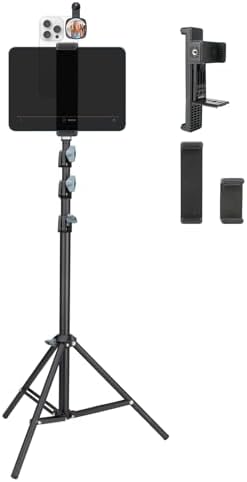
Optional Course Recording Tools to Compare





Step 4: Choose the Right Platform to Sell Your Course
Now that your course is ready, where should you host and sell it?
Best Course Platforms for Therapists:
Compare course platforms using current official information about fees, payment processing, tax handling, accessibility, video limits, captions, student-data privacy, email tools, refunds, analytics, content policies, export options, and account portability. Platform features and pricing change, so avoid selecting one solely from an old recommendation.
📌 Pro Tip: Test one platform with a pilot cohort before combining services. Extra tools add fees, integrations, privacy obligations, and support work.
Step 5: Price Your Course for Sustainable Delivery
Price the course from real delivery costs and learner value—not arbitrary industry ranges. Include curriculum development, editing, captions, platform and payment fees, taxes, refunds, support time, live components, insurance, and future updates.
Pricing Strategies for Online Courses:
Compare genuinely similar courses, interview potential learners, and test a small pilot price. Evaluate completion, support burden, refunds, conversion, and profit after all fees before raising the price or adding coaching. If live coaching is included, define scope, boundaries, availability, and whether it creates a professional relationship.
📌 Pro Tip: A pilot cohort can provide better evidence than a countdown discount. Explain what participants receive, collect structured feedback, and avoid artificial urgency.
Step 6: Market Your Course & Get Enrollments
Even the best course won’t sell itself—you need to actively market it.
Best Ways to Promote Your Course:
✅ Pinterest SEO – Create pins that link directly to your course page.
✅ Instagram & TikTok – Share quick tips and behind-the-scenes content.
✅ Email Marketing – Offer a freebie (e.g., a free self-care checklist) to grow your list.
✅ Run a Free Webinar – Teach a short workshop and pitch your course at the end.
✅ Collaborate with Other Therapists – Partner for cross-promotions.
📌 Pro Tip: If you don’t have an audience yet, use Pinterest to drive traffic to a free resource, then sell your course via email marketing.
Build, Test, and Improve a Responsible Online Course
A responsibly scoped educational course can become a reusable product, but its quality and business viability depend on evidence, production, support, ethical marketing, and continued maintenance. It may allow therapists to:
✔ Expand their impact beyond the therapy room.
✔ Test a scalable delivery model while measuring real demand and costs.
✔ Work at their own pace while helping more people.
Start with a short pilot, original curriculum, accessible materials, clear boundaries, and a realistic support plan. A camera or software cannot replace instructional design, learner testing, legal review, or ongoing updates.
Before launching, verify professional rules, client confidentiality, copyright, accessibility, privacy, advertising claims, refunds, taxes, and the exact terms of the chosen platform. Expand only after learners demonstrate that the course is useful and the numbers are sustainable.

About the Author
Hi, I’m Eve, a former school counselor with a master’s degree in School Psychology and a passionate advocate for children and families navigating sensory challenges. As a mom of children with sensory sensitivities, I deeply understand the journey special-needs parents face, and I dedicate myself to researching and sharing practical solutions to help children thrive and feel comfortable in their bodies. My goal is also to empower counselors, therapists, and psychologists with creative strategies and supportive resources to enrich their everyday practice. When I’m not writing or exploring new therapeutic approaches, you’ll find me spending quality time with my family and continually seeking inspiration from everyday moments.

