
Turn a Simple Tactile Craft Into a Thoughtful Small Product
Handmade worry stones are small, tactile objects that can be shaped in batches, personalized with simple textures or words, and packaged as thoughtful gifts or optional sensory tools. For a therapist, counselor, teacher, or creative maker, they can also become a manageable product-based side hustle without requiring a large inventory.
This guide explains how to choose materials, make a small test batch, calculate a sustainable price, package the finished pieces, and market them without making clinical promises. If you are still comparing business ideas, start with these flexible side hustles for therapists.
It’s important to disclose that this blog post contains affiliate links. This means that if you make a purchase through these links, we may earn a commission at no additional cost to you.
Worry Stone & Fidget Tool Starter Kit
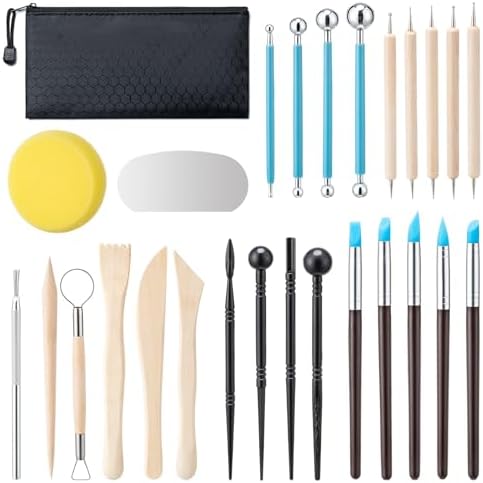
Start with one clay type and a small set of tools rather than buying every accessory at once. The useful basics are clay suited to your chosen process, a smooth work surface, simple shaping tools, and—only if your design needs them—letter stamps or texture tools. Test the complete making and finishing process before purchasing supplies in bulk.

- Natural Clay – The raw material of this 10LBs natural air-dry clay is porcelain, also known as kaolin, with fine and uni…
- Pottery Tools Set – TOTAL40 PCS Clay and Pottery Tools to meet your needs, ideal for carving, modeling, cutting, scrapin…
- Non-toxic and odorless – Whether You Need Clay For Professionals, Or Home Use, ReArt Natural Clay Is An Ideal Choice.
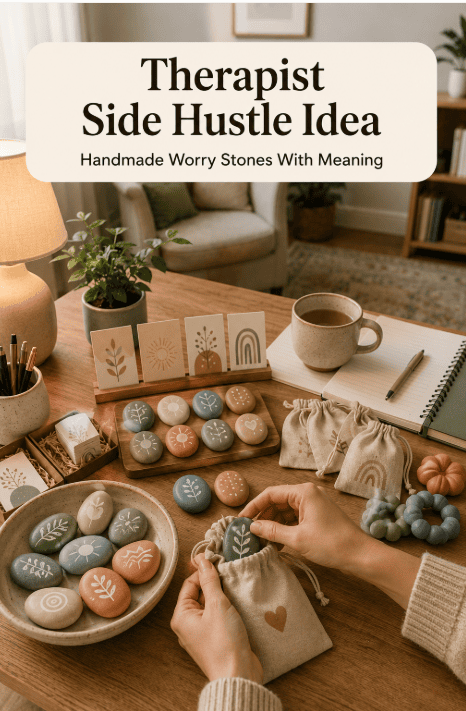
How Worry Stones May Be Used as Optional Tactile Tools
Worry stones are small tactile objects that some people like to hold, turn, or rub while listening, waiting, reflecting, or concentrating. The repeated movement may feel familiar or give the hands a quiet task, but responses differ from person to person.
In counseling, classroom, or home settings, offer a worry stone as an optional tool rather than a treatment. Explain how it may be used, allow the person to decline it, and avoid promising that it will reduce anxiety, regulate the nervous system, or address a diagnosis.
The Original Intent Behind Worry Stones
Worry stones are generally small and smooth, often with a thumb-sized indentation. Their appeal is simple: the shape is portable and gives the fingers a consistent surface to touch or rub.
Some therapists, teachers, and caregivers include tactile objects among several optional supports. Consider the person’s preferences, developmental needs, hygiene requirements, and the setting in which the item will be used.
How to Choose Clay and Basic Tools
Choose materials according to the finish, production method, and age group you intend to serve. Polymer clay can create a durable, detailed result but must be cured exactly as its manufacturer directs. Air-dry clay avoids oven curing but may be more fragile and can require a compatible finish. Stamps and simple sculpting tools are optional; begin with a small set until you know which designs buyers prefer.
| Material or tool | Useful when | Check before buying |
|---|---|---|
| Polymer clay | You want repeatable shapes and fine details | Curing instructions, color range, and intended use |
| Air-dry clay | You need a no-bake process | Drying time, shrinkage, fragility, and compatible finish |
| Sculpting tools | You want smooth edges or carved details | Which tools you will actually use |
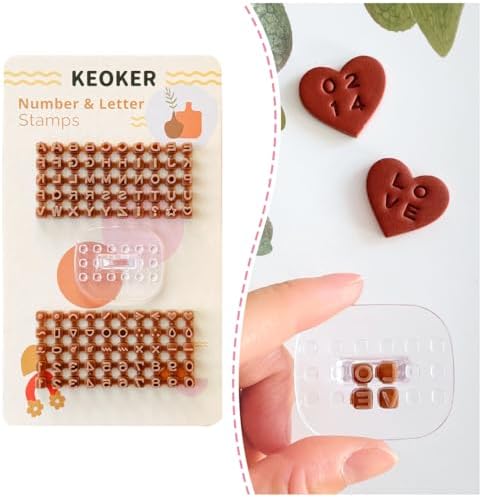
| Letter stamps | You plan to add short words | Letter size, readability, and depth |
| Packaging | You are ready to sell finished pieces | Unit cost, protection in transit, and labeling needs |

How to Make Handmade Worry Stones (That People Actually Want to Keep)

Materials You’ll Need:
Safety note: Small handmade pieces can be choking hazards and may not be appropriate for young children or people who mouth objects. Verify every material and finish for the intended use, supervise when appropriate, and do not market a handmade item as treating a medical or mental health condition.
- Polymer clay or air-dry clay appropriate for your intended project
- Small sculpting tools or fingers to shape
- Stamps or alphabet tools for affirmations
- Optional: texture rollers, mica powders, or glaze
Ready to start crafting? Here’s a clear, beginner-friendly tutorial that walks you through each step of making polymer clay worry stones. These directions work beautifully for therapists, teachers, or anyone who wants to create a mindful handmade product that’s both beautiful and functional.
Step-by-Step Guide:
- How to Make Polymer-Clay Worry Stones (glossy, gift-ready)
- Plan a test batch: Start with a few pieces and record your actual shaping, curing, finishing, and packing time.
- Track yield: Weigh or count the clay used for each sellable piece so your material cost is based on your own design.
- Condition – Warm clay and fold until soft, no cracks.
- Shape – Roll a 3–4 cm oval; gently press your thumb to form the dish.
- Texture/Stamp – Add a spiral/leaf or stamp a word (“breathe,” “safe,” “present”).
- Cure or dry – Follow the exact manufacturer instructions for the clay, thickness, equipment, temperature, ventilation, and timing.
- Sand – When fully cool, wet-sand 600 → 1200 → 3000 grit.
- Finish – Remove dust and use only a finish that the clay manufacturer identifies as compatible with the cured material and intended use.
- Package – Slip into a muslin bag with a Mindful Use Card (below).
- Mindful Use Card (copy to print, 2×3″)
- Hold the stone. Inhale for 4. Pause 2. Exhale for 6. Repeat 4 rounds. Whisper your word.
💡 Therapist tip: Tailor colors, textures, or symbols to match therapeutic goals—like calm tones for grounding or bold colors for empowerment.
🎨 Want more simple crafts with therapeutic value? Explore other easy-to-make tools like affirmation cards and sensory bottles—perfect for budget-friendly sessions or client gifts.
👉 Easy DIY Therapy Tools You Can Make on a Budget`
Troubleshooting & Pro finish
Common Issues (and fast fixes)
- Cracks after baking: Under-conditioned clay or over-bake. Warm more; bake on tile; tent foil if edges brown.
- Fingerprints: Use cornstarch dusting or vinyl gloves; sand with micro-mesh.
- Cloudy glaze: Too thick or humidity. Thin layers; allow full cure.
- Stamp ghosting: Press evenly before forming the thumb dish (not after) to avoid distortion.
- Air-dry clay flaking: Let dry 24–48 h; sand lightly; seal with matte varnish.
DIY Fidget Tools for Kids or Clients on the Go
The same craft supplies can support simple textured tiles, beads, or keychain charms. Keep the product appropriate for its intended user and setting: small parts, elastic, clasps, coatings, and detachable pieces require careful consideration, especially when products may be used by children.
Simple Fidget Tool Ideas to Try:
- Quick-Build Fidget Tools (highly giftable)
- Textured thumb stone – Add a shallow, repeatable texture that is comfortable to touch and easy to inspect for rough edges.
- Clay Bead Roller Ring – Make 3–5 smooth beads; bake; string on elastic or memory wire; function = silent fidget.
- Braided Calm Keychain – 3 strips faux leather; braid; add swivel clasp + small clay charm.
- Texture Tiles – 3-pack 2×3 cm tiles with different textures for sensory desks; add ring.
If a child decorates an item during a supervised activity, provide age-appropriate materials and treat the finished object as an optional creative project. For more low-cost session ideas, see these DIY therapy tools for new counselors.

How to Price & Package Your Worry Stones for Profit
A sustainable price should come from recorded costs, not intuition alone. Price the product only after you have made a test batch and measured materials, failed pieces, active work time, packaging, selling fees, and the time required to prepare each order.
Step 1: Calculate Your True Costs
Start by adding up the cost of materials (clay, glaze, packaging), plus any small business fees like Etsy listings or payment processing. Then, estimate how long it takes to make each stone. Even if this is a mindful hobby, your time matters—build it into the price.
A Simple Pricing Formula
Calculate the material and packaging cost per sellable piece, add marketplace and payment fees, include an allowance for failed pieces and equipment wear, and pay yourself for active production and packing time. Then add a profit margin that supports the business. Recalculate whenever supplier costs, fees, batch size, or production time changes.
Do not copy a competitor’s price without checking your own costs. A product can sell regularly and still lose money when labor, packaging, returns, and platform fees are ignored.
Step 2: Research Comparable Listings
Search Etsy and small-business marketplaces for similar products such as clay worry stones, fidget tools, or mindfulness accessories. Take note of average prices, color trends, and packaging presentation. This will help you position your product competitively while staying authentic to your style.
Step 3: Add Value Through Presentation
Thoughtful presentation can make the product easier to understand and gift. Test whether packaging and instruction cards improve conversion or average order value before investing in large quantities.
Step 4: Offer Bundles or Limited Editions
Consider offering calming-themed bundles—such as three worry stones for different moods (calm, courage, clarity)—or pairing stones with other therapist-made items like affirmation cards. Limited-edition color palettes or seasonal sets can also attract collectors and repeat buyers.
Therapist’s Pick: Packaging That Feels Grounded
For a simple presentation, consider kraft boxes, muslin bags, paper labels, or small instruction cards. Compare unit cost, protection in transit, recyclability claims you can substantiate, and how much packing time each option adds.
Packaging Ideas That Elevate Your Brand

Thoughtful packaging should protect the item, explain what the buyer is receiving, and remain practical to assemble. Consider:
- Wrap each stone in soft muslin or kraft paper
- Add a small card with a mindfulness prompt or breathing exercise
- Include a handwritten note or quote (great for Etsy or local markets!)
Branding your packaging with affirming, grounded energy makes your product more than just an object—it becomes a message.
Therapist Branding Ideas for Handmade Tools
Your brand is more than a logo—it’s the emotional tone clients feel when they see or touch your creations. When your handmade tools reflect the same grounding, compassionate energy you bring into sessions, your products resonate on a deeper level.
1. Choose a Calming Color Palette
Stick to soft neutrals or nature-inspired tones that align with your therapy space or online aesthetic. Shades like sage, blush, stone, and ivory communicate warmth and safety—two feelings clients already associate with you.
2. Use Consistent Visual Language
Use the same fonts, backgrounds, and tone across your Etsy shop, business cards, and social media. Photograph your products on linen or wood surfaces under natural light. Consistency tells your audience that your creations are an extension of your professional care.
3. Infuse Your Message With Meaning
Include short affirmations, a mission line, or your personal “why.” For instance: “Each piece is handmade to bring calm into your day.” People don’t just buy worry stones—they buy the emotion and intention behind them.
Tools for Creating a Beautiful Brand
Design a cohesive visual identity with Canva Pro templates or print elegant logo cards with Vistaprint. Use soft-touch business cards or custom stamp kits for packaging. Small details elevate your products from handmade to high-end.
Therapist insight: Authentic branding isn’t about perfection—it’s about presence. When your handmade items feel like a natural continuation of your therapeutic mission, your audience senses the care and purpose behind each creation.
💻 Ready to Turn Your Expertise Into Impact (and Income)?
If you’ve ever dreamed of sharing your therapeutic insights beyond the session room, this is your sign to begin. My full guide — How to Start a Therapist Blog That Helps Others and Generates Passive Income — walks you through everything step by step: finding your niche, setting up your site, growing with Pinterest, and earning ethically.
👉 Read the full guide here and start building a blog that heals, teaches, and sustains.
How to Sell Handmade Worry Stones as a Therapist
There’s something special about giving calm a tangible shape. Handmade worry stones — smooth, weighty, grounding — can become quiet tools of comfort for both clients and gift buyers who love meaningful items. When created with care and ethical boundaries, they’re a beautiful blend of art, mindfulness, and gentle entrepreneurship.
🌿 Where to Sell
- Etsy: Perfect for reaching a mental-health–aware audience already searching for handmade wellness gifts. Use clear descriptions and warm, empathetic language that speaks to calm and self-regulation.
- Your therapy office or waiting area: Display them in a small bowl near a calming sign that says “Take what speaks to you.” It invites curiosity without pressure.
- Local maker’s markets or mental-health awareness events: These in-person spaces allow people to connect with the story behind your craft — which often becomes the reason they buy.
- Your website or newsletter: If you already share self-care printables or digital therapy tools, add a “Mindful Shop” section where worry stones or bundles complement your other offerings.
✨ Marketing Ideas That Feel Authentic
Worry stones sell best when paired with meaning. Instead of focusing on the object, share the story behind it.
- Write short reflections or affirmations that inspired each collection — for example, “This stone was smoothed during a quiet weekend spent reflecting on resilience.”
- Record Instagram Reels or TikToks showing the making process, your calming workspace, or the sensory feel of finishing each stone. Viewers connect with your peace, not just your product.
- Create gift bundles — a “Therapist Calm Kit” or “Grounding Gift Box” with a worry stone, affirmation card, and tea sachet. Thoughtful packaging elevates value and deepens emotional resonance.
📌 Use Pinterest to Grow Beyond Your Local Circle
Pinterest is one of the most powerful (and often overlooked) tools for handmade therapy-based products. People come there looking for calm aesthetics — “self-care gifts,” “mindfulness tools,” “therapy office ideas.” A single well-designed pin can bring steady, evergreen traffic to your Etsy store or website for years.
💬 Ethical Note for Therapists
If you sell worry stones or handmade items as a practicing therapist, maintain clear boundaries:
- Make sure purchases are entirely optional and never tied to therapy outcomes.
- Use separate payment systems for client sessions and product sales.
- Communicate transparently that buying items is not a clinical recommendation — it’s an optional wellness resource.
When handled with care, selling handmade tools can extend your therapeutic message into the world — allowing your clients and followers to hold calm in their hands, one stone at a time.
🛍️ Ready to expand beyond handmade tools? Learn how to design and sell your own therapist-themed T-shirts, mugs, and stickers with ease.
👉 How to Sell Therapist-Inspired Merch

Common Uses for Worry Stones in Therapy
Worry stones are one optional tactile choice, not a universal intervention. Introduce them collaboratively, explain the intended use, and observe whether the individual finds the texture helpful, distracting, or unpleasant.
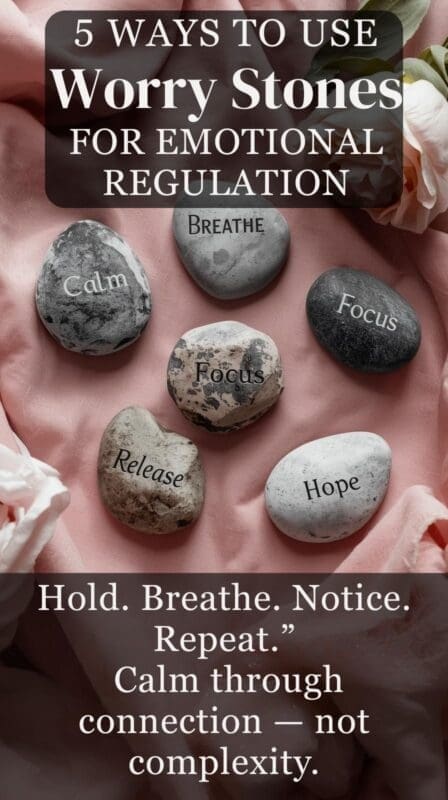
1. Grounding Exercises for Clients With Trauma or Dissociation
Invite your client to hold a worry stone as you guide them through slow breathing or present-moment awareness. The simple act of rubbing the stone helps regulate the nervous system and creates a sensory anchor. Over time, it becomes a comforting ritual that says: “I can come back to myself.”
2. Transitional Moments
Therapy sessions often open or close with emotion. Using a worry stone at these transition points—before diving into a difficult topic or while wrapping up a breakthrough—can help the client feel settled. You might even have a small dish of stones near the door and invite clients to choose one intuitively before sitting down.
3. Reflective Homework or Self-Soothing Practice
Encourage clients to keep their worry stone in a pocket, bag, or on their nightstand. Each time they reach for it, they can note how they’re feeling and jot a short line in a journal: “What emotion did I notice just now?” This pairing of touch and reflection deepens self-awareness between sessions.
4. Parent-Child Therapy
In family or play-based sessions, matching worry stones help children and caregivers practice co-regulation. A child might keep a bright-colored stone while the parent holds a neutral one, reminding them they’re connected even when apart. Decorating stones together can also open gentle conversations about safety and belonging.
5. Group Work, Classrooms, and Calming Corners
Teachers and counselors can integrate worry stones into sensory kits or mindfulness stations. A simple basket labeled “Calm Tools” invites students to choose what they need to refocus. In small therapy groups, passing a worry stone during check-ins can symbolize shared space and emotional grounding.
In any setting, consider consent, hygiene, small-part risks, material compatibility, and the person’s sensory preferences. A useful tool for one person may not suit another.
Therapist’s Pick: Sensory Basket Essentials
Build your own calming kit with smooth thumb stones, woven baskets, and aromatherapy oils for scent-based grounding. These small details transform your therapy space into a sanctuary for regulation and reflection.
You can introduce worry stones during:
- Grounding exercises for clients with trauma or dissociation
- Transitions—such as starting or ending a session
- Homework prompts—like keeping the stone in a pocket and journaling moments of tension
- Parent-child therapy—create matching worry stones to promote emotional connection at home
They’re also effective as part of take-home kits, sensory baskets, or classroom calming corners.
A Mindful Side Hustle That Aligns With Your Values
Creating a useful tactile product can combine craft, thoughtful design, and supplemental income. Its value should come from workmanship, accurate presentation, and a clear use case—not from promises that it will heal or regulate the buyer.
Begin with one small collection, record the real costs, gather non-clinical product feedback, and decide whether the process is enjoyable and profitable before expanding.
FAQ
Can polymer-clay stones be handled regularly?
Follow the clay and finish manufacturers’ directions for curing, compatible coatings, cleaning, and intended use. Inspect handmade pieces for cracks, sharp edges, or coating damage and avoid universal safety claims.
What finish should I use?
Use only a finish identified as compatible with your clay and intended use. Test it on a sample and follow the manufacturer’s application, curing, ventilation, and care instructions.
Air-dry or polymer clay: which should I choose?
Choose based on the making process, desired finish, durability needs, and manufacturer guidance. Make and test sample pieces before deciding which material suits the product you want to sell.
How should worry stones be cleaned?
Follow the clay and finish manufacturers’ care instructions. If an item will be shared in an office or classroom, choose materials and a cleaning process that fit the setting before offering it for use.
How many can I make per hour?
There is no dependable universal number. Time a complete test batch—including preparation, curing, finishing, quality checks, and packing—then calculate your own output rate.
Want to Deepen the Impact?
If you enjoyed this guide, you might also love:
- 5 Essential Things Every Therapist Needs to Know About Nervous System Regulation
- Easy DIY Therapy Tools You Can Make on a Budget
- Therapeutic Swings for Child Therapists
Looking for more ways to turn your creativity into a meaningful business? Explore my Therapist Side Hustle Series for step-by-step guides on how to create, package, and share mental health-inspired products that support both your clients and your income.
Explore More Mindful Side Hustles
Love crafting with purpose? Discover more ideas in our Calming Tools Side Hustle Guide and Relaxing Side Hustles for Therapists.
Affiliate Disclosure
This article may contain affiliate links. I only recommend items I believe are helpful for therapists, counselors, and educators. If you purchase through these links, I may earn a small commission at no extra cost to you.

About the Author
Hi, I’m Eve, a former school counselor with a master’s degree in School Psychology and a passionate advocate for children and families navigating sensory challenges. As a mom of children with sensory sensitivities, I deeply understand the journey special-needs parents face, and I dedicate myself to researching and sharing practical solutions to help children thrive and feel comfortable in their bodies. My goal is also to empower counselors, therapists, and psychologists with creative strategies and supportive resources to enrich their everyday practice. When I’m not writing or exploring new therapeutic approaches, you’ll find me spending quality time with my family and continually seeking inspiration from everyday moments.

