
There’s something almost magical about the way preschoolers respond to bugs.
A tiny ant can hold their attention longer than a screen. A butterfly can spark quiet wonder. A beetle under a leaf can turn into a full moment of curiosity, focus, and calm. Even in fall and winter, when real insects are harder to find outside, bug-themed activities can still bring nature, sensory play, movement, and emotional learning into the classroom or home.
That is why preschool insect activities are more than just seasonal science fun.
When done intentionally, insect play can help young children slow down, observe carefully, use their hands, move their bodies, practice patience, and express feelings through play. These activities are especially helpful for preschoolers who need calming sensory input, gentle focus practice, or playful ways to build confidence.
In this guide, you’ll find meaningful insect activities for preschoolers that don’t just entertain. They support emotional regulation, attention, creativity, fine motor skills, and calm engagement. You’ll also find cozy fall and winter bug activities that work beautifully indoors when the weather is cold, rainy, or too dark for long outdoor exploring.
This post may contain affiliate links, including Amazon and selected partner links. If you make a purchase through these links, I may earn a small commission at no extra cost to you.

Why Preschool Insect Activities Are So Powerful for Emotional Development
Before we jump into ideas, it’s important to understand why insect-themed play works so well.
Children are naturally drawn to small, moving things. Bugs invite curiosity without overwhelming the senses. They create a perfect balance between excitement and calm attention.
When children engage in insect activities, they are quietly practicing:
- sustained focus and attention
- patience and observation
- emotional regulation through repetitive play
- curiosity without pressure
- confidence through discovery
Unlike loud or overstimulating toys, insect-based play often slows children down. And in today’s fast, screen-filled world, that’s incredibly valuable.
1. Bug Sensory Bin for Calm Exploration
Start with one of the most effective and versatile preschool insect activities.
A bug sensory bin creates a contained, safe environment where children can explore textures, movement, and imagination at their own pace.
Fill a bin with:
- dried beans, rice, or kinetic sand
- small plastic insects
- leaves, twigs, or moss
- scoops, tweezers, or cups

- You will receive 15 different insect specimens in this exquisite set, which is enough to satisfy your observation and us…
- The product comes with a convenient storage bag, a magnifying glass, and instructions, so that you can observe and under…
- Our specimens are made of high-quality resin, which is strong and durable, and not easy to break or change color.

- Amazon Exclusive 2.5kg (5.5lb) Kinetic Sand: Includes Kinetic Sand bulk sand in natural brown (packaging may vary) for k…
- Loads of sensory sand fun: Kinetic Sand for kids develops creative & sensory skills & allows kids to create anything the…
- Made with natural sand: The One & Only Kinetic Sand is reusable, never dries out & magically sticks together for easy cl…
Let children dig, sort, and “discover” bugs.
This type of play supports emotional regulation because it combines repetitive movement with tactile input. The hands stay busy, the mind slows down, and children naturally settle into focused play.
Mental health value:
Sensory play helps regulate the nervous system by providing predictable, soothing input. It can reduce restlessness, improve attention span, and create a sense of calm control.
2. “Bug Hunt” Observation Game
Turn curiosity into a structured activity.
Create a simple “bug hunt” sheet with pictures of insects like:
- butterfly
- ant
- spider
- beetle
Go outside or use a prepared indoor setup and let children search and check off what they find.
What makes this activity powerful is the balance between movement and focus. Children are active, but also learning to slow down and notice details.
Mental health value:
Observation games strengthen attention control and reduce impulsivity. They teach children how to pause, look carefully, and stay engaged in one task.
You can also connect this to your existing content like:
- https://eveyou.eu/summer-camp-activities-for-kids-fun-engaging-unforgettable-ideas-for-outdoor-adventures
for more outdoor engagement ideas.
3. Paper Plate Bug Crafts That Build Confidence
Simple crafts are often underestimated — but they are one of the best ways to build a child’s sense of capability.
Try:
- paper plate ladybugs
- bee crafts with stripes
- butterfly wings with paint or stickers

- Everyday Dinnerware: Make cleanup easy with these disposable paper plates. With this value pack, there are plenty plates…
- Perfect for Any Occasion: These plates are great for big family meals, banquets, catered events, picnics, birthdays, par…
- Made in the USA: Made of durable paper material, these plates are refrigerator and microwave safe.
Keep it simple and achievable. The goal is not perfection, but completion.
When children finish something they made, they experience a small but important emotional shift:
“I can do this.”
Mental health value:
Completing a craft builds self-efficacy. It helps children tolerate small challenges and feel proud of their effort, not just the result.
4. Build-a-Bug Creative Station
Set up an open-ended craft area with:
- colored paper circles
- pipe cleaners
- googly eyes
- glue sticks
Let children create their own bugs.
No rules. No examples. Just imagination.
This is where creativity and emotional expression naturally meet. Some children will create happy bugs, some silly ones, some “scary” ones — and all of that is valuable.
Mental health value:
Open-ended play allows children to express inner feelings safely. It supports emotional processing without requiring words.
5. Insect Movement Games for Energy Release
Not all regulation comes from calm activities. Some children need movement first.
Try:
- crawling like ants
- fluttering like butterflies
- wiggling like worms
- jumping like grasshoppers
You can turn this into a simple game:
“Can you move like this bug?”
Mental health value:
Movement helps release built-up energy and tension. It supports body awareness and helps children transition into calmer states afterward.
6. “Life Cycle of a Butterfly” Visual Activity
Introduce simple concepts through visual storytelling.
Use:
- pictures
- cut-outs
- sequencing cards
Let children arrange:
egg → caterpillar → chrysalis → butterfly
This combines learning with structure, which is very regulating for young children.
Mental health value:
Predictable sequences help children feel safe. They support cognitive organization and reduce anxiety by creating a clear sense of order.
7. Nature-Based Bug Art for Deep Calm
Take the activity outside.
Collect:
- leaves
- flowers
- small sticks
Use them to create insect shapes on the ground or on paper.
This type of activity slows everything down — the pace, the movement, the expectations.
If you want to expand this idea, you can connect it to:
Mental health value:
Nature-based play is strongly linked to reduced stress and improved mood. It helps children reconnect with their senses in a gentle, grounding way.
8. Bug-Themed Story and Drawing Time
After active play, bring things into a calm transition.
Read a short insect story or create your own:
“Once there was a little bug who felt…”
Then ask children to draw what happens next.
This blends imagination with emotional reflection.
Mental health value:
Storytelling helps children understand emotions indirectly. Drawing gives them a safe way to express those feelings visually.
9. Fine Motor “Bug Rescue” Activity
Hide small bugs in:
- playdough
- tape lines
- clothespin setups
Let children “rescue” them using fingers or tools.
This activity is simple but deeply engaging.
Mental health value:
Fine motor work strengthens focus, patience, and persistence. It’s especially helpful for children who struggle with attention or impulsivity.
10. Calm-Down Corner with Bug Theme
Create a small calming space with:
- soft textures
- bug plush toys
- quiet insect books
This is not an activity, but an environment.
A place where children can go when they feel overwhelmed.
If you’re designing spaces like this, you might also like:
Mental health value:
A calm-down space teaches children that it’s okay to pause, rest, and regulate — instead of reacting impulsively.
11. Fall Leaf Bug Collage

This is a beautiful fall insect activity for preschoolers because it combines nature, creativity, and slow hands-on focus.
Collect fallen leaves in different shapes, sizes, and colors. Then invite children to turn them into bugs on paper.
They can use:
- long leaves for butterfly wings
- small round leaves for beetle bodies
- thin stems for antennae
- tiny leaves for legs
- acorns or seeds for eyes
Children can glue the leaves onto paper and add details with crayons or markers.
This activity works especially well in autumn because children get to notice seasonal changes while creating something imaginative.
Mental health value:
Leaf collage activities encourage mindfulness, sensory awareness, and creative problem-solving. Children slow down as they notice texture, color, and shape. The activity also supports confidence because there is no “wrong” way to create a leaf bug.
12. Cozy Indoor Bug Hunt With Flashlights
When fall and winter days get darker, bring the bug hunt indoors.
Hide plastic insects around the room and give children a small flashlight. Let them search under tables, behind cushions, near bookshelves, or inside a sensory bin.
To make it calmer, dim the lights slightly and use warm lamps instead of bright overhead lighting.
You can also give children a simple checklist with pictures of the bugs they need to find.
Mental health value:
This activity combines movement, visual tracking, and focused attention. The flashlight adds novelty, but the search structure keeps the activity contained and organized. It is especially helpful for children who need movement but also benefit from a clear task.

- Insect Bug Toy Figures for Kids 45 piece small lifelike insect toys kit include scorpion, centipede, mantis, spider, bee…
- These fake bugs bulk are made of plastic material, soft, no sharp edge. Each tiny insect measures from 2″ to 6″. Realist…
- Good for insect themed party, Goodies bag fillers, Class game rewards, Christmas stocking stuffers, pinata fillers, East…

- ✿ Exceptional Value – (6) pack 9-LED flashlights AND (18) total AAA batteries INCLUDED( Each flashlight requires 3×AAA b…
- ✿ High Lumen Output – Beam range-59Ft. Wide area of visibility for almost any situation. Easily find your way walking in…
- ✿ Attractive, Impact Resistant and Secure Hard plastic body design in (6) FUN colors(Pink, Red, Orange, Gray, Teal, Blue…
13. Winter Bug Sensory Bin
Real bugs may not be easy to find in winter, but a winter bug sensory bin can still offer calming tactile play.
Fill a bin with:
- cotton balls for “snow”
- white rice
- dried beans
- shredded paper
- plastic insects
- small scoops
- tweezers
- cups
Invite children to rescue the bugs from the “snow,” sort them by color or size, or create little winter homes for them.
Mental health value:
Sensory bins offer predictable, repetitive movement that can help preschoolers settle. Scooping, pouring, digging, and sorting give the hands something purposeful to do, which can support calm focus and self-regulation.
14. Bug Hibernation Small World Play
This cozy activity teaches children that many creatures slow down, hide, or rest during colder seasons.
Create a simple hibernation or winter shelter scene with:
- pinecones
- leaves
- small sticks
- cotton balls
- moss
- cardboard tubes
- toy insects
Ask children to build tiny homes where bugs can stay warm and safe.
You can say:
“Where would this beetle feel safe?”
“What does this little bug need for winter?”
“Can you build a cozy place for it to rest?”
Mental health value:
This activity gently introduces themes of safety, rest, protection, and slowing down. It can be especially soothing for children who are learning about transitions, seasonal change, or the need for quiet time.

15. Build-a-Bug With Play Dough

Play dough is perfect for fall and winter indoor activities because it is tactile, calming, and easy to adapt.
Set out play dough with:
- pipe cleaners
- googly eyes
- buttons for older supervised children
- craft sticks
- beads for older children only
- plastic insect examples
- bug picture cards
Invite children to build their own insects.
They can make long worms, round beetles, butterflies, caterpillars, spiders, or completely imaginary bugs.
Mental health value:
Play dough supports fine motor development, hand strength, sensory regulation, and emotional expression. Children can squeeze, roll, flatten, poke, and reshape the material, which can be calming when they feel restless or frustrated.

- Non-toxic & made in USA: Food-grade ingredients free from dairy, eggs, peanuts, tree nuts, gelatin, and latex (contains …
- Soft & easy to shape: Pliable dough won’t crack or crumble during play. Perfect for modeling, sculpting, rolling, and cu…
- 6 assorted colors in 1 lb tub: Resealable tub keeps dough fresh and prevents drying out when sealed properly. Colors can…

- Variety Pack: This set includes 520 self-adhesive wiggle googly eyes in 5 different sizes – 6mm, 8mm, 10mm, 12mm, and 15…
- Versatile Crafting: Perfect for adding character and personality to crafts, scrapbooking, decorations, toys, and more.
- Easy Application: The adhesive backing allows for quick and seamless sticking to most surfaces.
16. Bug Shadow Matching Game
This is a quiet, low-prep activity that works well during winter, rainy days, or classroom calm time.
Create cards with insect pictures and matching shadow shapes. Children match each bug to its shadow.
Use simple insects such as:
- butterfly
- bee
- ant
- beetle
- spider
- dragonfly
- caterpillar
Mental health value:
Matching games support visual discrimination, concentration, and calm problem-solving. They give preschoolers a structured task with a clear beginning and ending, which can feel reassuring and regulating.
Affiliate products to add:
17. Make a Warm Bug Hotel Craft

A bug hotel craft is perfect for fall because it connects children to the idea of preparing cozy spaces for tiny living things.
Use a cardboard box, paper towel roll, or small wooden tray. Let children add:
- sticks
- leaves
- paper tubes
- pinecones
- dried grass
- small stones
- craft paper
For indoor classroom use, this can be a pretend bug hotel rather than a real outdoor insect habitat.
Mental health value:
Creating a “safe home” for bugs helps children explore care, empathy, protection, and responsibility. It is a gentle way to practice nurturing behavior and talk about what all living things need to feel safe.
18. Insect Yoga for Cold or Rainy Days
When children cannot go outside, insect yoga is a wonderful way to release energy indoors.
Try simple poses:
- butterfly pose
- worm wiggles
- spider crawl
- grasshopper jumps
- beetle curl
- dragonfly arms
- quiet cocoon rest
End with a “cocoon moment,” where children curl up quietly, breathe slowly, and imagine they are resting before becoming butterflies.
Mental health value:
Movement-based activities help children release tension and build body awareness. Ending with a quiet cocoon rest supports the transition from active movement to calm regulation.

19. Bug-Themed Calm Breathing Cards
Create simple breathing cards using insect imagery.
Examples:
Butterfly breath: open your arms as you breathe in, close them as you breathe out.
Bee breath: breathe in, then hum softly as you breathe out.
Caterpillar breath: slowly curl and uncurl your fingers.
Spider breath: tap each finger slowly while breathing.
Ladybug breath: count five spots as you breathe slowly.
Use the cards in a calm corner, preschool circle time, therapy room, or bedtime routine.
Mental health value:
Breathing cards give children a concrete visual cue for calming their bodies. Insect themes make the strategy playful instead of clinical, which can make preschoolers more willing to try it.
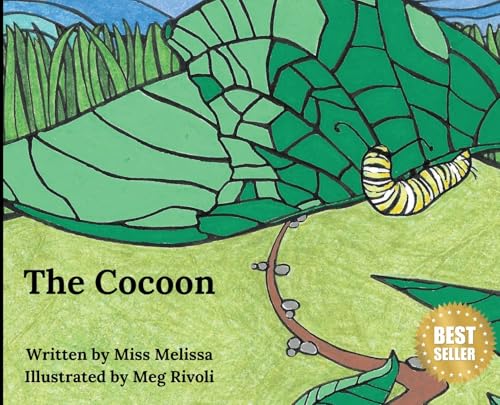
20. Winter Cocoon Story and Blanket Activity

This is a cozy winter activity for emotional regulation.
Read or tell a short story about a caterpillar finding a safe cocoon for rest. Then invite children to wrap themselves in a soft blanket, sit on a cushion, or hold a cozy item while they listen.
You can ask:
“What helps your body feel safe?”
“What does your cocoon need?”
“When do you need quiet time?”
“What helps you come out again when you are ready?”
Mental health value:
This activity helps children understand rest, boundaries, and emotional safety. The cocoon metaphor can be especially helpful for preschoolers who need permission to pause before rejoining play or group activities.

Shop Supplies for Preschool Insect Activities
You can do many of these preschool insect activities with simple materials from home, nature walks, or your classroom supply closet. But a few reusable supplies can make insect play easier to set up again and again, especially during fall and winter when more activities move indoors.
Basic Bug Play Supplies
- Plastic insect figures
- Magnifying glasses for kids
- Bug observation containers
- Insect picture cards
- Bug hunt checklist printable
- Small storage bins
Sensory Bin Supplies
- Sensory bin table
- Clear storage container with lid
- Kid-safe tweezers
- Scoops and cups
- Kinetic sand
- Colored rice or sensory filler
Craft Supplies
- Construction paper
- Washable markers
- Child-safe scissors
- Glue sticks
- Googly eyes
- Craft sticks
- Play dough set
- Art supply organizer
Calm and Regulation Tools
Choose supplies that are safe for your child’s age and developmental level. Avoid small loose parts for children who still mouth objects, and supervise sensory play closely.
How to Choose the Right Insect Activity for Your Child
Not every child needs the same type of activity.
Use this simple guide:
- Restless child: start with movement games
- Overwhelmed child: try sensory bins or nature play
- Low confidence: choose simple crafts with clear outcomes
- Highly emotional: use storytelling and drawing
The goal is not to do everything — but to choose what your child needs in that moment.
Final Thoughts
Preschool insect activities may look simple on the surface, but they offer something deeper.
They slow children down.
They invite curiosity instead of pressure.
They create space for focus, creativity, and emotional growth.
And sometimes, all it takes is one tiny bug to help a child feel calm, capable, and connected to the world around them.
Related Activities You May Also Like
- Summer Camp Activities for Kids
Great for outdoor nature play, movement games, and group activities. - Sensory Room Design for Counselors
Helpful for creating calm, sensory-friendly spaces for children. - Waiting Room SEL Tools
Useful if you want calm activities, SEL tools, or quiet waiting-room ideas for children. - Creative Craft Ideas to Help Children Express Anger
A good next read if you want more emotion-focused crafts for young children.

About the Author
Hi, I’m Eve, a former school counselor with a master’s degree in School Psychology and a passionate advocate for children and families navigating sensory challenges. As a mom of children with sensory sensitivities, I deeply understand the journey special-needs parents face, and I dedicate myself to researching and sharing practical solutions to help children thrive and feel comfortable in their bodies. My goal is also to empower counselors, therapists, and psychologists with creative strategies and supportive resources to enrich their everyday practice. When I’m not writing or exploring new therapeutic approaches, you’ll find me spending quality time with my family and continually seeking inspiration from everyday moments.

